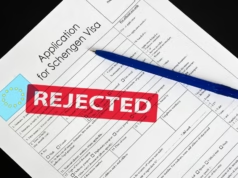
A visa cover letter is an opportunity to explain the purpose of a trip, clarify personal circumstances and help immigration officials understand the documents submitted with an application. Whether someone is applying for a tourist visa, business visa, family visit visa or another travel document, a well-written visa cover letter can make the application easier to assess by bringing important information together in one clear account.
Although visa requirements differ between countries, the purpose of a cover letter is broadly similar: to explain why the applicant wants to travel, how the trip will be financed, where they intend to stay and what their circumstances are. It should also address any details that might not be immediately clear from the application form or supporting documents.

There is no single cover letter format accepted by every embassy or consulate. Some countries provide specific instructions for supporting documents, while others do not explicitly require a cover letter at all. Applicants should therefore begin by checking the official immigration or embassy website of the country they intend to visit. A cover letter should complement the required application documents, not replace them.
For a short-stay Schengen visa, for example, applicants are generally expected to provide supporting evidence relating to the purpose of their journey, accommodation, financial means and intention to leave the Schengen area before their authorised stay expires. The European Commission outlines these requirements in its guidance on applying for a Schengen visa. The United Kingdom also expects visitor visa applicants to demonstrate that they are genuine visitors, can support themselves during their stay and intend to leave when their visit ends. Similar considerations appear in the United States visitor visa guidance, although the assessment process and legal requirements differ.
Understanding these expectations is important before writing anything. A cover letter should be based on the actual requirements of the destination country and the applicant’s individual circumstances, rather than copied from a generic template found online.
The first part of the letter should establish who is applying and what type of visa is being requested. Applicants should include their full name, passport number where appropriate, current country of residence and the intended dates of travel. The letter should be addressed to the relevant embassy, consulate or visa section, using the official name where available.
A suitable opening might explain that the applicant is requesting a short-stay tourist visa to visit a particular country between two specified dates. Someone travelling for a business meeting, conference, family visit or academic purpose should state that instead. The purpose must match the visa category selected in the application form.
Explaining the reason for travel is one of the most important parts of the letter. Simply writing that someone wants to visit a country for tourism may be insufficient when the application contains several travel arrangements that need clarification. A stronger explanation gives the proposed trip some context.
For example, a tourist visiting France could explain that the journey is intended for sightseeing, with planned visits to Paris and Lyon during a specified period. Someone travelling to attend a conference should identify the event, its location and the dates involved. An applicant visiting relatives should explain their relationship with the person they intend to visit and provide relevant invitation or accommodation details where required.
The explanation does not need to become a detailed travel diary. Its purpose is to establish a credible reason for the visit and show that the proposed activities are consistent with the visa being requested.
Travel dates and accommodation arrangements should also be presented clearly. Applicants should state when they intend to arrive, when they plan to depart and where they expect to stay. If the trip involves several cities or accommodation providers, the letter can briefly explain the arrangements and refer to the corresponding hotel reservations, invitation documents or itinerary.
It is important that these details agree with the information provided elsewhere in the application. Different travel dates in the cover letter, application form and hotel reservations can create unnecessary questions. If plans have changed, applicants should make sure that all relevant documents reflect the latest arrangements.
Financial information requires particular attention. Visa officers may need to establish whether an applicant can reasonably afford the proposed journey without relying on unauthorised employment or other sources of income that are inconsistent with the visa conditions.
The cover letter should briefly explain who will pay for the trip and how the expenses will be covered. An employed applicant might state that they will finance the journey using personal savings and employment income. A self-employed person could explain that the trip will be funded through business earnings. If a family member, employer, organisation or another individual is sponsoring the visit, the applicant should identify the sponsor and explain the nature of the financial support.
The supporting documents should provide evidence for these statements. Depending on the destination country’s requirements, this could include bank statements, salary records, employment confirmation, business registration documents, sponsorship letters or other financial evidence.
Applicants should avoid making broad claims about their financial position without providing corresponding evidence. Stating that someone has sufficient money for a trip does not establish that the funds are genuinely available to them. The figures and financial arrangements described in the letter should be consistent with the documents submitted.
Another issue that often requires careful explanation is the applicant’s personal and professional circumstances. Depending on the visa category and destination country, immigration authorities may consider employment, business activities, education, family responsibilities, legal residence and other relevant circumstances when assessing an application.
An employed applicant could explain their current position, how long they have worked for their employer and whether leave has been approved for the proposed travel dates. A student might explain their course of study and when they are expected to resume classes. A business owner could briefly describe their business activities and responsibilities.
For applicants who live in a country other than their country of nationality, it may also be useful to explain their current immigration status and provide evidence of their right to reside there, where required.
However, applicants should be careful not to turn this part of the letter into an attempt to persuade the visa officer through emotional language. The objective is to provide relevant information supported by documents. Employment, family or financial circumstances should be explained accurately, without exaggerating their significance or assuming that any single factor guarantees approval.
The intention to leave the destination country at the end of an authorised visit is another consideration for many temporary visa applications. Applicants should explain their circumstances honestly and identify relevant commitments that support their stated travel plans.
For instance, someone returning to an existing job may refer to their approved leave period and expected return to work. A university student could explain their academic schedule. A person running an active business might describe their responsibilities and ongoing operations.
ALSO READ: How to Explain Your Employment and Income During a US Visa Interview
These details should not be presented as automatic proof that a visa must be granted. Immigration authorities assess applications according to the applicable rules and the complete circumstances of each applicant. In the United States, for example, the Department of State explains that visitor visa applicants may be asked to demonstrate the purpose of their trip, their intention to depart after the visit and their ability to pay for the journey. It also makes clear that an invitation letter from someone in the United States is not a requirement for a visitor visa and does not determine the outcome of the application.
Applicants should also use their cover letters to clarify circumstances that might otherwise appear inconsistent. A recent large deposit in a bank account, an unusually long proposed visit, a change in employment, a previous visa refusal or a person sponsoring the trip may require additional explanation, depending on the circumstances.
For example, if a significant amount of money has recently entered an applicant’s bank account, it may be helpful to explain its legitimate source and provide relevant evidence. If an employer is paying for a business trip, the letter should explain the arrangement and refer to the employer’s supporting documentation. If an applicant has previously been refused a visa, they should answer any questions about that history truthfully and explain any relevant changes since the previous application.
A previous refusal does not automatically mean that a new application will be unsuccessful. However, submitting another application without addressing relevant concerns may leave the same questions unanswered. Applicants should read the refusal notice carefully and make sure their new application responds to the reasons given, where appropriate.
The language of a visa cover letter should remain professional, direct and easy to understand. Long sentences, unnecessary personal stories and exaggerated expressions can make an otherwise straightforward application harder to follow.
Applicants do not need to use complicated legal language or write several pages to demonstrate that they have prepared carefully. A concise letter that explains the relevant circumstances and points to the supporting evidence is generally more useful than a lengthy account containing information that has little connection to the application.
A typical cover letter can be organised into a few connected paragraphs covering the applicant’s identity, visa request, purpose of travel, proposed dates, accommodation, financial arrangements and relevant personal circumstances. The final paragraph can briefly confirm that the applicant has included the supporting documents required for the application and thank the visa officer for considering it.
Before submitting the letter, applicants should compare it with the application form and supporting documents. Names, passport details, travel dates, accommodation information and financial figures should be consistent. Any unexplained differences could lead to requests for clarification or complicate the assessment.
The letter should also be signed and dated if the destination country’s application instructions require or allow it. Applicants should check whether the embassy requires a particular language, format, translation or document submission method. Some authorities accept electronic documents, while others have specific requirements for original documents or certified translations.
One common mistake is relying entirely on visa cover letter samples downloaded from the internet. These examples can provide a useful starting point, but they should never be copied without considering the applicant’s own circumstances. A letter written for an employed tourist applying to visit the United Kingdom may not be appropriate for a self-employed applicant seeking a business visa for Japan. Even two people applying for the same visa category may have very different financial arrangements, travel purposes and personal circumstances.
Another mistake is treating the cover letter as a way to compensate for missing documents. A convincing explanation cannot replace mandatory evidence, and an applicant should never assume that a well-written letter will overcome a failure to meet the relevant visa requirements. False statements, altered documents or misleading financial information can have serious consequences for an application and potentially future travel.
The most effective approach is to treat the cover letter as an explanation of the application rather than a sales pitch. It should help the person reviewing the documents understand the journey, the applicant’s circumstances and how the supporting evidence relates to the information provided.
A visa cover letter cannot guarantee approval, regardless of how professionally it is written. The final decision rests with the relevant immigration authority, which considers the application under the laws and requirements of the destination country. However, a clear, accurate and well-organised letter can make it easier to understand the applicant’s intentions and assess the information provided.
Ultimately, applicants should focus less on finding the perfect template and more on presenting a consistent account of their travel plans. The strongest letter is not necessarily the longest or most persuasive-sounding one. It is the one that answers the relevant questions, provides accurate information and allows the supporting documents to speak for themselves.