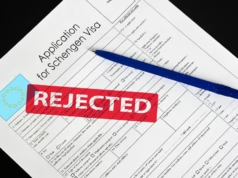
An invitation letter for a friend visiting Europe can help explain the purpose of a trip, where the visitor intends to stay and who will be hosting them during their visit. For travellers applying for a Schengen visa, the letter may form part of the supporting documents submitted to an embassy or consulate, particularly when the applicant plans to stay with someone who already lives in Europe.
However, writing an invitation letter is not simply a matter of confirming that a friend is welcome. The document should provide accurate information about the relationship between the host and visitor, the planned dates of travel, the accommodation arrangements and, where applicable, who will cover the costs of the visit. Missing details or inconsistencies between the letter and the visa application can raise questions during the assessment.

There is no single invitation letter format that applies to every European country. Although the Schengen countries follow common visa rules, individual countries can have different supporting-document requirements. Some authorities accept a signed letter from the host, while others require an official invitation form, a declaration of accommodation or additional evidence from the person providing the invitation. Anyone preparing such a document should check the requirements of the country where their friend intends to apply.
The first step is to establish exactly who is inviting whom. The host should identify themselves using their full legal name, residential address, telephone number and email address. If they are living in the destination country on a residence permit rather than as a citizen, they should make their immigration status clear where the relevant application requirements request it. The visitor’s details should also be included, preferably matching the information in their passport. These normally include their full name, date of birth, residential address and passport number.
The relationship between the two people deserves a clear explanation. If the visitor is a friend, say so. There is no need to describe a friendship as a family relationship or make it sound more formal than it is. The letter should explain how the host knows the visitor and, where useful, how long they have known each other. The purpose is to give the visa officer a straightforward account of the proposed visit, not to make an emotional appeal.
Travel dates are equally important. The host should state when the friend is expected to arrive, when they plan to leave and how long they intend to stay. If the visitor will be staying at the host’s home, the full accommodation address should be provided. If the friend will spend part of the trip elsewhere, the letter should not give the impression that the host’s home will be their only accommodation. The proposed arrangements should correspond with the itinerary and other documents submitted with the visa application.
One of the most important distinctions is whether the host is simply providing an invitation or also agreeing to pay for the visitor’s expenses. These are not necessarily the same thing. A person can invite a friend to stay at their home without taking financial responsibility for the entire trip. In that situation, the letter should explain that accommodation is being provided while making clear who will pay for flights, food, transport and other personal expenses.
If the host intends to finance the visit, the applicant may need additional documentation. Depending on the destination country, this could include a formal sponsorship declaration, a national maintenance undertaking or evidence of the host’s financial circumstances. An ordinary invitation letter should not be treated as a substitute for these documents when the authorities require a separate form.
ALSO READ: How to Apply for a Tourist Visa When You Are Self-Employed: Documents, Financial Evidence and What to Expect
Finland provides a useful example of how these arrangements can differ. According to the Finnish Ministry for Foreign Affairs, a private invitation can be written as a free-form letter. It should include the host’s contact details, the visitor’s personal details and the purpose and length of the visit. The host should also explain whether the applicant is a friend, spouse or relative. If the host takes responsibility for the visitor’s travel expenses, a separate proof of sponsorship form and supporting documents are required. The ministry also makes clear that an invitation does not guarantee that a visa will be granted.
This distinction matters because visa officers assess the application as a whole. Under the European Commission’s Schengen visa guidance, applicants may be asked to provide supporting documents establishing the purpose of their stay, accommodation arrangements, financial means and intention to return after the visit. An invitation letter can help explain the private arrangements, but it does not remove the visitor’s responsibility to provide the other required evidence.
A practical invitation letter should be written in a formal but straightforward tone. It does not need elaborate language, excessive expressions of affection or lengthy explanations about why the host wants their friend to visit. A short, well-organised document containing verifiable information is generally more useful than several pages of unnecessary personal details.
For someone inviting a friend to visit, the following is a practical example of how the letter can be written:
[Host’s Full Name]
[Full Residential Address]
[City, Postal Code, Country]
[Telephone Number]
[Email Address]
[Date]
To: Visa Officer
[Embassy or Consulate Name]
Subject: Invitation Letter for [Friend’s Full Name]
Dear Visa Officer,
I am writing to invite my friend, [Friend’s Full Name], born on [Date of Birth], holder of passport number [Passport Number], and residing at [Friend’s Residential Address], to visit me in [Country].
I currently reside at [Host’s Full Address] and hold [Nationality or Residence Permit Status]. I have known [Friend’s Name] for [Length of Friendship], and I would like to welcome them for a private visit from [Proposed Arrival Date] to [Proposed Departure Date].
During the visit, [Friend’s Name] will stay with me at my residential address stated above. The purpose of the visit is to spend time together, experience the local culture and visit places of interest in [Country].
[Friend’s Name] will be responsible for their own travel expenses and personal costs during the visit. I will provide accommodation at my home.
I confirm that the information provided in this letter is accurate and that I am available to provide further information or supporting documents if required.
Thank you for considering this invitation as part of the visa application.
Yours faithfully,
[Host’s Full Name]
[Signature]
[Telephone Number]
[Email Address]
This is a general example, not an official European visa form. The host should adjust it to reflect the actual arrangements and the specific requirements of the destination country’s embassy or consulate. If the host is paying for the visitor’s expenses, the wording should be changed accordingly and any required sponsorship documents should be included.
You can also download the Official Invitation Letter Sample by CLICKING HERE
Supporting documents can also help establish that the invitation is genuine. Depending on the country’s requirements, the host may be asked to provide a copy of their passport, national identity card or residence permit. Evidence of their residential address may also be requested, particularly where the visitor will be staying in their home. If sponsorship is involved, additional financial documents may be necessary.
The visitor should pay particular attention to consistency. Their name, passport number, proposed travel dates and accommodation details should agree across the invitation letter, visa application form, travel itinerary and other supporting documents. If the host states that the visitor will stay for three weeks, for example, the accommodation arrangements should account for those dates. Differences between documents can lead to requests for clarification or additional evidence.
There is also a practical question about where the application should be submitted. A person planning to visit several Schengen countries does not automatically apply through the embassy of the country where their friend lives. Under the Schengen rules, the main destination generally determines which country’s authorities handle the application. If the traveller intends to spend an equal amount of time in multiple countries, the country of first entry is generally relevant. The visitor should establish the correct application destination before preparing the invitation.
It is also important to distinguish between visiting a Schengen country and visiting Europe more broadly. The Schengen Area does not include every European country. The United Kingdom and Ireland, for example, operate their own visa systems. An invitation letter prepared for a Schengen visa application should not automatically be assumed to meet the requirements for a visit to either country. Applicants travelling elsewhere in Europe should consult the immigration or visa guidance of their intended destination.
The timing of the invitation is another consideration. Hosts should avoid preparing a letter with dates that no longer reflect the visitor’s intended travel plans. Some visa application checklists also impose a validity period on invitation letters. Finland’s application requirements, for example, can specify how recently an invitation must have been signed, depending on the application location. Checking the current checklist before submitting the document can prevent unnecessary complications.
Ultimately, an invitation letter is evidence of a proposed private visit, not a promise that a visa will be approved. The final decision rests with the relevant immigration or consular authorities, which consider the visitor’s circumstances and the complete application. A host can make the process clearer by providing accurate information, explaining the relationship honestly and confirming genuine accommodation arrangements. The visitor, in turn, must make sure that the invitation is supported by the other documents required for the application.
For friends hoping to reunite across borders, the letter is a useful starting point. Its purpose is simple: to establish who is inviting the visitor, why they are coming, where they will stay and how the visit will be arranged. Getting those details right is far more valuable than trying to make the invitation sound impressive.