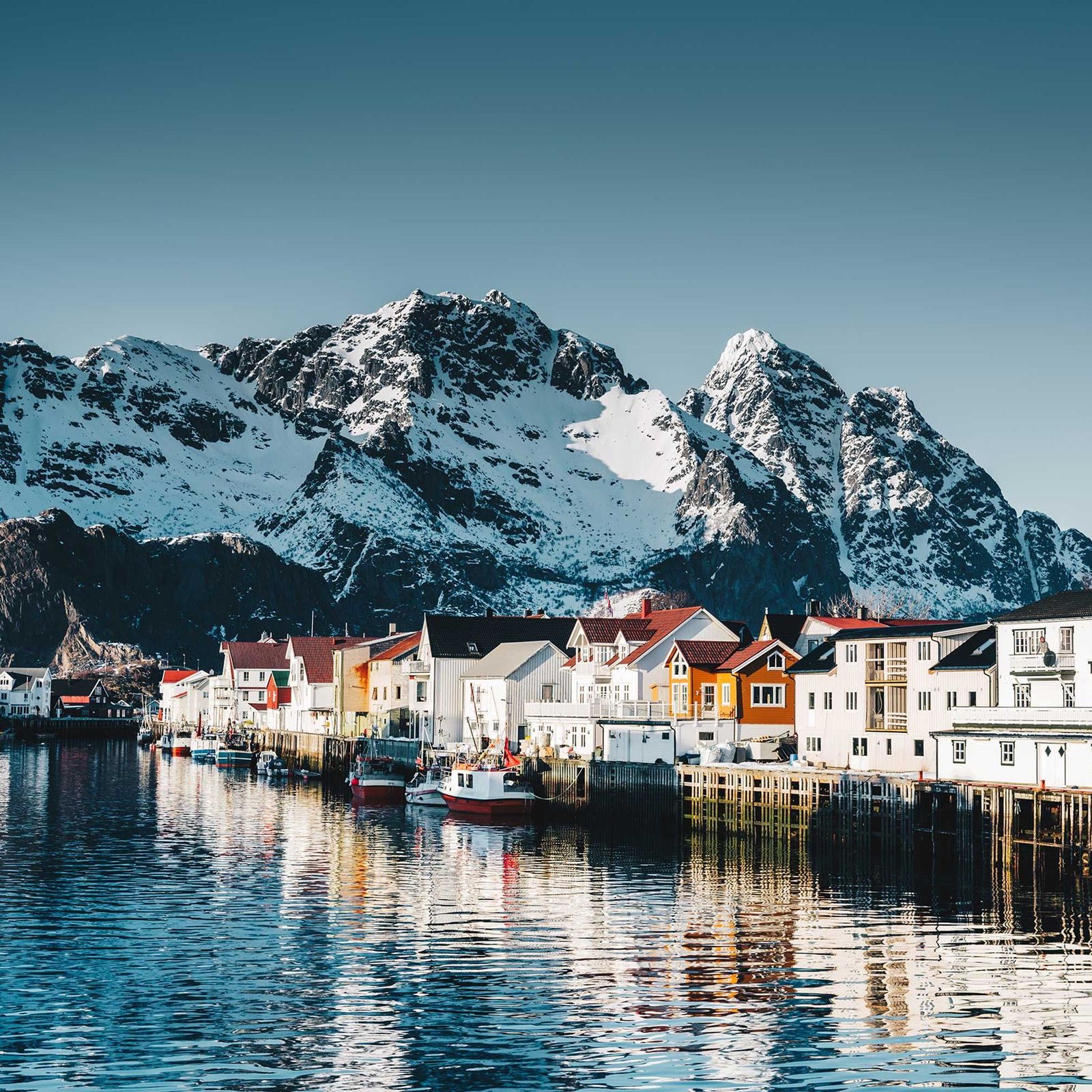
Where Europeans go when they want something different is increasingly becoming a question of geography rather than distance. The answer is not always another famous capital or another Mediterranean resort.
Across Europe, travellers are showing more interest in places that feel less predictable, from the mountains of the Balkans to the Caucasus and the volcanic islands of the Atlantic. The shift is not about abandoning Europe’s classic destinations. It is about looking beyond them.
The European Travel Commission reported in 2025 that more than half of European travellers were seeking less popular or off-the-beaten-path destinations for their next trip. Its research also found that 35 percent planned to choose less common locations within the country they visited, while another 13 percent intended to explore genuinely off-the-beaten-path places.
That matters because Europe’s tourism map has long been dominated by a relatively familiar group of names. Paris, Rome, Barcelona, Athens, Venice and the major coastal resorts remain powerful draws, and there is little evidence that their appeal is disappearing. European tourism demand remained strong in 2025, with international arrivals across the continent increasing by 3.2 percent and overnight stays by 3.1 percent, according to the European Travel Commission. At the same time, Northern and Central and Eastern European destinations recorded some of the strongest percentage growth.
The more interesting story, then, is not that travellers have stopped going to the places everyone knows. It is that some are becoming less satisfied with seeing only the places everyone knows.
Albania is one of the clearest examples. The country has become increasingly visible on Europe’s travel map while still offering a different experience from the established Mediterranean circuit.
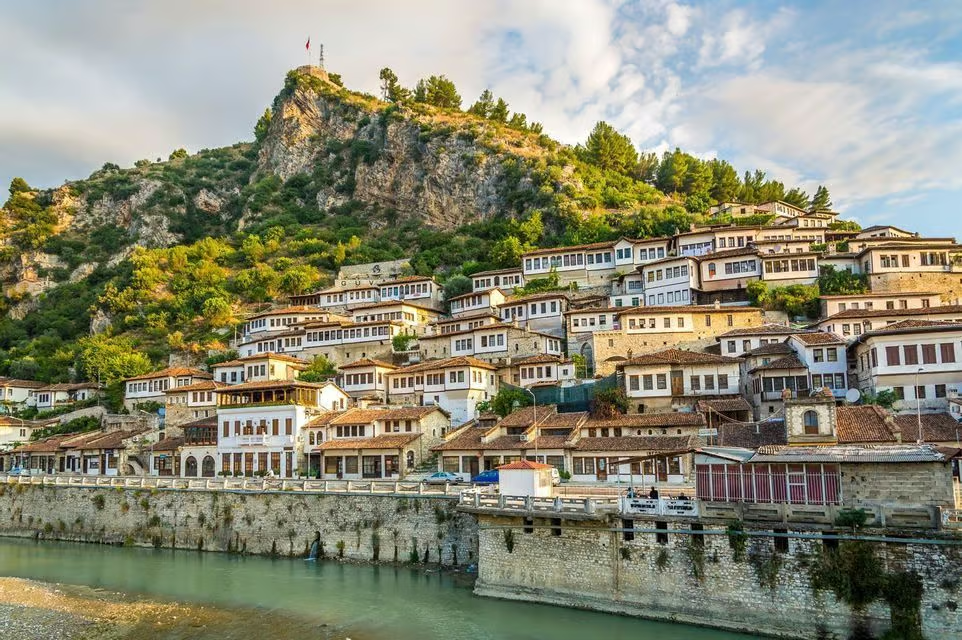
Its coastline has beaches and clear water, but the appeal extends inland, where mountain landscapes, historic towns and rural communities offer a different side of the country. Official Albanian statistics show that foreign arrivals remain a significant and closely monitored part of the country’s tourism economy, with monthly visitor data continuing to be published throughout 2026.
For travellers who have already spent summers moving between Greece, Spain and Italy, Albania can feel like a change without requiring a journey to another continent. That distinction is important. Much of the current search for something different is still happening within Europe. Travellers want unfamiliar experiences, but they also want destinations that remain practical to reach.
Bosnia and Herzegovina fits that space particularly well.
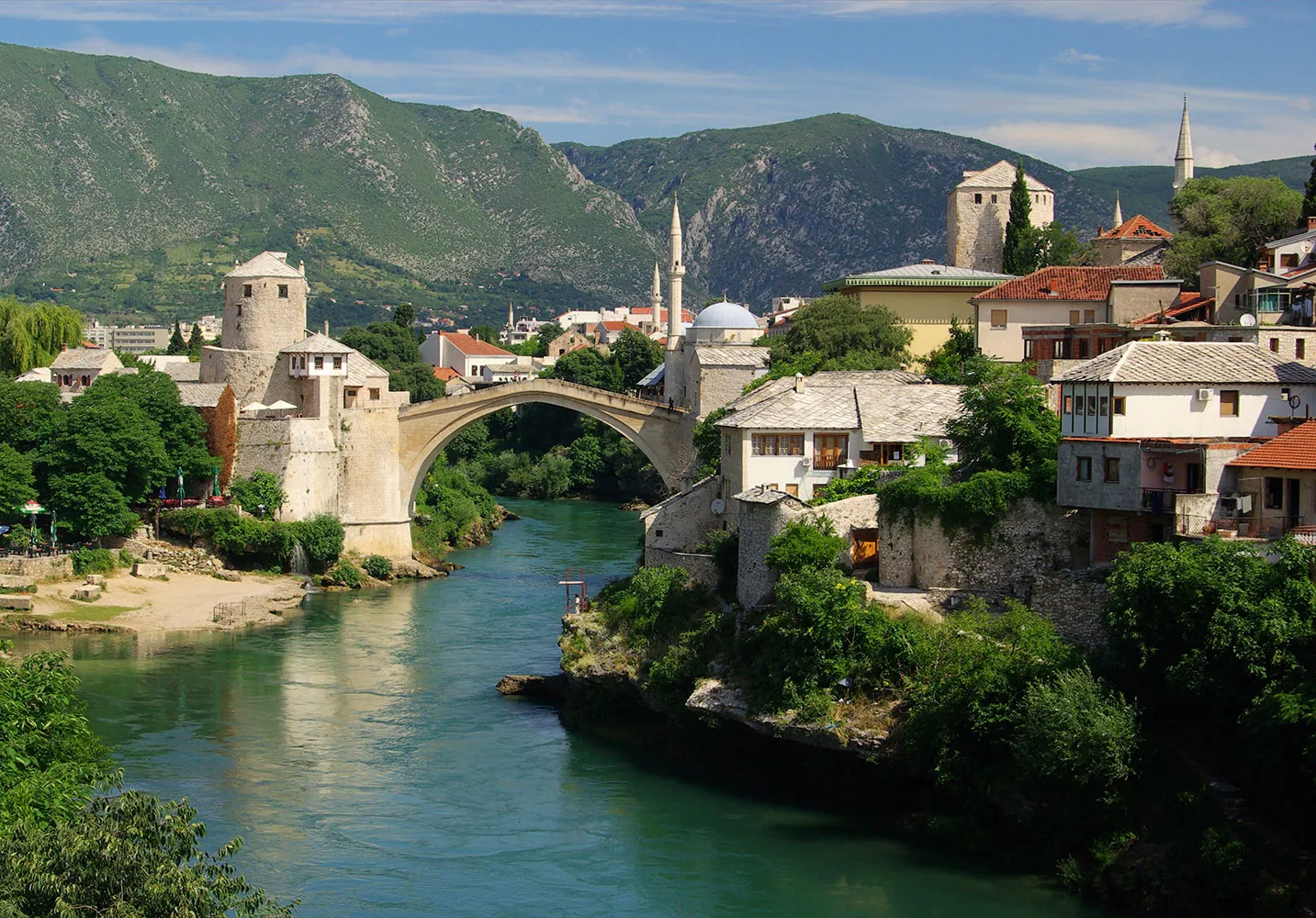
Sarajevo offers Ottoman, Austro-Hungarian and Yugoslav layers within the same city, while outside the capital the landscape changes quickly into mountains, rivers, waterfalls and smaller historic communities. It is not an unknown country, but it remains less established in mainstream European holiday culture than the destinations that dominate summer travel.
The same applies, in a different way, to Slovenia. The country is hardly undiscovered, and Lake Bled has become one of Europe’s most photographed landscapes.
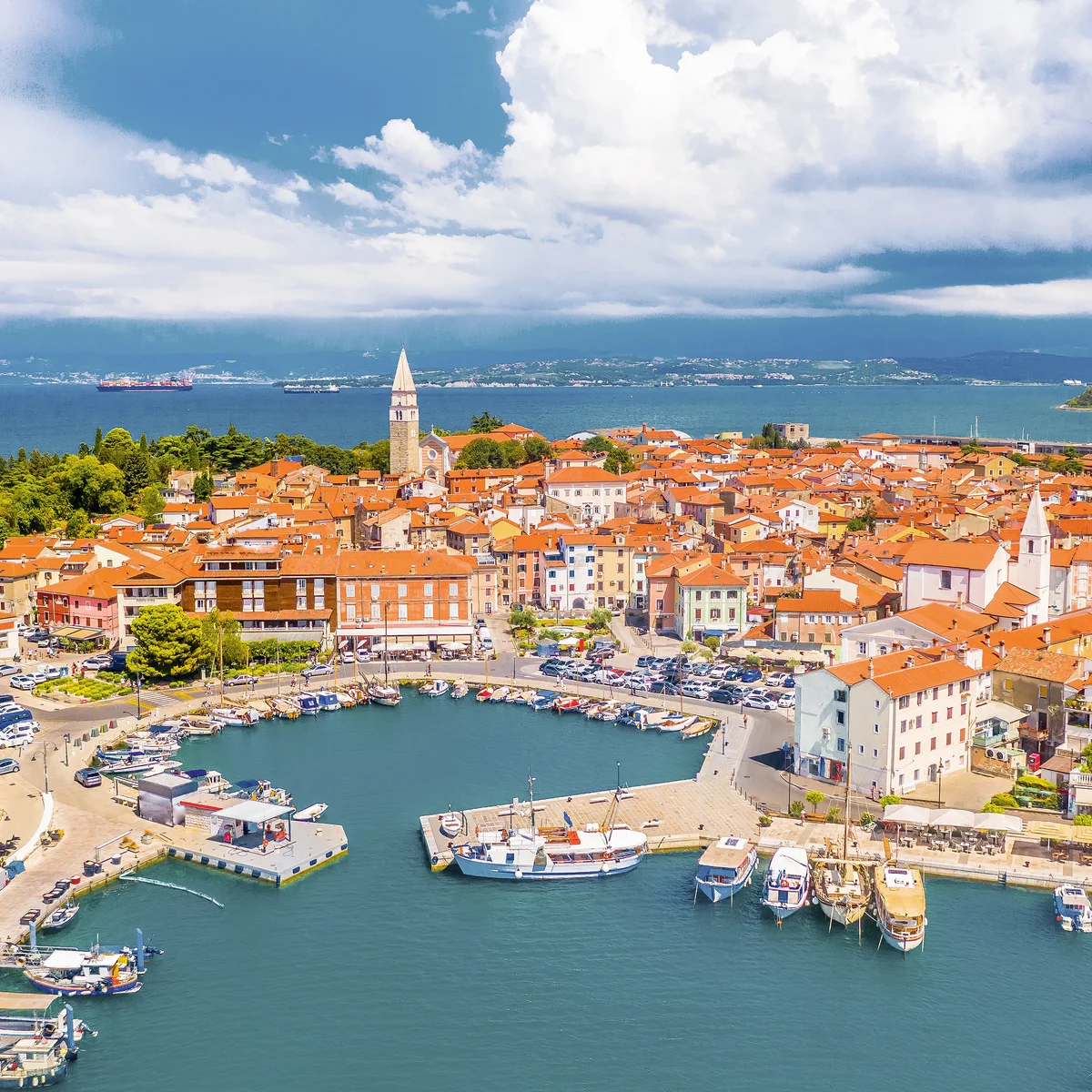
Yet Slovenia’s appeal goes beyond that single image. Ljubljana is compact, the Julian Alps provide a dramatic natural setting, and the country’s scale makes it possible to combine urban travel, hiking, lakes and rural areas without spending days moving between regions.
That combination helps explain why “different” does not necessarily mean remote. A destination can be well connected, safe and comfortable while still giving travellers a sense that they have stepped outside the standard European holiday route.
Then there is Georgia, which has become one of the most significant examples of Europe’s widening travel horizon.
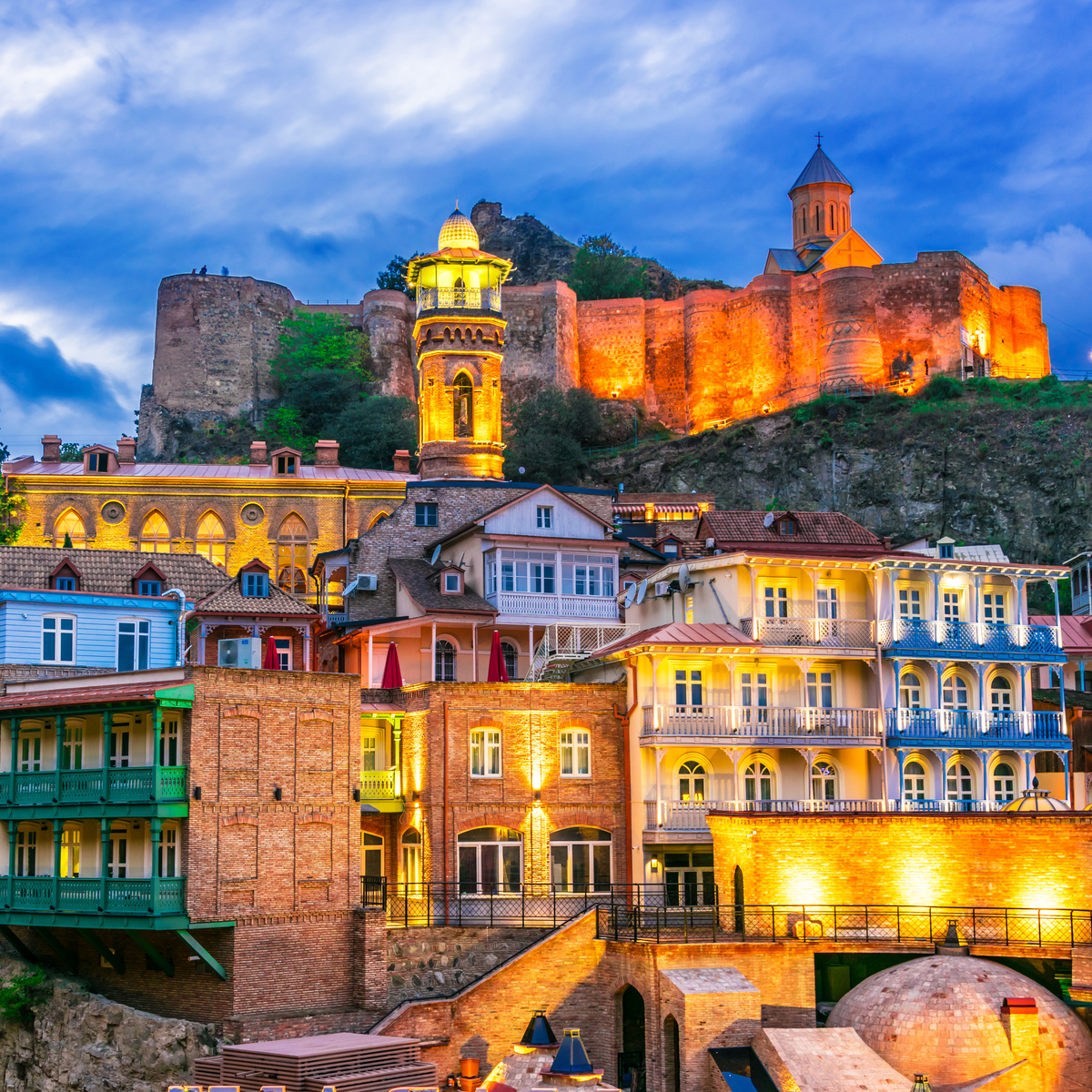
The country sits at the intersection of Europe and Asia and offers something few conventional beach destinations can replicate: a mixture of Caucasus mountain landscapes, ancient cultural traditions, distinctive food and wine culture, and a capital that feels markedly different from the European cities most travellers already know.
The numbers show that Georgia’s international tourism industry is no longer marginal. The country recorded 5,521,866 international tourist visits in 2025, an increase of 8.4 percent from the previous year. Visits from European Union countries and the United Kingdom reached 499,890, up 14 percent. In the first half of 2026, Georgia recorded another record for visitors from the EU and UK, with 249,201 visits, 23.4 percent higher than in the same period of 2025.
Georgia is therefore an interesting contradiction. It can still feel like a discovery to a first-time visitor, but it is no longer a secret. Its growing popularity shows that the desire for different experiences can itself create new mainstream destinations.
Further west, the Azores offer another interpretation of the same idea. The Portuguese archipelago is volcanic, green and heavily shaped by the Atlantic.
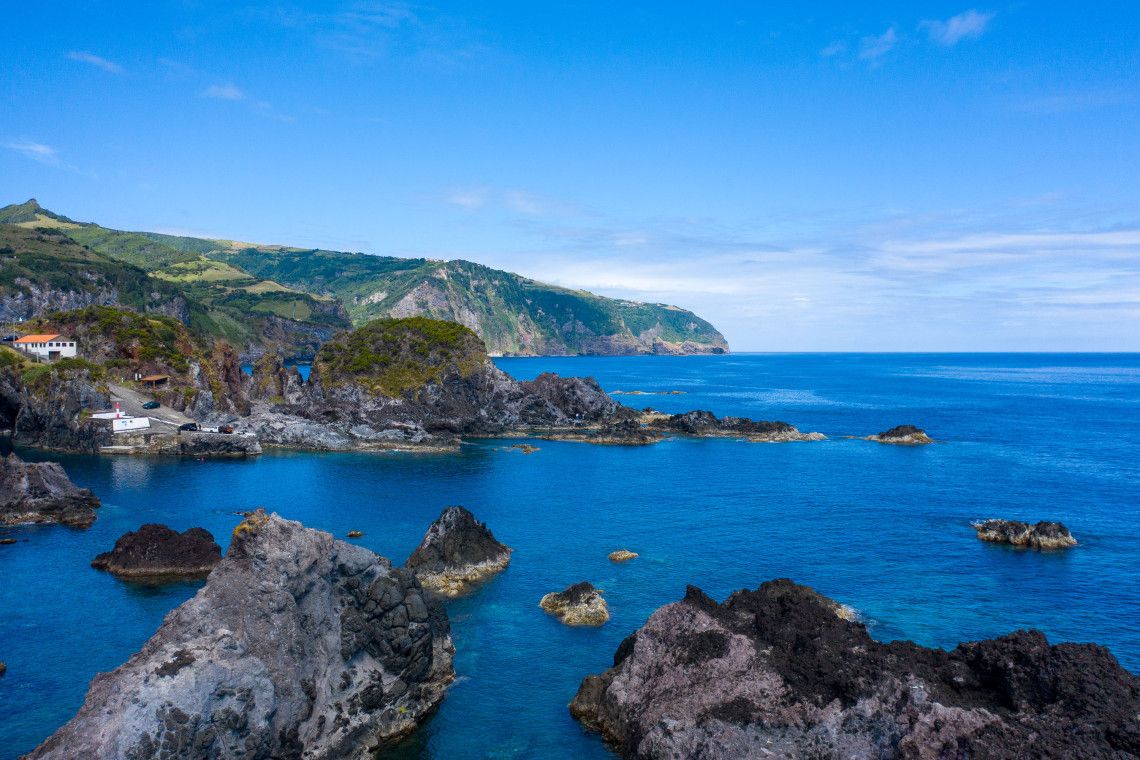
It is not simply a warmer alternative to a European city break. The landscape encourages a different kind of travel, built around nature, walking, coastlines, volcanic terrain and time outdoors.
Tourism statistics from the Autonomous Region of the Azores recorded about 1.4 million guests in 2025, with foreign visitors accounting for 63.5 percent of the total and increasing by 5.9 percent compared with 2024. Average stays also rose slightly, reaching 3.30 nights across all accommodation types.
The Azores illustrate another important part of the changing European travel picture. Travellers looking for something different do not necessarily want to spend their holiday in a place where nobody else goes. They may simply want a landscape, pace or atmosphere that is different from what they encounter at home.
That helps explain the continued interest in destinations such as Montenegro, Bulgaria, Romania and the Baltic states. Each offers a different proposition, and none should be reduced to the idea of being a “hidden gem”. That phrase has become so widely used in travel marketing that it often says very little.
The better question is what makes a place feel different.
Sometimes it is architecture. Sometimes it is food. Sometimes it is the landscape or the pace of daily life. In other cases, it is simply the absence of the familiar tourist routine. A traveller who has spent years taking city breaks in Western Europe may find a completely different experience in Sarajevo. Someone accustomed to resort holidays may prefer the volcanic landscapes of the Azores. Another traveller may choose Georgia because the combination of mountains, food, history and hospitality offers a cultural experience that is difficult to reproduce elsewhere.
There is also a practical reason for this movement. European travellers are not necessarily looking to travel farther. The European Travel Commission found that intra-European travel remained a major part of demand in 2025, with short and mid-haul arrivals increasing by 5 percent year on year. The same report found that Europeans were often taking slightly fewer holidays but staying longer, with seven to twelve night trips becoming more common.
That changes the way destinations compete. A city does not have to promise the biggest landmark or the busiest nightlife. A region can compete on the quality of an experience, the ability to slow down, the ease of combining several types of travel, or the sense of being somewhere that has not yet become completely familiar.
This is particularly relevant for smaller destinations trying to attract European visitors. The opportunity is not necessarily to imitate Paris, Barcelona or the Greek islands. It may be to protect the characteristics that make a place distinct before tourism turns them into another standardised product.
There is a warning here as well. Once a destination becomes known as the place to go when you want to escape the crowds, it can eventually become crowded itself. Tourism has a way of moving in circles. Today’s alternative destination can become tomorrow’s heavily promoted hotspot.
That is already visible in parts of the Balkans, where rising international interest is putting new pressure on infrastructure and local communities. It is also why the idea of “undiscovered Europe” needs to be treated carefully. Most places are not undiscovered by the people who live there. They may simply be less visible to international tourists.
For travellers, that distinction matters. The most rewarding trip is not necessarily the one to the least visited country. It can be the one that allows more time to understand where you are, rather than moving quickly through a checklist of attractions.
Europe still has its famous destinations, and they are famous for reasons that will not disappear. But the continent is large enough to offer another kind of travel alongside them. A journey through Albania, a few days in Sarajevo, a road trip through Slovenia, a longer stay in the Azores or a first encounter with Georgia can feel different without requiring an extreme expedition.
That may be the real change taking place in European travel. The search for something different is becoming less about finding a place nobody has heard of and more about finding a place that still gives the traveller something to discover.
The next generation of European travel may therefore belong not only to the destinations with the biggest landmarks, but also to the places that can offer a stronger sense of place. For travellers tired of repeating the same holiday, that is where Europe becomes interesting again.