Slow travel in Finland is less about seeing fewer places than about changing the way a journey is experienced. A country of forests, lakes, long distances and relatively small cities has developed a travel culture in which nature is not simply something to pass through, but part of the reason to stay.
That idea matters beyond Finland. Across Europe, tourism has become increasingly concentrated around a familiar collection of cities and attractions. Visitors arrive in Barcelona, Paris, Rome, Amsterdam or Prague with tight schedules, moving between landmarks and transport connections in an effort to fit as much as possible into a few days. The result can be a holiday that covers a great deal of ground while leaving little time to understand where the traveller actually is.
Finland offers a different rhythm.
The country does not need to compete by packing more attractions into a smaller area. Its appeal often comes from the space between them. A train journey through the Finnish countryside, an afternoon beside a lake, a walk through a forest outside a city or an evening in a small town can become part of the experience rather than dead time between major sights.
That is an important distinction in the debate around slow travel. Slow travel is sometimes presented simply as travelling less frequently or staying longer. In practice, it is about giving greater value to the journey itself and allowing a destination to be experienced at a pace that leaves room for observation.
Finland is particularly suited to that approach because of its relationship with nature. Forests cover a large share of the country, lakes are deeply woven into the landscape and access to outdoor spaces is often possible without travelling far from populated areas. Nature is not necessarily a special excursion reserved for tourists. For many people living in Finland, it is part of ordinary life.
That changes the experience for visitors.
A traveller does not always need an ambitious itinerary to find something distinctive. A simple walk, a public sauna, time by the water or an overnight stay away from the largest cities can reveal more about Finland than a hurried attempt to collect every famous attraction.
The Finnish capital, Helsinki, illustrates the point. It is a compact European city with museums, architecture, restaurants, markets and a strong design identity, but it is also closely connected to the sea and to islands and green spaces. A visitor can spend the morning exploring the city and still find a quieter environment without making a major journey.
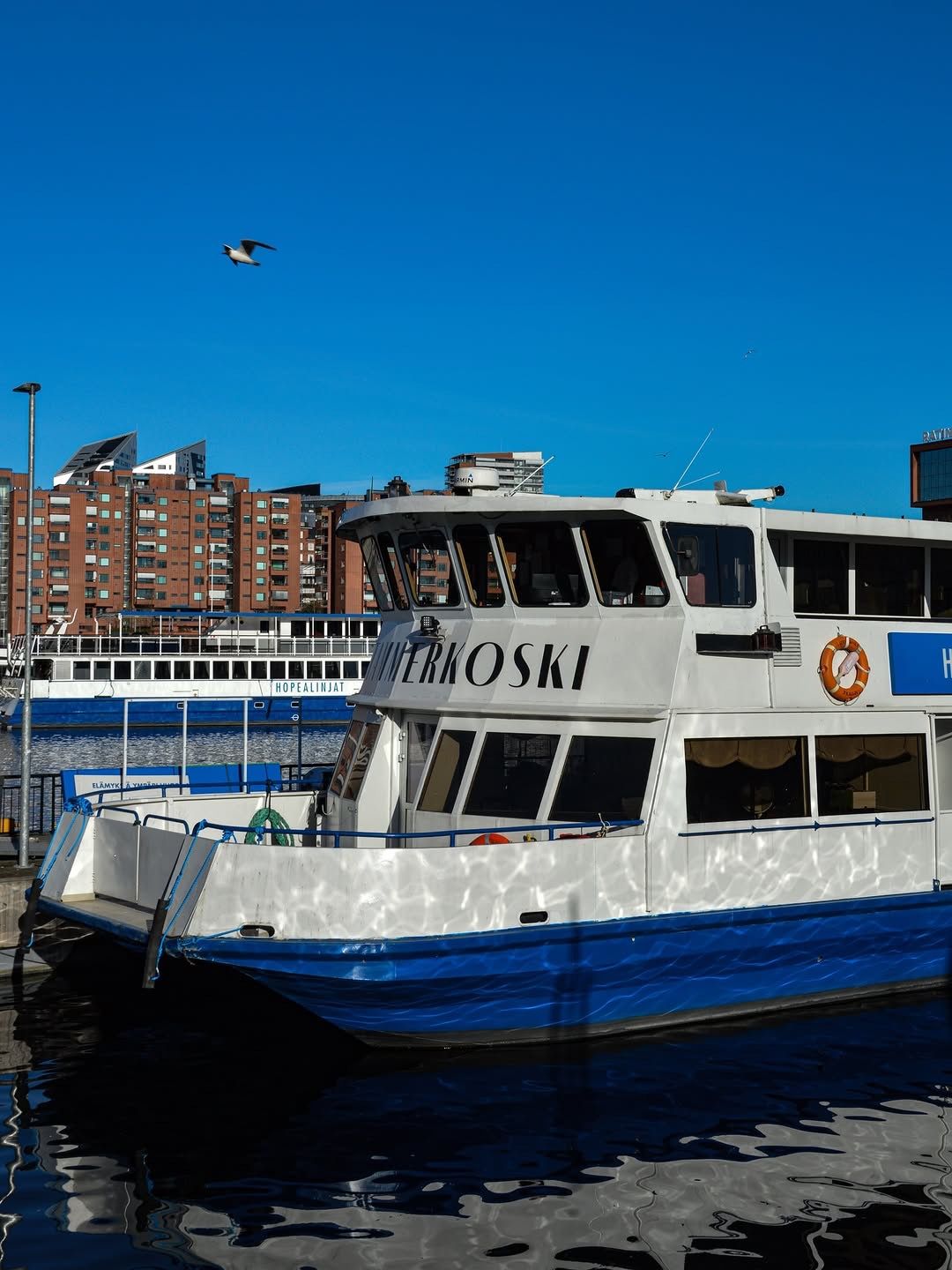
That combination is increasingly relevant to European tourism destinations facing pressure from high visitor numbers. The answer to overcrowding is not always to persuade travellers to visit somewhere completely different. Sometimes it is to encourage them to stay longer, spread their spending across a wider area and look beyond the most photographed attractions.
Finland’s smaller cities and regions have a role to play here. Places such as Tampere, Turku, Oulu and Lahti offer experiences that are different from Helsinki without requiring visitors to abandon urban travel altogether. The value is not necessarily in competing with the capital for the same tourist, but in giving travellers a reason to remain in the country for longer.
Lahti, for example, can be experienced through its relationship with lakes, forests, outdoor recreation and its position within southern Finland. For a traveller interested in understanding everyday Finnish life rather than simply collecting major sights, such places can offer a more revealing experience.
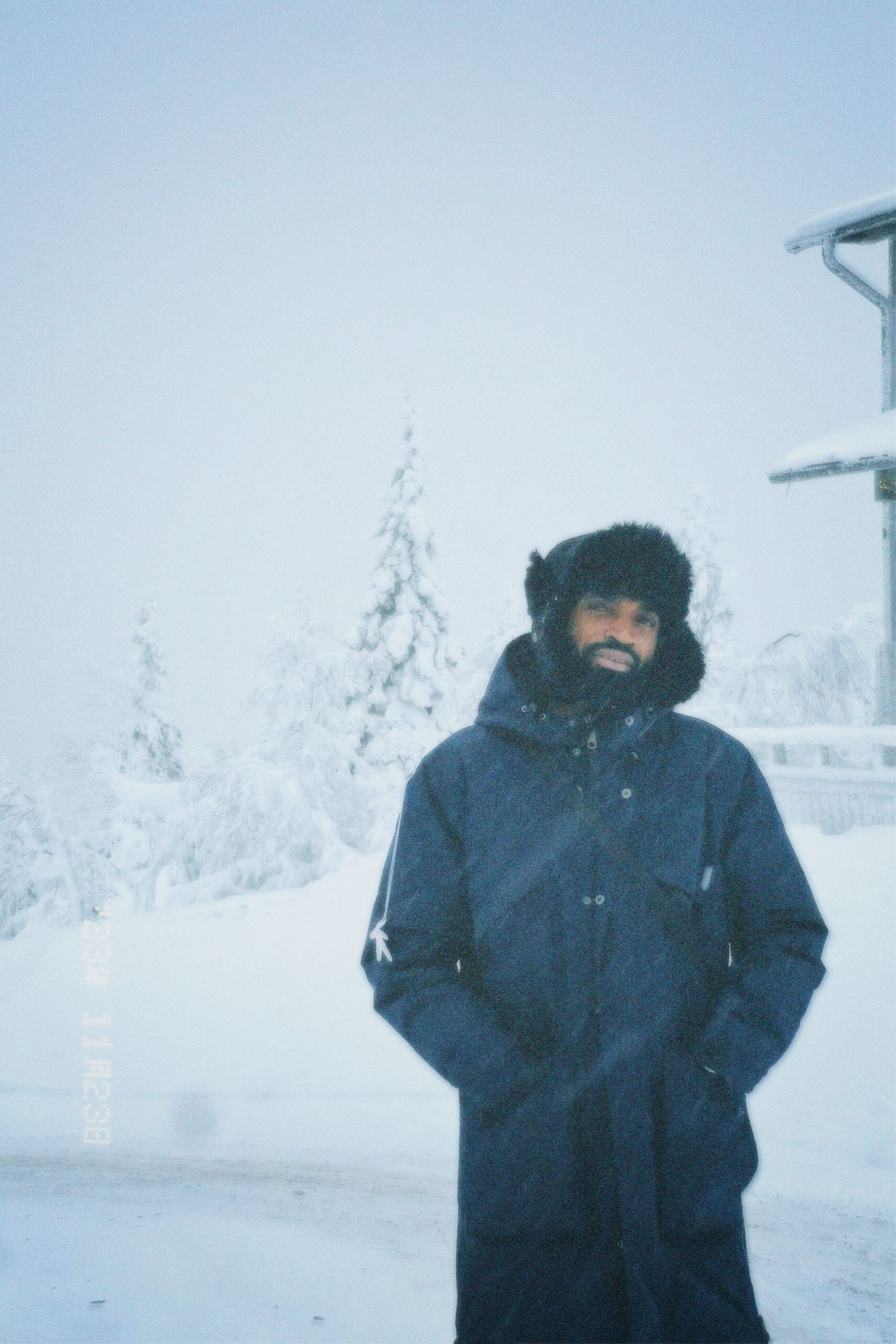
The same principle applies farther north. Lapland has become internationally associated with winter, snow, reindeer and the Northern Lights, but slow travel asks visitors to look beyond the checklist. The landscape changes considerably through the seasons, and the experience of being there does not have to depend on chasing one particular phenomenon.
This is where Finland can offer Europe a useful lesson. A destination does not always need to create more attractions to become more attractive. It can sometimes make better use of what already exists.
That requires a different understanding of tourism infrastructure. Roads, railways, accommodation and local services still matter, but so does the ability to connect visitors with communities and landscapes without turning every experience into a tightly managed tourist product.
Slow travel also has an economic dimension. When visitors stay for several nights instead of passing through quickly, they have more opportunities to spend money on accommodation, food, transport, local activities and services. Their spending can reach places outside the most concentrated tourist centres.
For European destinations dealing with seasonal tourism, this can be particularly significant. Encouraging longer stays and travel outside peak periods may help distribute demand more evenly, although the results depend heavily on local infrastructure and the type of destination involved.
Finland’s geography makes this approach relatively natural, but it also presents challenges. Distances can be considerable, public transport is not equally convenient everywhere and remote destinations cannot simply absorb unlimited visitor numbers. Slow travel is not automatically sustainable just because it is slower.
That distinction matters. A visitor who spends a week in one remote location but arrives by a series of resource-intensive connections is not necessarily travelling more sustainably than someone who takes an efficient connection and explores several nearby places. Sustainability depends on transport, accommodation, consumption, infrastructure and the capacity of destinations, not simply on the number of days spent travelling.
Still, the Finnish model points towards a broader idea that Europe could explore: tourism does not always have to be built around acceleration.
For decades, European tourism has benefited from the ease of moving between countries. High-speed rail, low-cost flights and extensive road networks have made weekend trips and multi-city itineraries possible on a scale that earlier generations could hardly imagine. That mobility remains one of Europe’s strengths.
But convenience has also changed expectations. When a traveller can visit three countries in a week, staying in one place for several days can begin to feel inefficient. Slow travel challenges that assumption. It asks whether efficiency is actually the best measure of a holiday.
The answer will differ from traveller to traveller. Some people want museums, nightlife and major landmarks. Others want hiking, food, local conversations or the simple pleasure of having nowhere else to be. The point is not to replace one form of tourism with another.
Finland’s contribution is to demonstrate that quietness itself can be a destination experience.
There is something particularly striking about this in a European tourism market where destinations increasingly compete for attention through spectacular imagery. Finland has plenty of landscapes that photograph beautifully, but the strongest experiences are not always the easiest to capture in a single image. Sitting beside a lake for an hour, walking through a forest without a timetable or taking a train through changing countryside may not produce the same instant impact as a famous monument. It can, however, create a stronger sense of place.
For tourism boards, that distinction is worth considering. Promoting lesser-known destinations should not mean simply giving them a new slogan. Travellers need practical reasons to go, clear transport information, credible accommodation options and experiences that feel connected to the place rather than imported for visitors.
For travellers, the lesson is simpler.
A trip does not have to be measured by how many places appear in a camera roll. Sometimes the most memorable part of a journey is the hour that was not planned, the small town that was not on the original itinerary, the train ride that became an unexpected highlight or the landscape that demanded nothing from the visitor except time.
Finland cannot provide a universal formula for European tourism. Its geography, population, climate and culture are distinctive. What works in Finland cannot simply be copied onto a crowded Mediterranean island or a historic European capital.
But the principle behind the Finnish approach travels well.
Europe already has many of the ingredients needed for slower tourism: extensive rail networks, walkable cities, rural communities, national parks, lakes, coastlines, historic towns and landscapes that exist beyond the major tourist routes. The challenge is not necessarily creating more places to visit. It is giving travellers better reasons to stop, stay and pay attention.
Finland’s lesson is therefore not that Europe should travel exactly as Finland does. It is that tourism becomes richer when movement is not the only measure of discovery.
In a continent where crossing a border can take less time than finishing breakfast, choosing to stay put can be surprisingly radical. Sometimes seeing more of Europe begins by moving through it less quickly.