European cities are rebuilding their tourism identities around a simple idea: visitors should experience more than the postcard version of a place.
For decades, city tourism was built around a familiar formula. A historic centre, a handful of famous landmarks, a museum or two, a food market and a long list of attractions were packaged into an easily recognisable image and sold to international travellers. The model worked, but it also created a problem. When every city competes for attention with the same language of “must-see” sights and “hidden gems”, places begin to look remarkably similar.
Across Europe, some cities are now trying something more ambitious. They are not necessarily abandoning their famous landmarks. Instead, they are changing the story around them, putting neighbourhoods, local life, sustainability, culture and the character of residents closer to the centre of the visitor experience.
The shift is visible in cities as different as Amsterdam, Tallinn, Rotterdam, Glasgow and Copenhagen. Their approaches are not identical, and none has solved the difficult balance between tourism and everyday urban life. But together they show how European destinations are beginning to treat tourism identity as something that has to be built from the character of a city rather than simply advertised to the outside world.
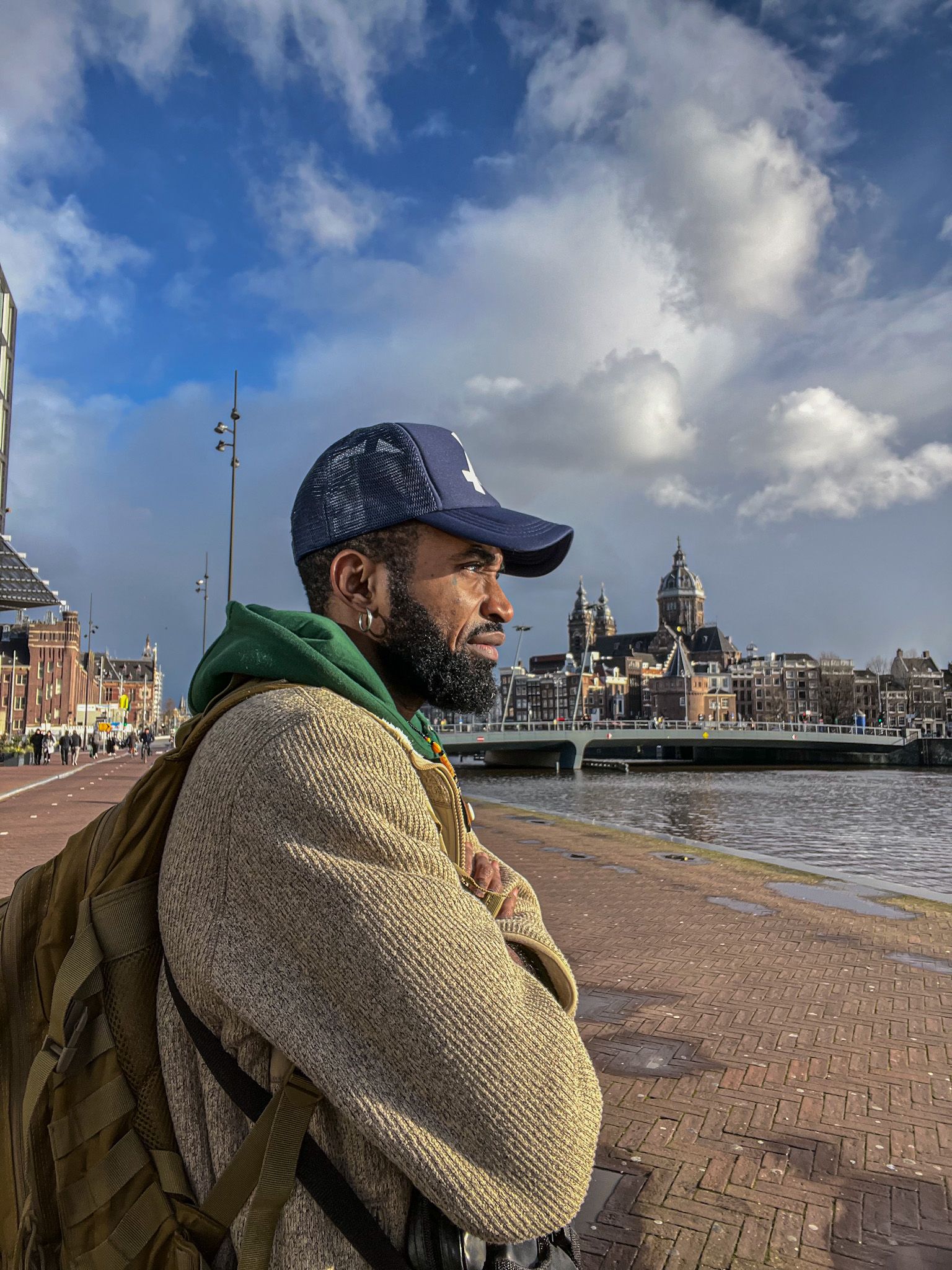
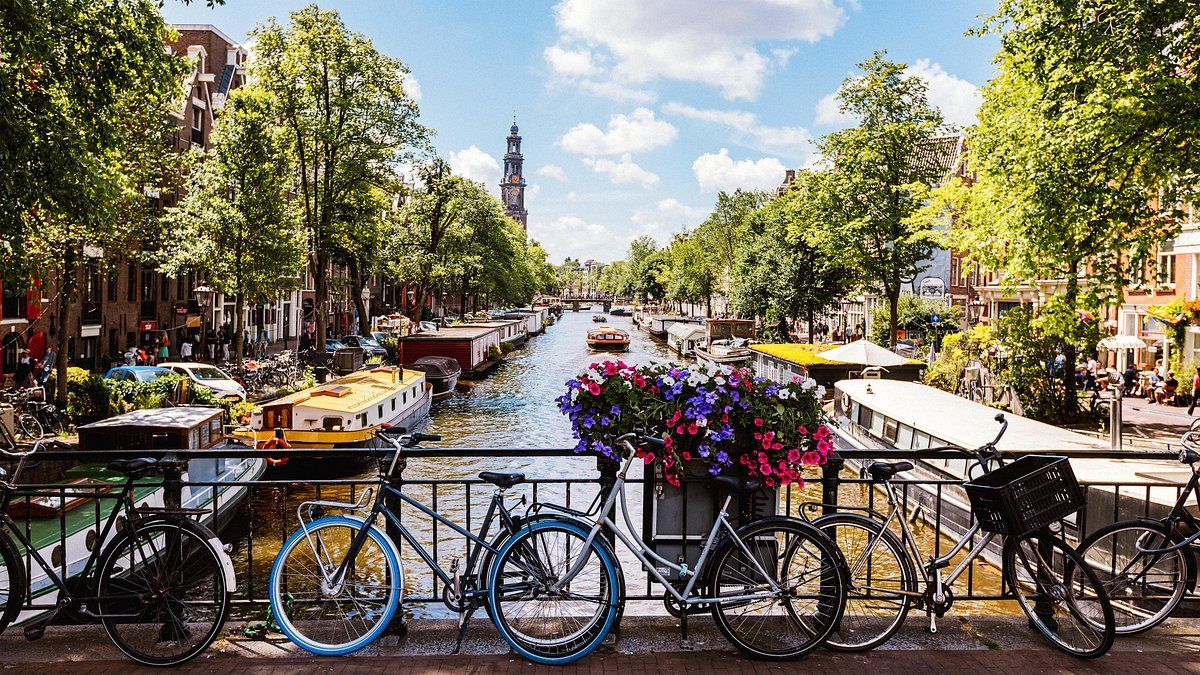
Amsterdam offers one of the clearest examples of this change. The city has long been one of Europe’s most recognisable tourist destinations, with its canals, museums and historic centre forming an image that has travelled far beyond the Netherlands. But Amsterdam and its tourism organisation have increasingly focused on the quality and behaviour of visitors rather than simply attracting more of them.
The city’s current approach describes the goal as creating a healthier visitor economy that enriches the city, its surroundings and residents without damaging quality of life. Its “Renew your view on Amsterdam” campaign, launched in 2023, was explicitly designed to encourage more conscious visits and attract a different type of visitor rather than simply increase visitor numbers.
That represents an important change in the language of tourism. The visitor is no longer being presented only as a consumer moving between attractions. The city is trying to influence how that visitor behaves and what kind of relationship they have with the place.
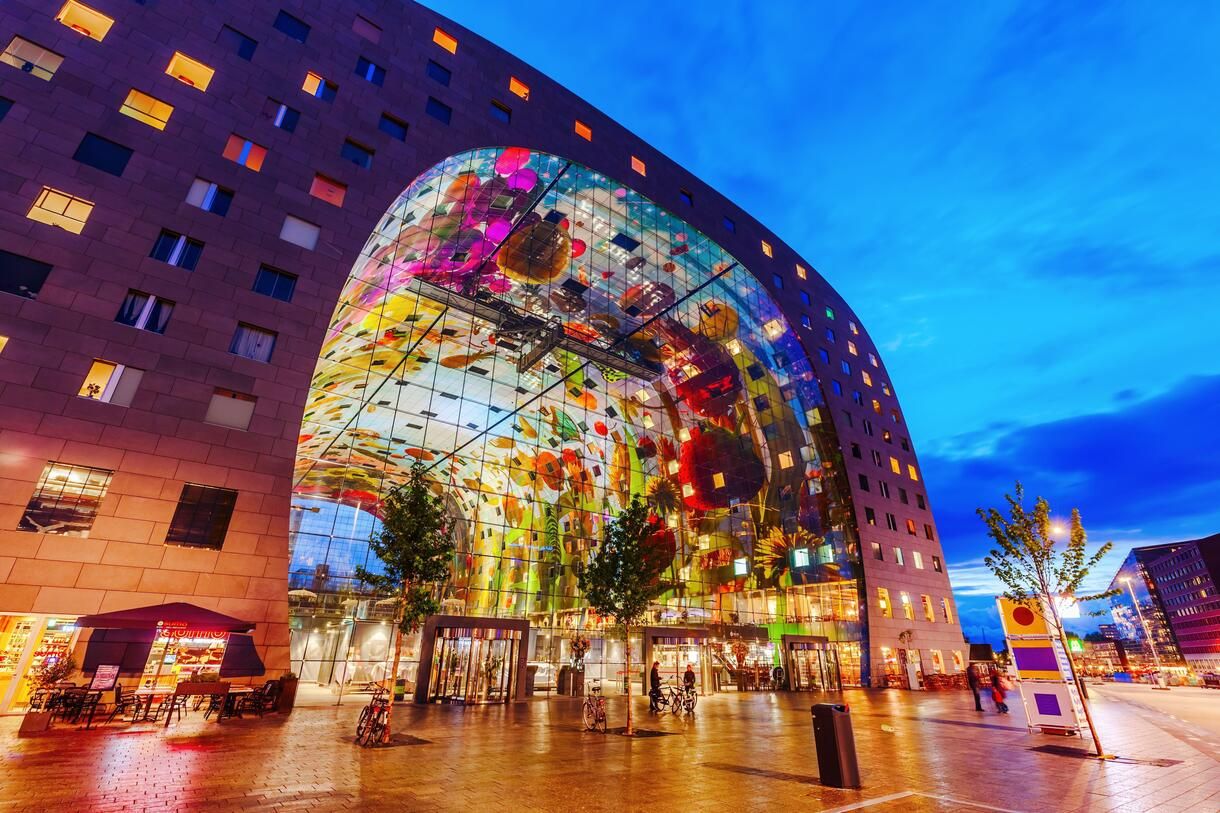
Rotterdam has taken an even more distinctive route. The Dutch port city has spent years building an identity around architecture, innovation, diversity and a sense of being different from the more traditional image of the Netherlands. Its tourism strategy goes further by questioning the idea of the tourist itself.
Rotterdam Partners says the city adopted the term “do-rists” to describe the type of visitor it wants to attract: people who actively experience the city rather than simply consume it. The approach grew from an international advisory process that helped inform Rotterdam’s tourism vision, which treats tourism as a means of supporting the city’s wider ambitions rather than an objective in itself.
That distinction matters. Rotterdam is not trying to hide the fact that it is a tourist destination. It is trying to make tourism fit the city’s personality.
The result is a tourism identity that leans heavily on the things that make Rotterdam recognisable: its post-war architecture, port, creative culture, diverse population and neighbourhoods. The official destination organisation describes Rotterdam as an unconventional, entrepreneurial city with an international outlook and an “unpolished charm”.
The strategy also reflects a broader movement in European tourism: the rise of the neighbourhood.
For years, international city marketing concentrated visitors in the same central districts. That made sense commercially because the major museums, monuments, restaurants and hotels were already there. But it also meant that millions of visitors could experience a city without seeing much of the city in which people actually lived.
Rotterdam is increasingly promoting districts beyond the traditional centre, including areas such as Rotterdam-Zuid. Its tourism material presents these neighbourhoods not simply as places with attractions, but as parts of the city’s social and cultural identity.
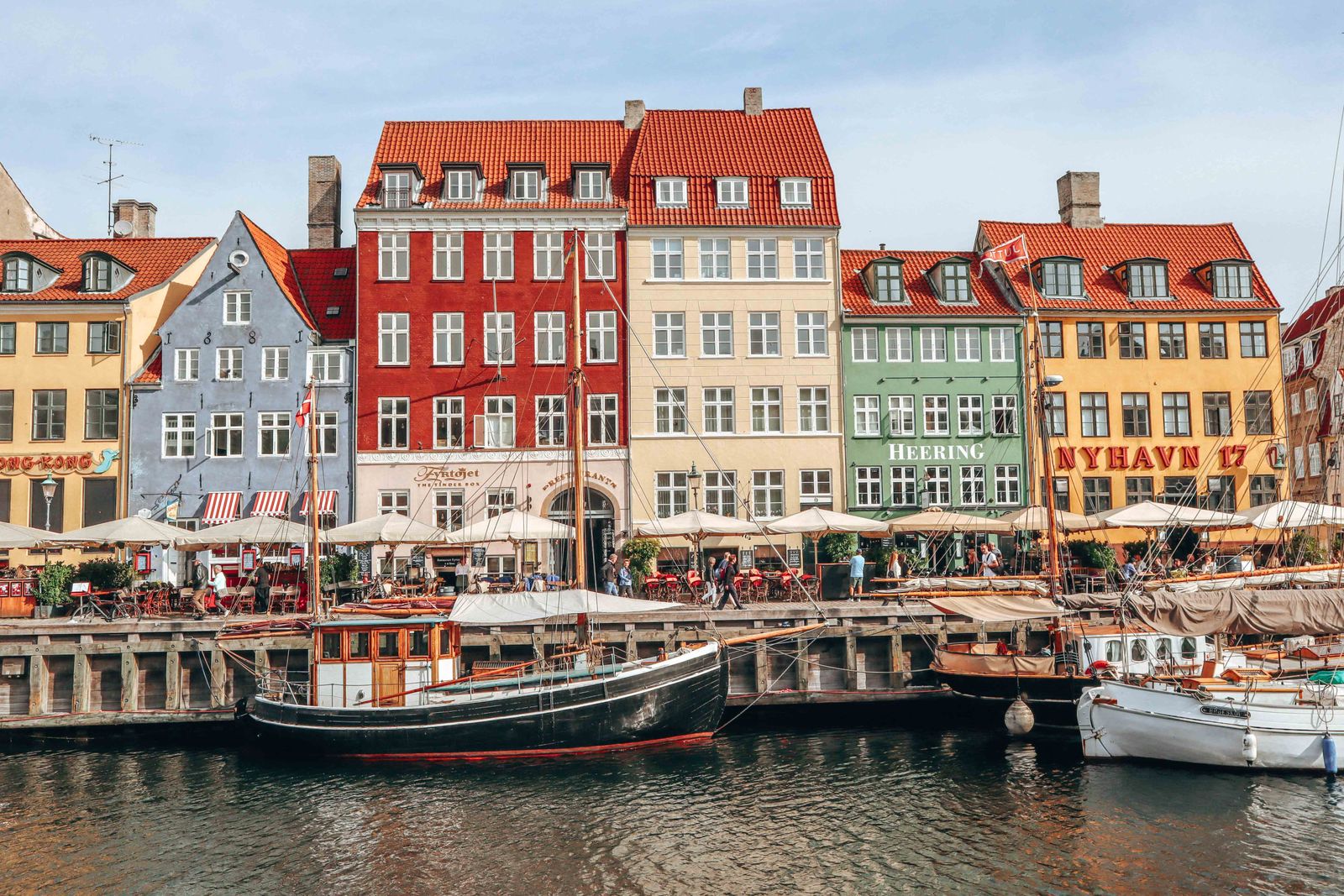
Copenhagen has been following a related path. Its tourism organisation increasingly presents the city through everyday life, neighbourhoods, food, design, cycling and local culture rather than relying only on its most recognisable sights. Its current editorial strategy places emphasis on spreading tourism across seasons and geographical areas while encouraging more sustainable behaviour.
Even its visitor content reflects that thinking. A recent 36-hour itinerary deliberately moves beyond the standard highlights and concentrates on neighbourhood streets, cultural venues, bakeries, markets and public spaces, offering visitors a closer look at everyday Copenhagen.
This is more than a change in marketing language. It reflects a growing understanding that a city’s tourism brand cannot be separated completely from the city itself.
A destination can advertise authenticity, but if the visitor experience is built almost entirely around commercial attractions designed for visitors, the promise becomes difficult to sustain. The most convincing tourism identities are increasingly those where the experience being sold is also part of ordinary urban life.
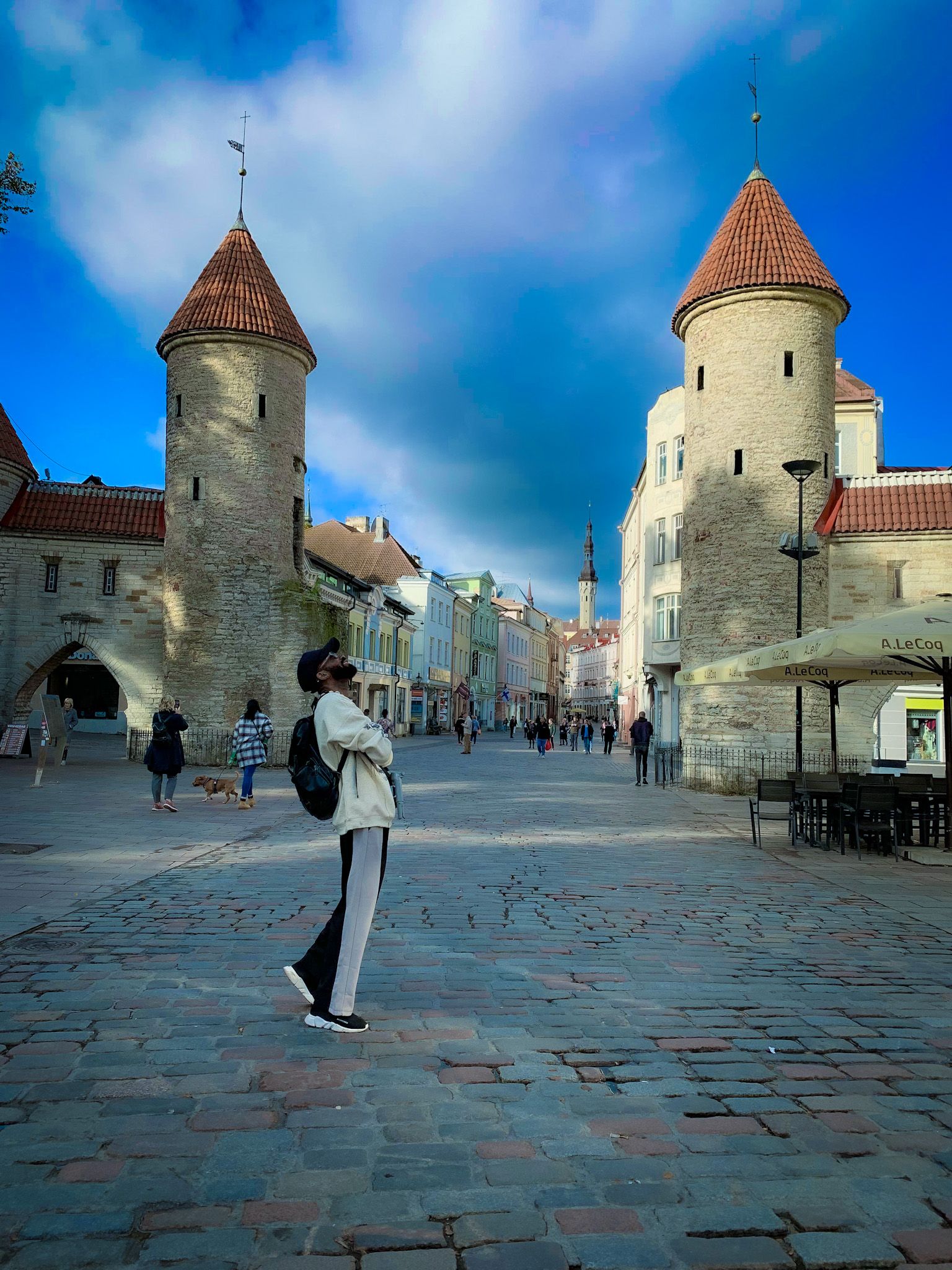
Tallinn provides another example, although its approach places particular emphasis on sustainability and the meeting of old and new.
The Estonian capital has traditionally benefited from the strength of its medieval Old Town. That heritage remains central to its tourism identity, but Tallinn’s current positioning is broader. Visit Tallinn describes the city’s core proposition as a combination of medieval charm and modern innovation, linking its historic environment with contemporary culture, technology and its identity as part of Estonia’s digital society.
Its long-term tourism strategy is built around the wider “Tallinn 2035” vision of a green and global city. The strategy aims to spread tourism across different parts of the city and throughout the year, while ensuring that tourism creates value for local communities and does not simply increase visitor numbers.
Tallinn’s tourism authorities also explicitly describe sustainability as a balance between environmental, social and economic considerations, with local residents treated as part of the equation rather than an afterthought.
That is significant because sustainability in European tourism is gradually moving beyond the old idea of simply asking travellers to recycle or use public transport. Increasingly, the question is whether tourism itself fits the long-term life of the destination.
Glasgow is taking a similarly broad view.
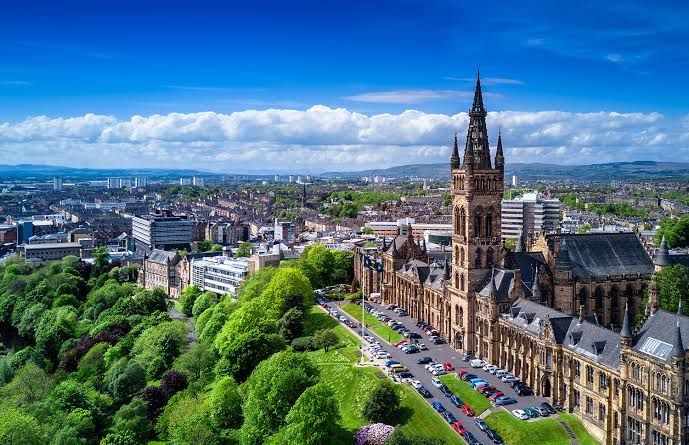
The Scottish city has spent years moving beyond the industrial image that once dominated perceptions of it. Its current tourism strategy places emphasis on experiences, the value tourism creates for local people, vibrant places across the city and surrounding region, and a tourism economy that is sustainable and inclusive.
In April 2026, Glasgow launched a new Tourism Action Plan covering 2026 to 2028. The plan focuses on growing tourism in ways intended to benefit visitors, businesses, communities and the environment, while continuing to develop areas such as the city centre, the night-time economy and regenerative tourism.
The language is revealing. The objective is not simply to make Glasgow more attractive to outsiders. It is to make tourism part of the city’s wider economic, cultural and social development.
That may become one of the defining features of European city tourism in the years ahead.
Cities have realised that a tourism brand is difficult to control once it leaves the marketing department. Travellers now arrive with expectations shaped by TikTok, Instagram, YouTube, travel blogs, television, online reviews and conversations with other travellers. A polished slogan can no longer determine how a city is perceived.
People increasingly want to know what a city feels like.
They want to understand where locals spend time, what neighbourhoods are changing, what food people actually eat, how a city deals with its past and what kind of future it is building. The tourism identity therefore becomes less about a logo and more about a collection of experiences that visitors can recognise as genuinely belonging to that place.
This creates an interesting challenge for destinations.
A city cannot simply invent a new identity because a tourism consultant has written one into a strategy document. Successful place branding has to be connected to things that already exist. Rotterdam can build on its architecture and port culture. Tallinn can connect its medieval heritage with its technology-driven present. Glasgow can draw on its cultural life and industrial history. Copenhagen can build on its urban lifestyle and neighbourhood culture.
The marketing becomes more credible because the underlying story is already visible on the streets.
There is also a practical reason for cities to rethink their identities. Europe’s most popular urban destinations are dealing with the consequences of their own success. Crowding, pressure on housing, rising costs, environmental concerns and tensions between visitor activity and local life have made the old “more tourists are always better” model increasingly difficult to defend.
That does not mean European cities are turning away from tourism. Tourism remains an important source of economic activity, employment, cultural exchange and international visibility. Glasgow’s tourism authorities, for example, report that the city’s visitor economy supports more than 37,000 jobs and generates significant visitor expenditure.
The change is in what cities want that tourism to accomplish.
Instead of measuring success only by arrivals, hotel nights or visitor spending, destination organisations are increasingly talking about value, distribution, sustainability, resident benefit and the quality of the experience.
The most interesting part of this shift is that it may also change the way travellers choose European cities.
The traditional European city break was often built around recognition. Paris meant the Eiffel Tower. Rome meant the Colosseum. Barcelona meant Gaudi. Amsterdam meant canals and museums. The attraction was partly the reassurance of seeing something already familiar from photographs.
But as travellers become more experienced and as social media makes famous landmarks almost impossible to encounter for the first time without knowing exactly what they look like, the appeal of a destination can move elsewhere.
The question becomes less “What can I see there?” and more “What is this city like?”
That is a harder question for tourism boards to answer, but potentially a more valuable one.
It requires cities to tell deeper stories about themselves. It also requires them to accept that not every visitor needs to follow the same itinerary. A city can become more distinctive when it stops trying to present itself as a perfectly packaged product and allows its contradictions, neighbourhoods, people and everyday rhythms to become part of the experience.
This does not mean the age of the landmark is over. Visitors will continue to photograph famous buildings, visit major museums and walk through historic squares. The difference is that these places increasingly form only one part of a wider story.
The emerging European tourism identity is less about collecting attractions and more about understanding place.
For cities, that may be the more sustainable competitive advantage. A landmark can be copied, a slogan can be imitated and a marketing campaign can be replaced. A city’s culture, history, streets, communities and personality are much harder to reproduce.
The European cities that are rethinking tourism are therefore not necessarily trying to become completely different places. They are trying to become better at explaining what already makes them different.
And that may be the most important change of all. The future of European city tourism may not belong to the places with the longest list of attractions, but to the cities with the clearest sense of who they are and how visitors can become part of that story without overwhelming it.