How Ghana Can Attract More International Visitors will depend less on persuading people that the country is worth visiting and more on making the decision to visit Ghana easier, clearer and more compelling.
Ghana already has an international tourism base to build on. The country recorded 1,306,962 international tourist arrivals in 2025, up from 1,288,804 in 2024. Tourism revenue from international arrivals was estimated at $4.34 billion in 2025. The growth, however, was modest at 1.4 percent, suggesting that the next stage of Ghana’s tourism story will require more than simply maintaining existing demand.
That distinction matters because international tourism is increasingly competitive. Travelers have more destinations to choose from, airlines constantly adjust routes, and digital platforms have made it easier for relatively unknown places to enter the global travel conversation. Ghana is not starting from zero, but neither can it assume that its reputation will continue to bring visitors without sustained effort.
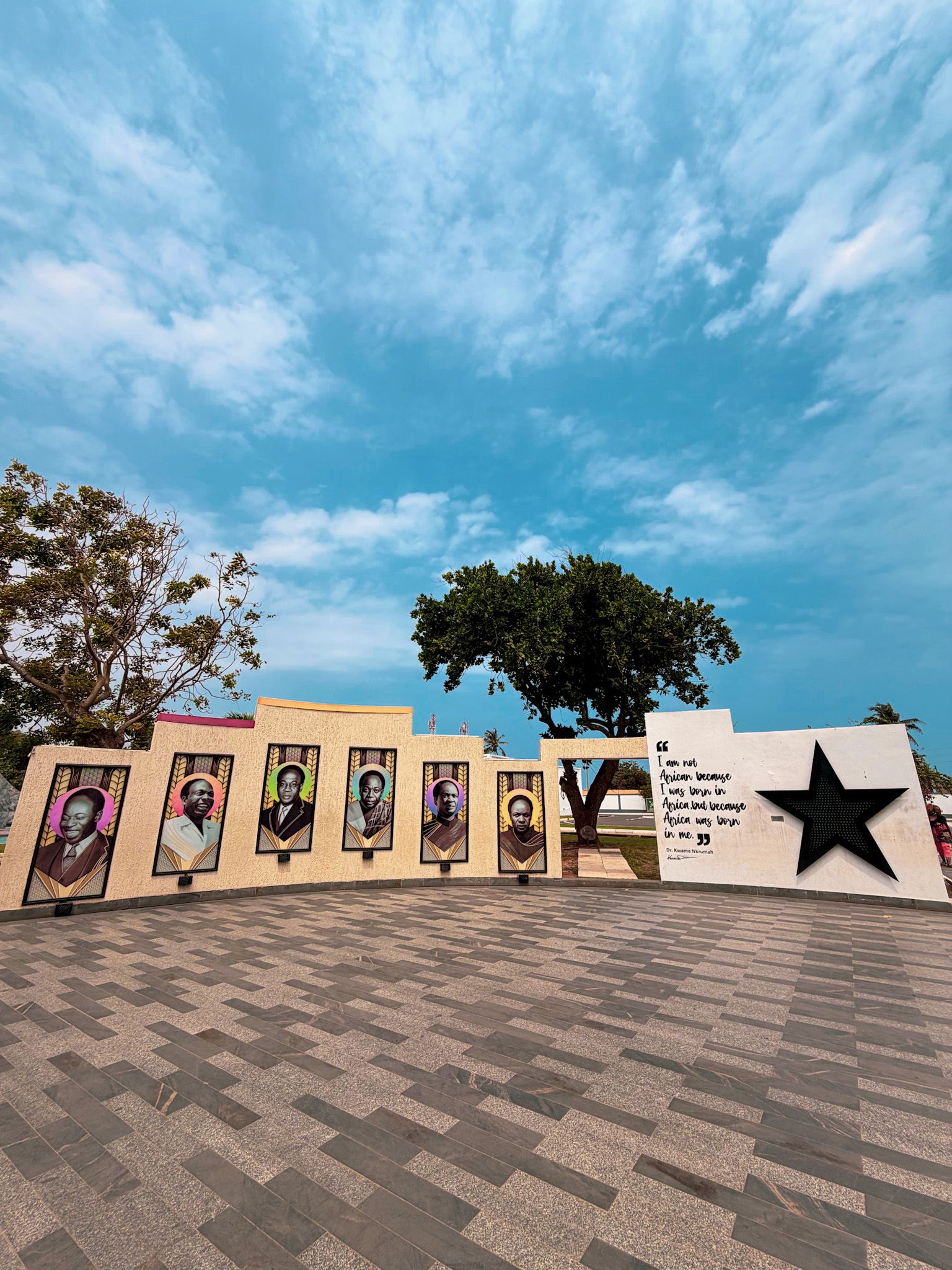
The country has several advantages that are difficult to manufacture elsewhere. Ghana combines Atlantic beaches, historic trading forts and castles, forests, wildlife, music, food, festivals and a contemporary cultural scene within a relatively compact destination. It also has a strong connection with the African diaspora, particularly through the heritage and cultural tourism programmes that have developed around the country’s relationship with people of African descent around the world.
The challenge is turning those assets into reasons for people to travel now.
Ghana’s tourism authorities have already invested in destination marketing, digital platforms and partnerships, and the 2024 tourism report linked these efforts to the increase in international arrivals. The United States, Nigeria and the United Kingdom were among the strongest source markets in 2024, while arrivals from Nigeria increased by 25 percent.
The next question is whether Ghana should simply look for more visitors from the same markets or become more deliberate about developing a wider international audience.
There is a strong case for doing both. Existing markets provide familiarity and a foundation for growth, while new markets can reduce dependence on a relatively narrow group of travelers. Ghana could pay greater attention to travelers in other parts of Africa, Europe, North America and emerging long-haul markets, but marketing alone will not be enough. People need a practical reason to choose Ghana, know how to get there and understand what kind of experience awaits them.
Air connectivity is therefore central to the conversation. A destination can have an extraordinary tourism product and still struggle to attract visitors if getting there is expensive, inconvenient or poorly connected to major international travel networks. Ghana’s tourism strategy needs to work closely with aviation stakeholders so that destination promotion and air connectivity reinforce each other rather than operate as separate conversations.
The same principle applies to entry requirements. Ghana announced that from May 25, 2026, African nationals would be able to travel to the country under a free visa policy, with the government describing the measure as part of a wider electronic visa reform. The policy could make Ghana more accessible to African travelers, but its practical value will depend on how simple the application and entry process is in reality.
For international visitors outside Africa, clarity matters just as much. Visa information should be easy to find, easy to understand and consistent across official platforms. Travelers should not have to search through several websites or rely on social media posts to determine whether they need a visa, what documents are required or how long the process takes.
But attracting visitors is only one part of the equation. Ghana also has to think carefully about what happens after the traveler arrives.
A visitor who lands in Accra should be able to move through the country with reasonable confidence. Information about transport, attractions, opening hours, accommodation, local experiences and safety should be accessible before and during the trip. Tourism businesses, guides, hotels, restaurants and transport providers all contribute to that experience. A destination is ultimately judged through hundreds of small interactions rather than through a single advertising campaign.
Ghana can also do more with the stories behind its destinations.
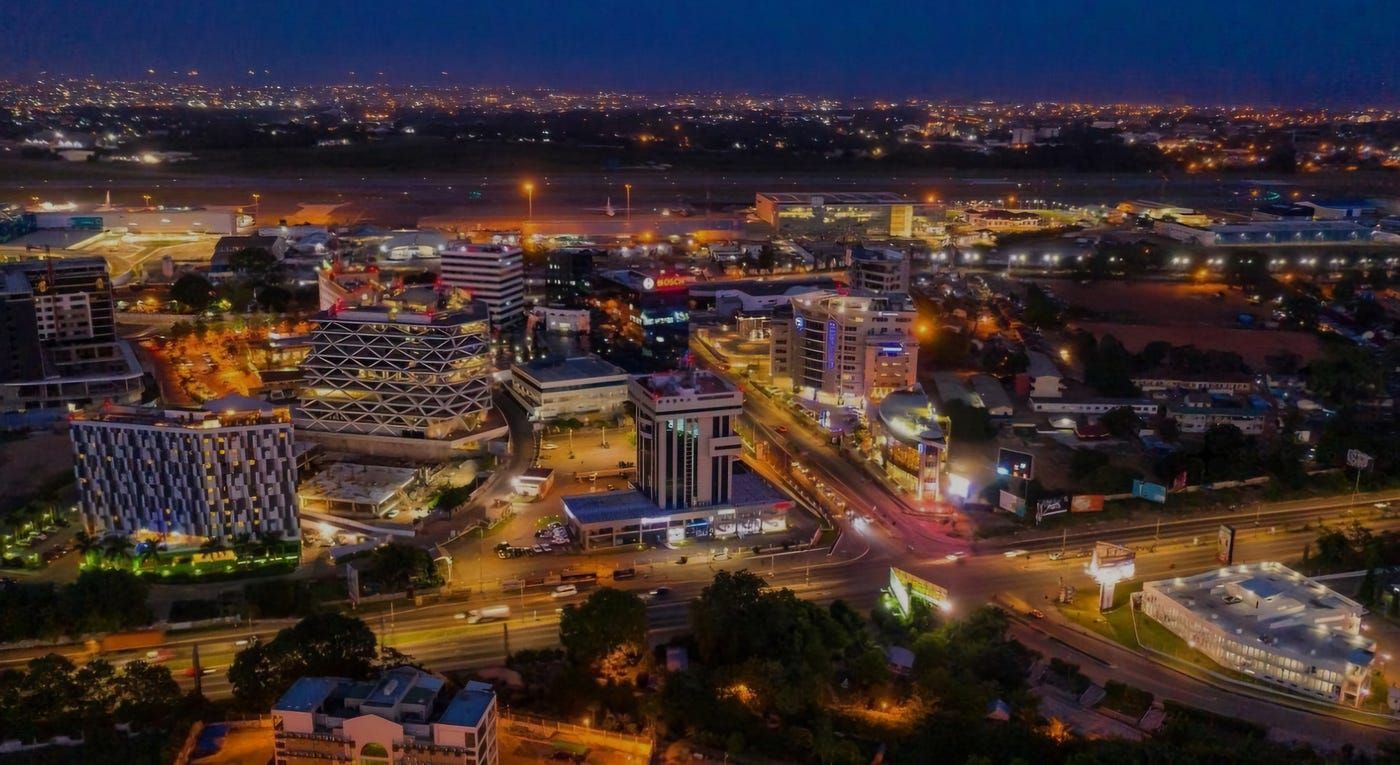
Cape Coast and Elmina are internationally significant places, but Ghana’s tourism story does not have to end with its best-known heritage sites. Kumasi offers a different cultural narrative. The Volta Region has landscapes and communities that could support different forms of travel. The coast offers more than historic sites. Accra itself has a growing cultural identity shaped by food, music, fashion, art and nightlife.
The opportunity is to present these places as connected experiences rather than isolated attractions.
That requires better storytelling. International travelers increasingly discover destinations through short videos, social platforms, independent travel writers, podcasts and personal recommendations. A tourism campaign can put Ghana in front of an audience, but compelling stories can make people remember it.
The country should therefore give more space to creators, journalists, photographers and filmmakers who can document Ghana from different perspectives. The strongest destination stories are not always polished advertisements. Sometimes they are stories about a neighborhood, a festival, a meal, a road trip, a conversation with a local resident or an unexpected experience at a place that visitors had never heard about.
Ghana’s tourism industry also needs to make it easier for those stories to translate into actual trips. If someone sees a compelling video about a cultural festival, for example, they should be able to quickly find out when it happens, how to get there, where to stay and who can arrange the experience.
This is where tourism businesses have an important role. The number of licensed tourism enterprises increased from 6,702 in 2024 to 7,109 in 2025, while travel trade activity grew by 18.6 percent. A larger tourism ecosystem creates more possibilities for visitors, but it also makes standards and coordination increasingly important.
Ghana should also look beyond the traditional idea of the international tourist. Business travel was the leading purpose of international visits in 2025, accounting for 31 percent of arrivals, according to the Ghana Tourism Authority’s latest report. Those travelers already have a reason to be in Ghana. The tourism industry can build on that by encouraging business visitors to extend their stays, explore other regions and return later for leisure.
The same applies to events. Ghana’s entertainment and conference segment grew in 2025, while cruise tourism also recorded 18 ship calls and 5,488 passengers through Tema and Takoradi. These are relatively different visitor groups, but they demonstrate that Ghana’s international tourism economy does not have to depend entirely on the conventional holiday traveler.
There is another opportunity in seasonality.
December has become an important period for Ghana’s international tourism calendar, particularly through the December in GH programme and its connection with diaspora travel, entertainment and cultural events. The 2024 tourism report recorded international visitors staying an average of 22 nights during the period and spending more than $700 per day, according to the Ghana Tourism Authority.
The lesson is not simply to make December bigger. It is to understand what makes people travel during that period and find ways to create equally strong reasons to visit Ghana during other months.
A country that wants more international visitors cannot rely on one season, one campaign or one destination.
It needs a tourism economy that works throughout the year and across different regions. That means developing experiences around culture, heritage, nature, food, wellness, business, sport, festivals and creative industries without turning every community into a tourism product.
The quality of tourism infrastructure will matter just as much as promotion. Ghana has made progress in developing tourist sites, with five sites developed in 2024 compared with three in 2023, according to the country’s 2024 national progress report. But investment should not stop at making attractions visually appealing. Roads, sanitation, signage, accessibility, visitor information, accommodation and trained staff all shape whether an international visitor leaves with a desire to return.
Sustainability should also be treated as part of Ghana’s long-term tourism competitiveness rather than as an optional addition. Ghana’s first comprehensive sector-led tourism policy was developed around sustainable and inclusive growth, preservation of cultural heritage and environmental sustainability. Those principles become increasingly important as visitor numbers grow.
More visitors are not automatically better visitors. The objective should be to build tourism that creates income for local businesses and communities while protecting the places and traditions that attract travelers in the first place.
Ghana’s recent tourism numbers show that there is demand for the destination. The country recorded 1,288,804 international arrivals in 2024, a 12 percent increase from the previous year, before reaching 1,306,962 in 2025. The harder task now is converting that growth into a broader and more resilient international tourism market.
That will require Ghana to think beyond the question of how to advertise itself. The more important question is what makes a traveler choose Ghana over another destination, stay longer once there, spend money across more communities and want to come back.
The answer will not be found in a single slogan.
It will be built through easier access, stronger air connections, better visitor information, distinctive experiences, credible storytelling, reliable tourism services and a clearer understanding of the different people Ghana wants to welcome.
Ghana already has the raw material. Its next tourism challenge is making the world see it, understand it and act on that interest.