Sustainable travel is becoming a more important part of how people plan their holidays, with a new study finding that travellers are increasingly drawn to outdoor experiences, scenic rail journeys and less crowded destinations.
The findings come from Trip.com’s Sustainable Travel Consumer Report, which surveyed 8,777 people across 29 countries in four global regions. The report suggests that sustainability is influencing not only where people choose to go, but also when they travel, how they get around and what they expect from their holidays.
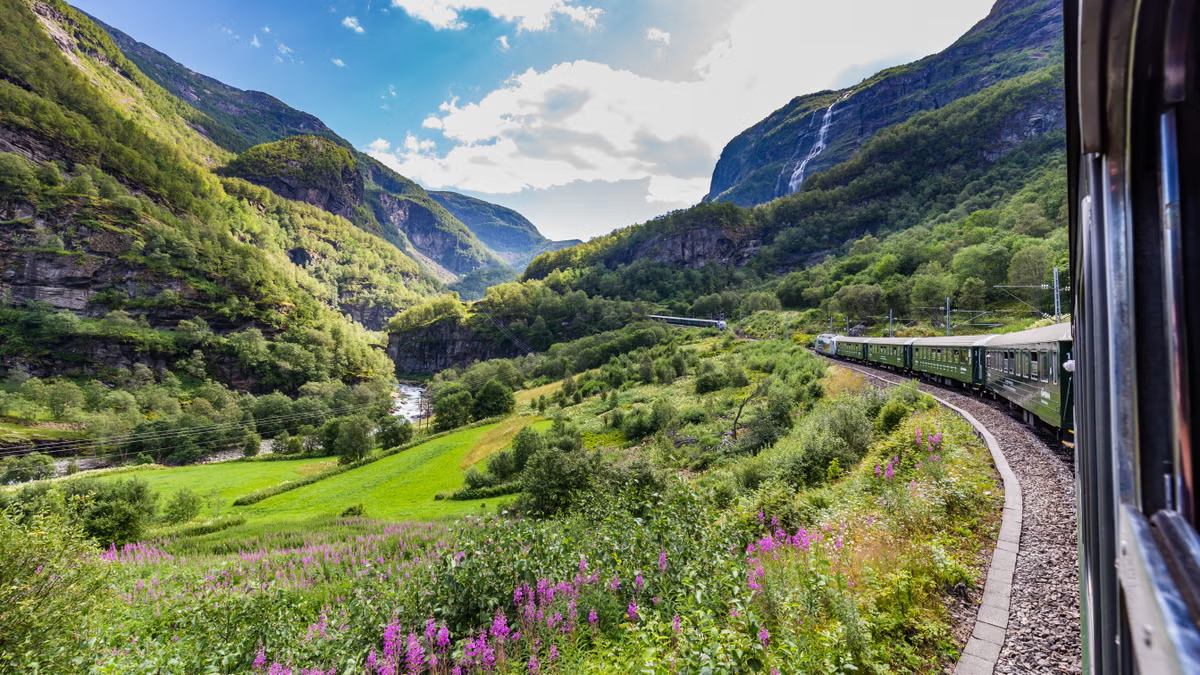
According to the study, 75.4% of respondents said sustainability was important when making travel decisions, while 56.8% said they deliberately chose more sustainable travel options. The findings point to growing interest in travel experiences that consider environmental impact without sacrificing enjoyment.
Climate change is also influencing holiday planning. Some travellers are adjusting their plans in response to extreme weather, including heat and other conditions that can disrupt trips. In the survey, 37.2% said they would consider destinations with a lower risk of weather disruptions.
Europe’s increasingly severe summer weather has added urgency to discussions about how climate change could affect tourism. For travellers, the issue is becoming a practical consideration, influencing destination choices and the timing of holidays rather than remaining an abstract environmental concern.
“Every journey depends on the world around it: the places we discover, the nature we enjoy and the communities that make each destination unique,” said Jane Sun, chief executive of Trip.com Group.
She said sustainability was becoming an important part of what travellers value, pointing to nature-based activities, scenic rail journeys and visits to less-frequented destinations as ways to experience places while supporting more sustainable approaches to tourism.
The report also identified differences between generations in how travellers approach sustainability. Younger respondents showed stronger engagement with sustainable travel across their intentions, actions and choices of travel platforms. Among Generation Z respondents, 44.3% said sustainability was very important when making travel decisions, compared with 23% of Baby Boomers.
Younger travellers showed particular interest in experience-led options, including rail journeys, outdoor activities and accommodation with strong sustainability practices. Older travellers were more inclined to seek destinations with fewer crowds and travel outside peak holiday periods.
These differences suggest that sustainable travel does not mean the same thing to everyone. For some, it involves choosing transport with a lower environmental impact or staying at accommodation with responsible practices. For others, it means avoiding crowded destinations and travelling at quieter times of the year.
Cost remains a significant factor in whether travellers make more sustainable choices. The report found that 32.9% of respondents were willing to pay only an additional 1% to 5% for a more sustainable travel option. However, nearly six in 10 Generation Z and Millennial travellers said they were willing to pay more for a sustainable travel experience.
The findings indicate that travellers’ willingness to spend more depends on what they receive in return. Experiences that offer distinctive activities, access to nature or a different way to explore a destination may be more appealing than options marketed around sustainability alone.
When asked which sustainable travel choices could improve their holidays, 41.6% of respondents selected exploring nature and outdoor destinations. Scenic rail journeys came second, at 34.1%, followed by visiting lesser-known destinations with fewer crowds, at 32.7%.
Staying in hotels with strong sustainability practices was identified by 31.9% of respondents, while 29.6% said travelling during the off-season could enhance their experience.
The results highlight how environmental considerations can overlap with practical travel preferences. Rail journeys can offer a different perspective on a destination, while outdoor activities give visitors opportunities to experience natural landscapes. Travelling outside the busiest periods can also help visitors avoid peak-season crowds.
Weather disruptions are already prompting some holidaymakers to reconsider their plans. According to the survey, 29.9% of respondents had delayed or rescheduled a trip because of extreme weather, while 23.6% had changed their travel season or timing. Another 21.9% said they had felt the need to change their destination.
Transport and heritage protection also featured prominently in the findings on destination appeal. Some 56% of respondents said good public transport or lower-carbon mobility options attracted them to a destination. Meanwhile, 50.6% were drawn to places that protect their natural and cultural heritage.
Although climate concerns are influencing decisions, the findings suggest that travellers are not necessarily giving up the experiences they want. Instead, many are considering different ways to enjoy them, from taking the train through scenic landscapes to visiting quieter places or travelling at less popular times.
The report offers a snapshot of changing travel preferences, rather than proof that all travellers are adopting sustainable habits. Nevertheless, its findings indicate that sustainability, weather conditions, transport choices and the quality of the experience are increasingly connected in the way people think about their holidays.