Around 200 Villa Vie cruise passengers were left stranded in Cambodia after US-based residential cruise operator Villa Vie Residences suspended operations, citing a sharp rise in fuel costs linked to the Iran war and mounting financial losses.

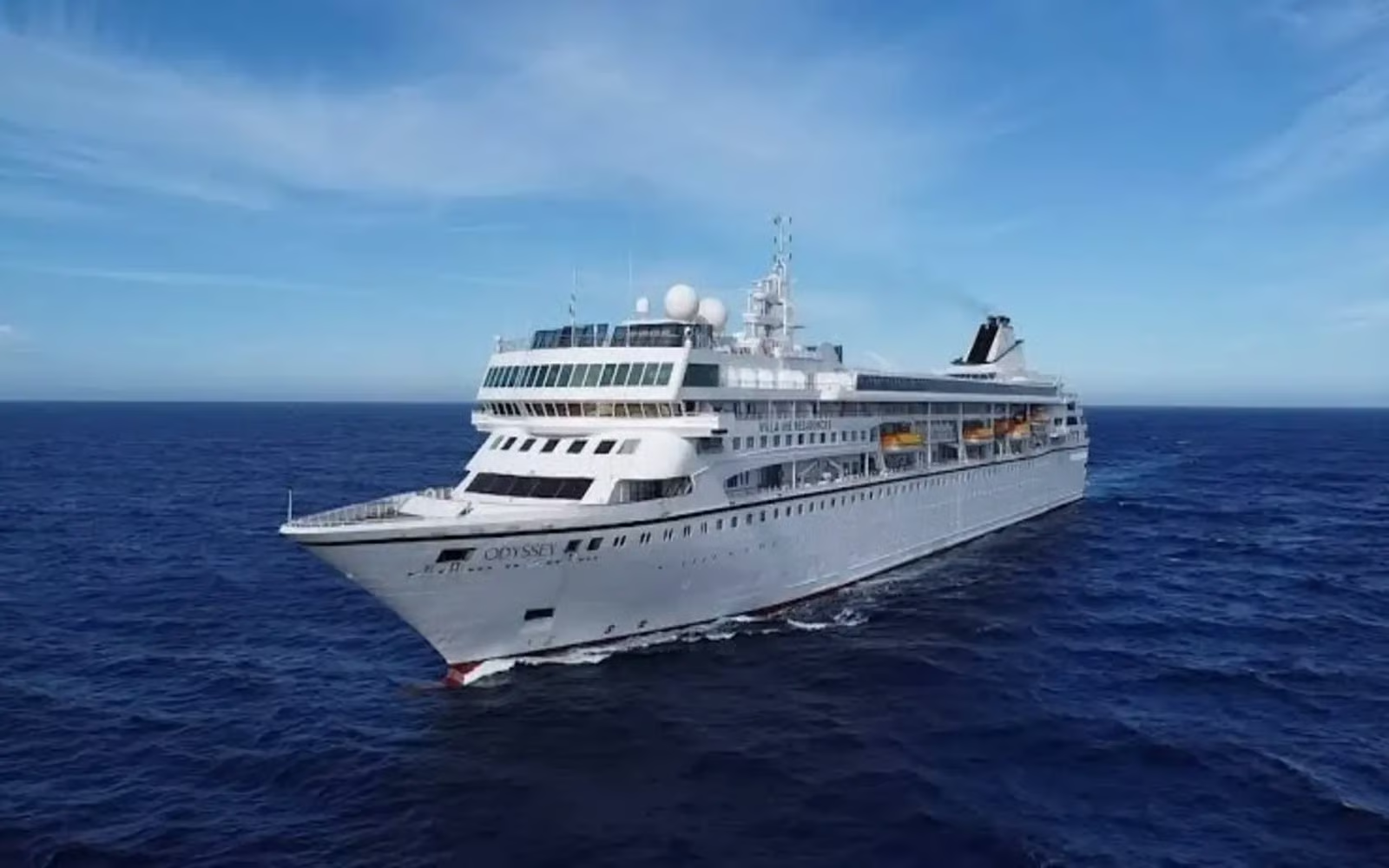
The disruption occurred during a scheduled stop in Sihanoukville, Cambodia, where passengers aboard the company’s residential cruise ship, Odyssey, were reportedly given about seven hours to disembark. The sudden change left some residents facing urgent travel and accommodation arrangements thousands of miles from their home countries.
Villa Vie Residences said it could no longer sustain its existing operating model under the increased financial pressure. In a statement published on its website, the company said it had suspended operations in Cambodia and was working towards restructuring and recapitalisation over the following 60 days. It also warned that the outcome of those efforts was uncertain.
The company said it had already taken steps to reduce fuel consumption since the conflict began in late February, including slowing the ship’s itinerary and spending more time in port. However, those measures had not been enough to cover the increased costs, while passing the full increase on to residents was not considered a realistic option.
According to Villa Vie, average monthly fuel expenses per cabin had risen from about $1,800 to an estimated $6,000 to $8,000 in parts of Asia. The increase placed further pressure on a business model built around people paying to live aboard a ship travelling between destinations around the world.
The Cambodian authorities said 203 guests and 156 crew members had arrived aboard the Bahamas-flagged Odyssey from Thailand on 23 October. The ship had been scheduled to continue to Vietnam.
Long Dimanche, deputy governor of Preah Sihanouk province, said the sudden disembarkation had left many retirees and remote workers without accommodation far from their home countries. Some passengers arranged flights out of Cambodia, while others remained in Sihanoukville. The ship was expected to refuel and depart on 31 October.
For some residents, the disruption threatened a way of life they had paid substantial sums to secure. Villa Vie had marketed the Odyssey as a permanent home at sea, offering cabins and suites for purchase or rental. The advertised lifetime purchase price for a suite started at about $230,000, with the arrangement allowing buyers to live aboard for the remaining life of the vessel.
The Odyssey, which can accommodate up to 650 passengers, departed Belfast, Northern Ireland, in October 2024 after being refitted for residential cruising. Its original itinerary was intended to last three and a half years, giving residents the opportunity to travel continuously rather than maintain a conventional home on land.
Some passengers had sold their possessions to finance the move, making the sudden interruption particularly difficult. The cruise was promoted as a long-term living arrangement, not simply a holiday, and residents included retirees and people able to work remotely.
Randy Cassingham, a passenger who writes the Residential Cruising blog, described the situation in a post titled “Abandon Ship!” He said the disembarkation followed what he called a “cascade of problems”. Speaking to Agence France-Presse, Cassingham said the ship was not a luxury vessel but had offered an affordable way to live at sea, until the company began asking for more money.
Cassingham also criticised the company’s response, accusing it of doing nothing to help stranded passengers. Villa Vie, however, said it was working with residents to coordinate their departure and identify temporary accommodation. The company acknowledged the disruption facing residents, crew members and employees as it worked to determine its next steps.
The suspension raises questions about the financial risks of residential cruising, an arrangement that asks customers to commit significant sums to living aboard a vessel for extended periods. While the model offers residents the prospect of travelling between countries without repeatedly booking hotels or arranging separate holidays, it also ties their housing and travel plans to the operator’s ability to keep the ship running.
The Odyssey has a history that predates Villa Vie’s residential cruise business. Built in 1993, the vessel operated under several names and with different cruise lines before the coronavirus pandemic disrupted the industry in 2020. Villa Vie acquired the ship in 2023 and prepared it for its current role.
Sihanoukville has also been the setting for an earlier cruise ship emergency. In February 2020, Cambodia allowed the MS Westerdam to dock after five other ports had turned it away amid concerns about COVID-19. The ship carried 1,455 passengers, including more than 600 Americans, and had spent about two weeks at sea seeking a place to dock.
Cambodia’s then-prime minister, Hun Sen, authorised the vessel’s arrival on humanitarian grounds. Passengers were welcomed ashore while arrangements were made for them to return home.
The circumstances surrounding the Odyssey are different, with financial pressure rather than a public health emergency prompting the disruption. For its residents, however, the immediate concern is similar: finding somewhere to stay and a way to continue their journeys while the future of the ship’s residential cruise operation remains unresolved.