Pakistan-China border pact discussions have once again brought the disputed territory of Kashmir into the centre of tensions between Islamabad, Beijing and New Delhi, after Pakistan and China formally activated a joint commission to manage their frontier.
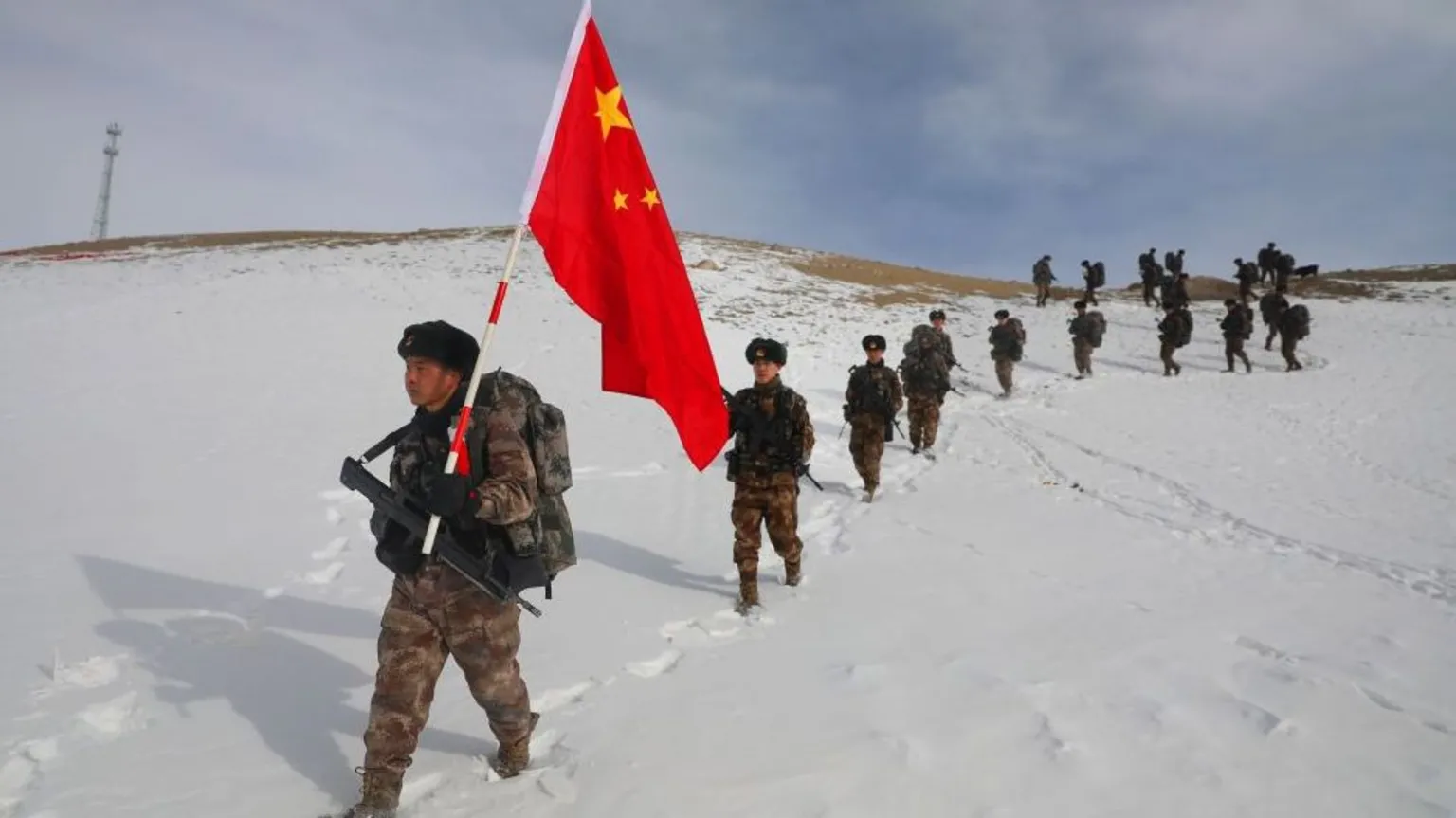
The Pakistan-China Boundary Joint Commission held its inaugural meeting in Islamabad on September 16 and 17, bringing together officials responsible for foreign affairs, defence, interior, commerce, communications, customs, surveying and other areas of border management. According to Pakistan’s Foreign Ministry, the commission is intended to coordinate cross-border movement, joint surveys, trade and people-to-people links. The two sides also agreed to hold their next meeting in China.
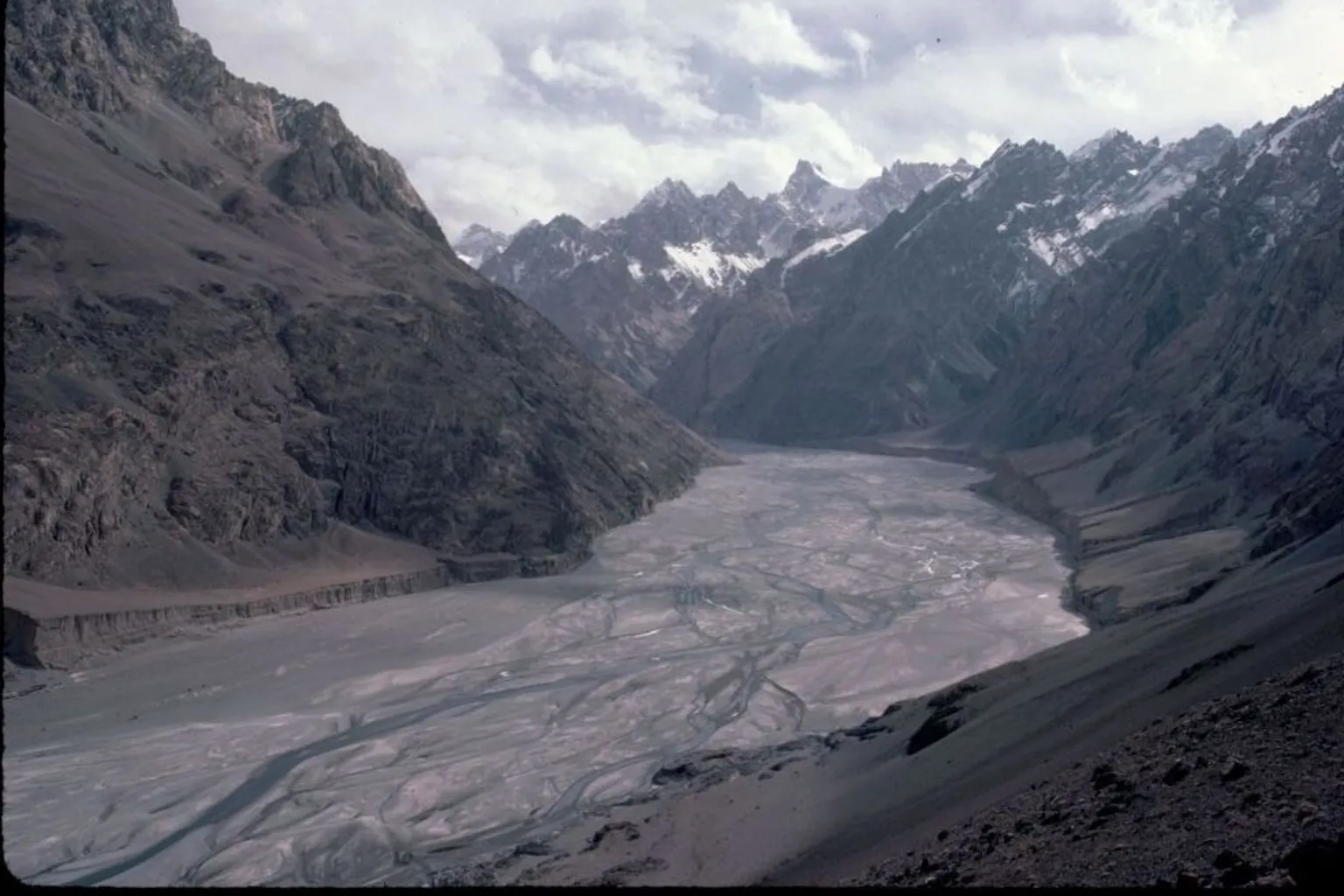
For India, however, the issue is not simply about managing a border. New Delhi does not recognise the Pakistan-China boundary arrangement in territory it claims as its own, including the Shaksgam Valley in the northern part of the disputed Jammu and Kashmir region.
India’s Ministry of External Affairs has consistently maintained that the 1963 Pakistan-China Boundary Agreement is illegal and invalid. In an official document, the Indian government says Pakistan ceded about 5,180 sq km of Indian territory in the Shaksgam Valley to China under that agreement and that India has never accepted the arrangement.
That position explains why the commission’s formal launch drew a strong response from Delhi. India argues that Pakistan cannot enter into arrangements with another country concerning territory that India considers to be under illegal Pakistani occupation.
Pakistan takes the opposite view. Islamabad says the 1963 agreement remains valid and argues that Jammu and Kashmir is a disputed territory whose final status has not been settled. Pakistan’s Foreign Ministry reiterated that position after India challenged the commission, describing India’s objections as legally untenable.
The disagreement is rooted in the unresolved territorial conflict over Kashmir, which has shaped relations between India and Pakistan for decades. The Shaksgam Valley is particularly sensitive because of its location alongside China’s Xinjiang region and the wider network of territory and infrastructure connecting China and Pakistan.
The latest development is also notable because it gives an existing bilateral arrangement a more visible institutional structure. Pakistan and China already have extensive cooperation along their shared frontier. The new commission creates a formal mechanism through which officials from both countries can regularly address border management, surveys, movement and trade.
Pakistan’s Foreign Ministry described the September meeting as the formal launch of a commission envisaged under the 2013 China-Pakistan Agreement on Boundary Management System. The two sides signed minutes of the meeting setting out a framework for future cooperation.
That makes the timing politically significant even if the commission does not, by itself, alter the physical boundary or settle the competing territorial claims.
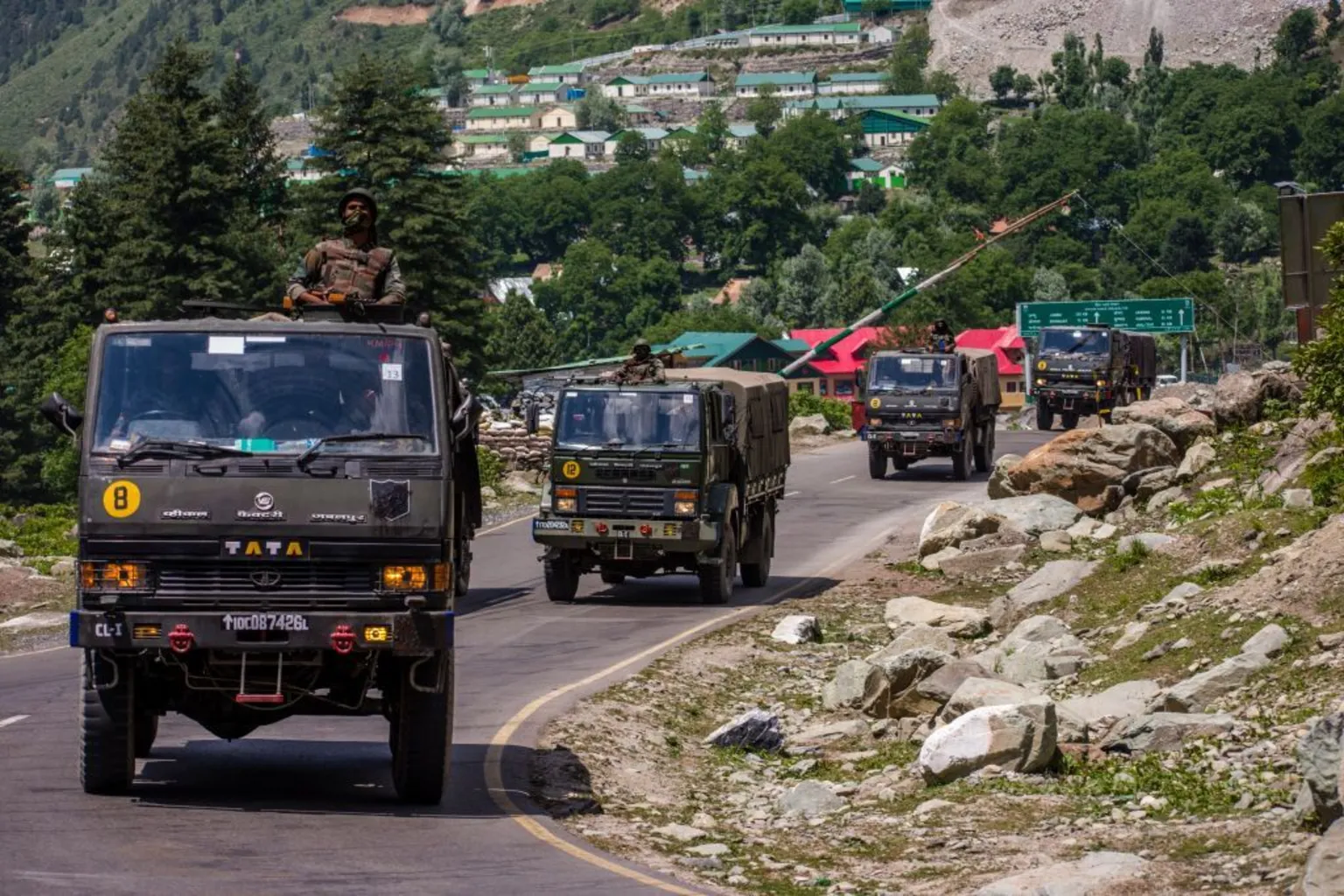
The development comes as India and China have also been trying to manage their own long-running border dispute. Their militaries have faced off repeatedly along the Line of Actual Control, the disputed frontier separating their forces across large parts of the Himalayas. Any effort by Beijing and Islamabad to strengthen administrative and practical cooperation along a frontier that India also claims therefore carries significance beyond the day-to-day management of border crossings.
There is, however, a distinction between institutionalising border cooperation and changing the military situation elsewhere along the India-China frontier. Analysts quoted in the original reporting cautioned against assuming that the commission immediately changes conditions along the Line of Actual Control.
The practical reasons for the commission are also important. China and Pakistan have developed extensive economic and transport links through the region, including infrastructure associated with the China-Pakistan Economic Corridor. Regular coordination over movement, customs, trade and border management can serve straightforward administrative purposes as well as broader strategic interests.
At the same time, the commission gives Beijing and Islamabad another established channel through which they can reinforce their existing relationship. Pakistan’s Foreign Ministry itself described the commission as a step towards strengthening what it calls the two countries’ “All-Weather Strategic Cooperative Partnership.”
For India, the concern is therefore both territorial and strategic. Delhi’s objection is based on its longstanding claim over the territory covered by the Pakistan-China boundary arrangement, while the wider relationship between China and Pakistan has long been viewed through the lens of India’s security concerns.
The episode also illustrates how a territorial dispute can persist even when countries begin treating a contested frontier as an administrative reality. Pakistan and China can develop mechanisms for managing their shared border while India continues to reject the legal basis of the boundary arrangement. Those positions can coexist without resolving the underlying dispute.
There is little indication that the new commission itself will settle that disagreement. Pakistan continues to recognise the 1963 agreement as valid, while India continues to reject it. China’s position remains closely aligned with its established relationship with Pakistan and its own territorial interests in the region.
For now, the significance of the Pakistan-China border pact lies less in any immediate redrawing of a map than in the steady institutionalisation of cooperation along a frontier whose legal status remains contested by India. The commission gives that cooperation a permanent bureaucratic framework, while leaving the fundamental dispute over sovereignty untouched.
That is precisely why a mechanism presented by Islamabad and Beijing as practical border management has attracted such a strong reaction from New Delhi.