Harry and Meghan’s media treatment has echoes of what happened to Diana, Princess of Wales, according to her brother, Earl Spencer, who says relentless press criticism can become a deeply damaging force in the lives of those subjected to it.
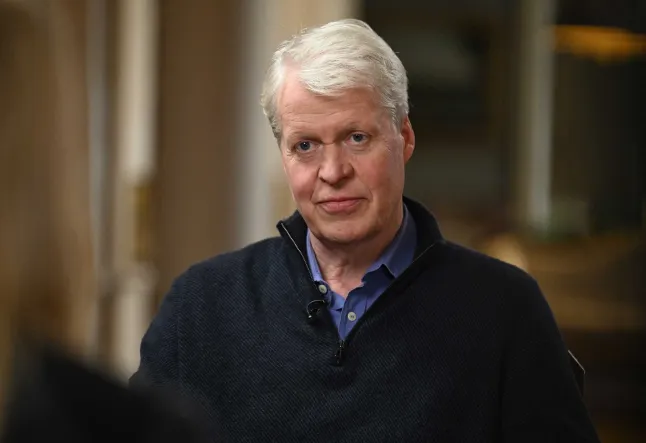
Speaking to the BBC’s Laura Kuenssberg at his Althorp estate, Earl Spencer said coverage of the Duke and Duchess of Sussex could be “really, really unpleasant” and argued that people should learn from the experience of his late sister.
“I’m not here to speak for Harry and Meghan,” he said, while describing the effect of sustained negative coverage on anyone facing it as a “cancerous influence in their life”.
Earl Spencer said he had witnessed Diana’s distress firsthand, recalling her “tears of despair” and describing her as particularly sensitive to criticism. He said the constant scrutiny had “really brought” her low and expressed regret that he could now see “echoes of that” in the treatment of Prince Harry and Meghan.
Diana, who married the then-Prince Charles in 1981, remained the subject of intense media attention throughout her public life. She died in a car crash in Paris on 31 August 1997 while travelling with film producer Dodi Fayed. Her relationship with the British press remained a major part of public discussion surrounding her life and death.
In the eulogy he delivered at Diana’s funeral, Earl Spencer accused the media of pursuing her relentlessly and said newspapers had been threatened by what he described as her “genuine goodness”. Nearly three decades later, he sees similarities in the attention surrounding her younger son and his wife.
He also rejected the idea that his comments were evidence of taking Harry’s side in his continuing disputes with the press or the Royal Family.
“I think there is a media perception that I’m on Harry’s side,” he said. “I’m on my deceased sister’s sons’ side, both of them.”
Harry and Meghan have repeatedly spoken publicly about their experiences with the British media. Their decision to step back from royal duties and move to California in 2020 was followed by a series of interviews and projects in which they discussed their relationship with the press and the Royal Family.
During their 2021 interview with Oprah Winfrey, Harry described the tabloid media environment as “toxic”, saying it had contributed to a culture of control and fear. Meghan later discussed the same issue in the couple’s 2022 Netflix documentary series, saying she believed the media would continue looking for ways to damage her reputation regardless of what she did.
The couple recently returned to the UK, six years after stepping back from their roles as senior working royals, bringing renewed attention to their relationship with the British media.
Harry has also pursued several legal cases involving newspapers. In July, he and six other claimants, including Liz Hurley and Sir Elton John, lost a privacy case against the publisher of the Daily Mail and may face a legal bill of up to £34.5m. In separate legal disputes, Harry won a case against Mirror Group Newspapers, while a case involving News Group Newspapers ended in an out-of-court settlement that included damages and an apology.
Earl Spencer’s latest remarks come amid a separate dispute over his account of a conversation he says he had with King Charles in the days following Diana’s death.
The BBC recently reported that Spencer maintains Charles told him during a telephone conversation that people would forget Diana “soon enough”. Spencer has said he remembers the exchange clearly and told relatives and friends about it at the time because he found what was said so disturbing.
Buckingham Palace strongly disputed his account, saying the King was “mindful that the pain of fraternal grief can cloud reason, affect judgement and colour memory in ways others do not recognise, even many years after such a loss”.
Spencer responded by questioning whether the Palace was challenging his honesty without the King directly denying the words he attributed to him.
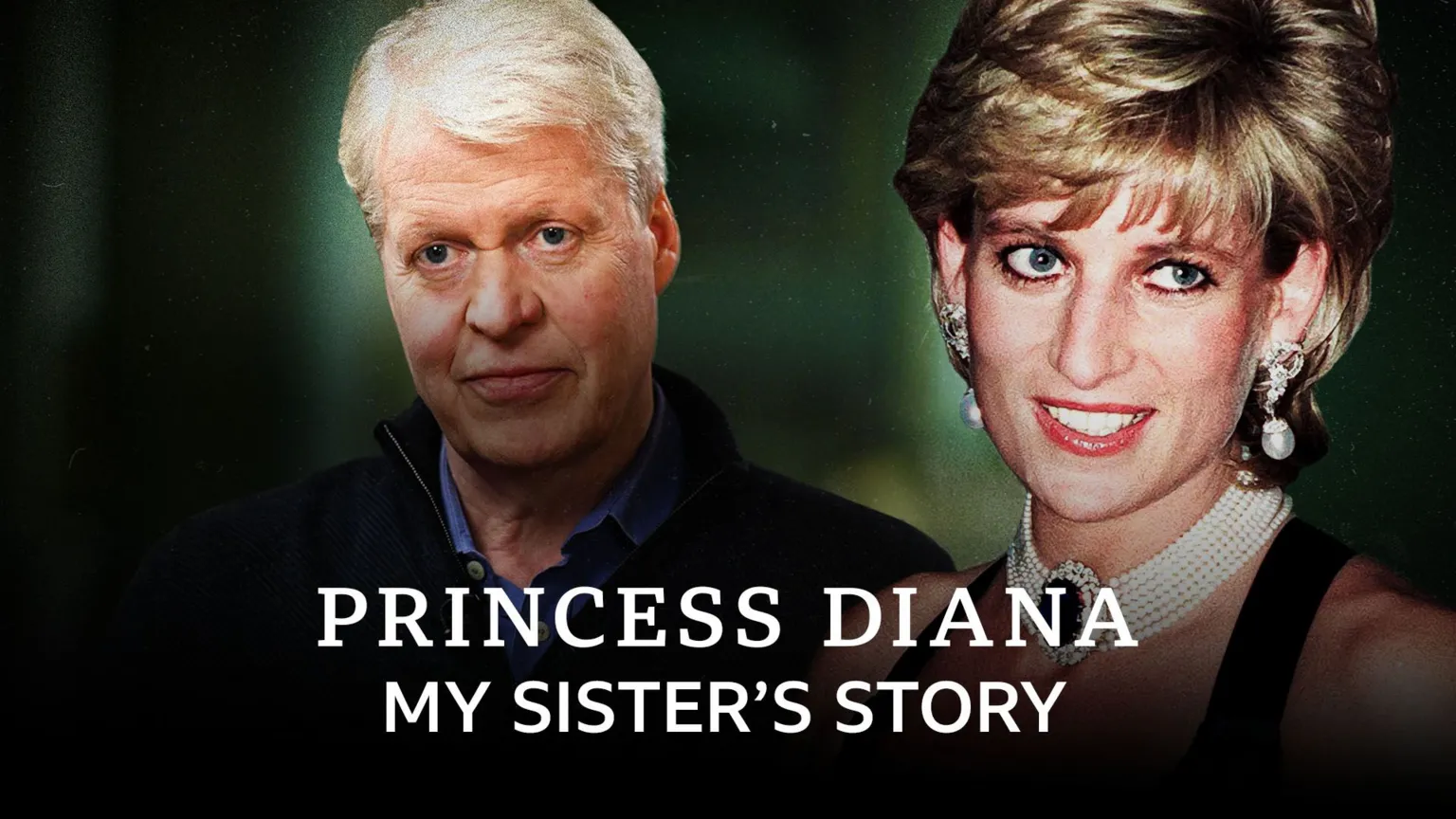
“I’ve only ever had two calls on the line with Prince Charles at any stage of my life,” he told the BBC. “I was hyper alert to what he was saying.”
Asked whether he had evidence for his recollection, Spencer said he had spoken to family members and friends about the conversation at the time.
He later told the Mail on Sunday that the Palace statement amounted to psychological manipulation, saying it was “astonishingly provocative” and suggesting it implied he had lied without the King personally denying his account.
His version of events has received some support from journalist Richard Kay, who was close to Diana. Writing in the Mail on Sunday, Kay said Spencer had told him in the period between Diana’s death and her funeral about a furious argument with Charles. Kay said Spencer told him the disagreement was “about the boys”, although he did not provide further details at the time.
But the account has also been challenged. Dame Julia Cleverdon, a longtime friend and trusted aide of the King, told BBC Radio 4’s Broadcasting House that Spencer’s description of Charles did not match the man she had known for four decades.
She rejected the suggestion that Charles could have been “elated” by Diana’s death, saying he appeared devastated and describing him as deeply concerned for his children. Cleverdon had lost her own husband two weeks before Diana’s death and said Charles had been exceptionally supportive toward her during that period.
The competing recollections have added another layer to the long-running debate over Diana’s final years, her relationship with the Royal Family and the role played by the press in the lives of the people around her.
For Spencer, however, the issue is not confined to the past. His warning about Harry and Meghan reflects his broader concern about what sustained media hostility can do to people who remain under intense public scrutiny.
His book, “Swan Song: Diana, My Sister”, is due to be published next week and is expected to contain further criticism of the Royal Family. Its publication is likely to bring renewed attention to his recollections of Diana, her marriage to Charles and the events surrounding her death.
The central question raised by Spencer’s comments extends beyond the disagreements over individual newspaper stories. It is whether the experience of Diana’s generation has offered enough lessons about the consequences of relentless scrutiny, particularly for members of the Royal Family whose private lives remain a constant subject of public interest.