African beach destinations are no longer limited to the familiar images of Zanzibar, Mauritius, Seychelles and Cape Town. Across the continent, a different coastal story is taking shape, with quieter islands, lesser-known beaches and emerging seaside towns offering travelers a chance to experience Africa’s coastline away from its most established tourist routes.
The appeal is not simply that these places are less crowded. In many cases, they offer a different relationship with the coast. Fishing communities remain part of everyday life, local food is closely tied to the sea, and tourism has not yet completely reshaped the character of the destination. For travelers who have already visited Africa’s better-known beach resorts, that difference can be as important as the beach itself.
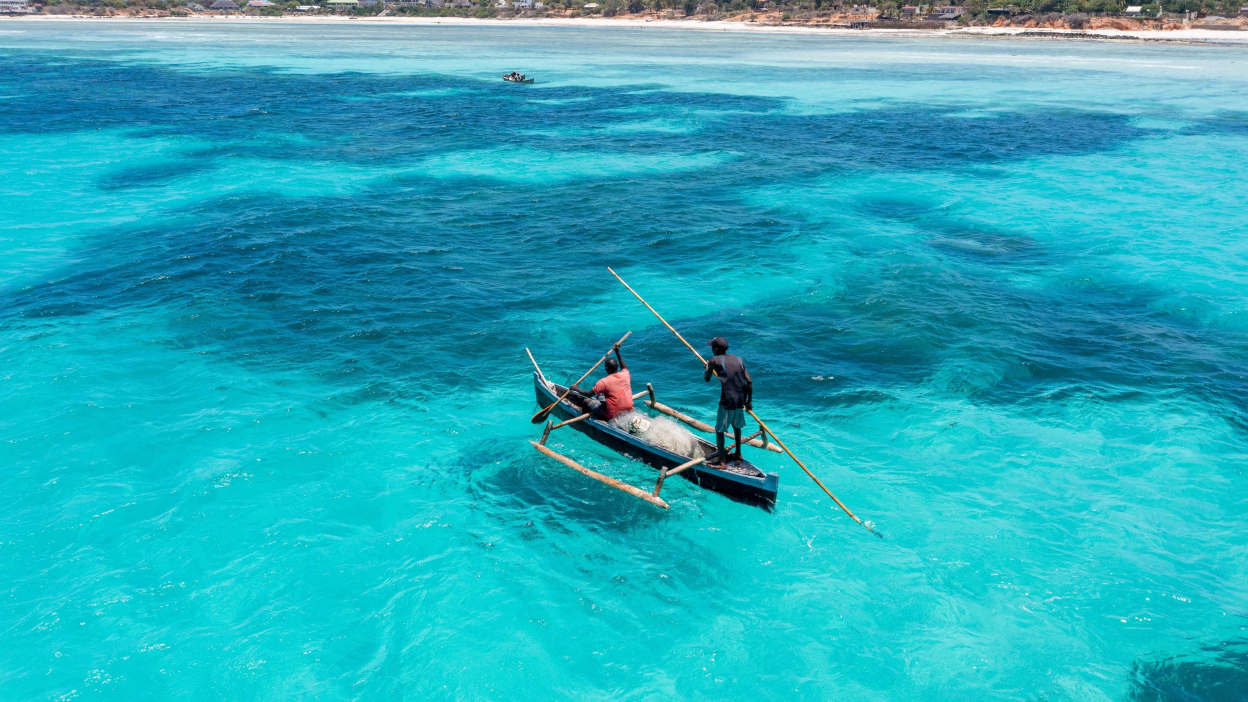
Mozambique has some of the clearest examples. The country is well known among experienced African travelers, but large parts of its coastline remain unfamiliar to international holidaymakers. Beyond the better-known resorts of Vilanculos and the Bazaruto Archipelago, there are long stretches of coastline where tourism operates on a much smaller scale. The combination of white sand, warm Indian Ocean waters and communities whose lives remain closely connected to fishing gives Mozambique a coastal identity that is distinct from the more polished resort experience found elsewhere.
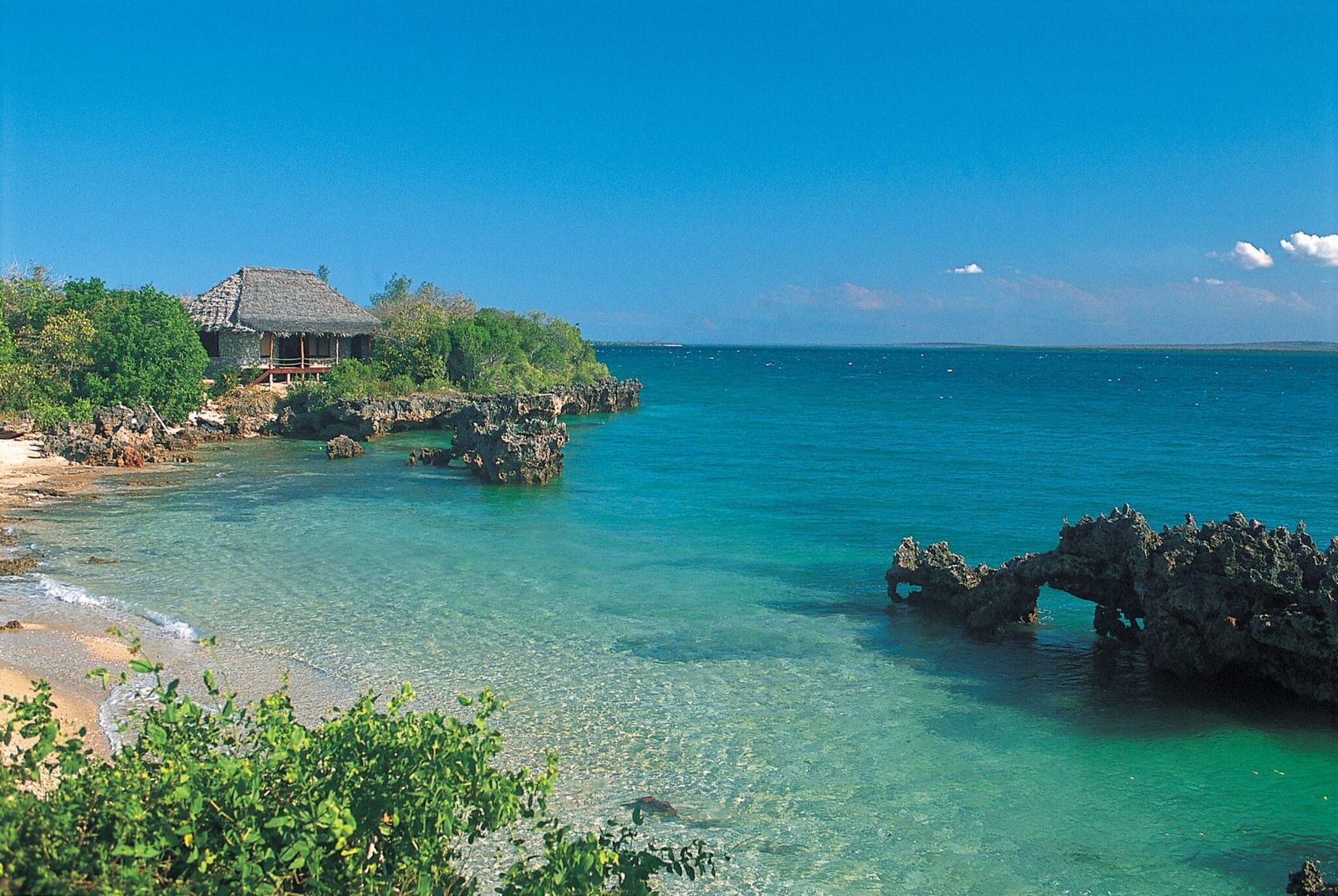
Further north, the Quirimbas Archipelago presents another side of Mozambique. Its islands have historically attracted a more specialized group of travelers, including divers and visitors looking for remote coastal experiences. The region also carries layers of Swahili, Portuguese and African history, making it more than a beach destination in the conventional sense.
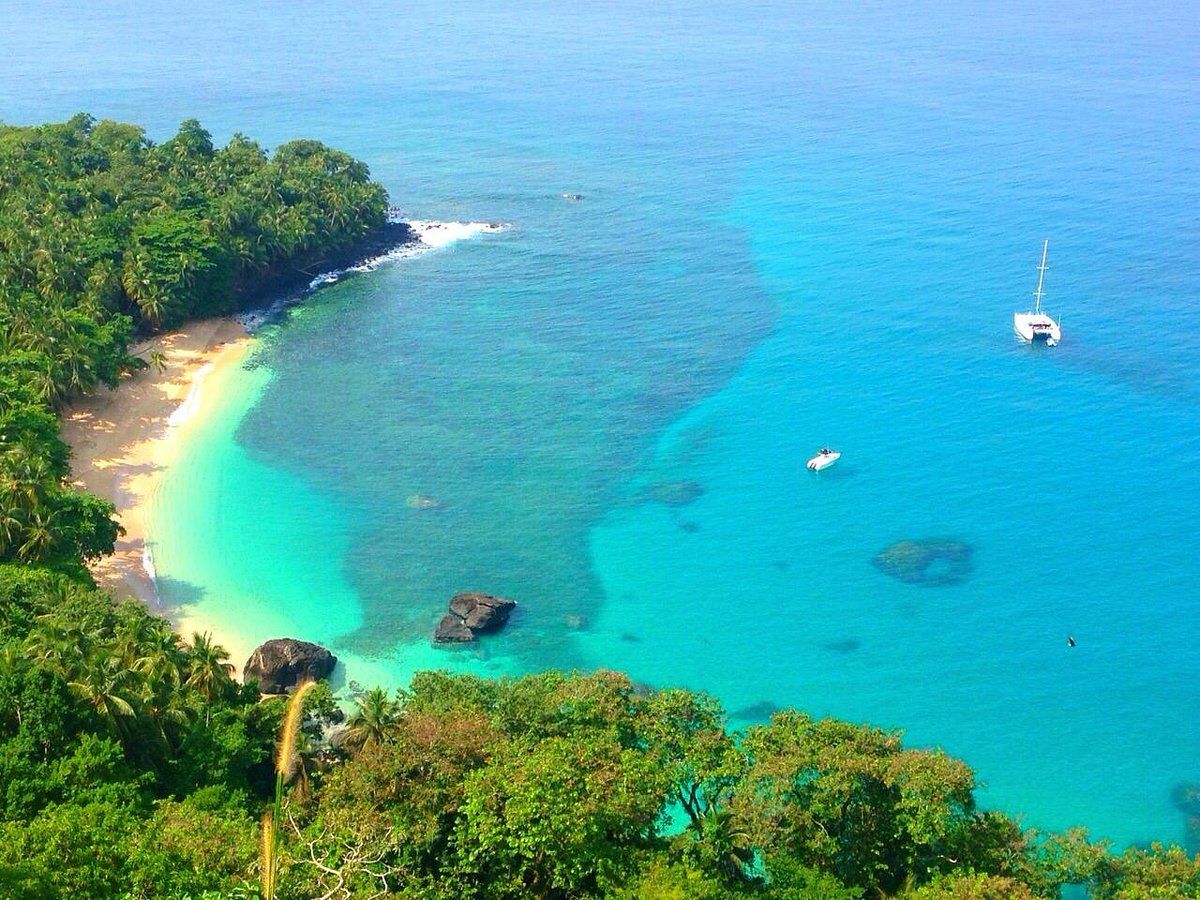
On the other side of the continent, Sao Tome and Principe remains one of Africa’s least discussed island destinations. The small Portuguese-speaking country sits in the Gulf of Guinea and has a landscape that feels markedly different from the Indian Ocean islands that dominate African beach marketing. Beaches are surrounded by dense tropical vegetation, volcanic terrain and old plantation landscapes. The islands’ relative isolation has helped preserve a slower pace, although that same isolation presents practical challenges for tourism growth.
For travelers coming from Europe, the West African coastline also offers possibilities that are often overlooked. Ghana’s coast is not usually marketed internationally as a conventional beach holiday destination, yet places such as Busua, Kokrobite and Axim have developed their own visitor communities. The experience is different from an all-inclusive island resort. Surfing, fishing, local food, music and coastal village life sit alongside small hotels, guesthouses and independent businesses.
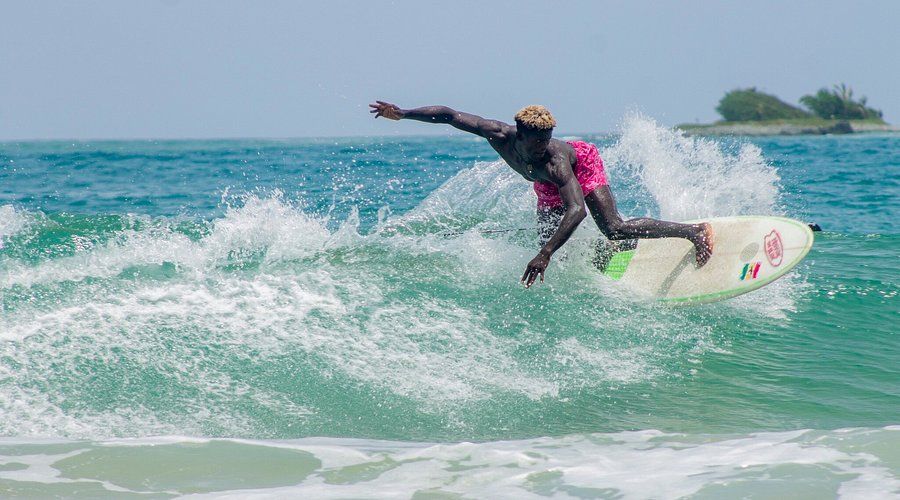
Ghana’s coastline also illustrates why the future of African beach tourism cannot be measured only by the number of luxury resorts. A destination can be attractive precisely because it still feels connected to the communities around it. The challenge is ensuring that increased visitor numbers do not undermine the coastal environment or displace the people whose presence gives these places their character.
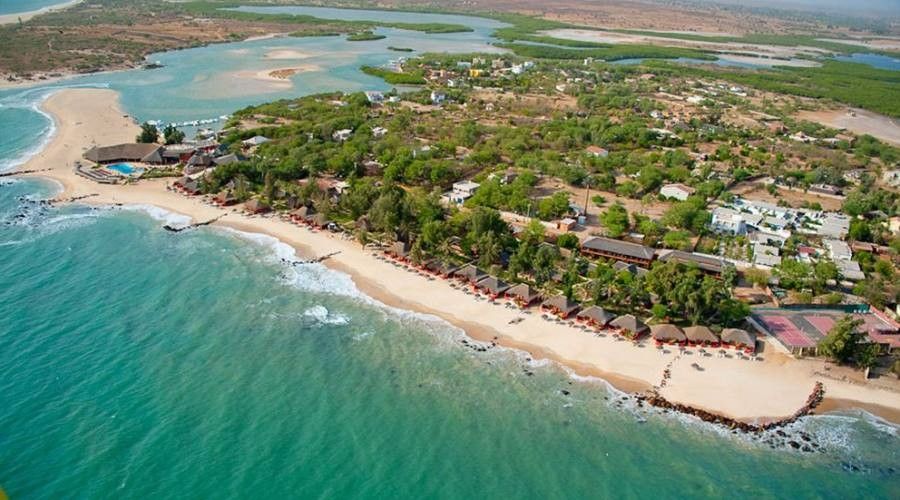
Senegal offers another example. The country has a long Atlantic coastline and an established tourism industry, particularly around areas such as Saly, but there are other coastal experiences beyond the main resort belt. The Petite Cote and areas farther south provide access to beaches, lagoons, fishing communities and landscapes that feel removed from the conventional resort model. The Casamance region, in particular, has a very different rhythm from Dakar and the country’s better-known tourist centers.
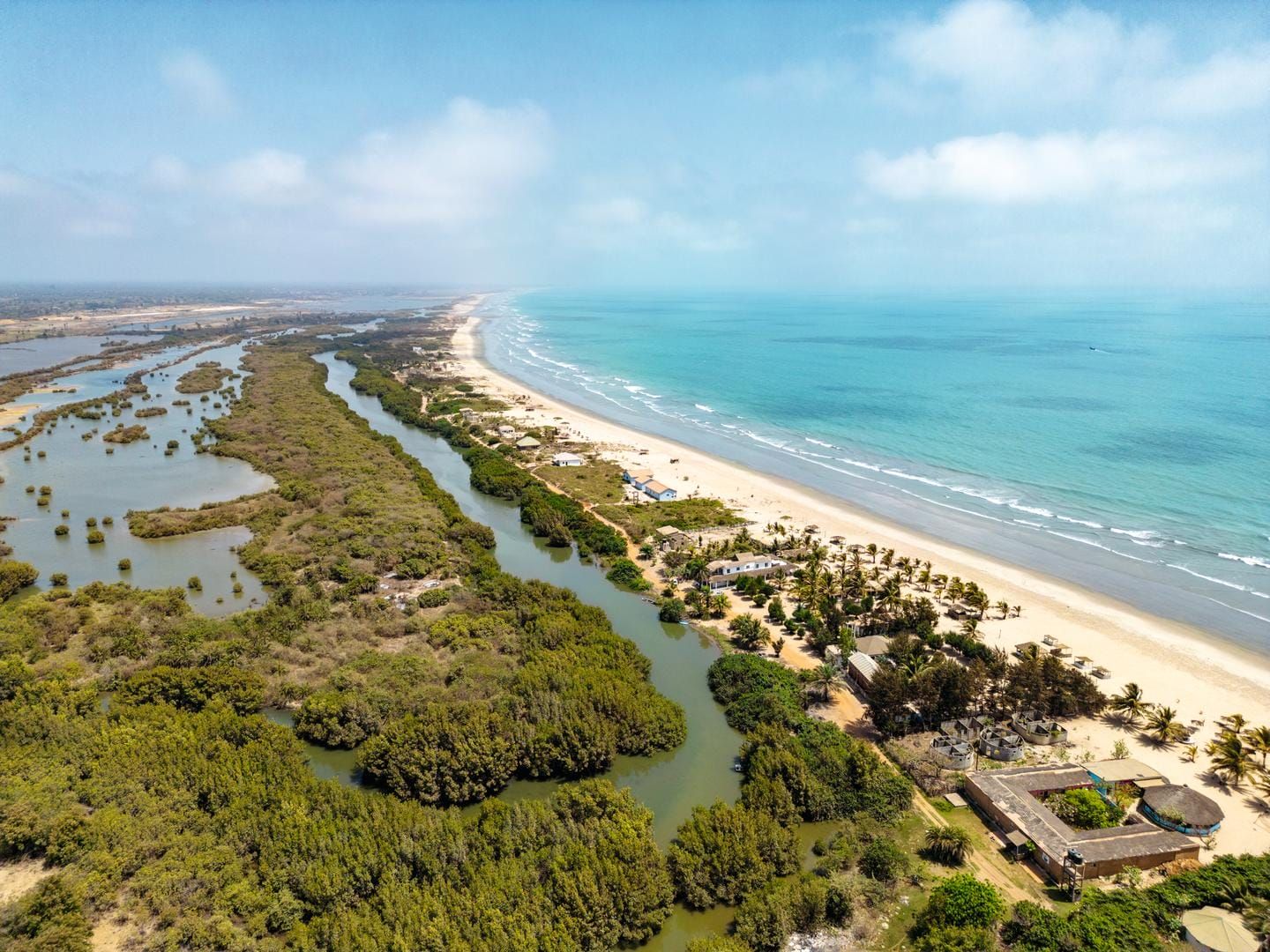
The Gambia, despite being one of Africa’s smallest mainland countries, has built much of its tourism identity around the Atlantic coast. Its beaches are already known among European winter-sun travelers, but the country is often reduced to its resort areas. Away from those established zones, the coastline connects with a wider cultural landscape that includes fishing communities, nature reserves and the Gambia River.
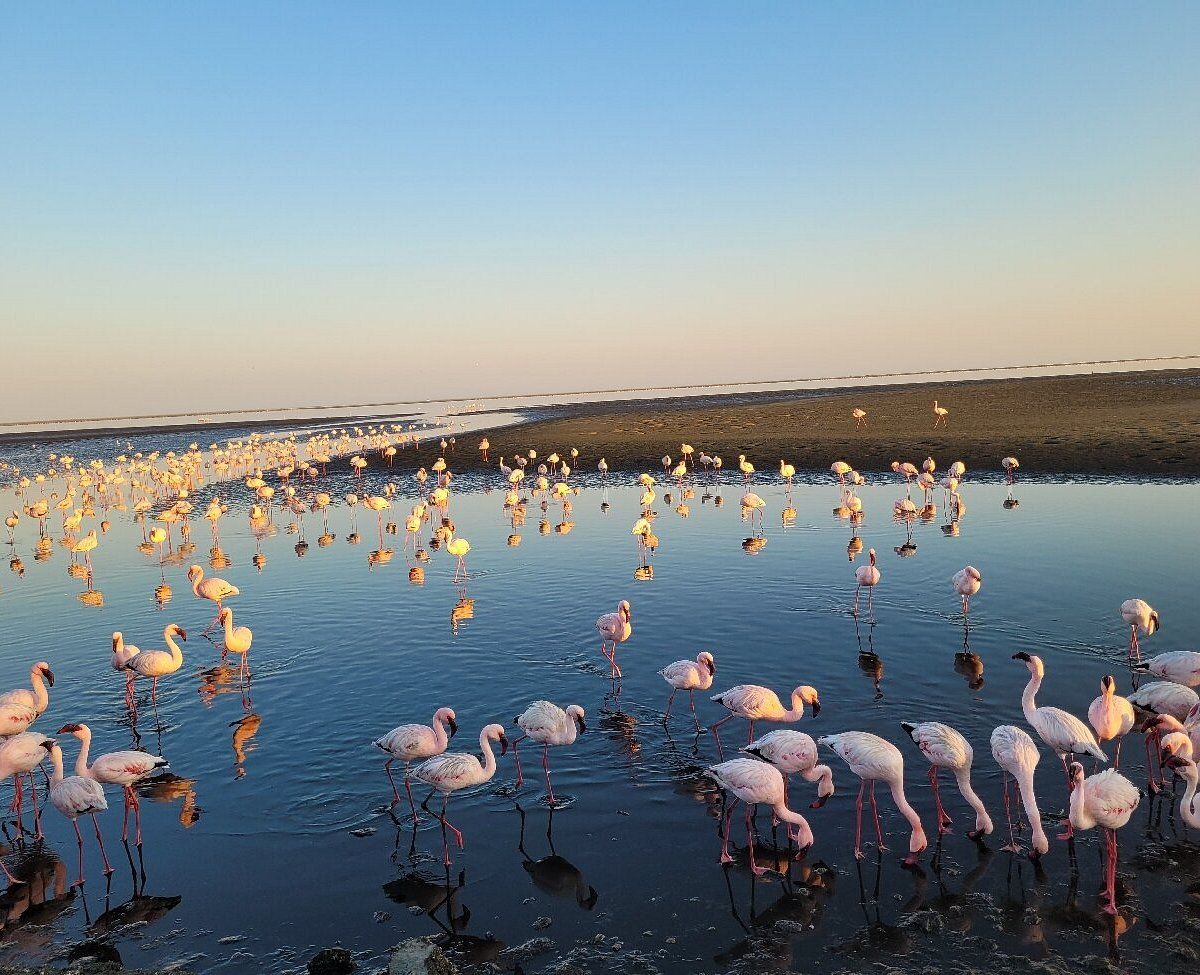
There is also Namibia, a country more readily associated with deserts and wildlife than tropical beaches. Its Atlantic coastline is dramatic rather than conventionally tropical, with cold waters, broad beaches, fog and a landscape shaped by the meeting of ocean and desert. Swakopmund and Walvis Bay are the best-known coastal centers, but the Skeleton Coast offers an entirely different sense of scale and isolation. It is not the destination for someone seeking warm swimming water. Its attraction lies in its starkness.
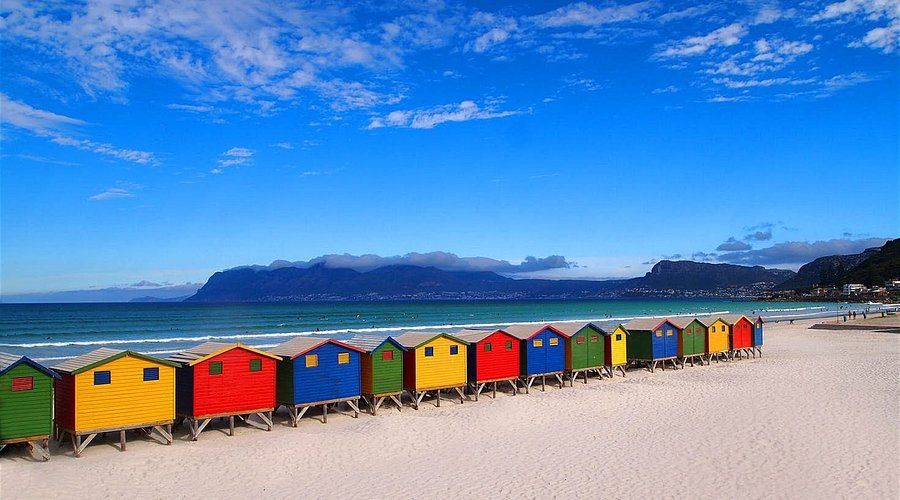
South Africa, meanwhile, demonstrates how a country can contain multiple beach identities within a single national border. Cape Town’s coastline has become internationally recognizable, but beaches along the Eastern Cape and KwaZulu-Natal offer very different experiences. The Wild Coast, in particular, has long attracted travelers looking for rugged scenery, rural communities and a less developed coastline. Its appeal comes partly from what has not been built there.
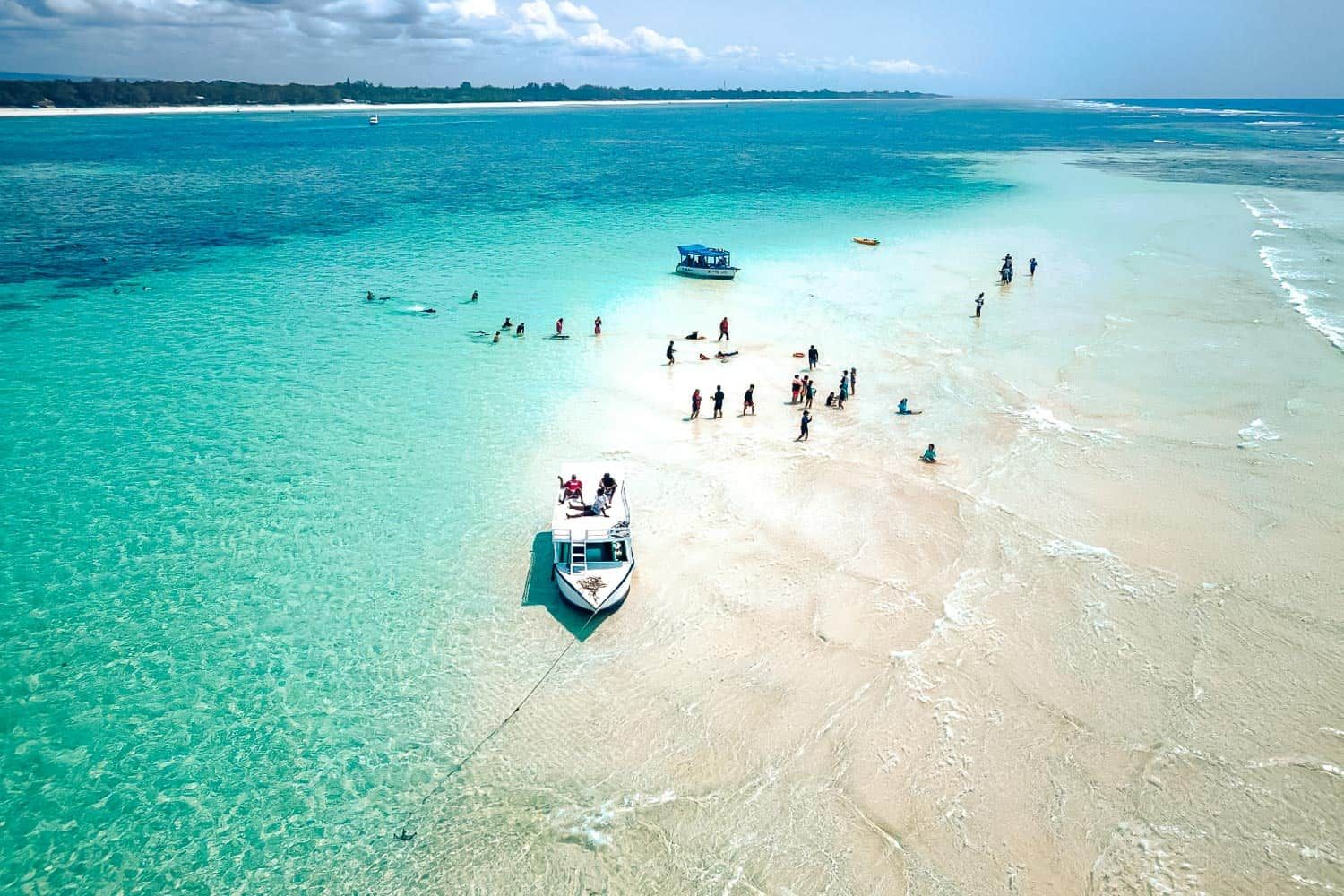
East Africa also extends well beyond Zanzibar. Kenya’s coastline includes well-established destinations such as Mombasa, Diani and Watamu, but there are smaller coastal communities and islands that receive far less international attention. Lamu is perhaps the most prominent alternative, with its Swahili architecture, narrow streets and strong cultural identity giving it a character that is difficult to reproduce in a conventional beach resort.
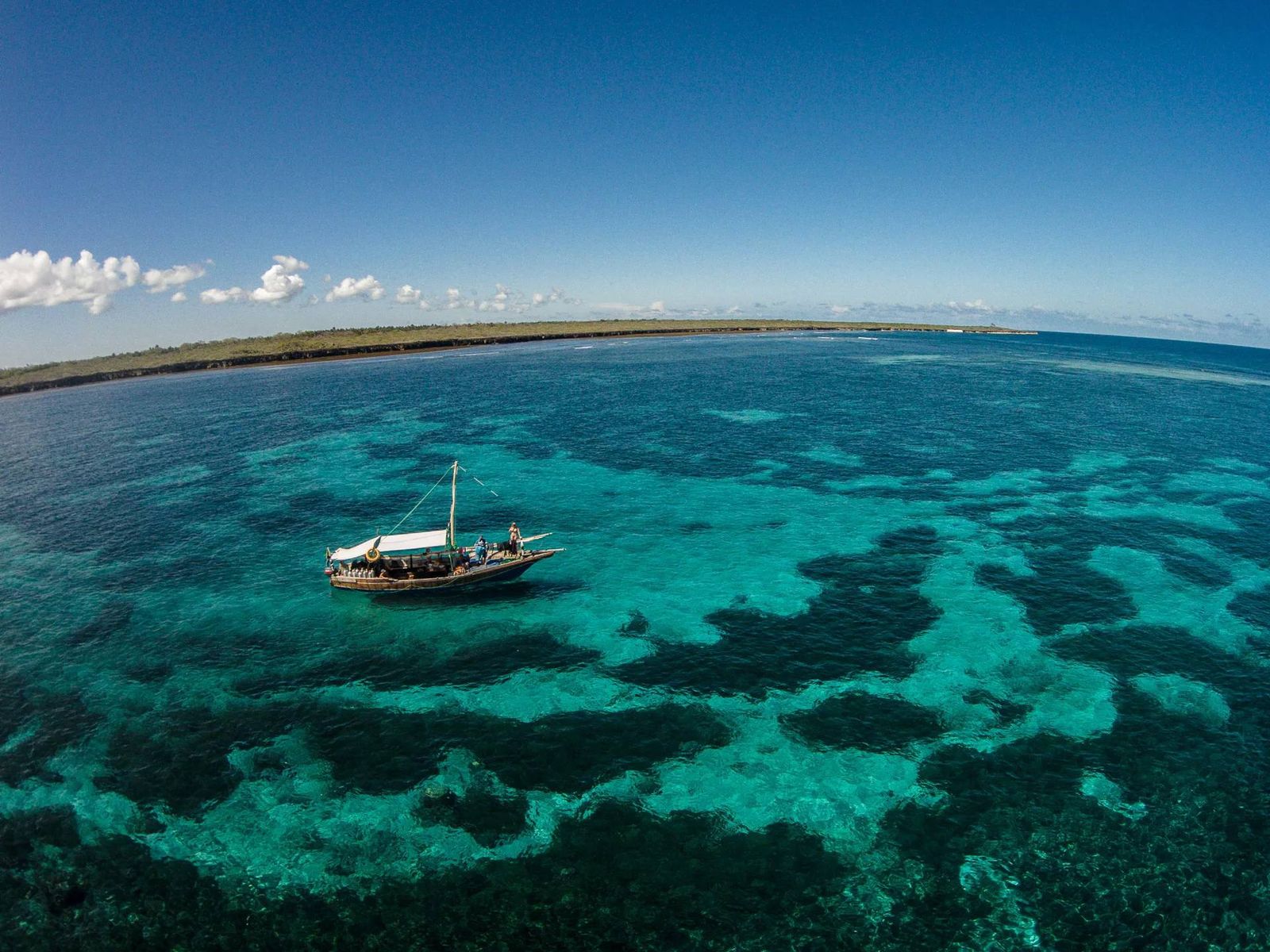
Tanzania’s Mafia Island offers another example of how a destination can develop around the ocean without becoming defined entirely by mass tourism. The island is known among divers for its marine environment, while its smaller scale gives visitors a very different experience from the heavily marketed beach areas of Zanzibar. Nearby coastal communities remain central to the island’s identity.
In North Africa, Egypt’s Red Sea coast is already an established international tourism destination, but even there the beach story extends beyond the most familiar resort names. The coastline offers diving, coral reefs and desert landscapes, creating a combination that is quite different from the palm-lined image commonly associated with an African island holiday.
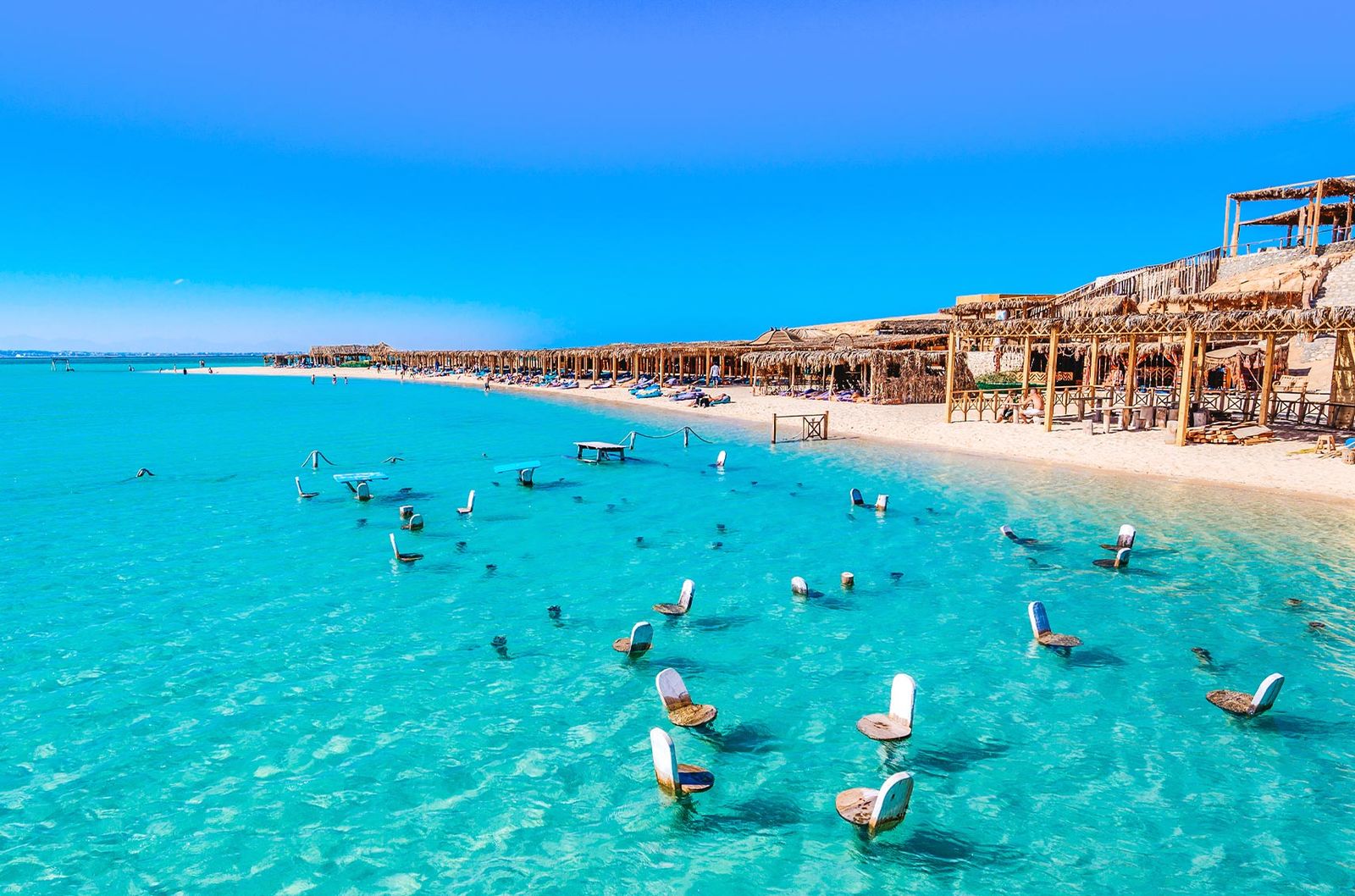
The Red Sea also points to a wider truth about African beach tourism. The continent does not have one coastal experience. Its shores face the Atlantic, Indian Ocean, Mediterranean and Red Sea, creating enormous differences in climate, marine life, culture and landscape.
That variety is potentially one of Africa’s strongest advantages, but it also creates a challenge for tourism marketing. International travelers often know a handful of African beach names and assume they represent the continent’s coastal offering. Destinations that do not have the same international visibility must compete not only for visitors, but for attention.
For smaller destinations, that competition is increasingly taking place online. A traveler planning an African holiday may encounter Zanzibar hundreds of times before seeing information about Sao Tome, Mafia Island, the Wild Coast or lesser-known parts of Mozambique. Visibility can therefore become almost as important as infrastructure.
Yet there is a risk in trying too hard to turn emerging destinations into the next Zanzibar. The value of many of these places lies in their differences. Their beaches may be quieter, their tourism infrastructure smaller and their experiences less standardized. Turning them into replicas of established resort destinations could remove the qualities that attracted travelers in the first place.
The environmental question is equally important. Coastal tourism depends on healthy beaches, reefs, mangroves, marine ecosystems and reliable water resources. Rapid development can place pressure on precisely the natural assets that bring visitors. For emerging destinations, decisions about construction, waste management, fishing, conservation and access to beaches will shape whether tourism becomes a long-term economic opportunity or a short-lived boom.
Local participation matters as well. Beach destinations are not empty stretches of sand waiting for hotels. They are places where people live, work and build communities. Tourism can create employment and markets for local businesses, but the benefits depend on how development is planned and who has a meaningful role in the industry.
For international travelers, the growing interest in lesser-known African beach destinations is also changing what a beach holiday can mean. It does not have to be a week spent moving between a hotel room, a pool and a resort buffet. It can involve learning how a coastal town makes its living, eating food prepared from local ingredients, taking a boat with a local operator, watching fishermen return from the sea or simply spending time in a place that has not been designed entirely around visitors.
That does not mean unfamiliar destinations are automatically better destinations. Some have limited transport connections, fewer accommodation choices and less developed tourism infrastructure. Others may have seasonal conditions that affect when visitors can travel comfortably. Travelers need to understand those realities before choosing them.
But that is also part of their appeal. The next chapter of African beach tourism may not be defined by a new list of luxury resorts. It could be shaped by travelers becoming more curious about places that have remained outside the traditional circuit.
From Mozambique’s islands and Ghana’s Atlantic coast to Sao Tome, Mafia Island, Senegal’s quieter shores and South Africa’s Wild Coast, Africa has a coastal map far larger than the handful of names most travelers already know. The opportunity is not simply to discover beaches that have escaped international attention. It is to discover coastal destinations whose identities have not yet been reduced to a single tourism image.
For travelers willing to look beyond the familiar names, that may be the most interesting part of Africa’s beach story.