Best cultural cities in Europe are not necessarily the places with the longest list of museums or the most recognisable monuments. The strongest cultural destinations are cities where history, art, food, architecture, music and everyday life remain closely connected, giving visitors a sense of how a place became what it is rather than simply showing them what has survived.
Europe has an unusual concentration of cities where centuries of history sit alongside contemporary culture. In some, the cultural experience is built around major museums and historic collections. In others, it is found in neighbourhoods, theatres, markets, concert halls, religious buildings and streets that still function as part of ordinary city life. That variety makes any ranking of the best cultural cities in Europe subjective, but several destinations consistently stand out because their cultural identity extends well beyond a single attraction.
Florence remains one of the clearest examples. The Italian city is closely associated with the Renaissance, and that legacy is difficult to separate from its streets and buildings. The Uffizi Gallery, Palazzo Vecchio and Galleria dell’Accademia place some of Europe’s most important works of art within a relatively compact urban setting.
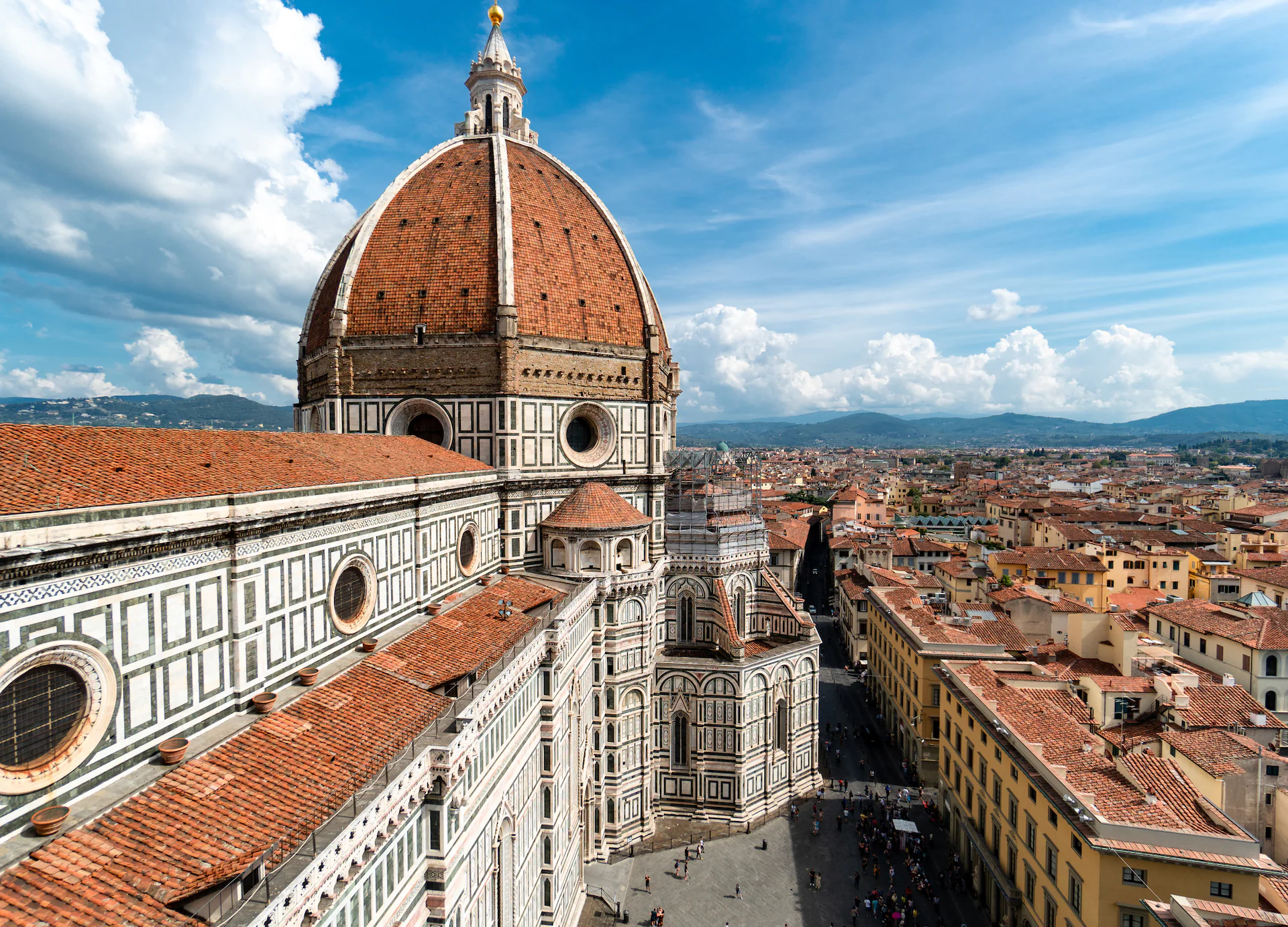
Yet Florence is not simply an open-air museum. Its historic centre, churches, workshops, cafes and public squares give visitors an opportunity to see how art and architecture developed within the social and political life of the city.
Paris occupies a different position. Few European cities have had such a sustained influence on painting, literature, fashion, cuisine and popular culture. The Louvre alone could justify a cultural visit, but the city’s appeal extends into its smaller museums, bookshops, galleries, theatres and historic neighbourhoods. Paris also demonstrates why cultural travel is not always about seeing the biggest attraction.
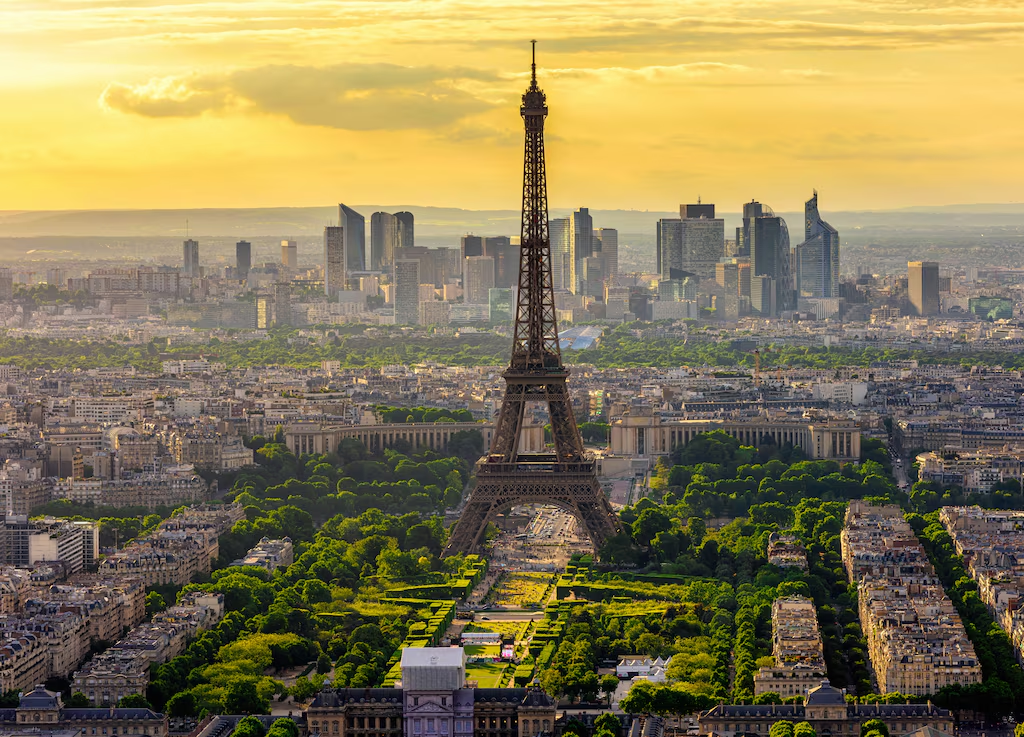
Walking through areas such as Montmartre or the Latin Quarter can provide a different understanding of the city’s artistic and intellectual history than moving from one major museum to another.
Rome is equally difficult to overlook. Its cultural landscape stretches across more than two millennia, from ancient Roman structures to Renaissance and Baroque architecture and the artistic collections of the Vatican.
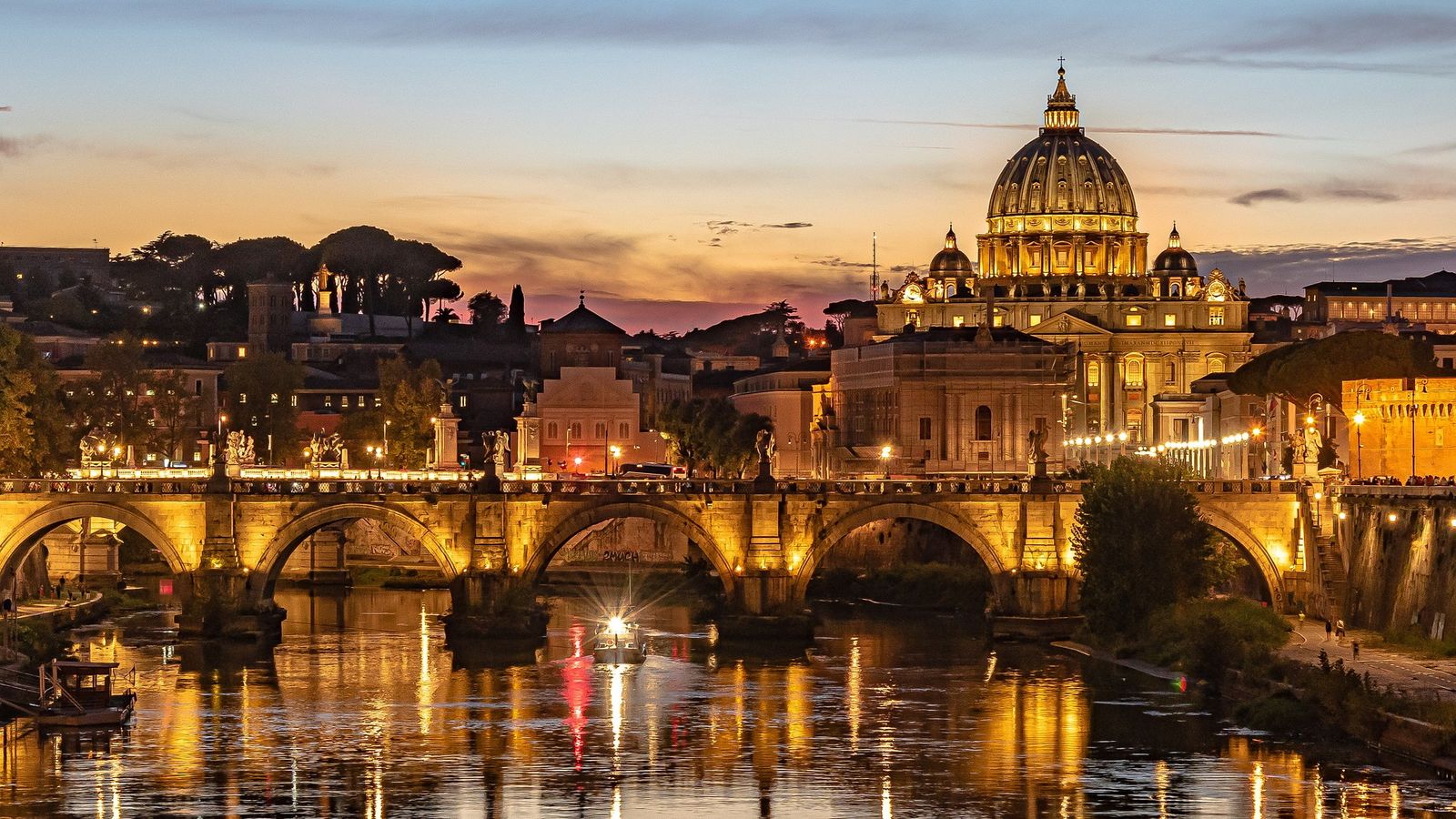
The Colosseum and Roman Forum draw enormous numbers of visitors, but Rome’s character is also visible in its churches, fountains, piazzas and residential streets. The result is a city where history is rarely confined to a museum. It is part of the physical environment through which residents move every day.
For a different cultural experience, Vienna offers a remarkable combination of music, imperial history, architecture and visual art. The city has long been associated with composers such as Mozart, Beethoven and Schubert, while institutions including the Kunsthistorisches Museum and the Belvedere provide a strong visual arts tradition.
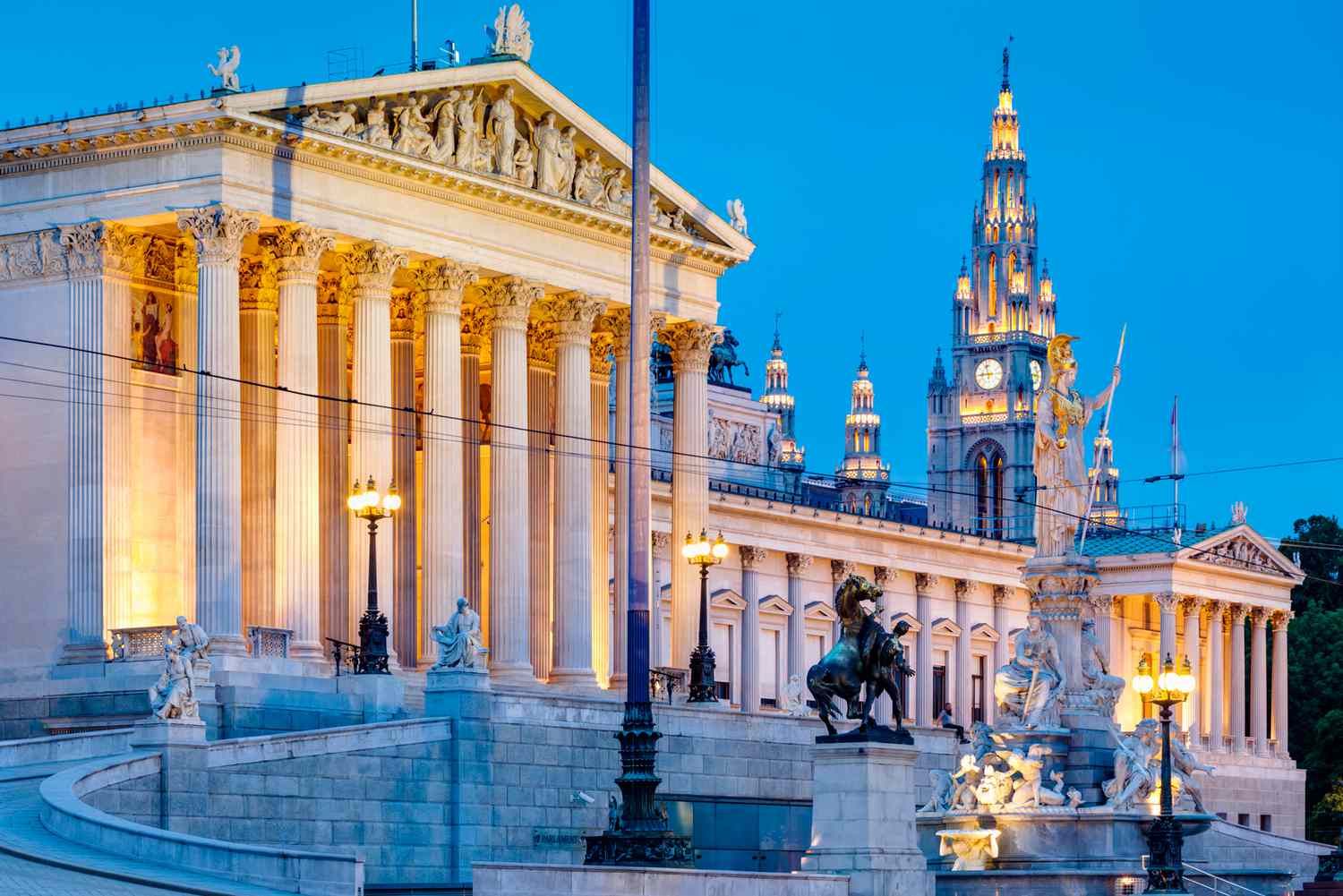
Vienna’s coffeehouse culture also forms part of its wider cultural identity, reflecting a city where conversation, literature, music and public life have historically occupied an important place.
Barcelona brings together architecture, design, Catalan identity and a strong contemporary cultural scene. Antoni Gaudi’s work has become one of the city’s defining visual signatures, with the Sagrada Familia and Park Guell attracting visitors from around the world.
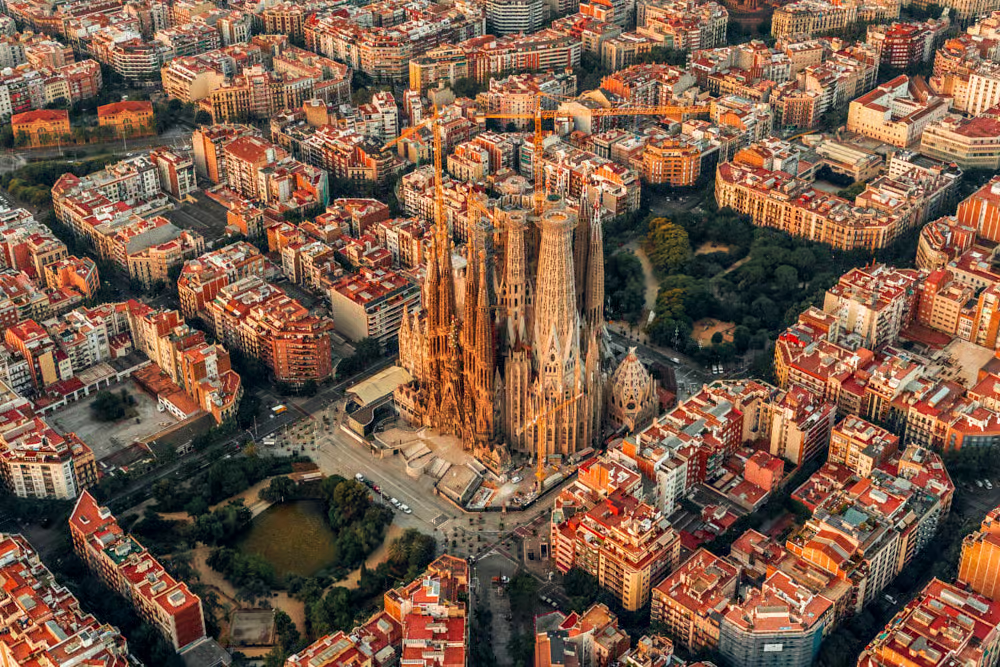
But Barcelona’s culture cannot be reduced to Gaudi. The city’s museums, food markets, neighbourhoods, music venues and Catalan traditions offer a broader picture of a place with a distinct identity within Spain.
Prague has built much of its appeal around the relationship between architecture and history. Gothic churches, Baroque buildings, medieval streets and the Prague Castle complex create a cityscape that feels unusually coherent.
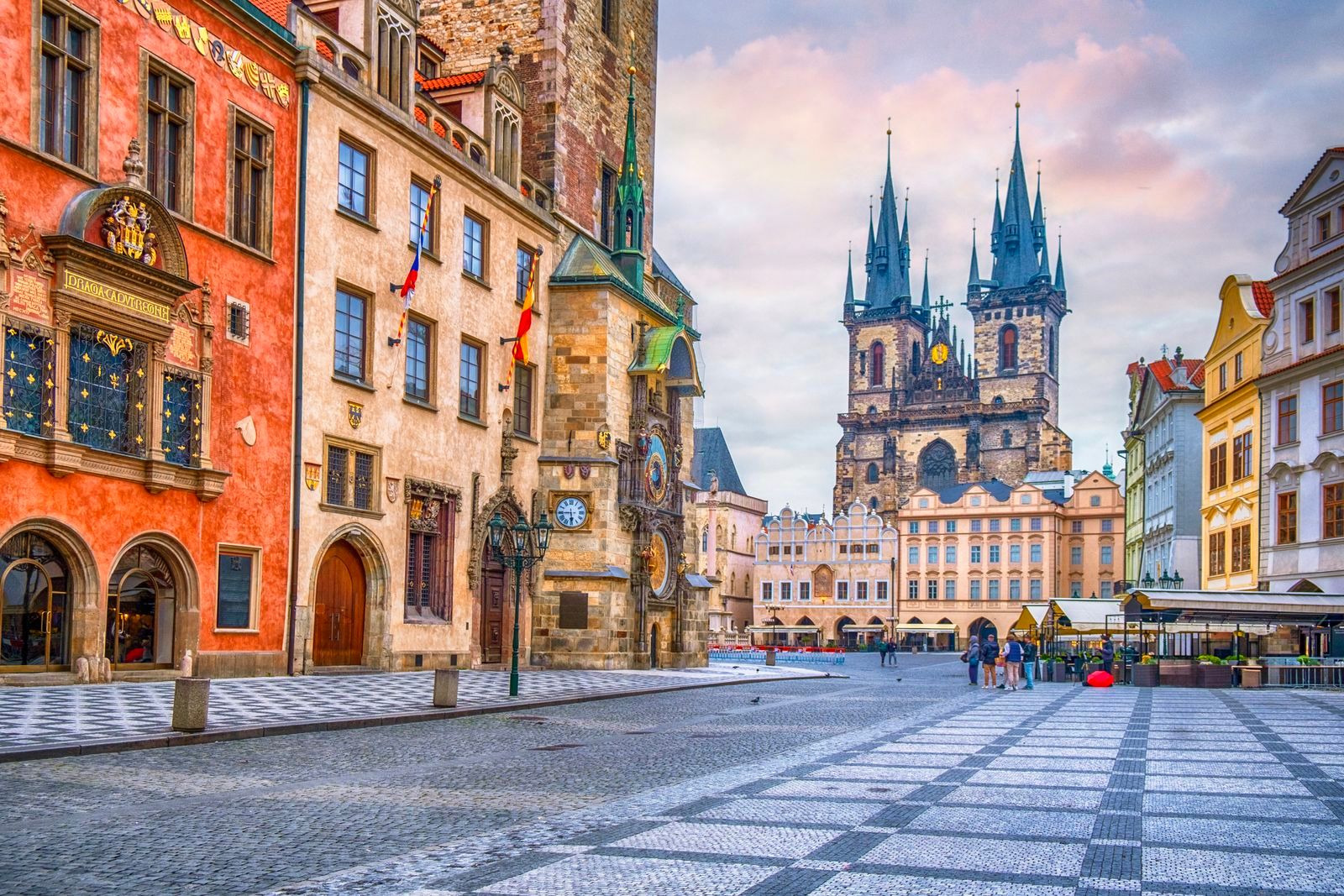
Yet the Czech capital also has a modern cultural life that extends through theatres, galleries, music venues and independent cultural spaces. Its historic appearance is therefore only part of the story.
Amsterdam is another city where culture is woven into the urban landscape. The Rijksmuseum and Van Gogh Museum attract visitors for obvious reasons, while the Anne Frank House offers a deeply personal connection to one of the darkest chapters in European history.
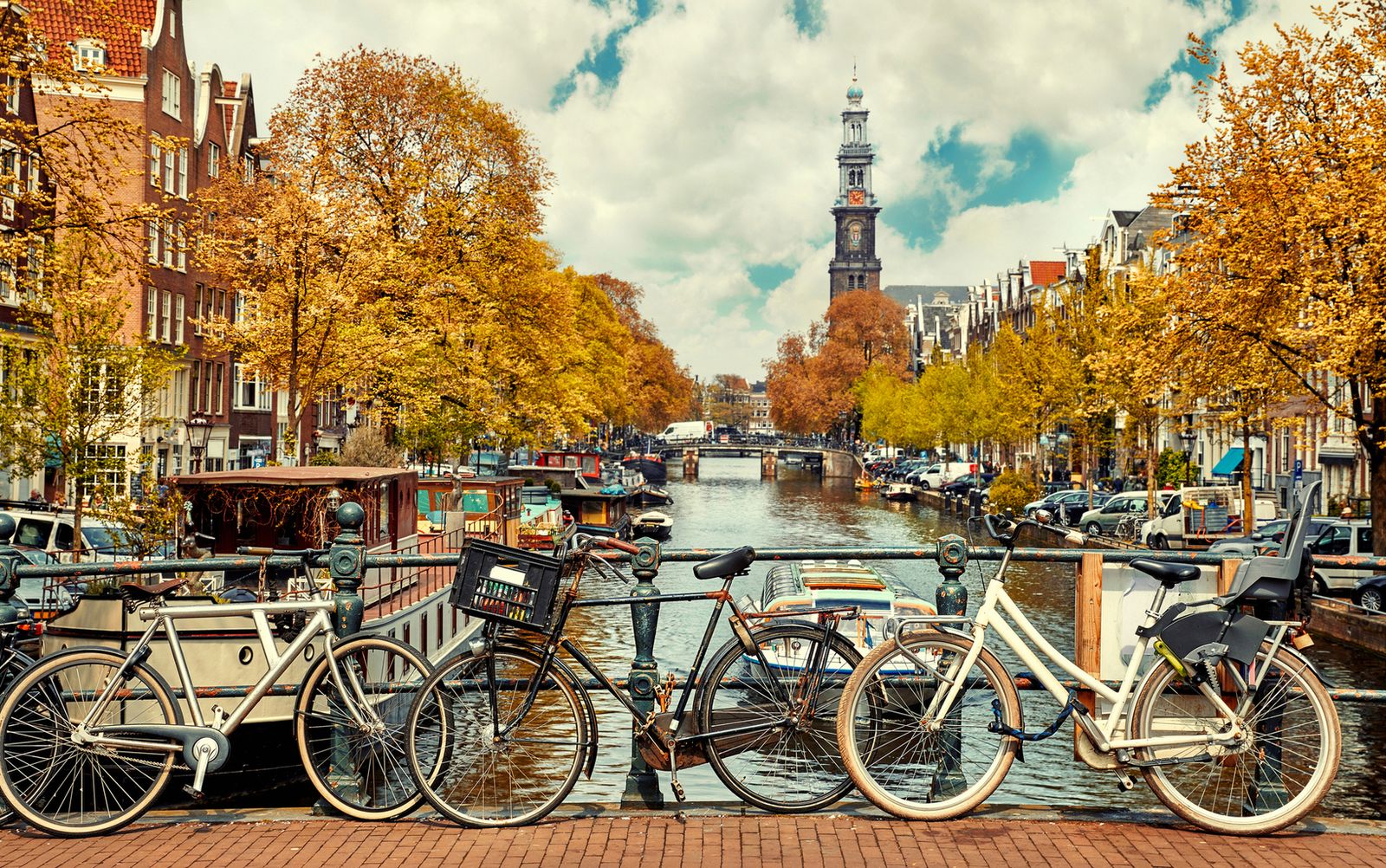
Beyond the major institutions, Amsterdam’s canals, architecture, neighbourhoods and creative industries contribute to its cultural character. The city also shows how a destination can preserve historic identity while remaining firmly contemporary.
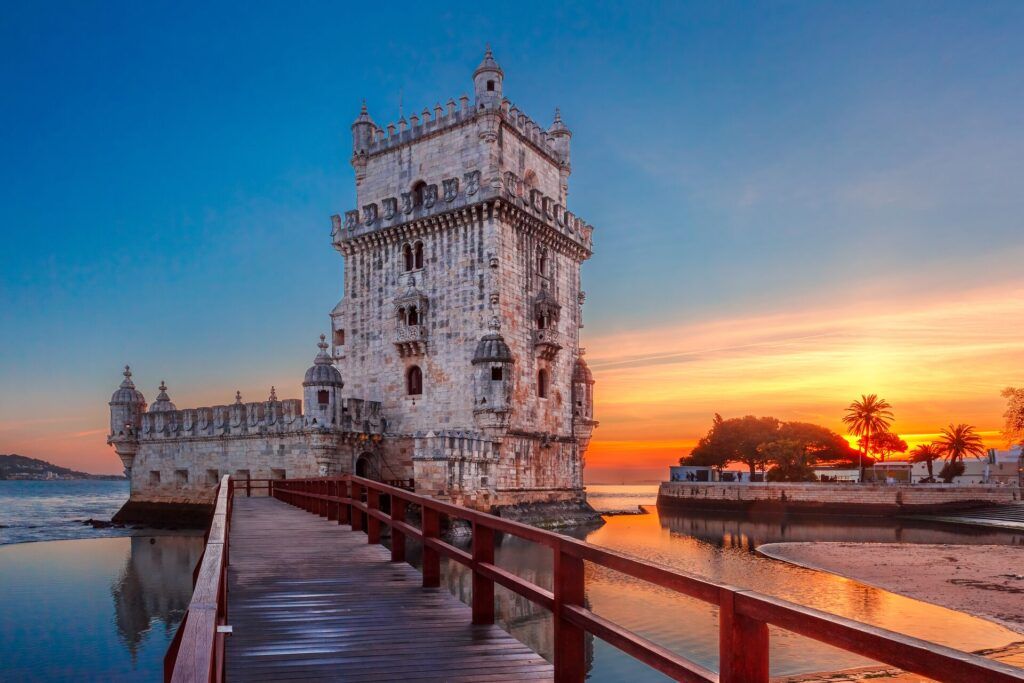
Lisbon offers a more intimate cultural experience. Its tiled facades, historic trams, steep streets and neighbourhoods reflect layers of Portuguese history, while fado remains one of the most recognisable expressions of the city’s cultural life.
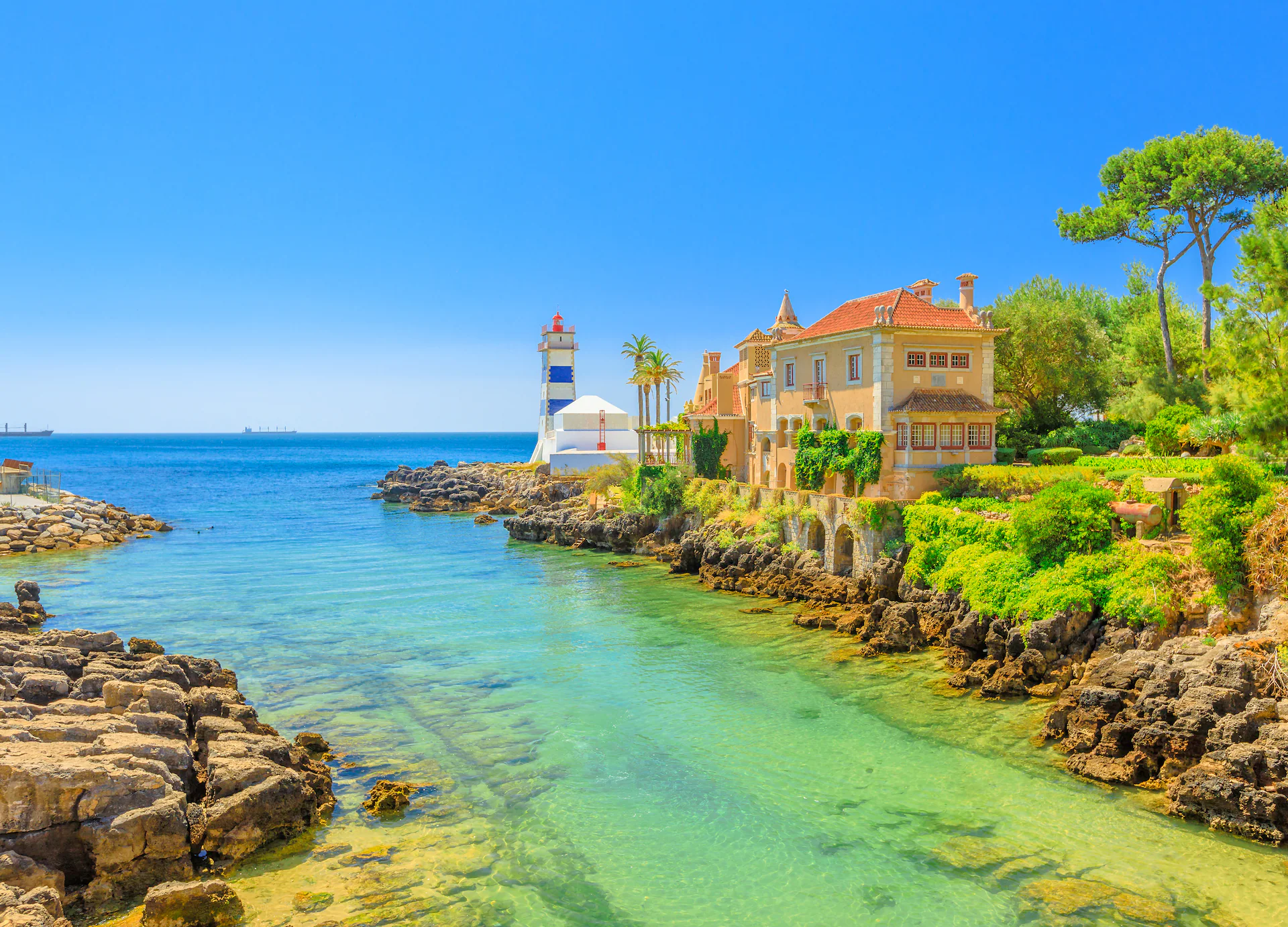
Museums and monuments matter, but much of Lisbon’s atmosphere comes from simply moving through the city and seeing how older traditions coexist with contemporary restaurants, galleries and creative spaces.
Athens presents perhaps the most obvious connection between ancient history and modern urban life. The Acropolis and its surrounding archaeological sites remain central to any visit, but Athens is not frozen in antiquity.
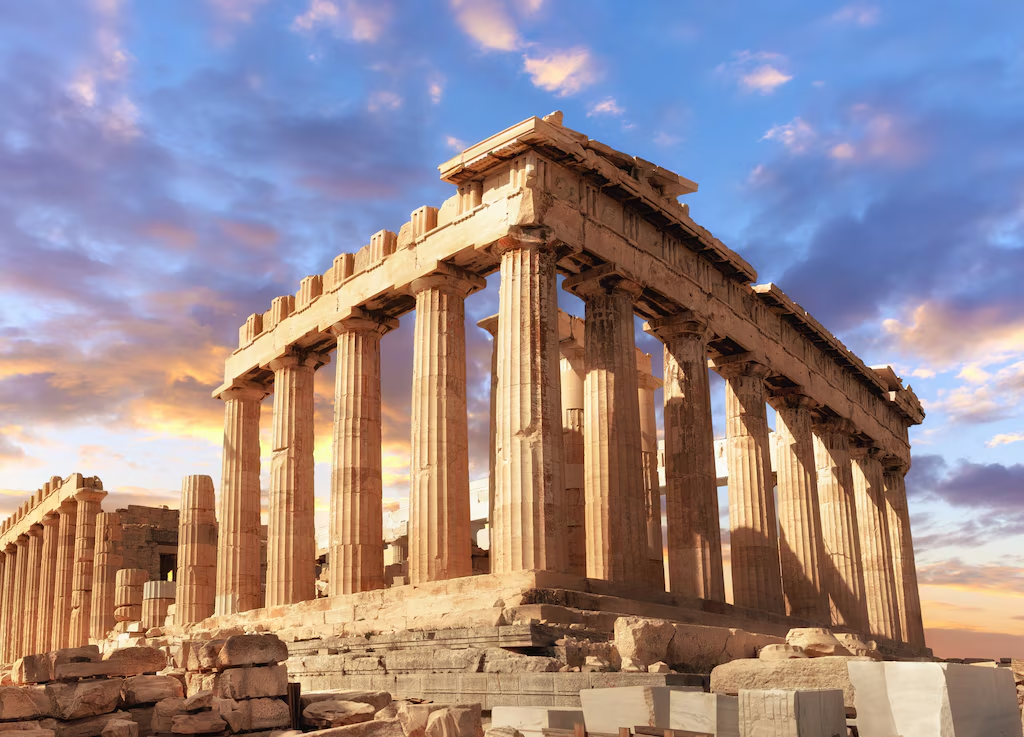
Contemporary art, independent galleries, restaurants, music venues and changing neighbourhoods have created a modern cultural identity alongside the city’s ancient heritage. That contrast is part of what makes Athens compelling.
Edinburgh offers another kind of cultural depth. The Scottish capital combines medieval and Georgian architecture with a strong literary and performing arts tradition.
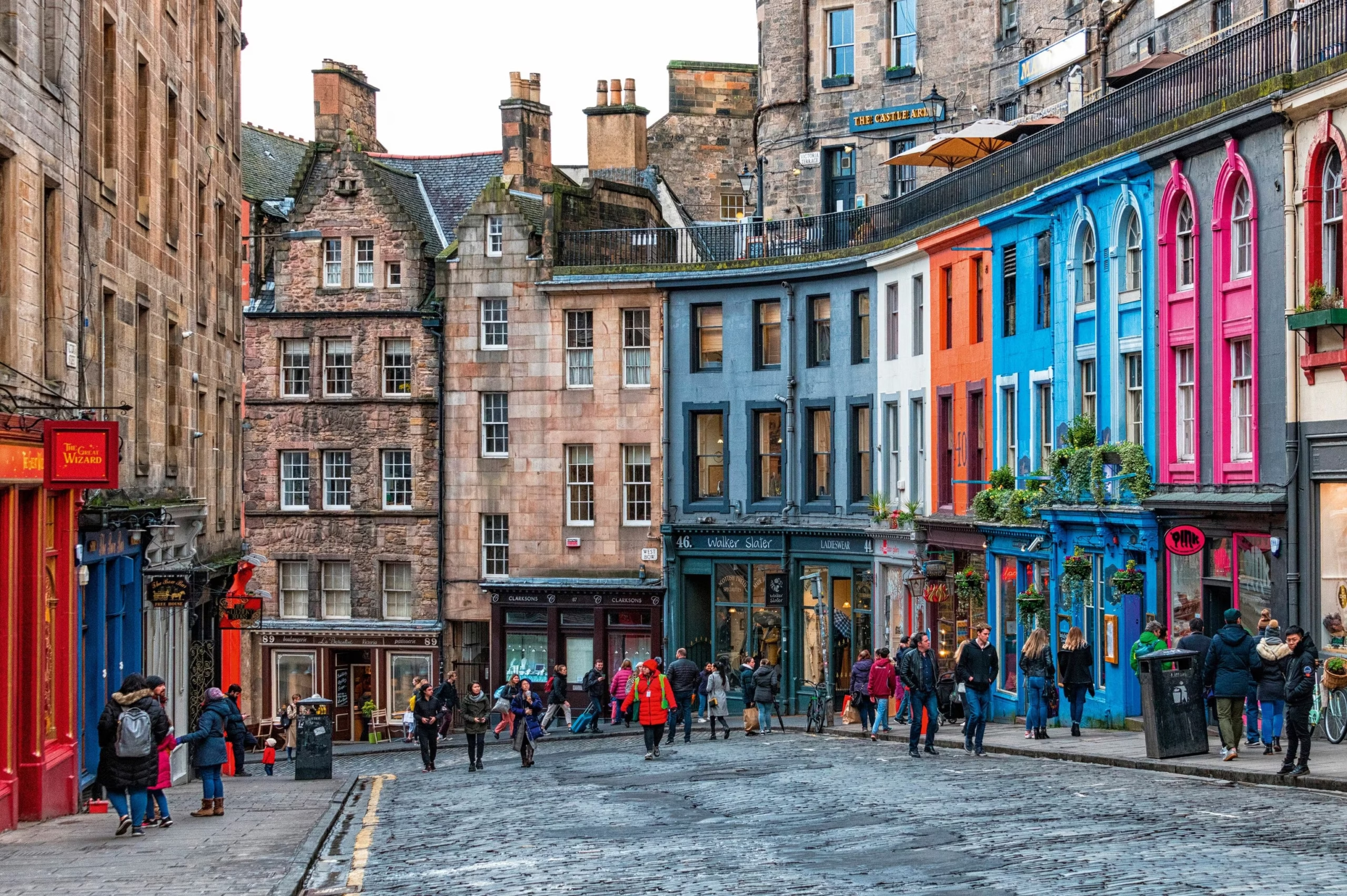
The Edinburgh International Festival and the Edinburgh Festival Fringe have helped establish the city as one of Europe’s major cultural centres, particularly during the summer. The city’s connection to writers, theatre and storytelling is also reflected in its streets, monuments and historic buildings.
Budapest has a similarly layered identity. The Hungarian capital is known for its grand architecture, thermal baths and Danube setting, but its cultural appeal also comes through music, theatre, food and contemporary creative spaces.
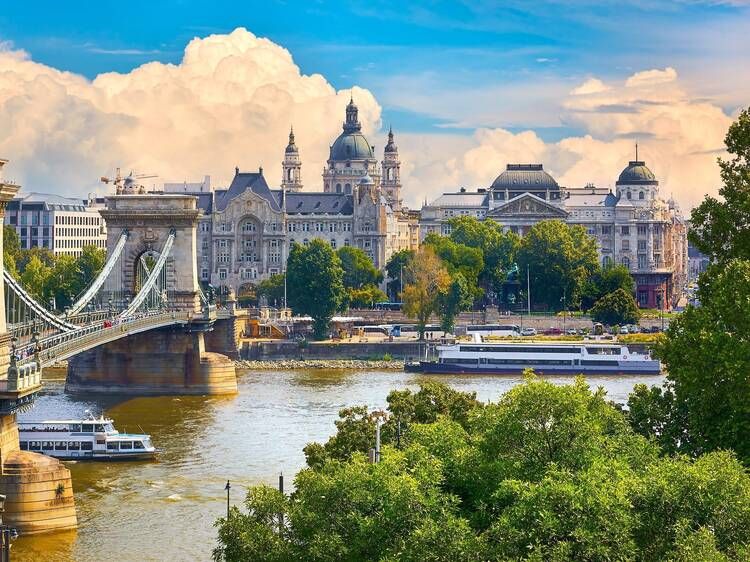
Historic buildings sit alongside newer cultural venues, giving the city a character that is neither entirely traditional nor completely modern.
Copenhagen has become increasingly prominent for travellers interested in design, architecture, food and contemporary urban culture. Its museums and historic sites are complemented by a strong design tradition and a distinctive approach to public space.
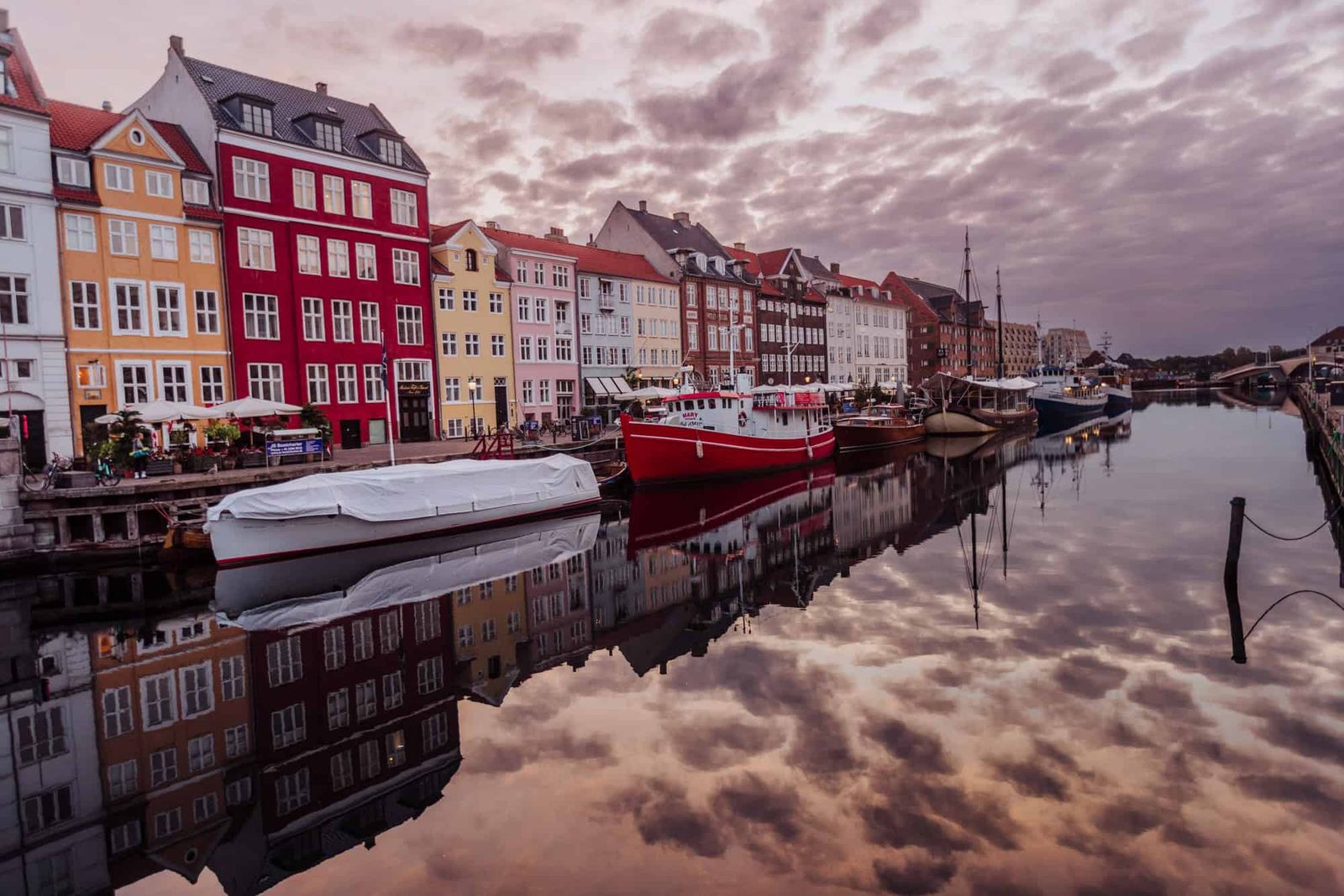
The city is a reminder that cultural travel does not have to be centred on ancient monuments. A city’s design choices, food culture and everyday way of life can be just as revealing.
Istanbul complicates the idea of where European culture begins and ends. Straddling Europe and Asia, the Turkish city has been shaped by Byzantine, Roman and Ottoman histories and remains one of the world’s most distinctive urban environments.
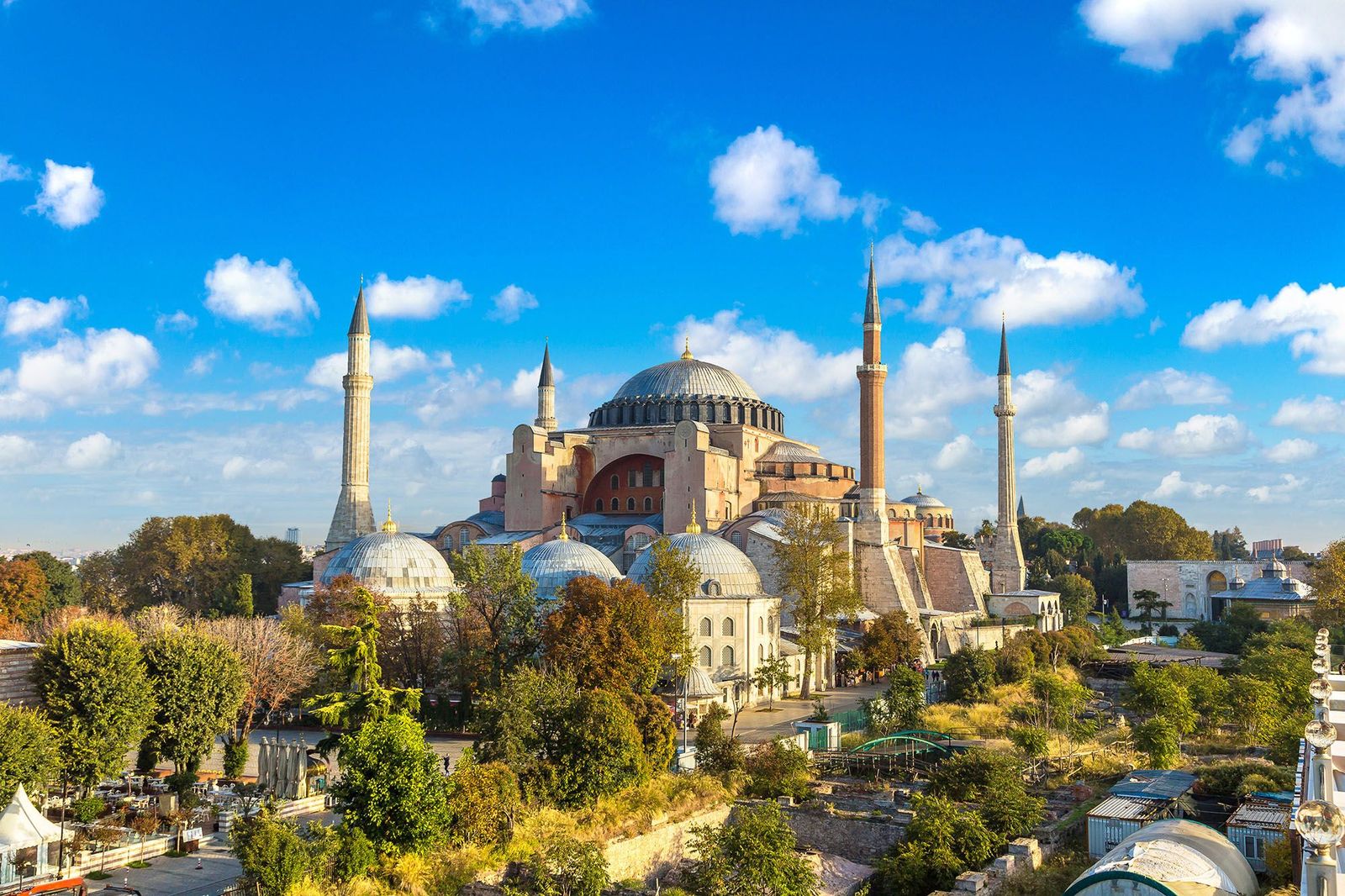
Hagia Sophia, the Blue Mosque, Topkapi Palace and the Grand Bazaar tell different parts of that story, while contemporary galleries, restaurants, music and neighbourhood life show a city that continues to evolve.
Berlin is perhaps the strongest example of a European cultural capital shaped as much by recent history as by its older heritage.
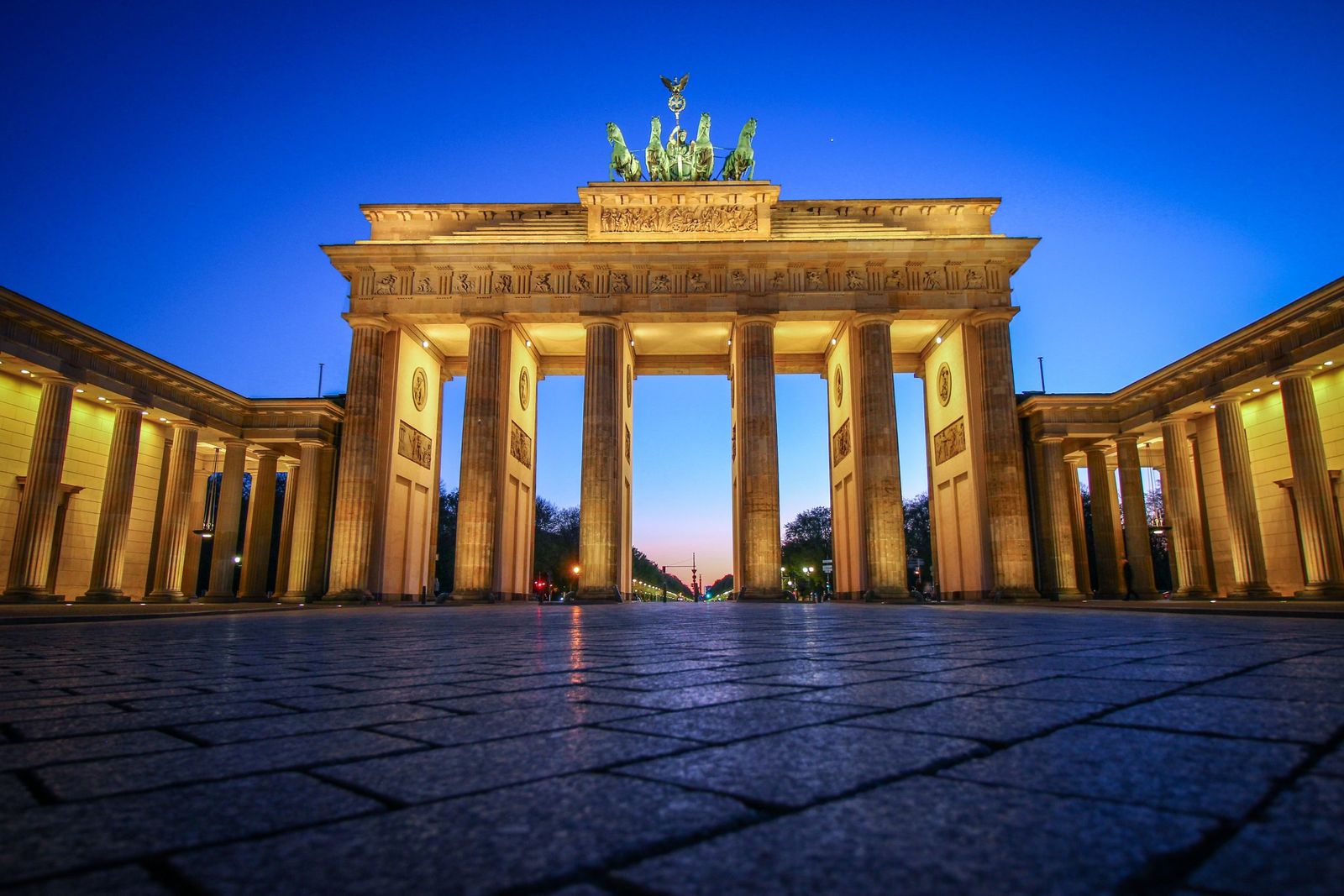
The remnants of the Berlin Wall, museums on Museum Island, memorials, galleries, clubs and theatres all contribute to a city that has repeatedly reinvented itself. Berlin’s cultural identity is difficult to separate from the political divisions and reunification that transformed it in the 20th century.
The case for including these cities among the best cultural cities in Europe is therefore not simply about the number of attractions they contain. Cultural travel becomes more meaningful when visitors can understand the relationship between a city’s past and its present. A museum may explain an artist. A monument may explain an empire. A neighbourhood may explain how ordinary people lived. A concert, meal or local festival can reveal how traditions continue to change.
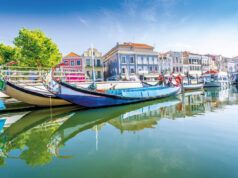
That is also why smaller European cities deserve attention. Places such as Krakow, Porto, Salzburg, Bruges and Bologna may not have the same global profile as Paris or Rome, but they offer concentrated cultural experiences that can sometimes be easier to explore at a human pace. Their historic centres, local traditions and food cultures can make them particularly rewarding for travellers who want more than a checklist of famous sights.
Choosing among the best cultural cities in Europe ultimately depends on what a traveller means by culture. Someone interested in Renaissance art may find Florence difficult to beat. A visitor drawn to classical history may prefer Athens or Rome. Music lovers may gravitate towards Vienna, while contemporary culture can make Berlin especially compelling. For architecture and design, Barcelona and Copenhagen offer very different but equally strong experiences.
The most rewarding cultural city, however, is often the one that encourages visitors to look beyond its headline attractions. Europe’s cultural strength lies in the fact that its cities are not preserved museum pieces. They are living places where old buildings, historical memory, local traditions and new ideas continue to exist side by side. That is what keeps cultural travel across the continent interesting long after the famous landmarks have been photographed.