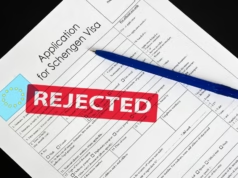
A previous visa refusal does not automatically prevent someone from obtaining a visa in the future, but it can raise questions that applicants need to address carefully. When submitting a new application, explaining a previous visa refusal is not simply about admitting that an earlier application was unsuccessful. It is about showing the immigration authorities that the circumstances surrounding the new application have been properly addressed and that the applicant now meets the relevant visa requirements.
For many travellers, receiving a visa refusal can be discouraging, particularly when they have already spent money on application fees, accommodation arrangements, flight reservations and supporting documents. Some applicants respond by immediately submitting another application, hoping that a different set of documents or a new explanation will produce a better outcome. Others avoid mentioning the refusal altogether because they fear that disclosing it will damage their chances. Both approaches can create further problems if the underlying concerns are not properly understood.

A previous refusal is not necessarily a permanent obstacle. Under Article 21 of the European Union’s Visa Code, a previous visa refusal must not automatically result in the rejection of a new application. Each application must be assessed using the information available at the time. The United States Department of State also allows applicants who have been found ineligible to apply again, although the requirements depend on the reason for the earlier decision. These rules demonstrate that a refusal does not always close the door to future travel, but it does not guarantee that a subsequent application will be approved either.
The first step when preparing a new application is to understand exactly why the previous one was rejected. Applicants should carefully read the refusal letter rather than relying on assumptions about what went wrong. Visa refusal notices generally identify the grounds for the decision, although the level of detail varies between countries and visa categories.
For a Schengen visa, for example, the refusal decision is communicated through a standard form indicating the relevant grounds. These may include insufficient evidence of the purpose of the visit, inadequate financial resources, doubts about the intended accommodation arrangements or concerns about whether the applicant intends to leave the Schengen area before the visa expires. In Finland, the Ministry for Foreign Affairs explains that visa applications are assessed individually under the common EU Visa Code, with the reasons for refusal provided in the decision.
Understanding the specific reason matters because a new application should respond to the actual concern raised by the immigration authority. If the previous refusal involved insufficient financial evidence, submitting another application with the same bank statements and no meaningful improvement may do little to resolve the problem. If the concern related to the purpose of travel, the applicant may need to provide a clearer itinerary, more credible accommodation arrangements or additional evidence explaining the reason for the visit.
Applicants should also distinguish between a refusal caused by missing documentation and one involving wider concerns about their personal circumstances. An application may have been rejected because supporting information was incomplete, but another may have raised questions about the applicant’s financial position, employment, family circumstances or intention to return after a temporary stay. These are different issues and require different responses.
Once the reasons are understood, the applicant should establish what has changed since the previous decision. A new application is stronger when it contains relevant information or evidence that was missing, incomplete or different from what was previously submitted. This could include updated employment records, more recent financial documents, evidence of an approved leave period, a clearer explanation of who will pay for the trip or documentation confirming the purpose of the proposed visit.
However, applicants should not assume that simply adding more documents will make an application stronger. The quality, relevance and consistency of the evidence matter more than the number of pages submitted. A large collection of unrelated documents may make an application harder to understand without addressing the original concern.
A written explanation can help bring the previous refusal and the new application together. Where appropriate, applicants can include a short cover letter acknowledging the earlier decision, identifying the concerns raised and explaining how those concerns have been addressed. The letter should be factual, direct and supported by the documents accompanying the application.
ALSO READ: How to Get Proof of Accommodation for a Tourist Visa: Hotels, Host Invitations and Other Options
For instance, an applicant previously refused a tourist visa because there was insufficient evidence of financial means could explain that the earlier application did not adequately demonstrate how the trip would be funded. If the new application includes updated bank statements, employment records and a clear explanation of the source of the travel funds, the applicant can refer to those documents in the letter. The explanation should make it easy for the visa officer to understand what is different rather than requiring them to work out the changes independently.
Similarly, someone whose previous application raised concerns about their intention to return after a visit should address the specific circumstances relevant to their case. Depending on the visa requirements, evidence of ongoing employment, approved leave, business responsibilities, family commitments or other established obligations may help explain their situation. These documents should reflect the applicant’s genuine circumstances. There is no single document that guarantees approval, and having family members or employment in a particular country does not automatically establish eligibility.
Honesty is particularly important when explaining an earlier refusal. Applicants should answer questions about previous visa applications accurately, including refusals by other countries where the application form requests that information. A refusal from one country should not be concealed simply because the new application is being submitted to a different embassy or immigration authority.
The United Kingdom’s Home Office guidance identifies the failure to disclose relevant previous immigration refusals as an example of non-disclosure. Depending on the circumstances, deliberately withholding information or providing false details can lead to further immigration consequences. Applicants should therefore read every question carefully and provide the information requested, even when they believe the earlier refusal is unrelated to the new application.
There is also an important difference between explaining a refusal and attempting to challenge the original decision. If an applicant believes that the previous decision was incorrect, they should examine whether an appeal, administrative review or another formal remedy is available. The relevant procedure depends on the country, visa category and grounds for refusal. In some cases, challenging the decision may be more appropriate than immediately submitting another application.
For example, applicants refused a Schengen visa have the right to appeal under the applicable procedures, with the refusal notification providing information about the process. In Finland, an applicant refused a visa by a Finnish mission may request an administrative review from the Ministry for Foreign Affairs. The deadlines and requirements should be checked carefully because they can differ between countries.
For US visa applicants, the position depends on the legal grounds for refusal. Someone refused under Section 214(b) may apply again, but the Department of State advises that applicants should be able to present additional information or demonstrate significant changes in their circumstances. A refusal under Section 221(g), on the other hand, may involve missing documents or further administrative processing, meaning the appropriate next step could be to provide the requested information rather than immediately starting an entirely new application.
The timing of a new application also deserves consideration. There is no universal waiting period that applies to every visa refusal. Some applicants may be able to submit a new application immediately, while others may benefit from taking time to obtain missing documents, improve their evidence or wait until their circumstances have genuinely changed. Applying again without addressing the reasons for the earlier refusal can result in another unsuccessful decision and additional costs.
Applicants should also be cautious about advice from unofficial visa agents or individuals who promise guaranteed approval after a previous refusal. No consultant, travel agent or document preparation service can guarantee that an embassy will issue a visa. Be particularly careful of anyone suggesting that an applicant should hide an earlier refusal, alter financial documents, create artificial employment records or provide misleading information to improve their chances.
A useful explanation does not need to be long or emotional. It should identify the previous application, acknowledge the decision, address the relevant concerns and direct the visa officer to the new supporting evidence. Applicants should avoid blaming embassy officials, making unsupported accusations or writing lengthy personal statements that do not answer the concerns raised. If there were genuine mistakes in the earlier application, these can be explained honestly, with any necessary corrections clearly identified.
It is equally important to ensure that the new application is consistent across all documents. Employment details, travel dates, accommodation arrangements, financial information and the stated purpose of travel should agree with one another. Contradictions between the application form and supporting documents can create additional questions, particularly when the applicant is already submitting a fresh application following a refusal.
A previous visa refusal should be treated as an issue that requires attention, not as something that must automatically determine the outcome of every future application. Immigration authorities assess applications according to the rules governing the particular visa, the applicant’s circumstances and the evidence available. A carefully prepared new application can demonstrate that the earlier concerns have been understood and addressed, but the final decision remains with the relevant authorities.
For anyone preparing to apply again, the most sensible approach is to start with the refusal letter, identify what went wrong, establish what has genuinely changed and make sure the new application provides clear evidence of eligibility. A refusal cannot always be reversed, but an applicant who approaches the next application with accuracy, transparency and a stronger understanding of the requirements is in a better position to present their case.