Botswana Tourism and Mozambique’s national tourism investment agency have signed a Memorandum of Understanding aimed at increasing cooperation in tourism marketing, investment, sustainability and destination development between the two countries.
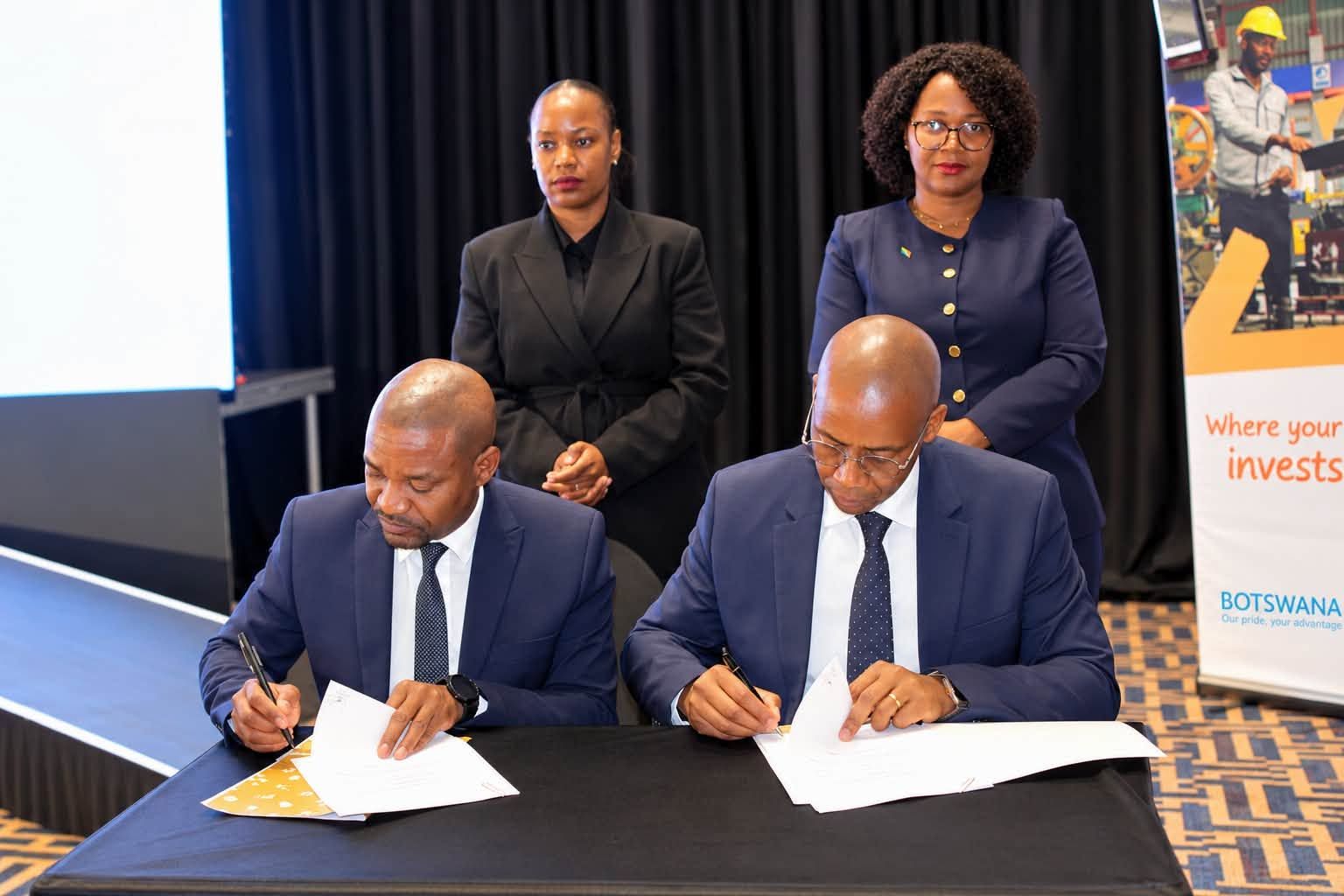
The agreement between the Botswana Tourism Organisation (BTO) and the Agencia Nacional para o Desenvolvimento e Investimento Turistico, Fundo Publico (ANDITUR, FP) creates a framework for closer collaboration and greater movement of tourists between Botswana and Mozambique. It also places greater emphasis on developing tourism products that allow visitors to experience both countries as part of the same trip.
A central part of the agreement is the development and promotion of multi-destination tourism experiences built around the different strengths of the two destinations. Botswana’s wildlife and nature-based tourism offering can be combined with Mozambique’s beach and marine attractions, alongside cultural and adventure experiences available in both countries.
The arrangement is intended to encourage tourism businesses in the two markets to work more closely. Tour operators, destination management companies, airlines and other industry players will be encouraged to develop joint itineraries and promote them in selected international markets.
For travelers, the approach could make it easier to combine two southern African destinations in a single holiday rather than treating them as separate trips. For the tourism industry, it creates an opportunity to package complementary experiences across national borders and reach international visitors through a broader regional proposition.
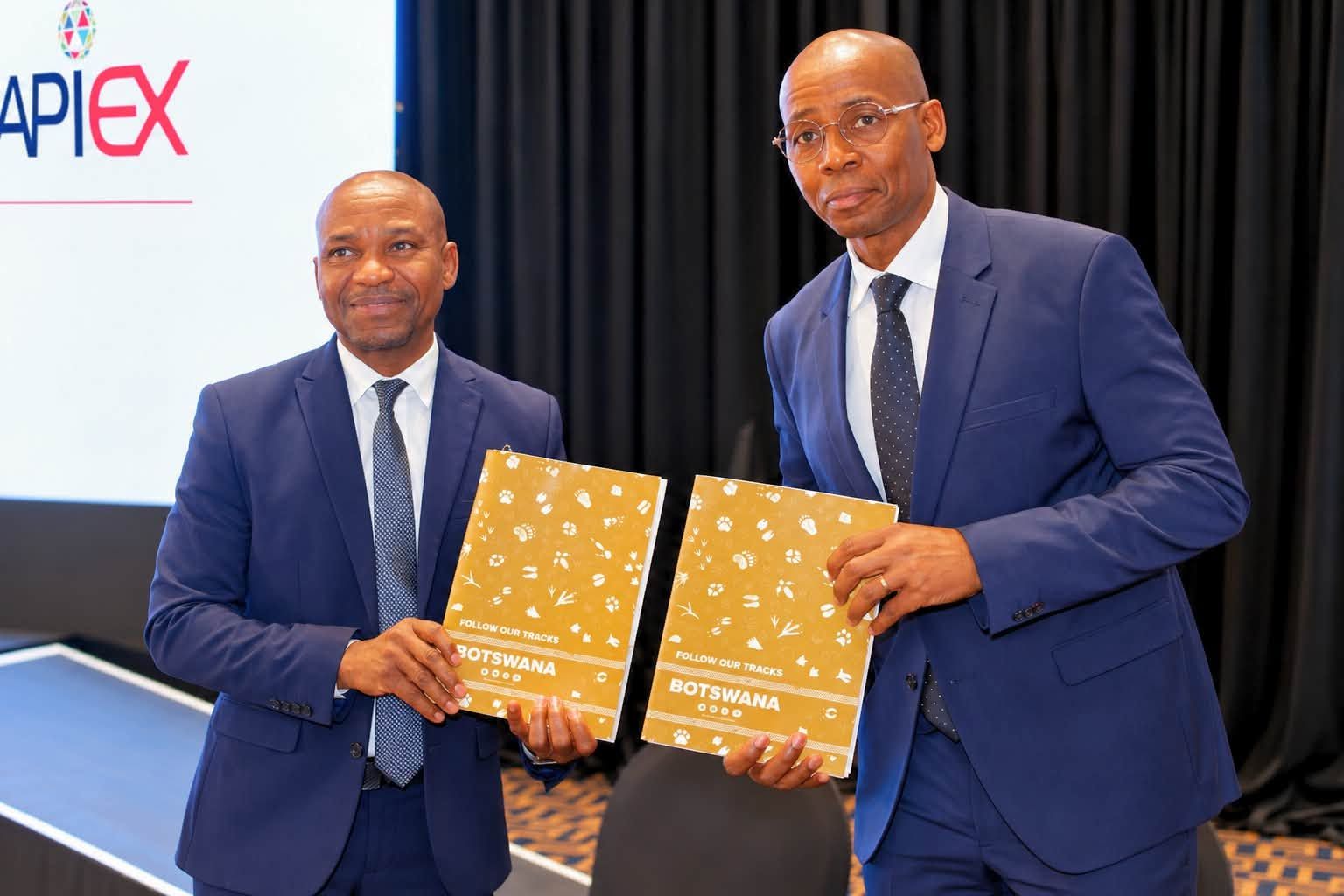
The cooperation will extend beyond destination promotion. BTO and ANDITUR plan to work together on tourism investment, market research, tourism statistics, sustainable tourism, quality assurance, MICE tourism, air connectivity, digital tourism and skills development.
Investment is another significant element of the agreement. The two organisations will support investment facilitation, investor introductions and the exchange of information that can help identify opportunities in the tourism sectors of both countries. Familiarisation visits and joint marketing activities are also included in the framework.
The agreement also calls for greater exchange of tourism research and market intelligence. Sharing information about visitor markets, tourism trends and destination performance can help both institutions better understand changing demand and identify areas where joint initiatives could have commercial potential.
Sustainability and quality assurance are also part of the cooperation framework, reflecting an effort to link tourism growth with longer-term destination development rather than focusing only on increasing visitor numbers.
The agreement provides for the participation of the private sector, allowing tourism companies and other industry stakeholders to play a role in developing partnerships and new products. This could be particularly relevant to the proposed multi-destination experiences, which will depend on cooperation between businesses operating across borders.
Digital Is Deciding the Destination: What European Travellers Want to See Before They Book
Implementation of the MoU will be coordinated through a Joint Technical Committee. The committee will monitor activities under the agreement and develop a five-year plan of action to guide the partnership.
The agreement comes as Botswana and Mozambique seek to strengthen their positions within the wider southern African tourism market. By combining their distinct tourism offerings and encouraging closer cooperation between public institutions and private businesses, the partnership creates a framework for promoting the two countries together in international markets.
Its success will ultimately depend on how effectively the commitments are translated into joint tourism products, investment opportunities, industry partnerships and easier connections between the two destinations. For now, the MoU establishes the institutional structure for that cooperation and gives Botswana and Mozambique a formal platform to pursue a more integrated approach to tourism development.