
European destinations to visit in 2027 are already attracting attention from travellers looking for something beyond the continent’s familiar tourist cities. From Germany’s fairy-tale castles and Scotland’s ancient islands to Iceland’s volcanic landscapes and Georgia’s historic wine country, there are plenty of places worth adding to next year’s holiday plans.
A new selection of 100 journeys featured in Lonely Planet’s travel guide “Dream Trips of Europe” highlights some of the continent’s most interesting travel experiences. The recommendations include historic landmarks, mountain trails, scenic railway journeys, traditional food and wine regions, and destinations where visitors can explore Europe’s cultural heritage.
For anyone planning a European holiday in 2027, these eight destinations offer different ways to experience the continent, whether through outdoor adventures, ancient history, architecture or regional cuisine.
Germany’s Bavaria region is an appealing destination for travellers fascinated by royal history and elaborate castles. Much of its appeal comes from King Ludwig II, who ruled Bavaria from 1864 until his death in 1886. Known as the Swan King and the Fairy Tale King, Ludwig developed a fascination with medieval legends, romantic fantasy and Wagnerian opera. His interests influenced the construction of several extravagant castles that remain among the region’s best-known attractions.

Neuschwanstein Castle is the most famous of these residences, recognised for its dramatic setting in the Bavarian Alps and its distinctive fairy-tale appearance. However, visitors have several other palaces worth exploring. Herrenchiemsee, built on an island and inspired by the Palace of Versailles in France, offers an impressive example of Ludwig’s architectural ambitions. Schloss Linderhof is another highlight, particularly for its elaborate gardens, grottoes and theatrical design.
For something less familiar, Königshaus am Schachen is a mountain retreat that appears relatively modest from the outside but contains a remarkable Moorish-inspired hall. Together, these sites make Bavaria an interesting destination for travellers who want to explore Germany beyond its major cities.
Scotland’s Orkney Islands offer a different kind of journey, taking visitors thousands of years into Europe’s past. Located off the northern coast of mainland Scotland, the islands contain some of the continent’s most significant prehistoric archaeological sites. While Edinburgh and the Scottish Highlands attract much of the country’s international tourism, Orkney provides an opportunity to explore a remarkable concentration of ancient monuments.

The UNESCO-listed Heart of Neolithic Orkney includes four important prehistoric sites. Among them is Skara Brae, a remarkably preserved settlement that offers insight into how people lived thousands of years ago. The Ring of Brodgar and the Standing Stones of Stenness are other major attractions, with their imposing stone structures forming part of the islands’ historic landscape.
Visitors interested in Viking history should also explore Maeshowe, an ancient chambered tomb containing runic inscriptions left by Norse visitors centuries ago. These markings provide a visible connection between Orkney’s prehistoric origins and its later Viking history.
Iceland is another destination worth considering for a 2027 holiday, particularly for travellers drawn to dramatic natural landscapes. The Snæfellsnes Peninsula offers an opportunity to experience volcanic peaks, extensive lava fields, underground caves and black-sand beaches within one region.
The landscape has a literary connection to Jules Verne’s novel “Journey to the Centre of the Earth”, which provides inspiration for the suggested road trip. One of the experiences is a guided exploration of the Vatnshellir lava tubes, where visitors can discover underground formations created by volcanic activity.
The peninsula also offers several recognisable landmarks. Búðakirkja, a black wooden church standing against the surrounding landscape, is a distinctive stop, while Kirkjufell mountain is among Iceland’s most photographed natural attractions. Travellers can also visit Stykkishólmur, a colourful harbour town that provides a different perspective on life in this part of the country.

For outdoor enthusiasts, Slovenia’s Juliana Trail offers one of the most rewarding ways to experience the Julian Alps. Stretching approximately 168 miles, the circular hiking route takes walkers through mountain valleys, forests and traditional villages, with views of rivers, waterfalls and dramatic Alpine peaks.
Lake Bled is one of the best-known highlights along the wider journey. Its island church sits in emerald-green water beneath a medieval castle perched on a cliff overlooking the lake. Visitors can explore the lakeshore on foot, go swimming or take a traditional wooden rowing boat onto the water. Paddleboarding is another option for those who prefer a more active experience.
Beyond Lake Bled, the trail provides access to quieter villages and mountain landscapes, making it suitable for travellers who want to experience Slovenia through walking rather than relying entirely on its popular tourist attractions.
ALSO READ: Ljubljana and Calvià Named 2027 European Capitals of Tourism for Sustainable Travel Initiatives
Rail travel offers another way to discover Europe in 2027, and a journey through Estonia, Latvia and Lithuania provides an opportunity to explore three Baltic countries in one holiday. The route begins in Tallinn, Estonia’s capital, where medieval streets and historic architecture remain central to the city’s character.
From Tallinn, travellers can continue to Tartu, Estonia’s second-largest city and an important centre of the country’s cultural life. The journey then heads towards Riga in Latvia, with views of birch forests and peaceful lakes along the way. Riga is known for its impressive Art Nouveau architecture, while its Central Market offers visitors an opportunity to explore local food and everyday life.
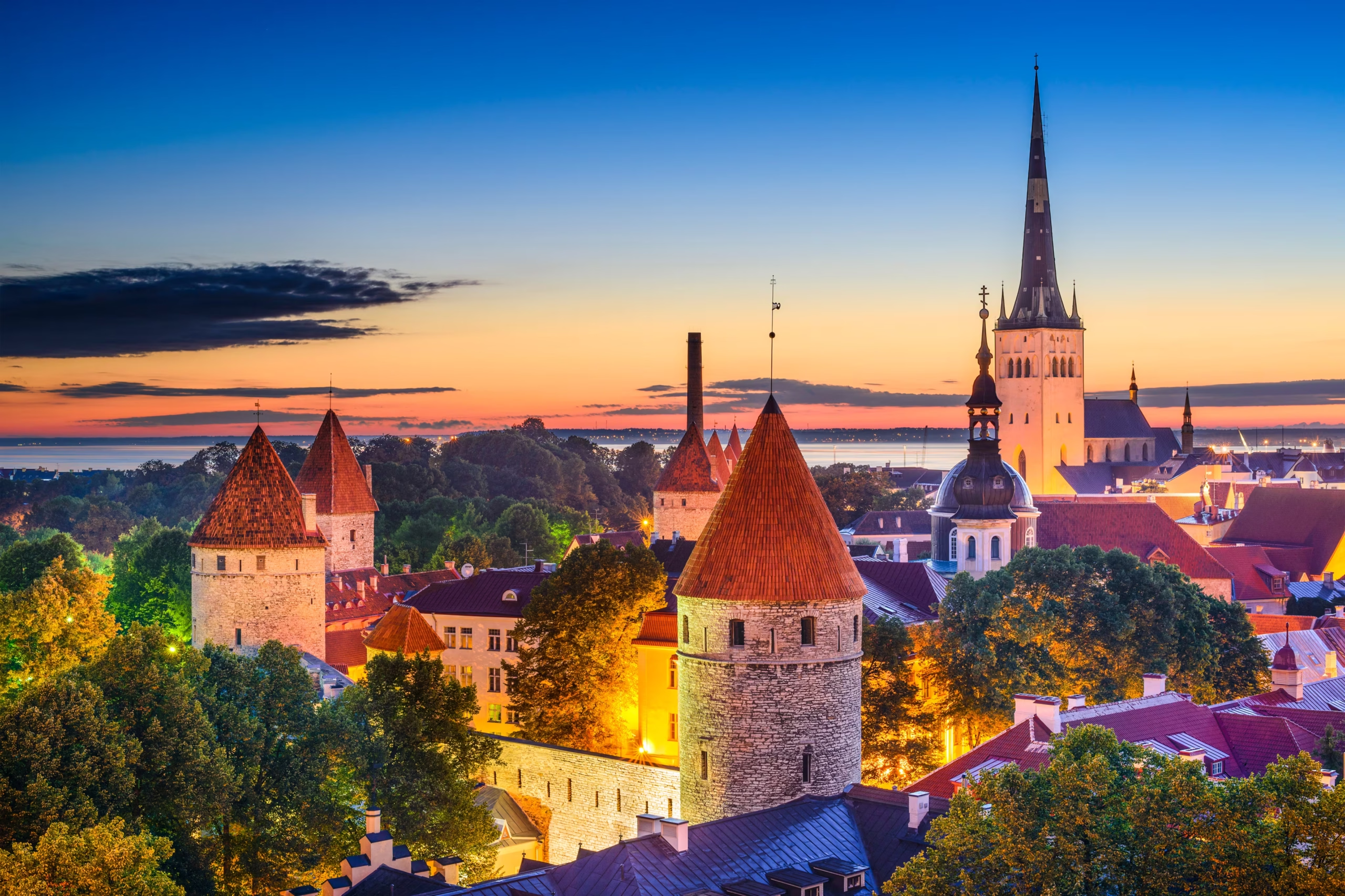
The final stop is Vilnius, the Lithuanian capital. Its UNESCO-listed Old Town, historic rooftops, panoramic viewpoints and lively arts and cafe culture make it an interesting destination in its own right. Travelling between the three countries by train also allows visitors to experience the different architectural styles, landscapes and cultural influences of the Baltic region.
Georgia is an especially interesting choice for travellers who want to combine food, wine and cultural exploration. Although France and Italy are often associated with European wine tourism, Georgia has a winemaking history stretching back approximately 8,000 years.
The country’s traditional Qvevri method involves fermenting and storing wine in large clay vessels buried underground. In the Kakheti wine region, against the backdrop of the Caucasus Mountains, family-run vineyards offer visitors the opportunity to learn about this long-established tradition and sample locally produced wines.
A visit to Georgia should also include time in Tbilisi. The capital is known for its historic bathhouses, ancient churches and colourful streets. Its food culture is another attraction, with traditional dishes featuring fresh herbs, walnuts, cheeses and slow-cooked stews. For visitors interested in discovering a destination through its culinary traditions, Georgia offers considerably more than vineyard visits.
Liechtenstein is another European destination worth considering, particularly for travellers who have already explored some of the better-known Alpine countries. Despite its small size, the principality offers an opportunity to discover its landscapes, villages and cultural heritage through a walking route that covers the entire country.
The Liechtenstein Trail stretches approximately 47 miles, running from the Swiss border in the south towards Austria in the north. Along the way, hikers pass through vineyards, forests, meadows and traditional villages, with views of the Rhine Valley and surrounding mountains.

One of the interesting stops is Triesenberg, a village associated with the Walser community, whose ancestors migrated from Switzerland’s Valais region around 1280. The community has maintained a distinct cultural identity over the centuries. The route also passes through Vaduz, the country’s capital, where a 12th-century castle overlooks the town from its hilltop position.
Italy’s Sicily offers a final destination for travellers interested in ancient history, architecture and regional food. The island has been shaped by different civilisations over centuries, leaving behind archaeological sites, historic towns and distinctive architectural traditions.

A journey through southeastern Sicily can begin in Syracuse, particularly its historic island centre of Ortygia. The area combines ancient Greek remains with narrow streets, historic buildings and waterfront neighbourhoods. From there, visitors can continue to Noto, Modica and Ragusa, three towns recognised for their striking Baroque architecture.
Food and wine are also central to the Sicilian experience. These towns provide opportunities to discover the island’s regional dishes, local produce and culinary traditions. Mount Etna adds another dimension to the journey. The active volcano dominates parts of eastern Sicily, where visitors can explore volcanic craters, dramatic valleys and lava caves.
From the castles of Bavaria to the ancient monuments of Orkney and the wine-producing landscapes of Georgia, these European destinations to visit in 2027 offer a range of experiences for different types of travellers. They also demonstrate that a European holiday does not have to revolve around the continent’s busiest capitals. For those planning their next trip, these destinations provide plenty of reasons to explore further.


