Verified Net Zero hotels are expanding across Scandinavia as Radisson Hotel Group adds four properties in Stockholm and Copenhagen to a program aimed at reaching 100 independently verified net zero hotels by 2030.
The latest additions are Radisson Blu Waterfront Hotel, Stockholm, Radisson Blu Royal Viking Hotel, Stockholm, Radisson Blu Arlandia Hotel, Stockholm-Arlanda, and Radisson Blu Scandinavia Hotel, Copenhagen. The move follows the recent launch of three Verified Net Zero hotels in Norway and takes the group’s total number of Verified Net Zero properties across the Nordics and the UK to nine, according to Radisson Hotel Group.
The expansion is notable because the hotels are not small experimental properties. They include large city hotels, airport accommodation and major meetings and events venues, with facilities designed to accommodate hundreds or, in some cases, thousands of guests and delegates.
For Radisson, that is central to the purpose of the program. The group says the latest properties demonstrate that its approach to net zero operations can be applied to existing hotels with established infrastructure rather than being limited to new buildings designed around sustainability from the outset.
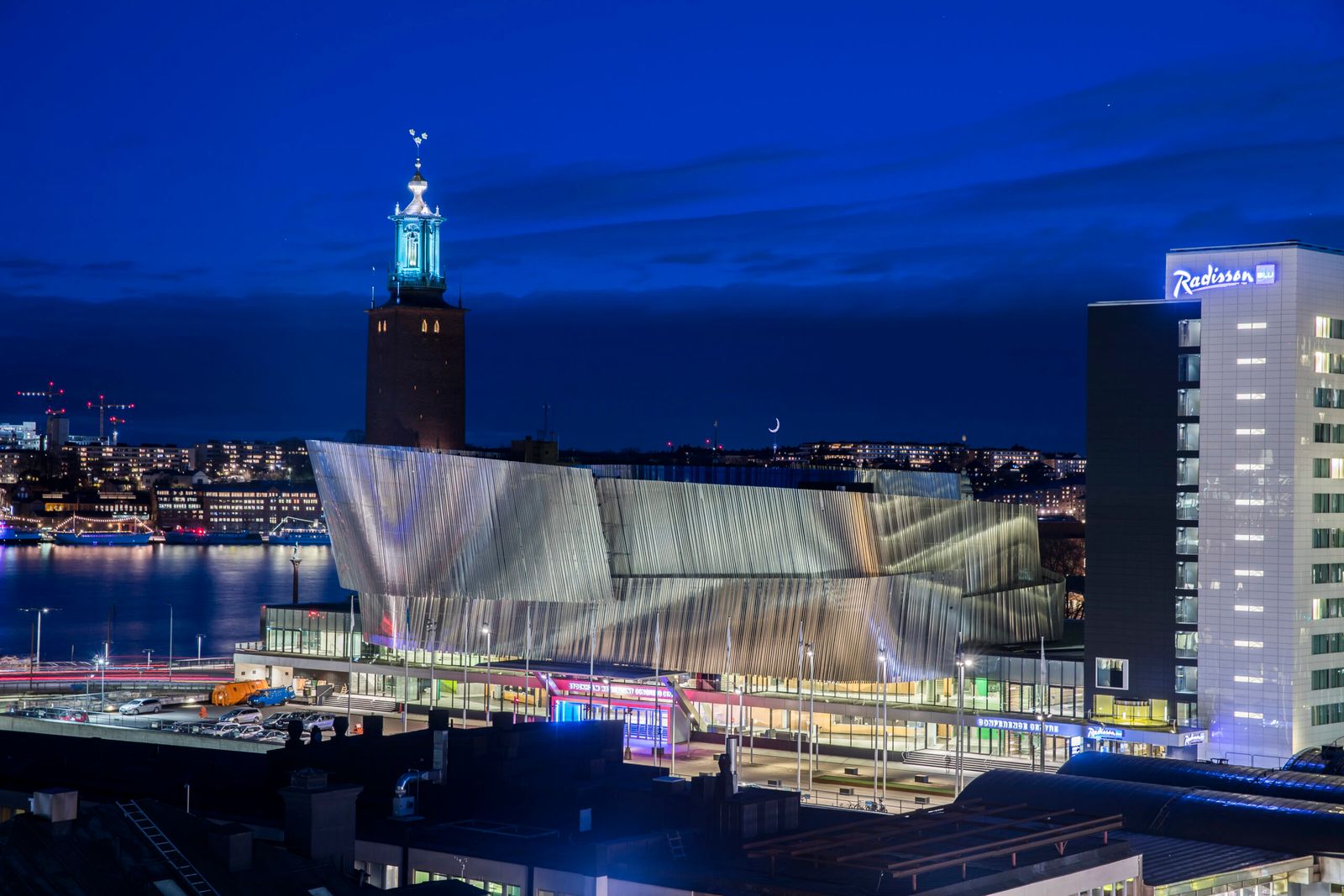
In Stockholm, the newly renovated Radisson Blu Waterfront Hotel sits beside Stockholm Waterfront Congress Centre and Stockholm Central Station. The hotel has 414 rooms and suites and is within easy reach of central Stockholm attractions, including City Hall.
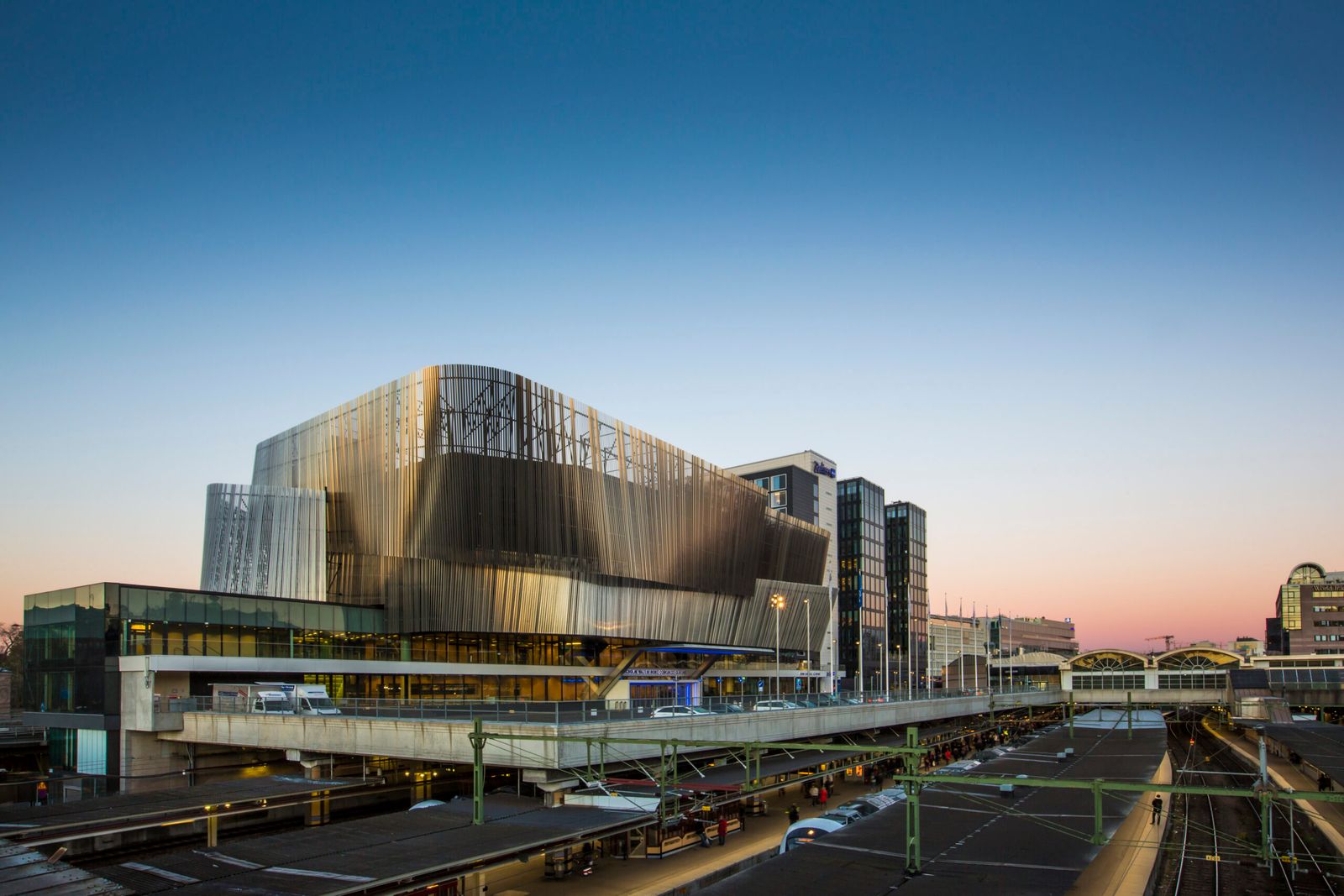
The adjacent Stockholm Waterfront Congress Centre adds another dimension to the property’s role in the program. The venue has 14,000 square meters of event space across 24 meeting rooms and can host events for up to 3,000 participants. Its sustainability credentials predate the Verified Net Zero designation. The building was designed with energy efficiency in mind and includes 1,040 square meters of solar panels as well as a cooling system that uses water from nearby Klara Sjö. It is LEED Gold certified.
Another Stockholm addition, Radisson Blu Royal Viking Hotel, is located next to the city’s Central Station and has 15 meeting rooms, with its largest meeting space accommodating up to 180 people.
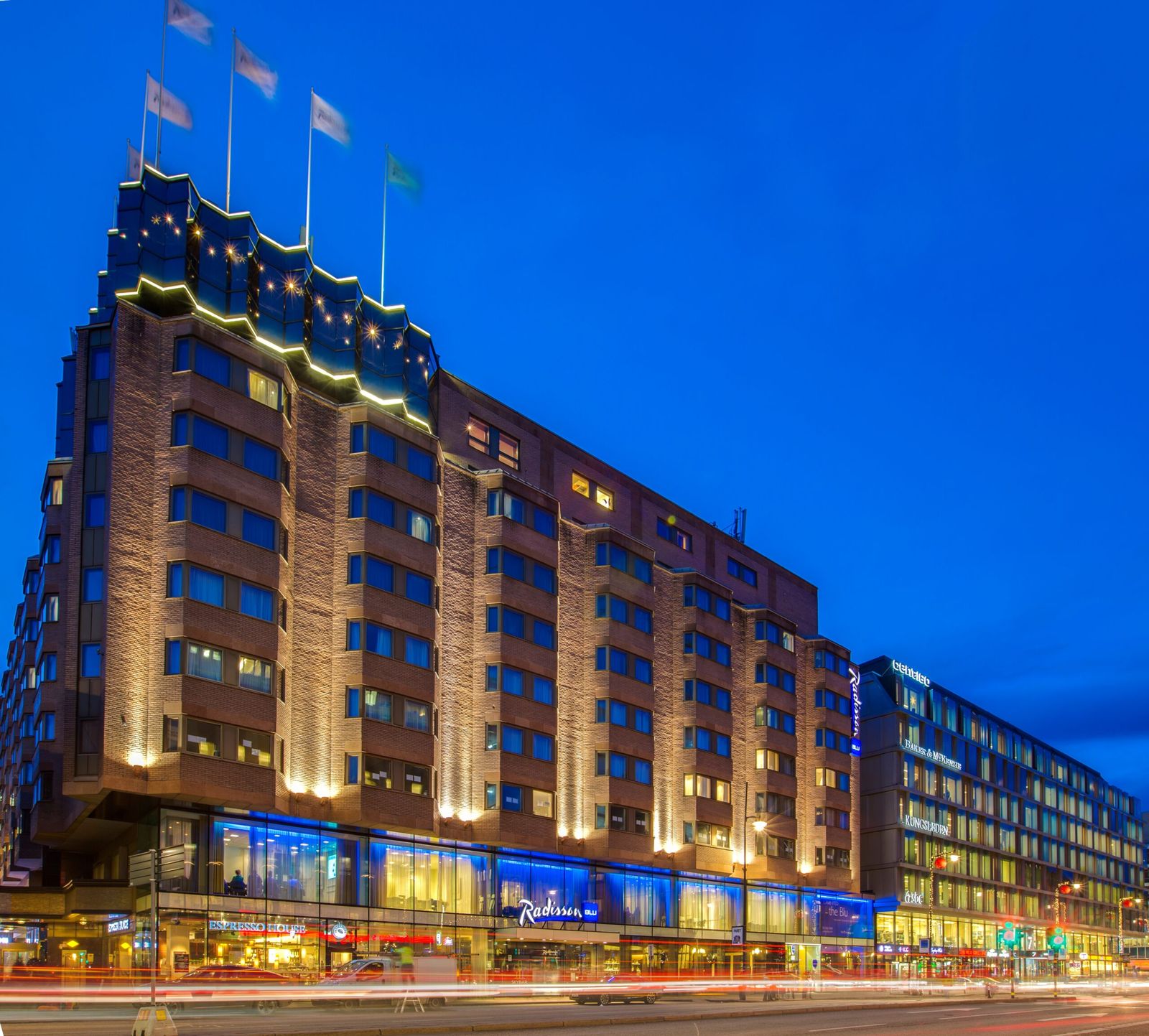
The hotel also includes a renovated relaxation area with an indoor pool and jacuzzi and the HIGH Bar Stockholm, which offers views across the city.
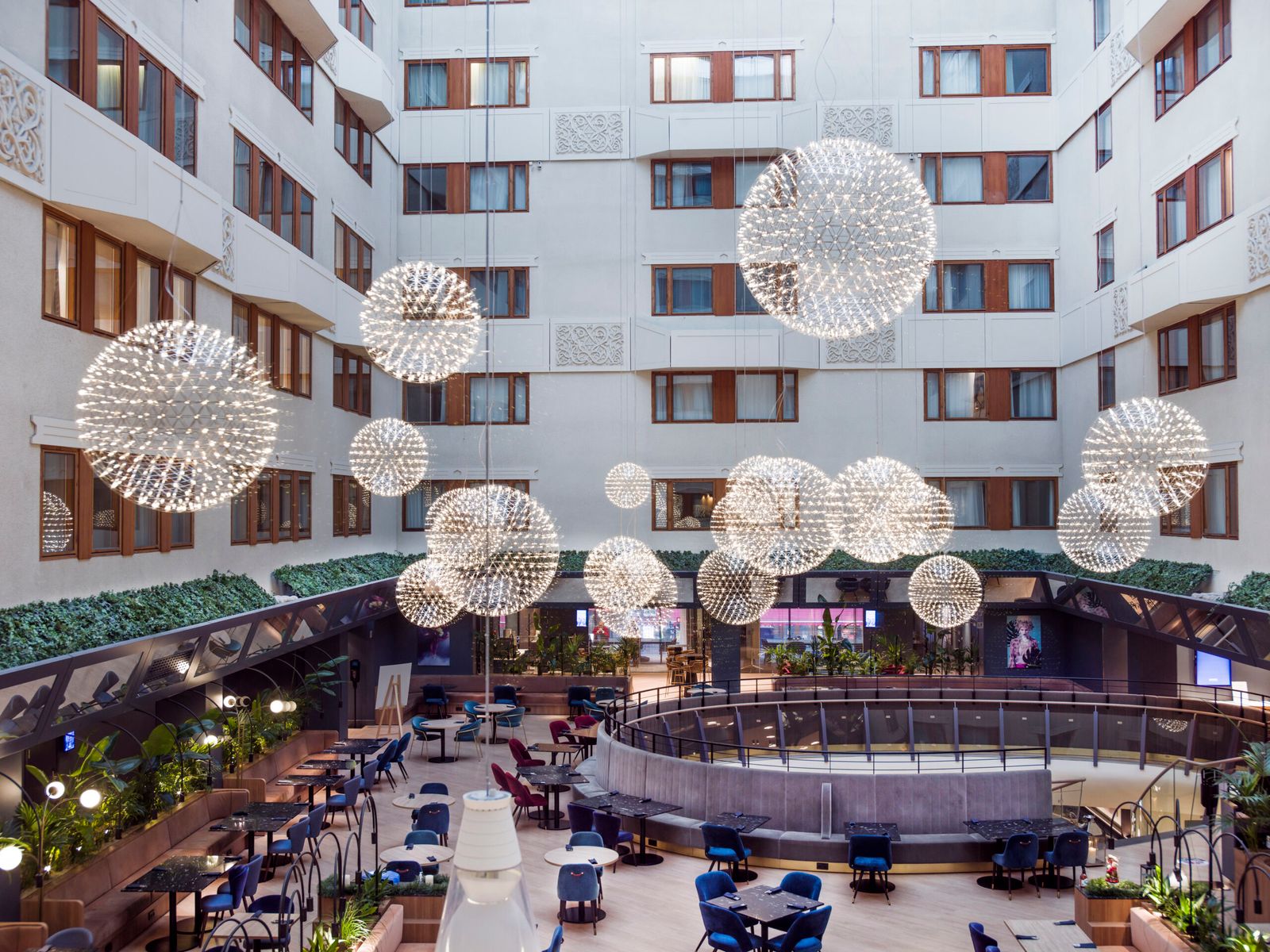
At Stockholm-Arlanda Airport, Radisson Blu Arlandia Hotel brings the program into an airport setting. The property has 342 rooms and is located two kilometers from the airport.
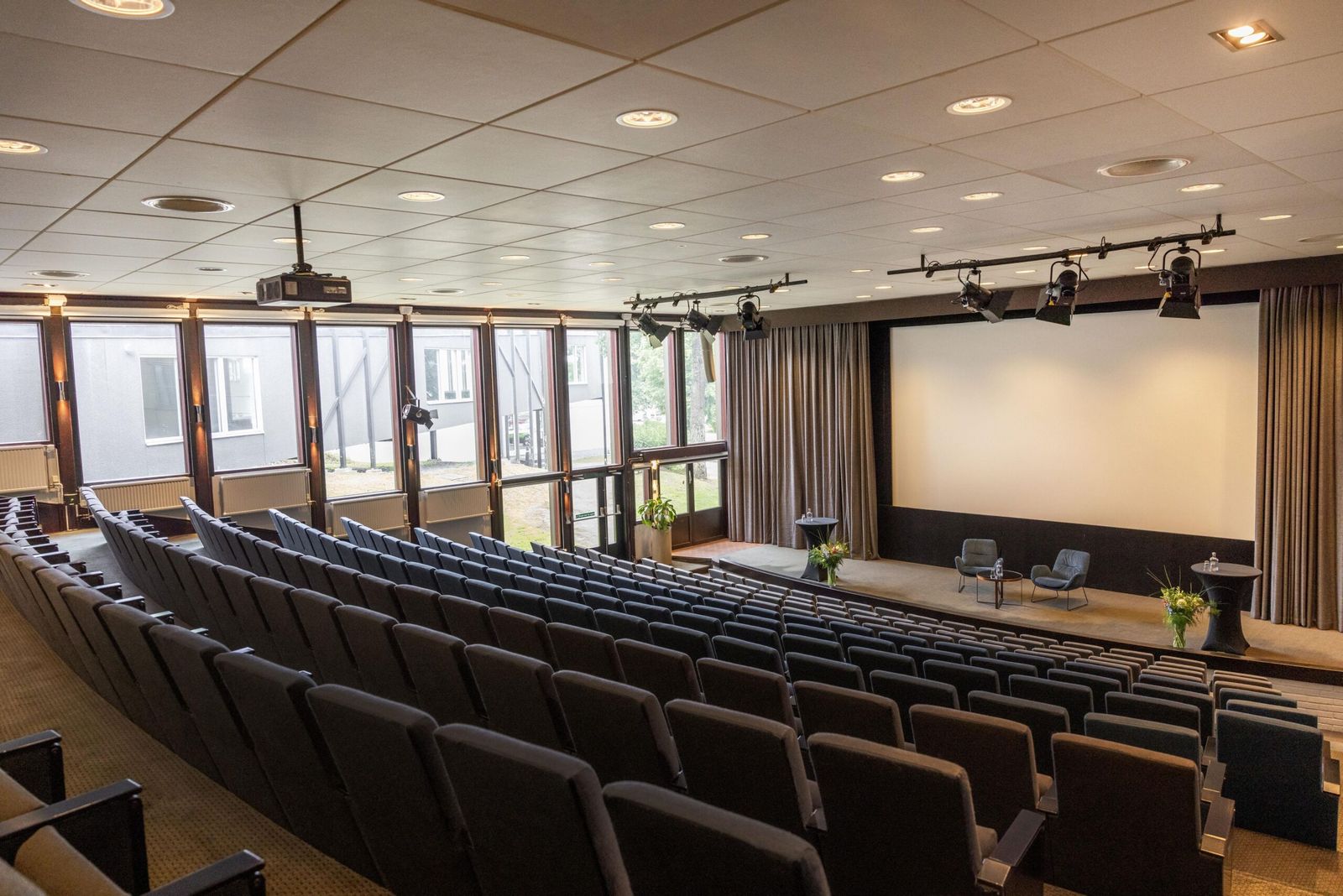
Its 24 meeting rooms can accommodate up to 771 people, giving it a significant role in business travel and events as well as overnight stays.
In Copenhagen, Radisson Blu Scandinavia Hotel has 544 newly renovated rooms, two restaurants and two bars. Its 14 meeting rooms can accommodate more than 2,000 guests, making the property one of the group’s larger meetings and events operations in the Danish capital.
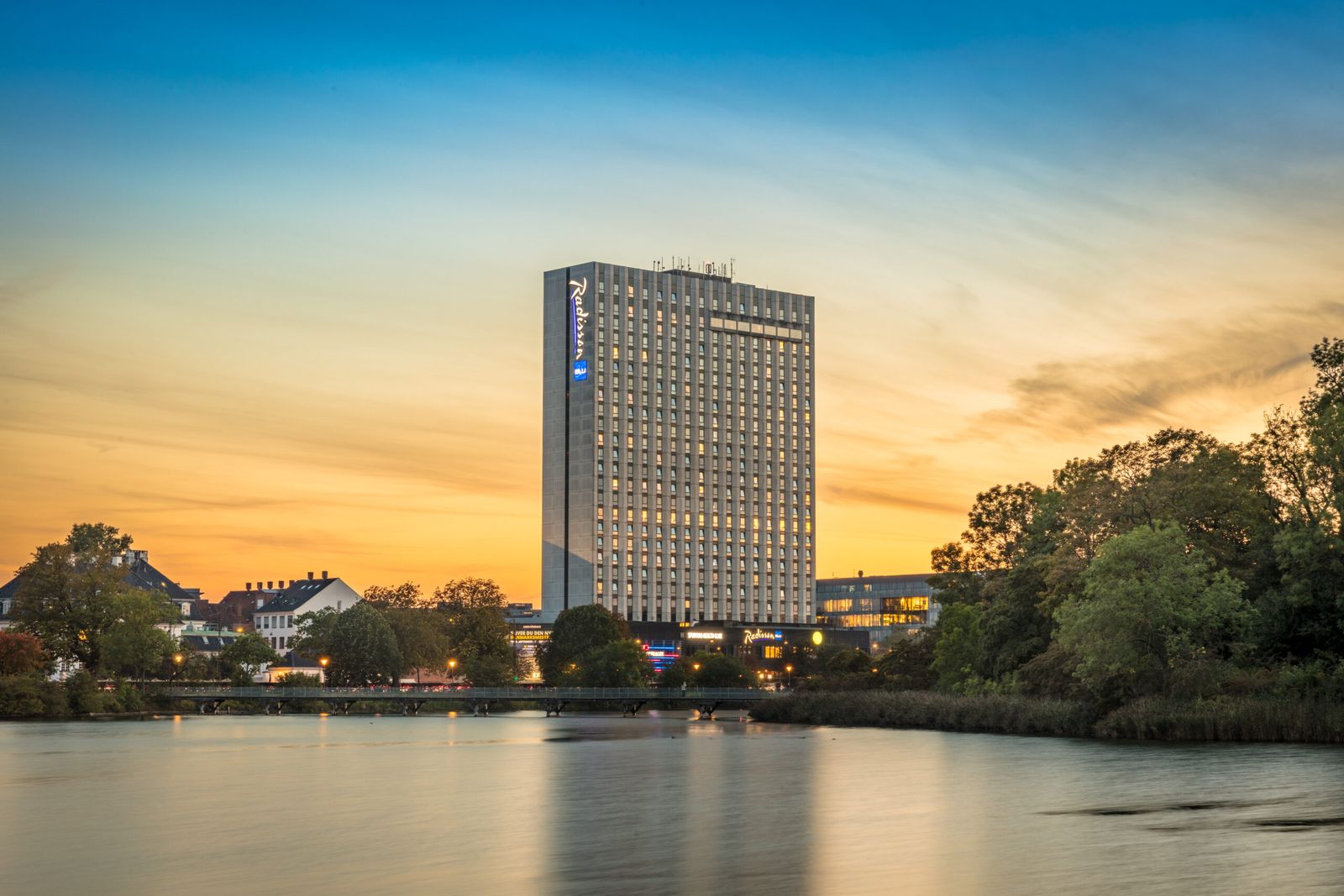
The scale of these properties matters because hotels that host major conferences and business events face a different operational challenge from smaller properties. Energy use, food production, laundry, guest services and event infrastructure all contribute to their overall environmental footprint. Radisson’s expansion is intended to show that those operations can be addressed without reducing the capacity or services expected from large hospitality venues.
The Verified Net Zero program covers emissions associated with a hotel’s energy use, including Scope 1 and Scope 2 emissions under the Greenhouse Gas Protocol, as well as operational and supply chain emissions within Scope 3.
According to Radisson Hotel Group, the program includes the use of 100% renewable energy, either through hotel electrification or the purchase of renewable energy for functions such as heating, cooling, hot water, cooking and spa and pool operations.
Scope 3 emissions are addressed through changes to hotel operations and purchasing. These include efforts to reduce waste, review supply chains, lower the carbon footprint of food, and address emissions connected to laundry, amenities and other supplies.
Food is one area where the group has introduced a more detailed approach. Radisson has partnered with Swedish company Klimato to assess food offerings across room service, meetings and events and breakfast buffets. Recipes are assigned carbon labels from A, representing the lowest carbon footprint, to E, representing the highest.
The company says the approach prioritizes fresh and seasonal ingredients and can reduce the carbon footprint of individual recipes by up to 40% without compromising taste.
The hotels also undergo independent third-party verification by TÜV Rheinland against the Net Zero Methodology for Hotels. That external verification is intended to provide meeting planners, corporate buyers and guests with a clearer basis for assessing the group’s sustainability claims.
For the hotel industry, the distinction between a sustainability initiative and a verified operational standard is increasingly important. Large corporate customers and event organizers are under growing pressure to understand the environmental impact of business travel and meetings, making the ability to demonstrate measurable progress more relevant when choosing venues.
Radisson Hotel Group says the program is also linked to the business case for more efficient hotel operations. Lower energy and resource consumption can reduce operating costs and improve resilience, while sustainability measures can respond to changing expectations from guests, hotel owners and corporate customers.
Federico J. Gonzalez, Global CEO of Radisson Hotel Group, said the group sees growth and sustainability as connected rather than separate priorities, arguing that reducing environmental impact must happen alongside continued delivery for guests, owners and employees.
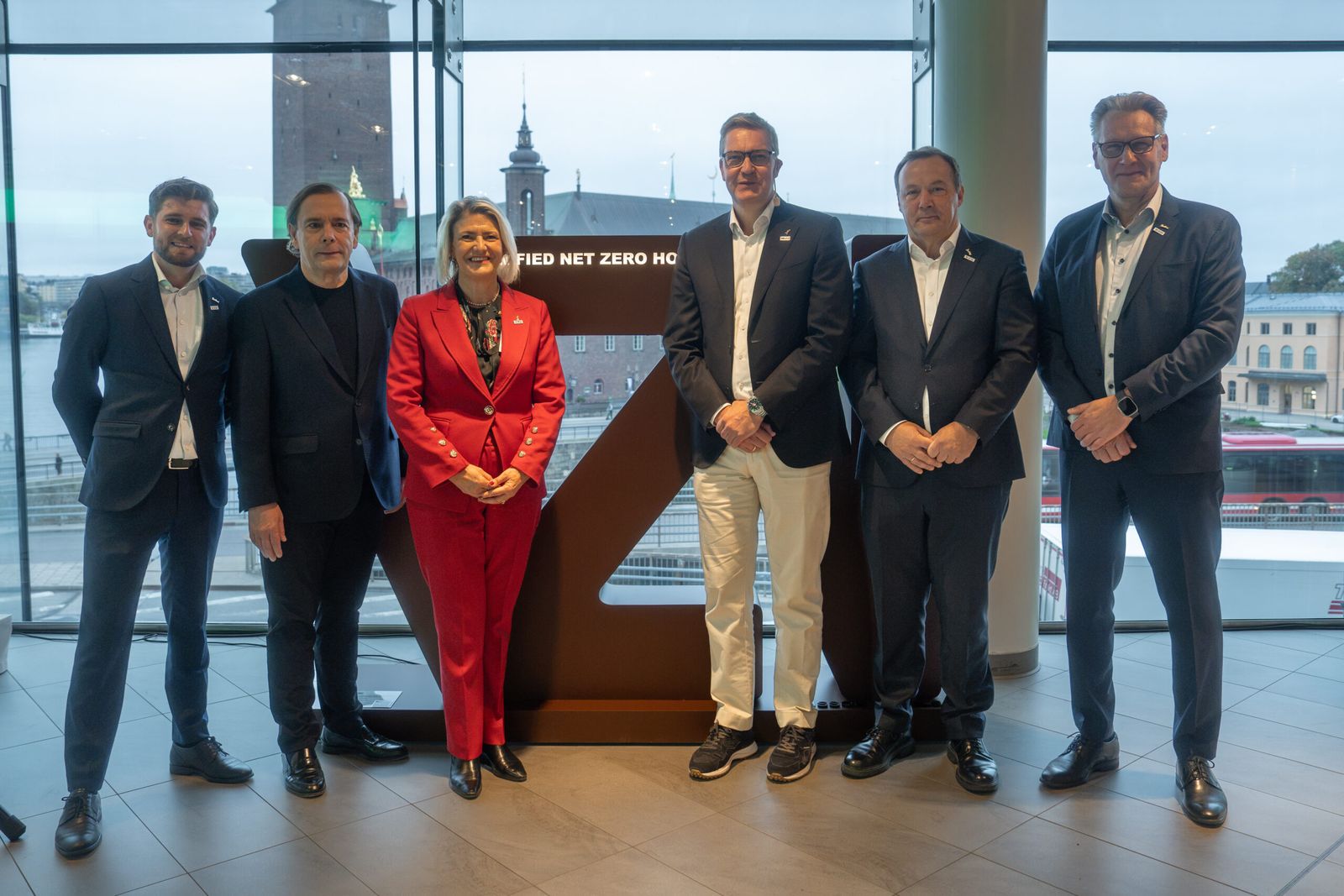
Inge Huijbrechts, Chief Sustainability and Security Officer at Radisson Hotel Group, said the four Scandinavian launches demonstrate that net zero hospitality can be scaled across major meetings and events properties. She also pointed to the independent verification by TÜV Rheinland as a way of providing greater transparency for customers navigating an increasingly complex sustainability landscape.
The four new hotels therefore represent more than an expansion of a sustainability program. They are also a test of whether the principles of net zero hospitality can work across different types of established properties, from a major congress venue in central Stockholm to an airport hotel and a large meetings hotel in Copenhagen.
Radisson’s target remains 100 Verified Net Zero hotels by 2030. The latest additions move the group further toward that goal while providing a growing number of examples of how its net zero methodology is being applied in operating hotels rather than confined to future developments or pilot projects.