Digital travel discovery is increasingly shaping where European travellers go, what they experience and, ultimately, what they book. A destination may once have been chosen after a recommendation from a friend, a travel brochure or a visit to a travel agency. Today, the first encounter is just as likely to happen through a short video on TikTok, a review on a booking platform, a YouTube travel story or a conversation with an artificial intelligence tool.
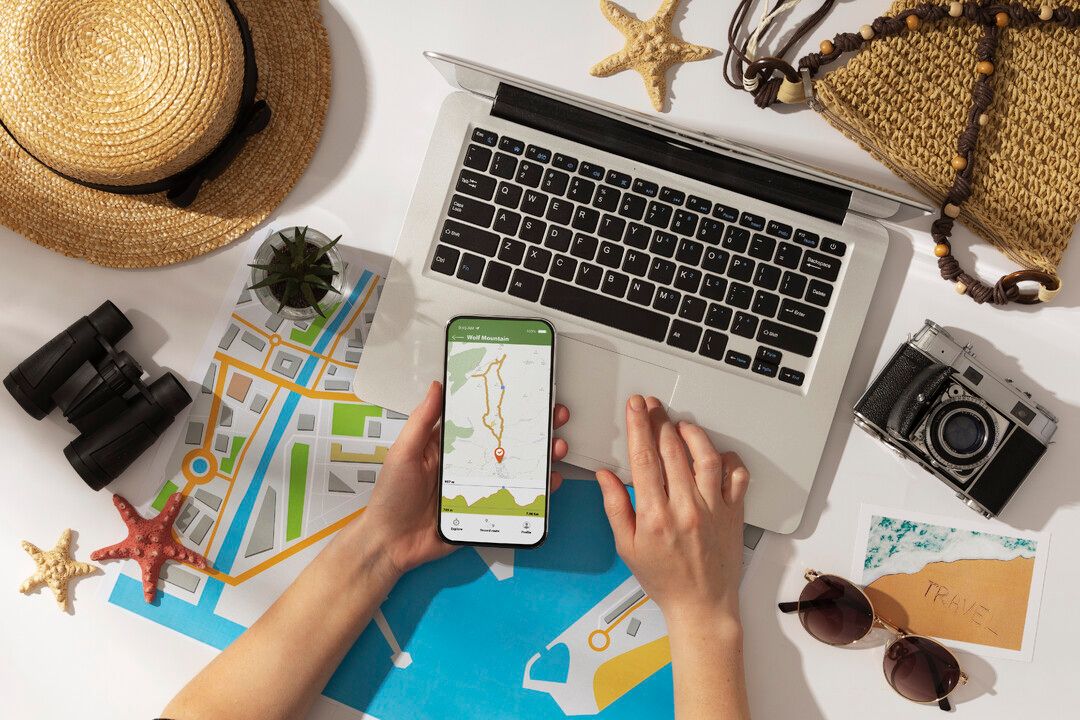
That shift is changing the relationship between travellers and tourism businesses. The decision to visit a destination can begin long before a traveller reaches a company’s website or speaks to a tour operator. By then, much of the impression may already have been formed online.
European travellers are increasingly using digital tools throughout the travel planning process, from discovering destinations and finding activities to comparing options and building itineraries. Artificial intelligence is becoming part of that process as well, particularly in markets where travellers have adopted AI-assisted planning quickly.
The UK is emerging as one of the strongest examples. According to the figures cited in the source data, 52 percent of British travellers now use AI tools to support travel planning, compared with 40 percent in 2025. Among the major European markets surveyed, this represents the fastest increase in AI use. ChatGPT is the most widely used AI platform among UK travellers in the study, with 35 percent using it, while travel inspiration and ideas are the leading use case, cited by 47 percent.
The significance for tourism businesses is not simply that more people are using AI. It is that destination discovery is becoming increasingly digital before a traveller ever makes direct contact with a tourism company.
The same shift can be seen in social media. Research conducted across Spain, Italy and the UK found that 48 percent of Gen Z respondents identified TikTok as a source of travel inspiration. The platform ranked ahead of recommendations from friends and family in that group. Among millennials, 52 percent said they had seen a viral post or video that influenced them to book a trip or take part in an activity.
Those figures help explain why polished advertising is no longer the only way destinations compete for attention. Travellers want to see places as they actually look and feel. A short video from a local guide, an honest review from a visitor, a glimpse behind the scenes or a story about an experience that cannot easily be replicated elsewhere can give a destination a stronger identity than a conventional promotional advertisement.
This does not mean professional marketing has become irrelevant. It means that travellers increasingly want evidence behind the marketing.
A tourism business can say that a destination offers extraordinary food, remarkable landscapes or meaningful cultural experiences. But a traveller can now search for a video of the food being prepared, watch someone walking through the landscape, listen to a local explain a tradition or read dozens of visitor reviews before making a decision.
That access has changed the balance of influence.
Content that gives travellers a sense of place tends to have particular value. Wildlife encounters, local cuisine, landscapes, cultural traditions and personal stories can show something that a standard promotional photograph often cannot: what it might actually feel like to be there.
Cultural experiences are especially important because they allow travellers to move beyond simply looking at a destination. Food, music, local arts, historical sites, traditional practices, homestays and conversations with residents can turn a trip into something more personal. For tourism businesses, the opportunity lies in telling these stories without reducing them to marketing slogans.
That distinction matters. Travellers are increasingly exposed to highly produced travel content, and audiences can recognise when a piece of content is designed only to sell. Authenticity does not require poor production quality, but it does require substance. A local person’s perspective, an unplanned moment or an honest account of an experience can sometimes communicate more about a destination than a perfectly staged advertisement.
Reviews have also become a critical part of that decision-making process. Before booking, travellers can compare ratings, read comments from previous visitors and look for recurring observations about accommodation, service, guides, activities and overall experience. Recommendations from trusted creators, friends and travel specialists can add another layer of credibility.
For tourism businesses, this makes the experience after the booking almost as important as the marketing before it. Satisfied visitors can become part of a destination’s digital presence when they share photographs, videos, reviews and personal recommendations. Encouraging guests to leave honest feedback can therefore help build the body of information future travellers use when deciding whether to visit.
Artificial intelligence adds another layer to this increasingly complex journey. Travellers can ask AI assistants to compare destinations, suggest activities, build itineraries, identify accommodation and find experiences that match particular interests or budgets.
That creates a new challenge for tourism businesses. Being visible online is no longer only about appearing in traditional search results or maintaining attractive social media accounts. The information available about a company and destination also needs to be clear, accurate and current enough for digital systems to understand.
Basic information matters. Businesses should make it easy to find details about their location, services, experiences, prices where appropriate, opening times, booking options and contact information. Outdated or contradictory information can create friction at precisely the point when a traveller is deciding whether to proceed.
South Africa provides a useful example of how digital travel interest can intersect with the actual visitor experience. Data Appeal has identified wildlife viewing and scenic drives among experiences highlighted as memorable by visitors, with positive attention given to biodiversity, peaceful surroundings and landscapes.
The country’s natural attractions remain an important part of its appeal to European travellers, while sustainable ecotourism can help protect the qualities that make those experiences attractive in the first place.
At the same time, the Data Appeal figures cited for key European markets show a decline in overall sentiment towards South Africa, falling from 88.2 out of 100 to 86.5 for the January to August 2026 period. The figures point to an important distinction for tourism marketers: attracting attention is only one part of the equation. The experience that follows must support the expectations created online.
Issues such as ageing accommodation and infrastructure, along with smaller service problems, can affect visitor satisfaction even when a destination’s natural and cultural attractions remain strong. Continued investment in facilities and visitor services therefore needs to sit alongside digital promotion.
The broader lesson for tourism businesses is that the digital journey from inspiration to booking is becoming more connected. A traveller may discover a destination through a TikTok video, investigate it through Instagram, check reviews, ask an AI assistant to compare options, visit the company’s website and finally make a booking through a digital platform. Each step contributes to the final decision.
That creates opportunities for smaller tourism businesses as well. Large hotel groups and national tourism organisations may have bigger marketing budgets, but a compelling story, a strong visitor experience and reliable digital information can give smaller operators a place in the same discovery journey.
Platforms such as TourBiddy are designed to help tourism operators connect consumer interest with booking and operational systems. For smaller businesses in particular, tools that bring together consumer-facing discovery and booking processes could help reduce the distance between someone seeing an experience online and actually purchasing it.
The competition for travellers is therefore moving beyond the traditional question of which destination has the biggest advertising budget. Increasingly, it is about which destination can be discovered, understood, trusted and booked across the digital platforms travellers already use.
For tourism businesses targeting European travellers, the implication is straightforward. A beautiful destination still needs a convincing digital story. A strong social media presence still needs accurate information behind it. And a good advertisement may attract attention, but reviews, real experiences and trustworthy information can determine whether that attention turns into a booking.
The traveller’s journey increasingly begins with a screen. For destinations hoping to be chosen, what appears on that screen may be just as important as what awaits when the traveller finally arrives.