Oulu in 2026 is no longer simply a northern Finnish city that travellers pass through on the way to somewhere farther north. It has become one of the country’s most talked-about destinations, appearing on international travel lists, cultural calendars and destination coverage far beyond Finland.
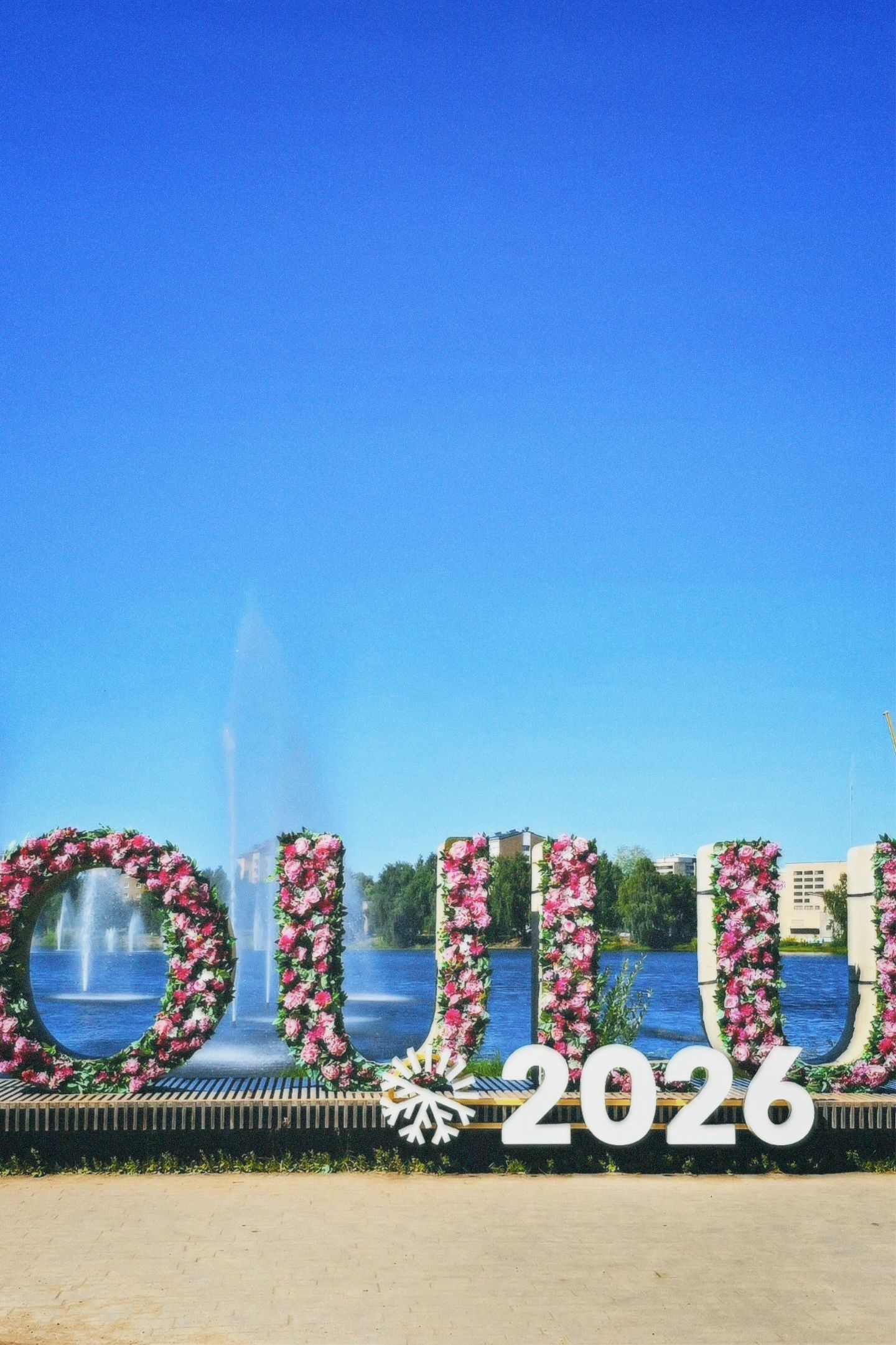
The reason is not one new attraction or a sudden change in the city itself. It is the convergence of several things that have put Oulu into the international conversation at exactly the same time.
The biggest reason is the title that Oulu has been preparing for years to hold: European Capital of Culture 2026. The programme extends well beyond the city centre, involving Oulu and 39 other municipalities across northern Finland. Rather than concentrating the year around a handful of large exhibitions, Oulu2026 has built a programme involving hundreds of creators and thousands of events, artworks and experiences. Culture is being taken into streets, forests, suburbs, public buildings and unexpected spaces.
That distinction matters because Oulu has never fitted neatly into the standard image of a Finnish tourist destination. Helsinki has the capital-city profile. Lapland has the strongest international association with snow, reindeer and the Northern Lights. Oulu sits somewhere else, on the western coast of northern Finland, where urban life, technology, cycling, forests, coastline and a distinctly northern culture meet.
The European Capital of Culture year has given that identity a much larger stage.
International travel media have noticed. Visit Finland says Oulu has been selected by National Geographic as one of its 25 best places in the world to travel to in 2026. Oulu2026 itself also points to recognition from publications including BBC Travel, CNN, AFAR and Condé Nast Traveler. That concentration of international attention helps explain why a city that may have been unfamiliar to many overseas travellers suddenly feels as if it is appearing everywhere.
But the interest is not based entirely on a cultural title.
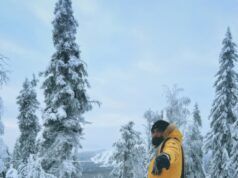
Oulu has something increasingly valuable in European travel: a destination that can offer a city experience without separating itself from nature. The city sits on the Gulf of Bothnia, while forests, rivers and coastal landscapes are close enough to become part of an ordinary visit rather than a separate expedition. In winter, the frozen sea changes the character of the city. In warmer months, the surrounding landscape opens up in a different way.
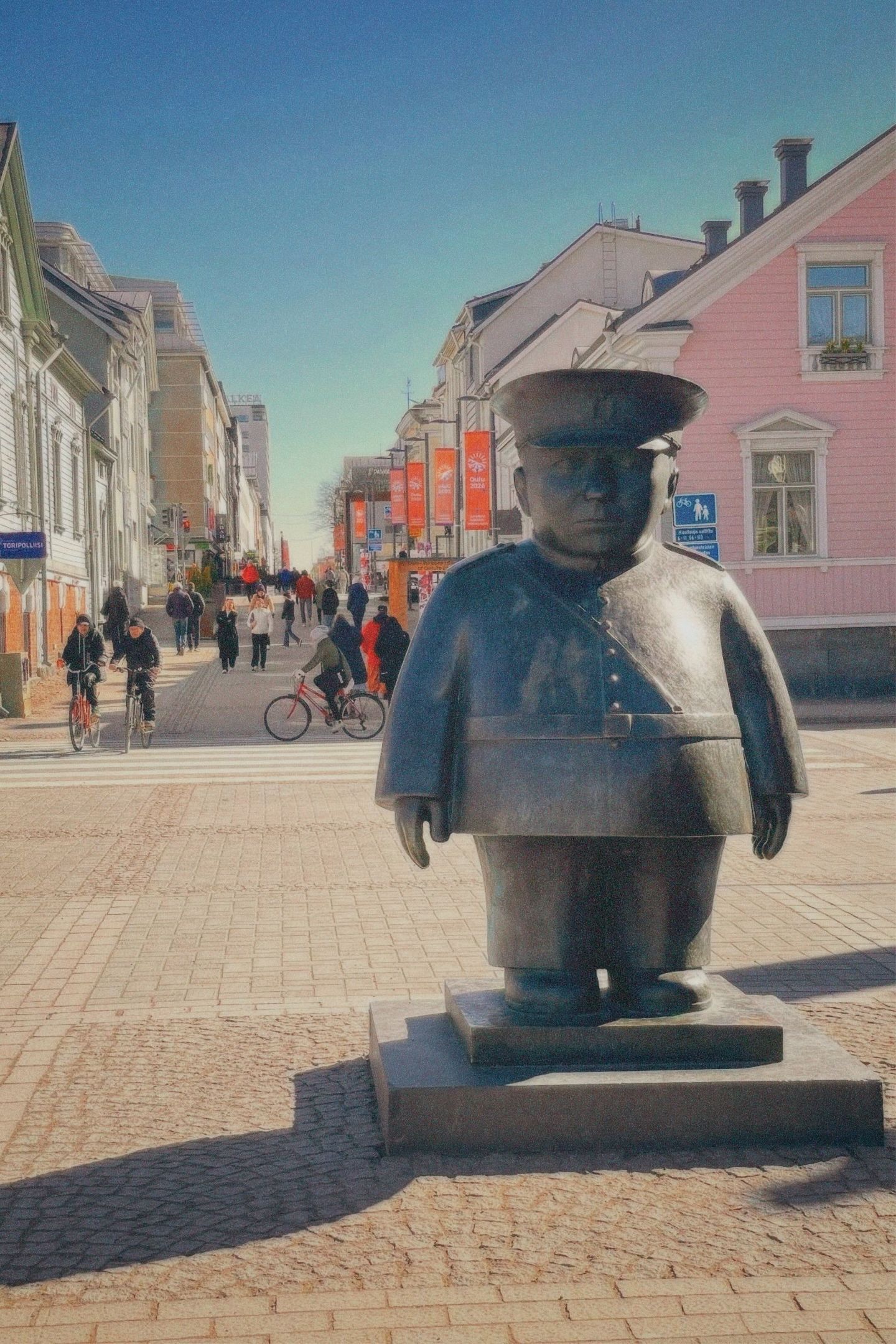
That combination also helps explain why Oulu feels different from the more familiar Finnish north. It is not selling itself solely as an Arctic escape. Technology and creativity are as much a part of its identity as winter landscapes.
Oulu has long had a reputation as a technology city, and that background is increasingly visible in the way culture is being presented during 2026. Art and technology repeatedly meet in the programme. The Lumo Art & Tech Festival, media art exhibitions and immersive installations are part of a broader attempt to make the city itself part of the cultural experience rather than simply providing buildings in which culture happens.
One of the clearest examples is The Kuutar Garden, which opened in September beneath the city centre in the Kivisydan underground car park. The installation by Danish artist Jakob Kudsk Steensen turns the underground space into an immersive world inspired by northern plants and disappearing sub-Arctic ecosystems. It is difficult to imagine a more literal meeting of Oulu’s urban and northern identities: a piece of international contemporary art presented underneath a functioning Finnish city.
Elsewhere, contemporary art is being taken into the landscape. The Sanginkontu Art Trails place artworks along riverside forests, connecting the works with local stories, history and nature. The point is not simply to put an artwork in a scenic location. It is to make the journey through the landscape part of the experience.
Food is another part of the story. Arctic Food Lab, included in the Oulu2026 programme, puts northern ingredients and food traditions into the cultural conversation. That may sound less dramatic than an international art installation, but it reflects a wider shift in how northern destinations are presenting themselves. The North is not only a landscape to photograph. It is also a place with its own food culture, traditions and contemporary creative life.
And then there is the sheer range of what is happening.
The programme moves from photography and media art to music, theatre, public art, food, technology, literature and outdoor experiences. Some projects are deliberately placed outside conventional cultural venues. The city centre can become a festival site, while forests and other parts of the region become stages for art. The result is a destination where a visitor does not necessarily have to choose between a cultural trip and a nature trip. In Oulu, the two are increasingly being presented as part of the same journey.
That regional approach is important. Oulu’s European Capital of Culture status does not belong to the city alone. The official Oulu2026 region includes 39 municipalities, giving the cultural year a geographic reach that stretches well beyond the urban centre. For travellers, that turns Oulu into a possible base for exploring a much larger part of northern Finland rather than simply a destination to visit for a weekend.
Accessibility also makes the timing significant.
Oulu is not an isolated Arctic outpost. Flights from Helsinki take about an hour, while the city is connected to other parts of Finland by frequent train services. Oulu Airport is around 15 kilometres from the city centre, and direct flights from Riga are scheduled five days a week from late March 2026 through the end of March 2027. Those connections make the city considerably easier to reach for international travellers than its northern location might suggest.
That does not mean Oulu has suddenly become a different city. In many respects, the opposite is true. The qualities attracting attention in 2026 have been there for years.
Oulu already had a busy events calendar, a strong music and festival scene and an identity shaped by technology and northern culture. It hosts events such as the World Air Guitar Championships and Qstock, while its location gives visitors access to the coast, forests and waterways. Visit Finland describes the city as a major commercial, logistics and cultural hub in northern Finland and notes its more than 700 annual events.
What has changed is the scale at which those qualities are being seen.
The European Capital of Culture title has effectively given Oulu permission to tell a much bigger story about itself. Instead of competing directly with the established image of Lapland, it can offer another interpretation of northern Finland: urban, creative, experimental and closely connected to nature.
That may be the most interesting reason Oulu is suddenly everywhere in 2026. The city is benefiting from attention, but it is also benefiting from a change in the way travellers are looking for places.
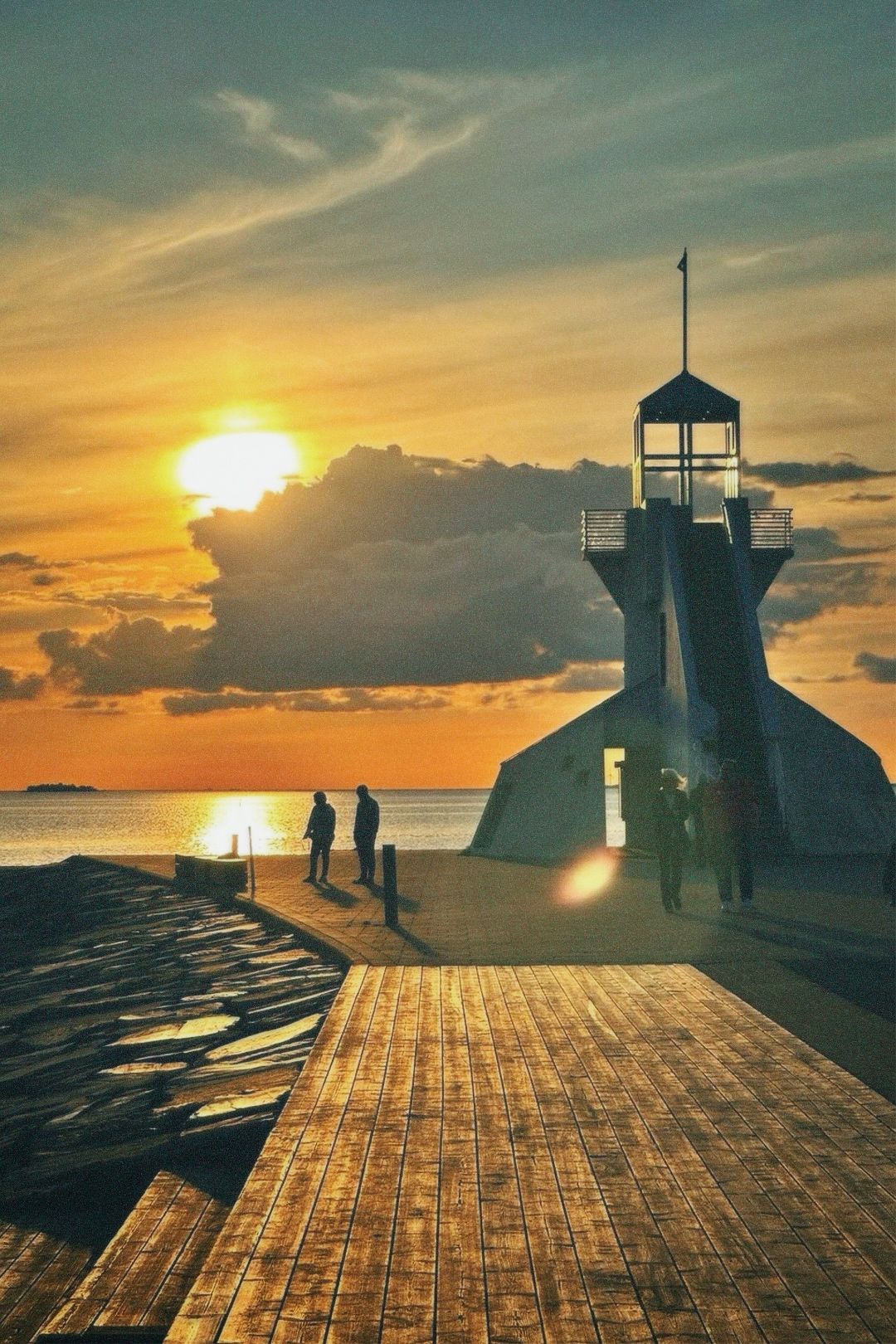
The familiar Finnish travel story has often been built around Helsinki, the lake district and Lapland. Oulu complicates that map. It offers a northern city that does not require travellers to choose between culture and wilderness, or between contemporary life and Arctic surroundings.
There is also something appealing about discovering a place at the moment when the rest of the world is beginning to notice it. Oulu is no longer an obscure name on a Finnish map, but neither has its international identity become as fixed as those of Finland’s most established tourist destinations.
For the rest of 2026, that window is particularly wide. The programme still includes major autumn and winter events, including the Kuutar Garden, the Lumo Art & Tech Festival and the world premiere of Snowball in December. A new science centre, Tiima, is also scheduled to open in October, adding another layer to a city already known for science and technology.
The attention may eventually move elsewhere. European Capitals of Culture change, travel lists are rewritten and the international media cycle moves quickly.
But Oulu’s moment in 2026 is not simply the result of being selected for a cultural title or appearing on a few prestigious travel lists. Those things have amplified something that was already there. The city has spent years developing an identity that sits between northern nature, technology, culture and everyday Finnish life. This year, the rest of the world has finally been given more reasons to look closely.
And perhaps that is why Oulu suddenly feels as though it is everywhere. The city did not suddenly appear. The spotlight did.