Trump’s decision to share what he identified as Senator Tom Cotton’s personal phone number has intensified a Republican dispute over whether the United States should adopt permanent Daylight Saving Time.
The president posted the number on Truth Social on October 3 while urging people in Arkansas to contact Cotton and pressure him to support the Sunshine Protection Act. The legislation would end the twice-yearly clock change and keep Daylight Saving Time in effect throughout the year. The bill passed the House of Representatives in July but faces opposition in the Senate, including from Cotton, a Republican from Arkansas.
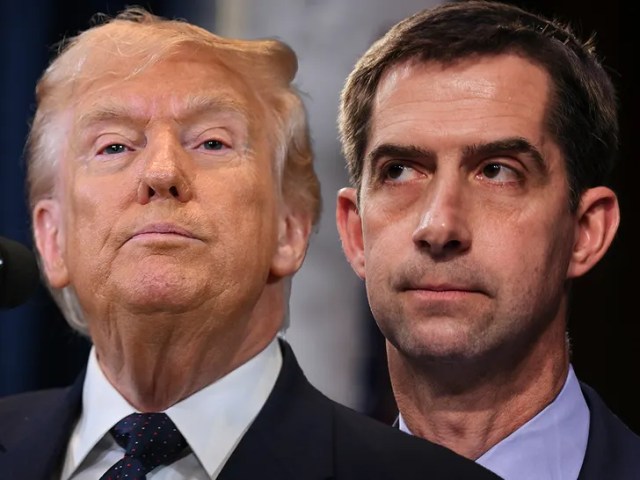
Trump has made the issue a personal campaign within his party, arguing that Americans should no longer have to adjust their clocks every spring and autumn. In his Truth Social post, he referred to the legislation as the “We Don’t Want to Change Our Clocks Twice a Year Act” and called on Arkansans to tell Cotton to support it. He also promoted the slogan “LOCK THE CLOCK!” and pointed to the value of having more daylight later in the day.
Trump’s argument focuses largely on the practical benefits of keeping daylight in the afternoon. He cited activities such as golf, tennis and hunting, as well as farming, and said additional afternoon light would be useful for people who work or spend time outdoors. He also argued that changing clocks twice a year creates unnecessary work, including in buildings where clocks can be difficult or expensive to reach.
Cotton has taken the opposite position. He has said that while he also dislikes changing the clocks, making Daylight Saving Time permanent would create a different problem: much darker winter mornings.
In a social media response, Cotton argued that Congress had previously imposed permanent Daylight Saving Time and later reversed the decision after Americans experienced very late winter sunrises. He said Arkansans would not want children heading to school before sunrise and added that he would put the interests of Arkansas first.
Cotton has made the same argument in greater detail before. In a 2025 Senate speech opposing the Sunshine Protection Act, he pointed to the 1974 experiment with year-round Daylight Saving Time, when the federal government temporarily kept the clocks on Daylight Saving Time through the winter. Cotton argued that the experience showed the difficulty of having children, commuters and workers begin their days before sunrise.
The disagreement reflects a longstanding problem with the daylight saving debate. Ending the clock change does not create more daylight. It changes when daylight occurs on the clock. Permanent Daylight Saving Time would produce later winter sunrises and later sunsets, while permanent standard time would produce earlier sunrises and earlier sunsets.
Trump responded directly to Cotton, arguing that keeping the current system forces Americans to spend time changing clocks twice a year and deprives them of daylight later in the day. He questioned Cotton’s claim that opposing the bill puts Arkansas first.
The House has already taken a position on the legislation. Representatives voted 308 to 117 on July 14 to pass the Sunshine Protection Act, with 193 Republicans and 114 Democrats voting in favour. The bill therefore received support from both parties, although it also faced opposition from members of both parties.
The legislation would make Daylight Saving Time permanent while allowing states to choose permanent standard time instead. Its future in the Senate remains uncertain, where opposition has prevented the proposal from moving forward.
Trump’s decision to publicly post a number he described as Cotton’s cellphone number has given the policy disagreement a more personal dimension. The reported number was not one of the phone numbers listed on Cotton’s official government website, although reports noted that it carried an Arkansas area code. The incident has therefore been described by news organizations as the disclosure of an apparent personal cellphone number rather than the senator’s publicly listed congressional contact information.
The episode is also not the first time Trump has publicly disclosed the private phone number of another Republican senator. During the 2016 presidential campaign, he released Senator Lindsey Graham’s cellphone number during a dispute between the two men.
For now, the argument remains centered on a question that has divided lawmakers for decades: whether Americans would benefit more from eliminating the twice-yearly clock change or from keeping the existing compromise between morning and evening daylight. Trump and Cotton agree that changing the clocks is undesirable, but they disagree sharply over which permanent alternative would serve Americans better.