Crude oil exports through the Strait of Hormuz have largely recovered to levels seen before the Iran war, despite continued security risks and major changes in how oil is transported through the region.
Data compiled by trade intelligence firm Kpler shows that at least 16.5 million barrels of crude oil per day left the Middle East in September, roughly matching the pre-war average when Iranian exports are excluded. That marks a substantial recovery from March, when flows fell to about 10.5 million barrels per day during the first weeks of the conflict.
The conflict began on 28 February with US and Israeli strikes on Iran. Tehran subsequently sought to assert control over the Strait of Hormuz, at times declaring the strategically important waterway closed. The strait is a major route for energy shipments from the Gulf, making any disruption a concern for oil markets and the wider global economy.
Oil exporters have since adapted their logistics to reduce their dependence on the waterway. Around 40 percent of regional crude is now transported without passing through the Strait of Hormuz, compared with about 17 percent before the conflict. Saudi Arabia and the United Arab Emirates have increased their use of overland pipelines to move crude toward export terminals outside the immediate Gulf route.
Saudi Arabia also restarted its East-West pipeline in late September after repairs following drone attacks. The pipeline allows crude to reach the Red Sea port of Yanbu, giving Saudi exporters another route to international markets without sending the oil through the Strait of Hormuz.
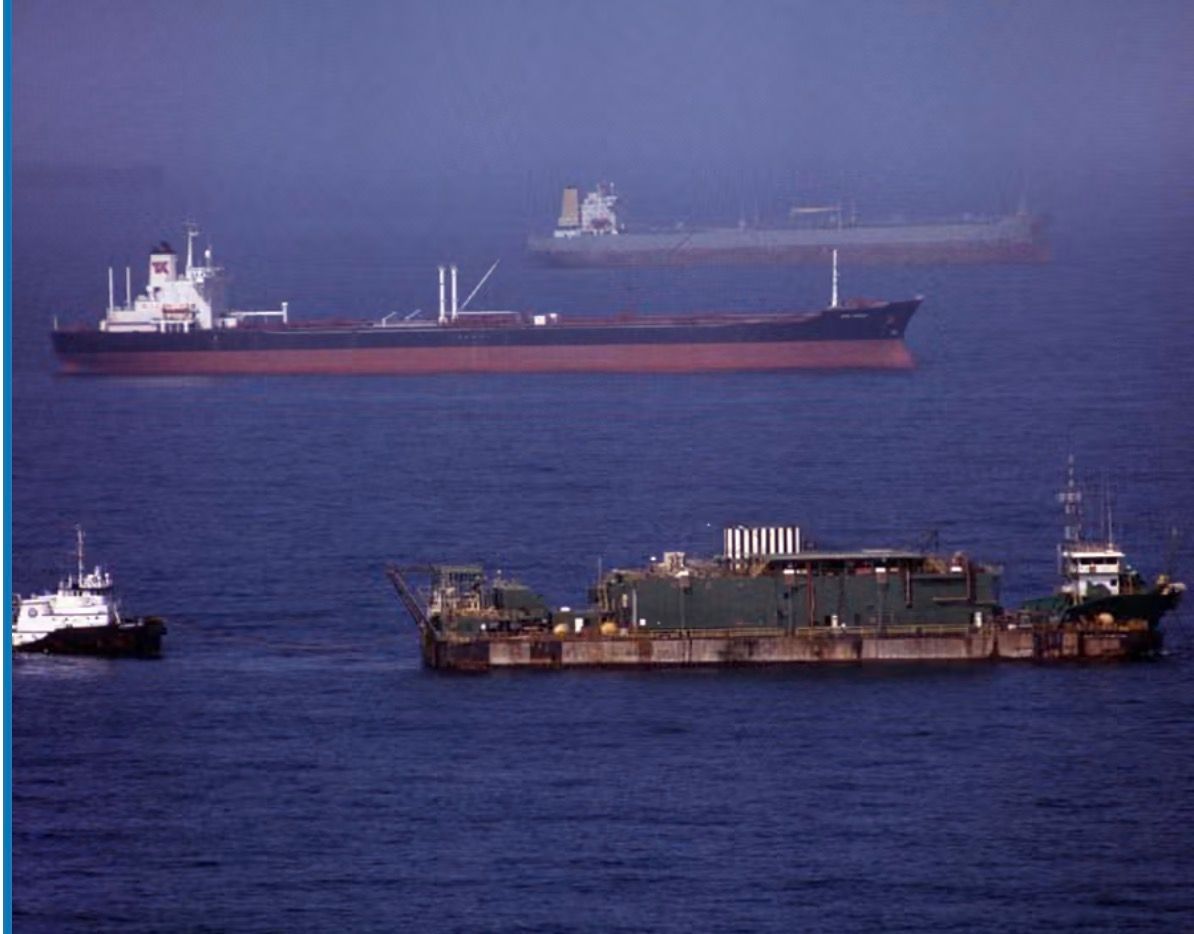
For shipments that still use the strait, operators have introduced additional measures. Much of the crude is being carried by a shuttle fleet of very large crude carriers whose satellite tracking transponders are switched off while they navigate the waterway.
Oil is also increasingly being transferred between vessels at sea. Tankers have carried out ship-to-ship transfers in waters near Oman and Fujairah in the United Arab Emirates, allowing cargoes to move between vessels rather than following the same shipping arrangements used before the conflict. In August, more than 70 percent of crude passing through the strait changed tankers, compared with almost none of the Gulf’s crude shipments before the war.
The recovery in crude exports, however, has not extended to refined petroleum products. Diesel and other refined fuels remain far below their pre-war shipping levels. Kpler data shows that refined petroleum product shipments through the strait averaged about 677,000 barrels per day, less than 20 percent of the previous level of 3.6 million barrels per day.
That shortage has added pressure to fuel markets. Average retail diesel prices in the United Kingdom reached a record 199.18 pence per litre, reflecting the continuing strain on refined fuel supplies even as crude oil movements have recovered.
Shipping specialists have also warned that the ability of oil companies to keep cargo moving does not remove the underlying security risks. The continued danger was highlighted when three Liberian-flagged tankers were hit by projectiles while travelling through the waterway.
Oil markets have therefore remained sensitive to developments around the strait. Brent crude prices reached about $101 a barrel as traders assessed the recovery in supplies against continuing geopolitical risks. Reports that China had suspended oil product exports beyond Hong Kong and Macau added another factor for markets already dealing with uncertainty over regional supply and shipping routes.
The latest figures show that the oil industry has been able to restore much of its crude export capacity by changing routes, increasing pipeline use and adapting shipping practices. But the much weaker flow of refined fuels and continuing attacks on vessels underline how different the current situation remains from conditions before the conflict.