South Africa has rejected new US visa restrictions targeting its officials, arguing that Washington’s action misrepresents the country’s domestic policies and risks making it harder for the two governments to resolve their differences through diplomacy.
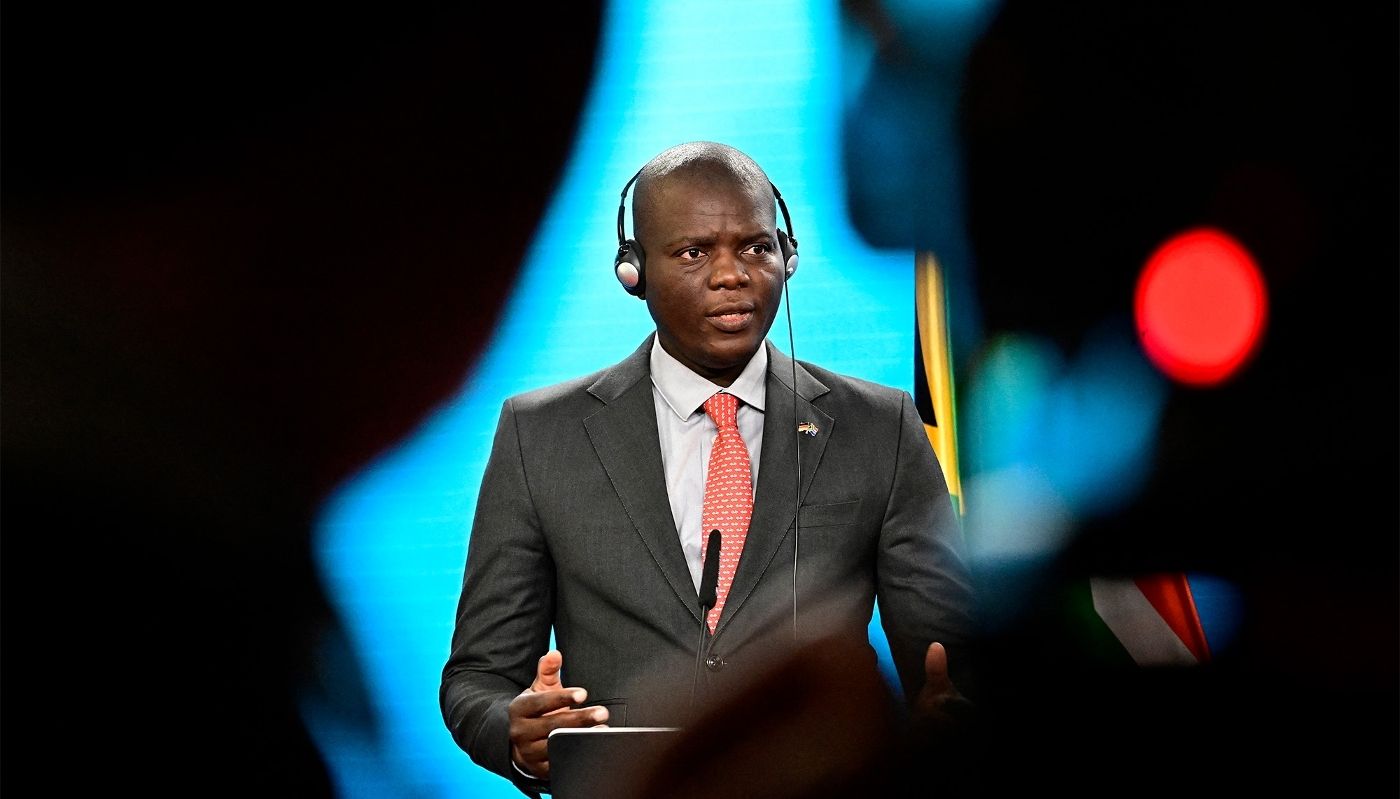
South African Minister of International Relations and Cooperation Ronald Lamola said Pretoria expects the United States to respect South Africa’s sovereignty, democratic institutions and Constitution, even when the two countries disagree over contentious policy issues.
Lamola said South Africa remains committed to dealing with domestic disputes through constitutional institutions, democratic processes and the rule of law. He also called for continued engagement between Pretoria and Washington, arguing that disagreements are better handled through diplomatic discussions than unilateral measures.
The dispute escalated on September 15, when US Secretary of State Marco Rubio announced new visa restrictions against South African officials. Rubio said the measures were aimed at officials allegedly involved in what the US administration described as “race-based discrimination.”
The restrictions were linked by Rubio to US concerns about the treatment of Afrikaners and other minority groups in South Africa. He also pointed to legislation concerning land expropriation and what he described as incitement of racial violence.
The allegations have become a recurring source of tension between Washington and Pretoria. The US administration has previously accused the South African government of mistreating White South Africans, while Pretoria has strongly rejected those claims.
South Africa has disputed allegations that its government is confiscating land from specific groups or pursuing discriminatory policies. Pretoria’s position is that its domestic policies should be understood within the country’s constitutional and legal framework rather than through the allegations made by foreign governments.
Afrikaners are a predominantly white ethnic group in South Africa, with much of their ancestry tracing back to Dutch, French and German settlers who arrived at the Cape from the 17th century. Their position in South African society is closely connected to the country’s complex history of colonialism, apartheid and the political transformation that followed the end of white minority rule.
The latest visa restrictions therefore add another point of friction to an already difficult relationship. Lamola’s response suggests that Pretoria wants the disagreement kept within diplomatic channels, rather than allowing unilateral actions to replace direct engagement between the two governments.
For South Africa, the issue also touches on a broader principle of sovereignty. The government maintains that questions involving land policy, race relations and domestic legislation should be addressed through South Africa’s own constitutional institutions and democratic processes.
The disagreement does not necessarily remove the possibility of further talks, but the exchange shows how sharply Washington and Pretoria currently differ in their interpretation of South Africa’s domestic policies. With both sides maintaining opposing positions, diplomatic engagement is likely to remain important if they are to prevent the dispute from widening into a deeper deterioration in bilateral relations.