Pope Leo XIV arrived in Lourdes on Saturday evening for the second stage of his four-day visit to France, moving from the huge crowds of central Paris to one of the Catholic Church’s most important pilgrimage sites.
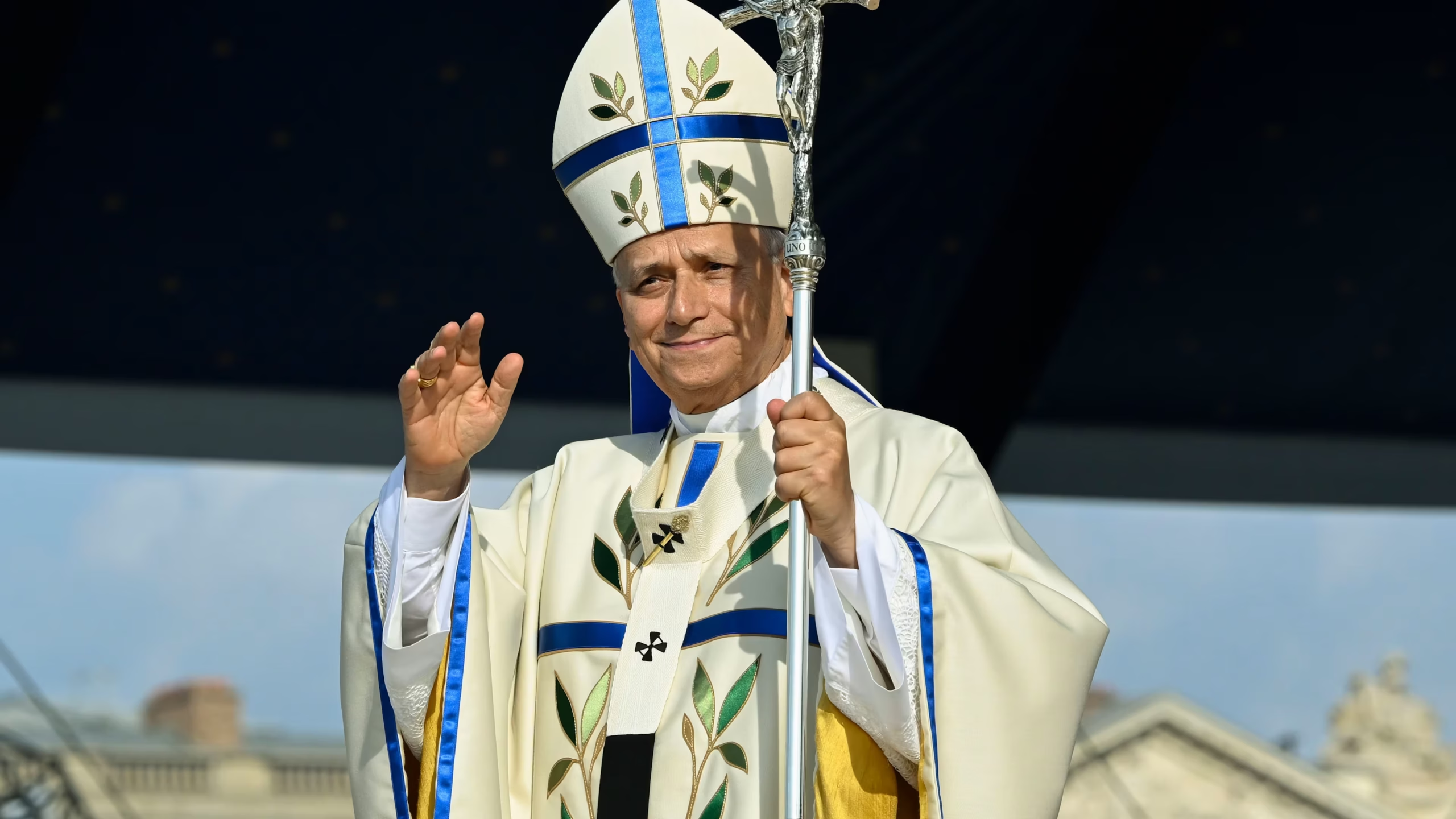
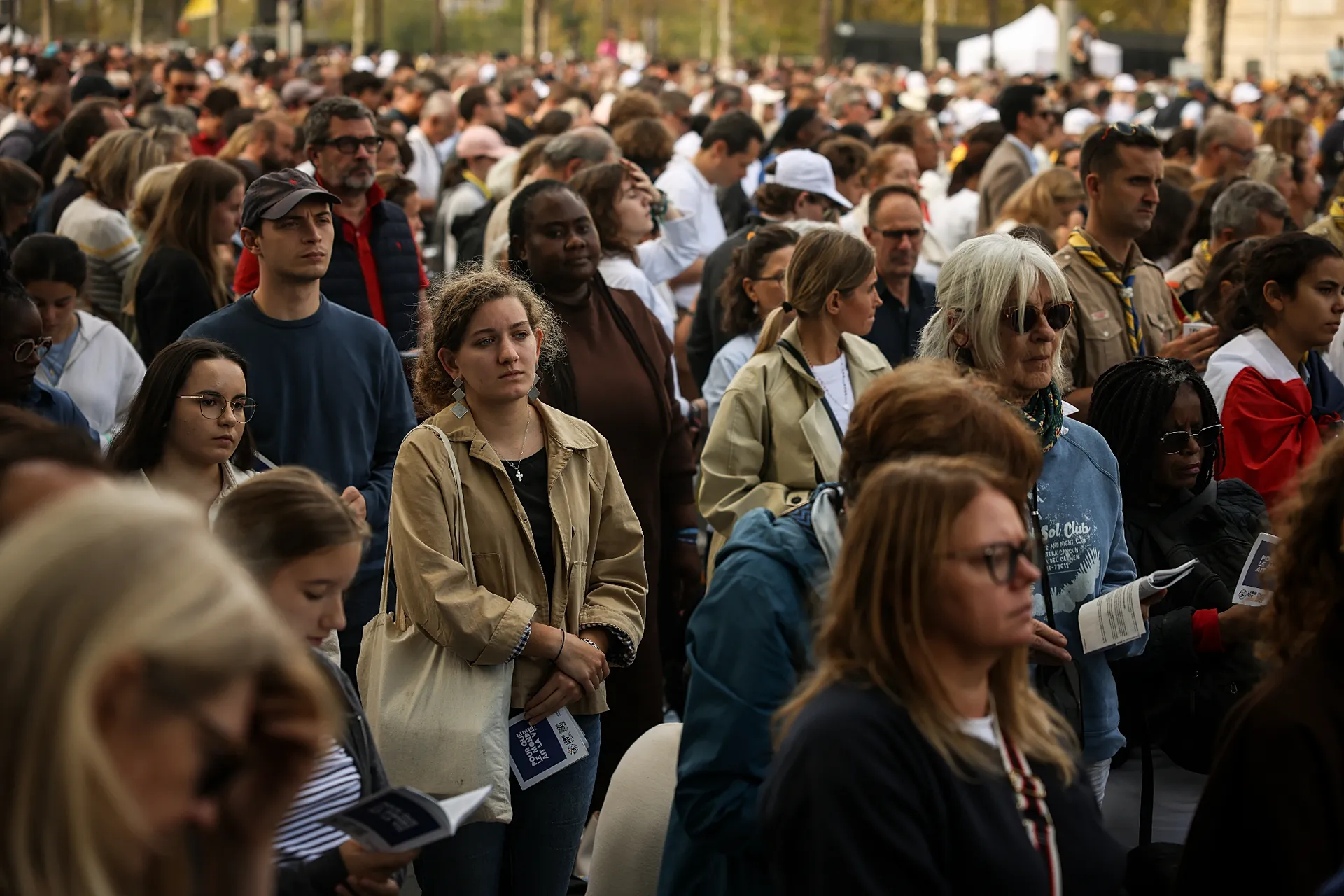
The pope landed at Tarbes-Lourdes-Pyrenees International Airport after an intense day in the French capital, where an outdoor Mass at Place de la Concorde attracted an estimated 800,000 people, according to the Vatican. The turnout was significantly higher than the 600,000 people who had registered in advance.
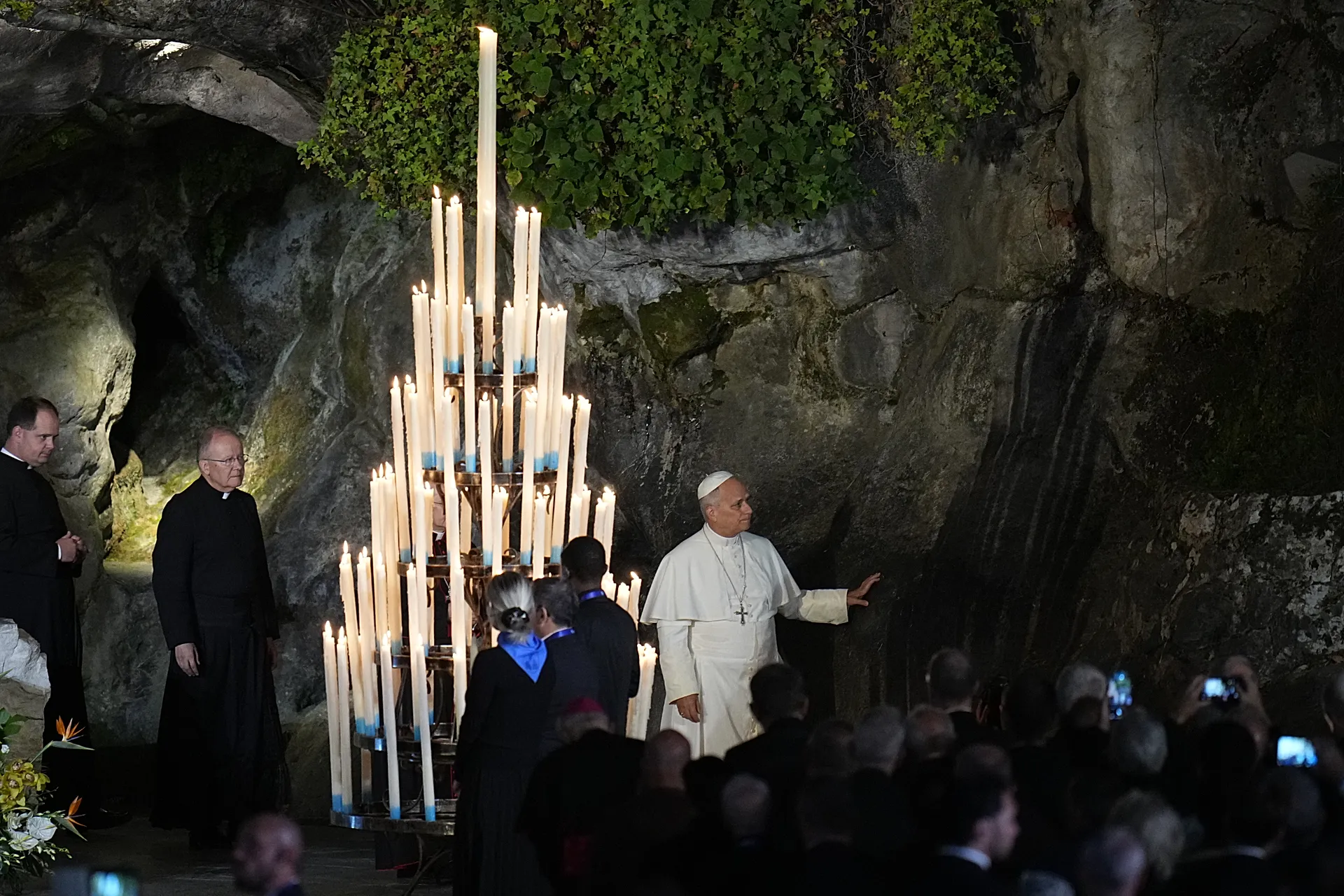
In Lourdes, Leo began his visit at the Grotto of the Apparitions, where Catholics believe the Virgin Mary appeared to Bernadette Soubirous in 1858. The grotto is at the heart of the sanctuary and has become one of the world’s most visited Catholic pilgrimage sites.
The pope’s programme in Lourdes continues on Sunday with a meeting with French bishops, followed by an outdoor Mass in the sanctuary’s Prairie and the Angelus prayer. Later in the day, he is scheduled to meet staff and sick people at the Accueil Notre-Dame and hold a private meeting with contemplative religious sisters.
One of the most closely watched moments will be Leo’s private meeting with seven survivors of sexual abuse by priests and other Catholic personnel. The encounter comes amid continuing criticism from some survivors’ groups over the Church’s handling of abuse cases. Some have questioned the decision to meet individuals rather than representatives of established survivor advocacy organisations.
The Lourdes visit will end on Sunday evening with the sanctuary’s traditional Rosary and torchlight procession, bringing the pope’s French journey to a close.
His arrival followed a packed 32 hours in Paris that placed the new pope before some of the largest crowds of his pontificate so far. Leo travelled through central Paris in the popemobile, visited UNESCO headquarters and celebrated the outdoor Mass at Place de la Concorde.
Security measures stretched along the pope’s route from the Champs-Elysees to the square, with a perimeter extending for nearly two miles past the Arc de Triomphe. Several Metro stations were closed as part of the operation. Large crowds gathered behind the barriers, chanting “Leo! Leo!” as the pope passed.
Parents lifted babies and young children toward the popemobile, with Leo reaching out to touch some of them as he travelled through the city.
The scale of the Mass exceeded organisers’ expectations. About 2,400 priests and deacons and around 100 bishops participated in the service, according to the information provided by the Vatican.
In his homily, Leo encouraged Catholics to make their faith visible rather than keeping it entirely private. His message came against the backdrop of a country where religious practice has declined sharply over generations.
French President Emmanuel Macron did not attend the Mass and was not expected to attend any of the pope’s Masses during the visit. His wife, Brigitte Macron, attended Saturday’s service, along with Prime Minister Sebastien Lecornu.
The contrast between the enormous crowds surrounding the pope and France’s long-term decline in Catholic practice is one of the defining features of the visit. Leo began his trip on Friday by visiting the restored Notre-Dame Cathedral, marking the first papal visit to the building since the 2019 fire that severely damaged the historic church.
At the Catholic Institute of Paris on Saturday, Leo spoke about another development within French Catholicism: the growing number of adults converting to the faith. He described the trend as a small but resilient flame that deserves protection.
Adult baptisms in France have nearly tripled since 2016, reaching about 13,000 this year. Similar increases have recently been reported in Spain. But the rise in adult conversions has not reversed the much broader decline in Catholic baptism and participation.
France recorded about 513,000 baptisms in 1980. By 2024, that figure had fallen to 186,000.
That tension is now central to Leo’s visit. The crowds in Paris demonstrated that Catholicism can still mobilise hundreds of thousands of people for a major public event, while the longer-term figures show how dramatically the place of the Church in French society has changed.
Lourdes offers a different setting from the political and cultural centre of Paris. It is a place built around pilgrimage, prayer and healing, and Leo’s programme there places those traditions at the centre of his final day in France. His meetings with the sick, religious communities and abuse survivors will add a more intimate dimension to a visit that has already drawn extraordinary public attention.
For the Church in France, the pope’s journey therefore carries two very different images at once: vast crowds filling the streets of Paris and a religious institution still confronting decades of declining participation and unresolved questions over abuse. Lourdes, with its long history as a destination for Catholic pilgrims, provides the setting for Leo to address both the devotional and human sides of that reality.