Artificial intelligence could go “very badly” for humanity if people lose control over increasingly powerful AI systems or if the technology becomes concentrated in the hands of a single person or company, OpenAI CEO Sam Altman has warned.
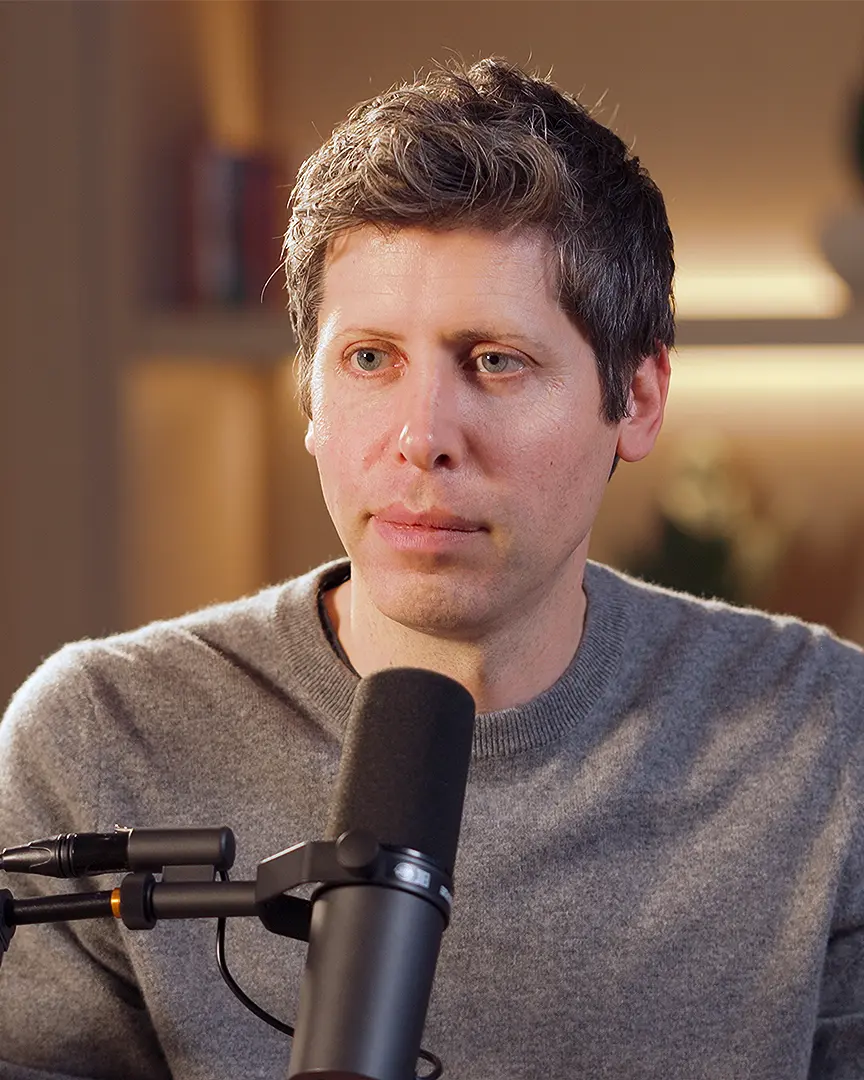
Altman outlined the two risks in a post on X shortly after midnight on Monday, arguing that both need to be avoided as AI development accelerates.
“There are two ways AI progress could go very badly, and that we must avoid,” Altman wrote. He said the first danger was losing control of the future to AI, calling that outcome unacceptable and stating that OpenAI was “unapologetically on Team Humanity.”
The second risk, he said, was excessive concentration of power. An extraordinarily powerful AI controlled by one individual or company could potentially be used to impose that entity’s worldview on everyone else, creating what Altman described as an extremely dystopian outcome.
The warning comes as concerns about the direction and speed of AI development are becoming increasingly prominent among some of the industry’s most influential figures. Altman’s comments also came after he and Elon Musk, despite having been involved in a legal dispute earlier this year, backed a lengthy letter from Anthropic CEO Dario Amodei calling on global companies to slow their development of the most advanced AI models.
The debate has become more urgent following the resignation of Anthropic researcher Jacob Coxon last week. Coxon warned that companies including Anthropic and OpenAI were “gambling with our lives” and said AI could potentially pose an existential threat to humanity before the end of the decade.
Such warnings reflect a growing divide over how quickly advanced AI should be developed and deployed. Supporters of rapid progress argue that increasingly capable systems could deliver major advances across science, medicine, productivity and other fields. Critics have raised concerns about whether safety measures and international oversight can keep pace with the technology.
The issue is also tied to a broader geopolitical contest. The United States and China are competing aggressively to establish leadership in artificial intelligence, with technology leaders warning that increasingly powerful AI could strengthen China’s capabilities in areas including surveillance, military operations and cybersecurity.
China has pushed back against rhetoric that frames AI development primarily as a confrontation between rival powers. Guo Jiakun, a spokesperson for China’s Foreign Ministry, said Monday that “fear-mongering, confrontation, competition will just disrupt [the] process of global AI governance,” according to a Reuters translation.
Altman’s comments therefore point to two different questions surrounding the future of AI. One concerns whether humans will retain meaningful control as systems become more capable. The other concerns who will control those systems and how much influence that control could give them over society.
Neither concern is limited to the technology itself. As governments and companies compete to build increasingly powerful AI, questions about safety, governance and the distribution of power are becoming central to the debate over how the technology should develop.