
American musician Mike Smith has been sentenced to 18 months in prison for using automated bots to inflate music streaming figures and collect approximately $8 million in royalties from artificially generated plays, including streams of songs created with artificial intelligence.
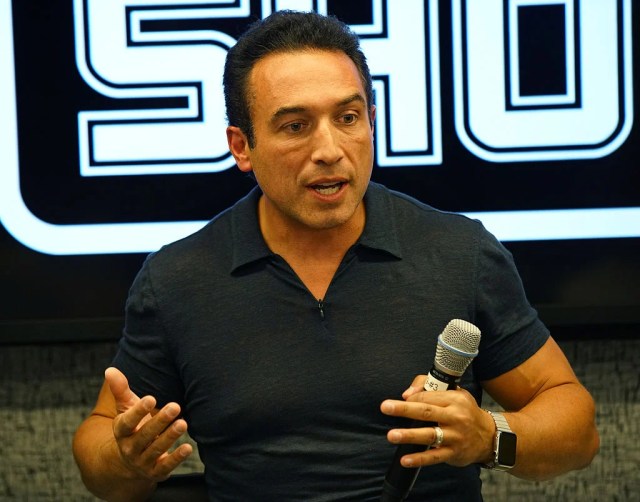
Smith was sentenced by a federal court in Manhattan on Tuesday, October 6, after pleading guilty to conspiracy to commit wire fraud in March. According to prosecutors, the scheme ran from 2017 to 2024, during which he used automated technology to generate millions of artificial streams and increase royalty payments.
The case highlights how artificial streaming activity can be used to manipulate music royalty systems, which generally distribute payments based on recorded listening activity. By making songs appear more popular than they were through genuine listener engagement, Smith was able to obtain royalties from streams that prosecutors said were artificially generated.
Smith’s scheme involved creating thousands of fraudulent accounts on major streaming services, including Spotify, Apple Music, Amazon Music and YouTube Music. He then used software to make those accounts repeatedly play songs he controlled, generating royalty payments without genuine listener activity, according to the US Department of Justice.
To keep the operation running, Smith relied on a large catalogue of AI-generated music. Prosecutors said he arranged for hundreds of thousands of songs to be created and distributed across streaming platforms, allowing him to spread the artificial plays across numerous tracks rather than concentrate them on a small number of songs.
The scale of the activity was substantial. In April 2023, Smith’s automated accounts generated 80.9 million plays of his AI-generated music through family plans on YouTube Music, according to prosecutors. By comparison, streams of Taylor Swift’s entire catalogue through family plans on the same service totalled 9.3 million that month.
Smith, 54, of Cornelius, North Carolina, pleaded guilty to one count of conspiracy to commit wire fraud on March 19, 2026. As part of the case, he agreed to forfeit $8,091,843.64, representing the proceeds prosecutors attributed to the fraudulent streaming operation. The court also ordered him to serve two years of supervised release after his prison sentence.
During sentencing, Smith reportedly became emotional and acknowledged the harm caused by his actions. “By committing this crime, I have failed miserably,” he told the court, according to the original report. Prosecutors had sought a 46-month prison term, while his lawyers argued for probation. The judge ultimately imposed an 18-month sentence.
The case is significant because it demonstrates how automated streaming and AI-generated music can be combined to exploit royalty payment systems. Streaming platforms distribute royalties according to listening activity and their respective payment arrangements. Artificially inflating play counts can divert money from legitimate artists, songwriters and other rights holders whose music is streamed by real listeners.
The US Department of Justice described the prosecution as its first criminal case involving AI-assisted music streaming fraud. The sentence establishes a clear legal consequence for using automated accounts and AI-generated tracks to manipulate streaming figures for financial gain.


