Micro-travel is expected to become a bigger part of the way people take holidays in 2027, with travellers increasingly choosing shorter, more frequent trips that fit around work, daily routines and personal interests.
The prediction comes from Hilton’s 2027 Trends Report, which is based on a survey of nearly 15,000 travellers across markets including the UK, Germany, Türkiye, the US and Australia. The report identifies five trends that Hilton says reflect a wider shift in how people think about travel, which it describes as “the great rebalance”.
Hilton President and Chief Executive Officer Chris Nassetta said travellers are becoming less interested in following someone else’s idea of the perfect holiday and more interested in travel that fits their own lives, helps them recharge and gives them experiences they continue to value after returning home.
One of the clearest changes is the growth of what Hilton calls the “micro-travel mindset”. Instead of waiting for one long annual holiday, more people are taking shorter breaks that are easier to organise and fit into busy schedules.
For some travellers, the appeal is practical. One in four respondents said shorter trips make it easier to fit travel around work, while 29% said they prefer them because they allow for greater spontaneity.
Hilton identifies two types of micro-travellers. “Selectors” build a trip around one particular experience, such as a concert, sporting event or restaurant booking. “Stackers”, by contrast, try to make the most of a short break by combining several experiences or destinations. Some 57% of those surveyed said they enjoy visiting multiple cities during a single trip.
Another trend Hilton expects to grow is what it calls the “rise of ‘ish”. The idea is that travellers are becoming more comfortable with holidays that are not perfectly planned or strictly structured.
That can mean being “healthy-ish”, rather than trying to maintain every routine while away, or “adventure-ish”, where travellers leave some room for decisions to be made along the way. Hilton found that 28% of respondents prefer to figure things out as they travel, compared with 18% who prefer a fixed itinerary.
The same approach is appearing in solo travel. Some travellers are choosing to travel alone while still looking for social connections during their trip. Three in 10 respondents said they travel solo but meet someone they know after arriving, while 20% said they join group excursions or day trips with people they did not previously know.
Travel is also increasingly being used as an opportunity to learn. Hilton’s report points to the growth of “growth getaways”, where travellers deliberately choose experiences that help them develop a new skill or change their perspective.
Language, cooking and art classes are among the activities attracting travellers through what has also been described as “skillcations”. The motivation is not simply to see a new place, but to return home having learned something. Some 34% of respondents said they want their travel experiences to give them a new mindset.
Wellness remains another important part of the travel picture, but Hilton’s research suggests that the idea of a wellness holiday is changing. Rather than focusing only on spas, treatments or structured programmes, travellers are placing greater value on spending time outdoors.
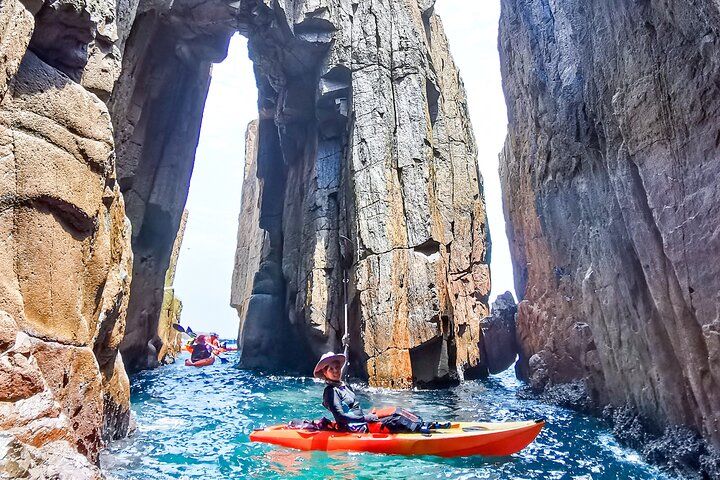
The report describes this as “wellness, rewired”. Some 79% of those surveyed said fresh air and the outdoors are essential to relaxation, while more than half said they spend more time in nature when travelling than they do at home.
The final trend concerns trust. Although artificial intelligence is becoming a more common tool for researching and planning trips, Hilton’s findings suggest that travellers still place considerable value on advice from other people.
Hotel staff were trusted by 70% of respondents for travel recommendations, while 87% said they had turned to family members for advice. Beyond family, 50% said they were more likely to trust recommendations from someone with loyalty status.
Taken together, the findings point to a travel market that is becoming more flexible rather than simply more adventurous. Shorter trips, loosely planned itineraries, learning experiences, time outdoors and advice from people travellers trust are all part of a broader move towards holidays that fit individual priorities rather than a standard idea of what a perfect trip should look like.