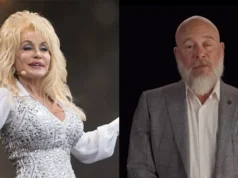
Jay Bothroyd has linked his COVID-19 vaccination to a heart problem that developed during the final season of his professional football career, saying the experience left him frightened and uncertain about what to believe.
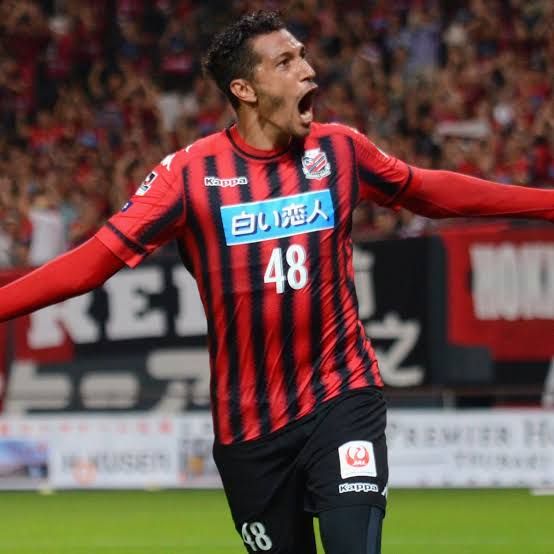
The former England striker was playing in Japan for Hokkaido Consadole Sapporo when the COVID-19 pandemic disrupted football and everyday life around the world. Bothroyd said he received his COVID-19 vaccinations before returning to Japan, where he continued playing for several months before developing an irregular heartbeat.
The condition eventually required heart surgery.
Speaking on Piers Morgan’s Football Uncensored podcast, Bothroyd described the experience as frightening and said the public debate around COVID-19, vaccines and heart conditions made it difficult for him to understand what was happening to him.
“When the Covid injection was all happening and you had to take it, right, there was lots of talk about it afterwards, about Covid and heart conditions,” Bothroyd said.
He explained that he had received his injections before returning to Japan and was able to continue playing football for about six months. He then developed what he described as an irregular heartbeat, leading to an operation during the final year of his career.
“I had a heart operation, in the last year of my career, and that was frightening,” he said.
Bothroyd’s comments reflect his personal account of the timing of his vaccination and subsequent heart condition. They do not, by themselves, establish that the vaccination caused the heart problem.
The question of possible heart-related effects following COVID-19 vaccination has been the subject of medical research and public discussion, particularly in relation to myocarditis and pericarditis. Those conditions have been associated with some COVID-19 vaccines, especially among adolescent and young adult males, although the circumstances, risks and outcomes vary.
For Bothroyd, however, the uncertainty surrounding the wider debate was part of what made the experience difficult. He said that reading conflicting information in the media left him unsure about what information he could trust while dealing with a serious health problem.
“You read all the things in the media; you don’t know what to believe. All you are is scared, because it is a serious situation,” he said.
His criticism extended beyond the vaccine itself to the way governments and public institutions communicated during the pandemic. Bothroyd argued that people were subjected to intense pressure to receive COVID-19 vaccinations and questioned whether individual beliefs and personal research were given sufficient consideration.
“It was at a time where everyone was scared, everyone was panicking,” he said, before criticising what he described as “wrong information from the very top” and accusing senior figures of breaking rules and laws.
Bothroyd also questioned the approach taken towards people who were hesitant about vaccination, saying that telling people they “must get a jab” regardless of their beliefs, faith or research was, in his view, negligent.
His remarks come years after the pandemic transformed professional sport. Football leagues were suspended, international travel became heavily restricted and athletes faced changing health protocols as clubs and governing bodies attempted to keep competitions operating.
Bothroyd’s career had already taken him across several countries. He played for a number of English clubs before moving abroad, eventually ending his professional career in Japan. He later moved into football broadcasting and became a familiar face as a pundit on Sky Sports.
The heart problem occurred near the end of that playing career, turning what might otherwise have been a period focused on football into a deeply personal medical ordeal.
Bothroyd has now chosen to speak publicly about that experience, but his account remains a personal claim about a possible connection between vaccination and his heart condition. Establishing whether a particular medical event was caused by a vaccine requires individual medical assessment and evidence beyond the timing of the two events.
His comments nevertheless illustrate how the uncertainty surrounding COVID-19 and its vaccines continues to shape personal experiences and public debate, particularly for people who experienced serious health problems during the pandemic and were left searching for explanations.