Plastic Surgery Center is facing an immediate suspension of healthcare services after Finnish regulators uncovered a series of patient safety failures during an unannounced inspection in Helsinki, including apparent breaches in the handling and cleaning of liposuction equipment.
Domestic
The inspection was carried out on 9 September at premises on Aleksanterinkatu shared by Plastic Surgery Center Helsinki Oy and Plastic Surgery Center Tampere Oy. The Licensing and Supervisory Agency, LVV, ordered both companies to stop providing healthcare services immediately.
Inspectors identified deficiencies across several areas of clinical practice, including medicines, patient records, hygiene, infection prevention, medical equipment and operating theatre procedures. The agency described the inspection as one of its most extensive supervisory operations in the social and healthcare sector, with inspectors collecting more than 1,000 photographs and documents during their visit.
Among the findings was the handling of liposuction equipment. According to LVV, inspectors formed the impression that staff had been washing both reusable and single-use components themselves, using handwashing and a dishwasher. The agency said this was done contrary to the equipment manufacturers’ instructions.
The distinction is significant because equipment used in surgical procedures must be handled in accordance with the requirements set by manufacturers and applicable safety procedures. LVV said the inspection raised concerns about infection control and the safe use of medical devices.
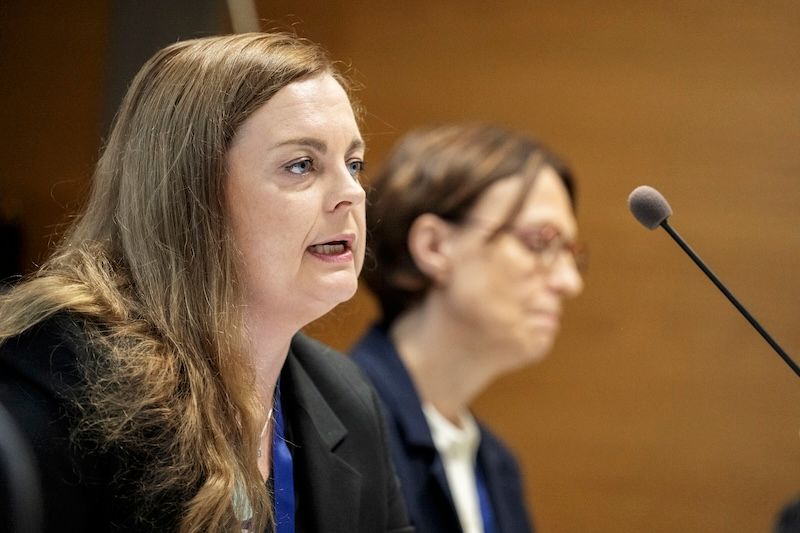
Inspectors also found oxygen cylinders in the operating theatre that were not properly secured. Niina Oresmaa, head of a unit within LVV’s social and healthcare division, said the unsecured cylinders posed a general safety risk.
The inspection also uncovered an anaesthetic cream that did not have marketing authorisation. At the same time, LVV said it could not establish whether all of the medical devices used by the clinic met regulatory requirements. The agency specifically mentioned operating tables and breast implants among the equipment it was unable to fully verify.
The clinic was also unable to provide several documents requested by inspectors. These included its self-monitoring plan, information security plan, medication plan and rescue plan.
According to LVV, the deficiencies extended to the clinic’s preparedness for complications and other emergencies that can arise during medical procedures. The findings therefore went beyond individual pieces of equipment or isolated administrative shortcomings and included broader concerns about how the providers monitored and managed the safety of their own operations.
The inspection comes days after the death of 27-year-old social media influencer Olivia Oras, whose case has brought increased attention to the clinic.
Oras lost consciousness during anaesthesia before a planned liposuction procedure at the clinic on 31 August. She was later taken to hospital and died on 3 September.
Police are investigating the death as aggravated negligent homicide. Authorities have not publicly established whether a treatment error was involved.
The regulatory inspection does not, by itself, establish a connection between the deficiencies identified at Plastic Surgery Center and Oras’s death. Any such connection would require separate investigation and evidence.
The person responsible for the two service providers has disputed the failures alleged by LVV, according to the agency. The objections cover patient safety, medical devices, medicines, information security, hygiene and emergency preparedness.
The case is part of a wider pattern that has prompted increased scrutiny of aesthetic healthcare providers in Finland. LVV said it has suspended healthcare services at five aesthetic healthcare providers this year after identifying multiple deficiencies that it considered to place patient safety at risk.
Recurring problems identified by the agency include the use of medicines without proper authorisation, deficiencies in medication practices and failures related to medical device safety.
LVV has also identified cases in which doctors were not present or immediately available during botulinum toxin injections. The agency’s position is that medical supervision is required for such procedures.
Satu Koskela, head of LVV’s social and healthcare division, said the inspections had exposed serious weaknesses in self-monitoring at some aesthetic healthcare providers. She also stressed that the problems identified by the agency should not be taken as representative of the entire aesthetic healthcare sector.
The scale of the sector is considerable. LVV’s Soteri register lists about 740 service units and more than 1,000 service locations registered to provide healthcare treatments for aesthetic purposes.
For Plastic Surgery Center, the immediate suspension places the clinic’s practices under regulatory scrutiny while the authorities assess the deficiencies identified during the inspection. The findings also illustrate the importance of proper infection control, medical device handling, medication management and emergency preparedness in a sector where procedures that may appear routine can still involve significant medical risks.