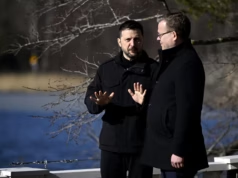
Finland’s proposed tourist tax will not become law during the current government’s term after coalition parties failed to reach an agreement on the measure, Finance Minister Riikka Purra has announced.
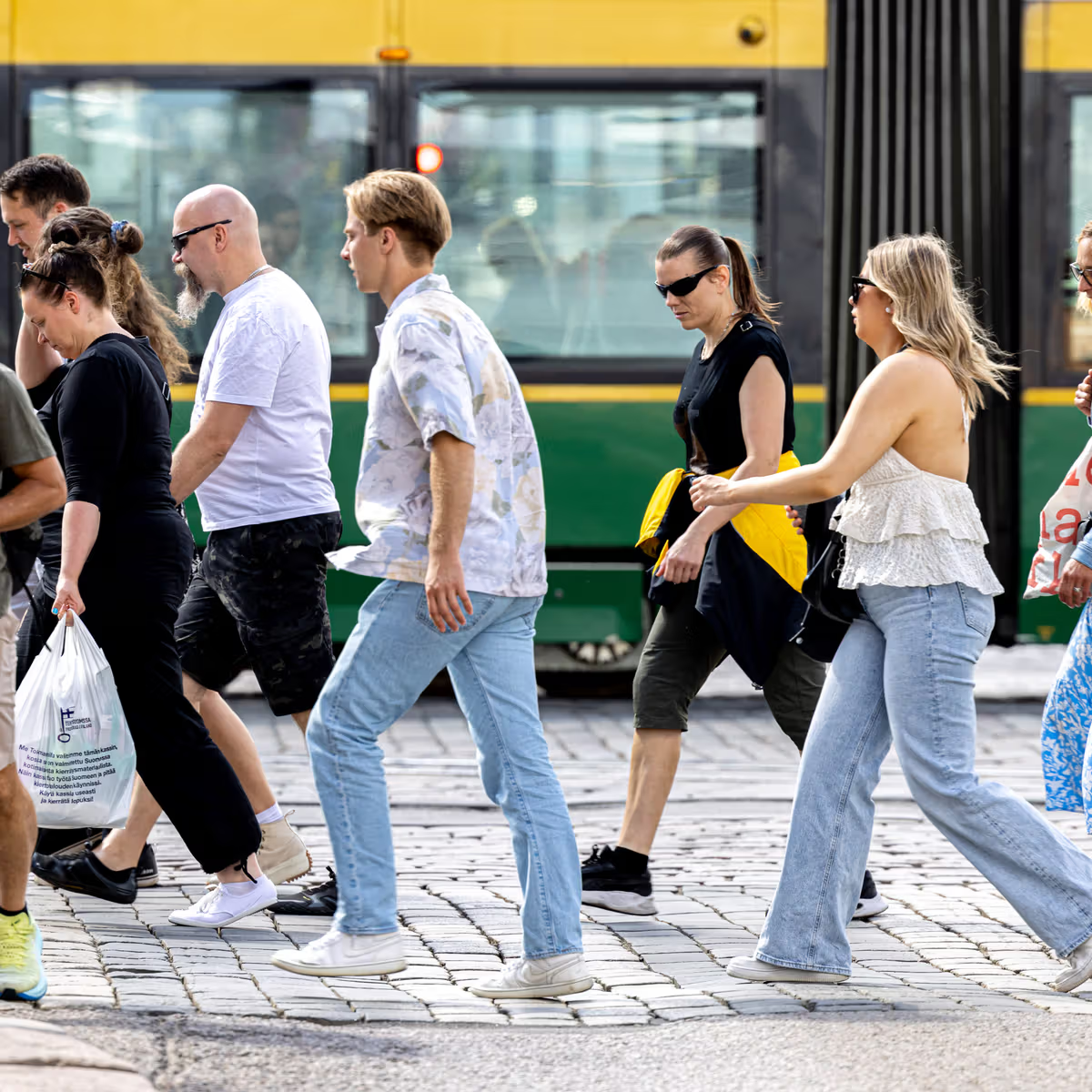
The proposal would have allowed municipalities to collect a fee from visitors, particularly in popular tourist destinations such as Rovaniemi and other parts of Finnish Lapland, where rising visitor numbers have increased pressure on local infrastructure and public services.
In a post on the social media platform X, Purra said the government would not submit the proposal to parliament because the coalition parties could not agree on the issue.
“Unfortunately, the so-called tourist tax, a small fee commonly collected in connection with accommodation around the world, which was being prepared in particular for the needs of Lapland’s tourist destinations, such as Rovaniemi, will not after all proceed to parliament, and will therefore not be completed during this government term,” Purra wrote.
The Finnish Ministry of Finance had circulated the proposal for consultation in June, inviting feedback on the proposed tax and its potential effects. At the time, the ministry said the measure could generate millions of euros in tax revenue for municipalities that attract large numbers of tourists.
The decision to shelve the plans has disappointed local officials in Lapland, where tourism has grown significantly in recent years.
Rovaniemi Mayor Joonas Hänninen said the increase in visitors had created additional costs and challenges for the municipality, making a tourism tax a necessary source of funding in his view.
Tourist numbers place greater demands on local infrastructure and public services, including the facilities and systems needed to accommodate visitors. Hänninen argued that existing public funding was not enough to cover the costs associated with the growing number of tourists.
He also questioned why Finnish municipalities with substantial tourism industries should not have the option of introducing a fee similar to those already used in other destinations.
“I think it would be quite logical for Finland as well to give regions where tourism is a significant phenomenon the opportunity to introduce such a fee,” Hänninen said.
He expressed hope that the issue could be reconsidered during the next government term, leaving the possibility of a future tourist tax open.
However, the proposal has also faced opposition from Finland’s hospitality industry, which has raised concerns about the potential impact on accommodation prices and visitor demand.
The Finnish Hospitality Association MaRa welcomed the decision not to proceed with the tax. Its chief executive, Timo Lappi, told Finnish public broadcaster Yle that introducing an additional charge would create further difficulties for an industry still dealing with the effects of the Covid-19 pandemic.
Lappi also pointed to the government’s increase in value-added tax on accommodation and restaurant services from 10 percent to 13.5 percent during its term. From the industry’s perspective, another tax could add to the financial pressure on businesses and make travel more expensive for customers.
Concerns about the proposed tourist tax were also raised during the government’s consultation process. Several municipalities highlighted the risk that an additional charge could increase accommodation costs and weaken demand, potentially affecting tourism businesses and destinations that depend on visitors.
The debate reflects a wider question facing popular tourist destinations: how to fund the local services and infrastructure that visitors use without making the destination less attractive or placing additional pressure on the businesses that serve them.
Tourist taxes are already used in several European destinations, including Venice, Paris and Seville. Such charges are commonly collected from people staying in hotels and other short-term accommodation, although the rules and rates differ between destinations.
For Finnish Lapland, the immediate question remains how municipalities will cover the additional costs associated with tourism growth. With the current proposal no longer moving forward, local authorities hoping for a dedicated visitor levy will have to wait for another opportunity to pursue the measure.