Finland public transport penalty fare could rise from EUR 100 to EUR 130 if a proposal from the Helsinki Regional Transport Authority, HSL, is approved. The authority says the increase is needed because the current penalty has not produced a lasting reduction in fare evasion.
The proposed change is included in HSL’s preliminary operating and financial plan for 2027 to 2029. Helsingin Sanomat first reported the proposal.
For passengers in Helsinki and the surrounding areas, the change would mean a significantly higher cost for travelling without a valid ticket.
HSL says the main purpose of a penalty fare is not to make money from passengers who break the rules. Its stated goal is to encourage people to buy the correct ticket and protect the revenue used to operate public transport.
The authority says its previous increase had an effect, but only for a limited period.
In 2024, HSL increased the penalty from EUR 80 to EUR 100. According to the authority, that increase stopped fare evasion from continuing to grow, but it did not result in a long-term reduction.
HSL is now proposing another increase of EUR 30.
That would represent a 30 percent increase compared with the current EUR 100 charge.
What happens if you travel without a ticket?
Under the proposed system, a passenger found travelling without a valid ticket would face a EUR 130 penalty fare.
This is separate from the normal price of a public transport ticket. A passenger who does not have a valid ticket may therefore have to pay the penalty as well as deal with any other requirements set by HSL or its ticket inspectors.
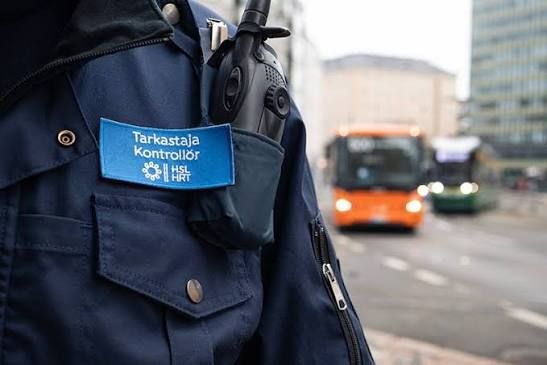
The proposal is particularly relevant in the Helsinki metropolitan area, where buses, trams, commuter trains, metros and other public transport services operate under the HSL system.
There is an important reason why HSL has proposed EUR 130 rather than a much higher amount.
Finnish legislation places a limit on public transport penalty fares. The penalty cannot be more than 40 times the price of the cheapest adult single ticket in the relevant transport area.
HSL’s cheapest adult single ticket currently costs EUR 3.30.
Forty times that amount is EUR 132.
That means a EUR 130 penalty would sit just EUR 2 below the current legal maximum.
This also shows why future changes to ticket prices could become important. If the cheapest adult ticket changes, the legal ceiling for the penalty fare could also change.
A Helsinki Urban Environment Committee proposal supporting the increase also says HSL should make sure the higher penalty does not create problems if cheaper ticket products are introduced later.
That point is important because the relationship between ticket prices and penalty fares is directly connected by law.
If HSL introduces a cheaper adult ticket in the future, the maximum legal penalty could fall unless the legislation itself changes.
The issue is therefore not simply about raising a fine. It is also linked to how HSL structures its ticket prices in the years ahead.
HSL is owned by nine municipalities, and those municipalities have been asked to give their views on the proposed increase.
The members are Helsinki, Espoo, Vantaa, Kauniainen, Siuntio, Kirkkonummi, Sipoo, Kerava and Tuusula.
Helsinki, the largest municipality in the HSL area, appears likely to support the proposal.
A proposal before the Helsinki Urban Environment Committee describes the EUR 130 penalty as justified. The committee is scheduled to consider the matter before the wider planning process continues.
The municipalities’ views will form part of HSL’s consideration of its operating and financial plan for 2027 to 2029.
This means the EUR 130 charge is not yet a confirmed new penalty for passengers.
The proposal comes after HSL increased ticket prices by an average of 3.1 percent at the beginning of 2026.
That makes the proposed penalty increase part of a wider discussion about the cost of using public transport in the Helsinki region.
For regular passengers who already pay for tickets, the higher penalty may be seen as a stronger enforcement measure against fare evasion.
For passengers who occasionally make mistakes, however, the size of the penalty could have a very different effect.
A person who forgets to buy a ticket, misunderstands the ticket zones or travels with an expired ticket could face a charge that is many times higher than the price of an ordinary journey.
That is one reason the debate around penalty fares cannot be reduced to a simple question of whether EUR 130 is expensive or reasonable.
HSL’s argument is based on deterrence.
If the financial consequence of travelling without a valid ticket becomes greater, the authority expects more passengers to make sure they have the correct ticket before travelling.
But HSL’s own experience suggests that raising the penalty does not automatically solve fare evasion permanently.
The 2024 increase from EUR 80 to EUR 100 appears to have stopped fare evasion from increasing, according to HSL, but the reduction was not sustained.
That raises a wider question for the authority: how much can a higher penalty achieve on its own?
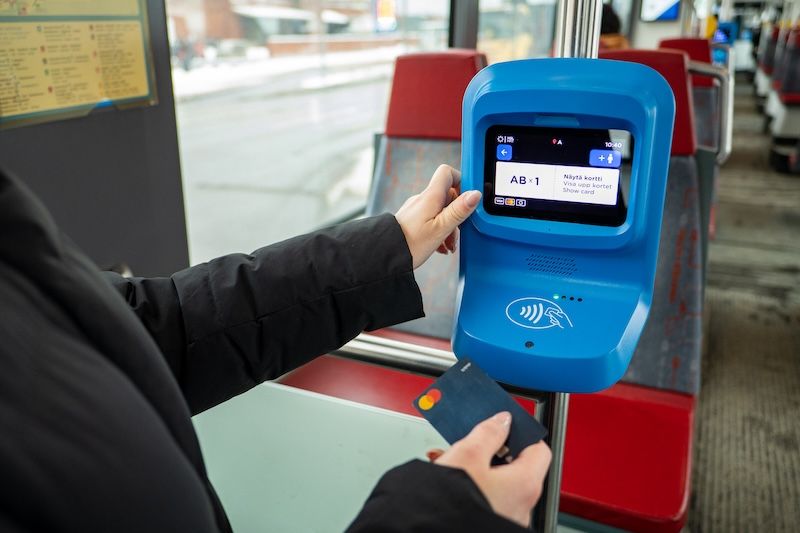
Ticket prices, ease of purchasing tickets, passenger awareness, ticket inspection and the design of the ticketing system can all influence whether people travel with valid tickets.
A higher penalty is only one part of that picture.
The most important point is that the EUR 130 penalty is currently a proposal, not a confirmed charge.
HSL still needs to consider the views of its member municipalities as part of its 2027 to 2029 operating and financial planning process.
If the proposal is approved, passengers travelling within the HSL area without a valid ticket would face a penalty that is almost at the current legal maximum.
The proposed change would also make the financial difference between buying a normal ticket and travelling without one much greater.
For passengers, the practical lesson remains simple: check that you have the correct ticket before starting your journey, particularly when travelling across different HSL zones.
The proposed increase to EUR 130 is a small change in the wider HSL budget, but it could have a noticeable effect on passengers.
It comes at a time when public transport costs are already being reviewed and ticket prices have recently increased.
The final decision will determine whether EUR 130 becomes the new penalty fare or whether HSL changes its proposal.
What is clear is that HSL believes the current EUR 100 charge is no longer doing enough to discourage fare evasion. The authority is now testing whether a penalty close to the legal ceiling can produce a stronger and more lasting effect.
For people who depend on public transport every day, the decision will be worth watching. It affects not only the cost of a ticket, but also the financial consequences of travelling without one.