
Central Park horse-drawn carriage rides could come to an end in June 2028 after New York City’s council voted on October 22 to ban the long-running tourist attraction, following years of debate over animal welfare, public safety and the future of the carriage industry.
The vote marks a significant step towards ending a tradition that dates back to the mid-19th century, when horse-drawn carriages became part of the experience of visiting Central Park. However, the ban still requires the signature of Mayor Zohran Mamdani, who has previously supported ending the rides but has also raised concerns about protecting the livelihoods of the workers involved.
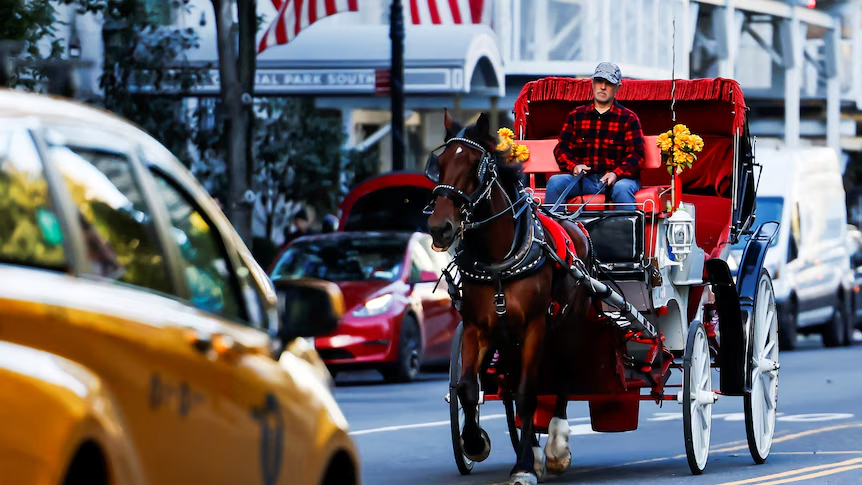
If signed into law, the measure would give the industry until June 2028 to prepare for the change. New York City Council Speaker Julie Menin said the transition period is intended to help approximately 150 active carriage drivers find alternative employment.
The proposal also includes a provision to explore possible compensation for licence holders. However, the Transport Workers Union, which represents the carriage drivers, has threatened legal action against the planned ban, setting the stage for further disputes over the industry’s future.
The debate surrounding Central Park’s horse-drawn carriages has continued for nearly two decades, with animal welfare advocates calling for an end to the practice while supporters argue that it provides jobs and preserves a historic part of New York’s tourism industry.
Opponents have raised concerns about horses working in busy city streets and sharing space with vehicles, cyclists and pedestrians. Deadly collapses and incidents involving horses escaping their handlers have strengthened calls for the rides to be discontinued.
A fatal incident in June added to those concerns. An 18-year-old tourist from India was killed after a horse broke loose and bolted, according to the original report. The incident followed other accidents involving the carriages, including the deaths of several horses.
The Central Park Conservancy, the organisation responsible for managing the park, has also backed calls to end the rides. Central Park receives approximately 42 million visits annually, making public safety a significant consideration in decisions about activities within its grounds. The conservancy described the issue as a matter of public health and safety.
Under the proposed legislation, owners of the nearly 200 horses involved in the industry would be prohibited from selling them for slaughter or transferring them to other horse-carriage businesses. The provision seeks to address concerns about the animals’ welfare if the industry closes.
For many visitors, the carriages have long been associated with the traditional image of Central Park. Their place in popular culture has been reinforced by film and television, including the carriage scene featuring Robert Redford and Jane Fonda in “Barefoot in the Park” and a dramatic carriage ride in “Sex and the City”.
The rides can cost around $150 for 45 minutes, with prices reaching several hundred dollars for special occasions such as marriage proposals. Despite their popularity with some tourists, the industry has faced growing scrutiny over whether its cultural value justifies the risks identified by critics.
The proposed 2028 deadline would give drivers, licence holders and horse owners time to prepare for a potential shutdown, but questions remain about compensation, employment alternatives and the legal challenge threatened by the union. The final outcome now depends on the mayor’s decision and the implementation of the measure if it becomes law.


