
Lahti museums offer a fascinating introduction to Finland’s cultural identity, from the country’s sporting achievements and broadcasting history to its visual arts, wartime experiences, music and everyday traditions. Located in the heart of the Päijät-Häme region, Lahti has a museum scene that reflects a city shaped by creativity, industry, communication, sport and a strong connection to Finnish heritage.
Often recognised for its winter sports, particularly the Salpausselkä Ski Games, Lahti has considerably more to offer visitors interested in understanding Finnish society beyond its best-known attractions. Its museums explore how people lived, worked, communicated, entertained themselves and responded to major historical events. Some occupy historic buildings, while others preserve specialist collections that tell stories rarely encountered in conventional art or history museums.
For visitors exploring southern Finland, these institutions offer an opportunity to understand the country’s past through objects, photographs, personal stories and interactive exhibitions. Whether the interest lies in Finnish design, the development of radio and television, the history of skiing or the country’s military experiences, Lahti provides several rewarding places to begin.
One of the most prominent cultural destinations is Lahti Museum of Visual Arts Malva, a museum that brings together visual art, design, posters and contemporary cultural expression. Located in the former Malski brewery building in central Lahti, Malva occupies an industrial setting that connects the city’s architectural and commercial history with its present-day creative scene.
The museum is particularly interesting for visitors who want to explore Finland’s relationship with design and visual communication. Its exhibitions bring together different artistic disciplines, offering perspectives on how images, objects and creative ideas shape the way people experience the world. Poster art is also an important part of its identity, reflecting the history of graphic design and the role of visual communication in public life.
Malva is not simply a place to look at paintings. Its broader programme makes it an appealing destination for anyone interested in how Finnish artists and designers approach contemporary themes.

The building itself adds another dimension to the experience, demonstrating how an industrial property can be adapted into a modern cultural destination.
The city’s historical narrative is explored more directly at the Lahti Historical Museum. Housed in the pink Lahti Manor, the museum provides an opportunity to understand how the Päijät-Häme region developed and how its inhabitants experienced different periods of Finnish history.

Its permanent exhibition, “A Favourable Place”, follows the region’s history from the period after the Ice Age to contemporary life. Rather than concentrating exclusively on political events or important historical figures, the exhibition explores everyday experiences, local communities and the changes that shaped the region over centuries. This approach makes it particularly valuable for international visitors who want to understand Finnish history from the perspective of the people who lived it.
The manor building also contributes to the experience. Its historic surroundings provide a striking contrast to the contemporary exhibition design, allowing visitors to encounter local history in a setting that is itself part of the region’s heritage. The museum reopened in June 2024 following an extensive renovation, giving its exhibitions a renewed presentation.
For a different perspective on Finnish society, the Radio and TV Museum Mastola takes visitors into the history of broadcasting and mass communication. Situated on Radiomäki, close to Lahti’s distinctive radio towers, the museum documents the development of radio and television in Finland through equipment, recordings, photographs and interactive displays.
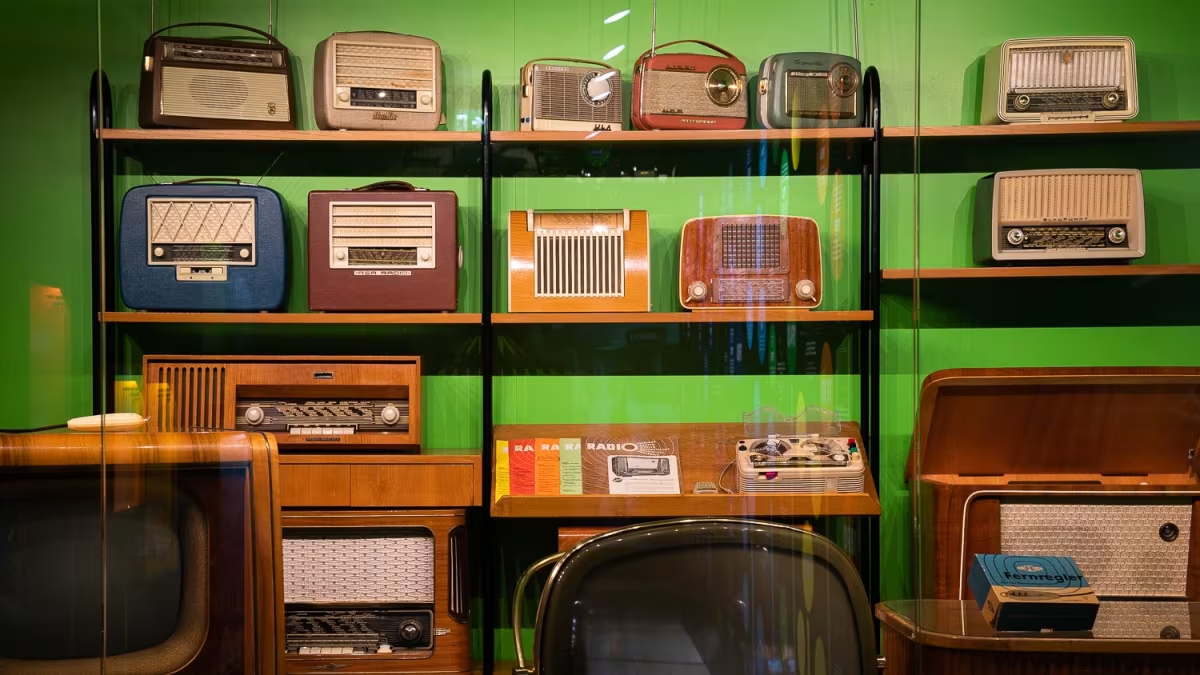
Lahti has a particularly interesting place in the country’s broadcasting history. The city’s long-wave radio station began broadcasting in 1928, helping establish its importance in the development of Finnish radio communication. The two prominent transmission towers remain recognisable features of the city’s skyline and are closely connected to this history.
Inside Mastola, visitors can explore how radio and television changed Finnish homes, entertainment and access to information. Exhibitions examine broadcasting from the perspectives of listeners, viewers and programme makers, while historical devices demonstrate how technology has changed over generations. The museum also offers an opportunity to experiment with television production through its chroma key studio, where visitors can try presenting their own news broadcast. For anyone curious about how Finnish popular culture developed, Mastola provides an unusually engaging historical perspective.
Sport is another important part of Lahti’s identity, and the Ski Museum offers an opportunity to understand why skiing occupies such a prominent position in Finnish life. Located at the Lahti Sports Centre, close to the city’s famous ski jumping hills, the museum explores the development of Nordic skiing and the history of the Lahti Ski Games.

Lahti has hosted the Lahti Ski Games since 1923, making the competition an established part of the city’s sporting and cultural history. The museum also examines the Nordic World Ski Championships held in Lahti, placing the city’s international sporting reputation within the wider development of winter sports in Finland.
Visitors can explore equipment, historical material and stories connected to Finnish skiing, while interactive activities make the experience more accessible to people who are not familiar with the sport. One of its distinctive attractions allows visitors to try a simulated ski jumping experience. It is an interesting way to discover how a sporting tradition became closely connected to Finnish identity, outdoor recreation and national achievement.
Finland’s wartime experiences and the people who served during those difficult periods are explored at the Museum of Military Medicine in Hennala. Located within the former military garrison, the museum occupies a red-brick building originally constructed as a headquarters for the Russian army in 1913.
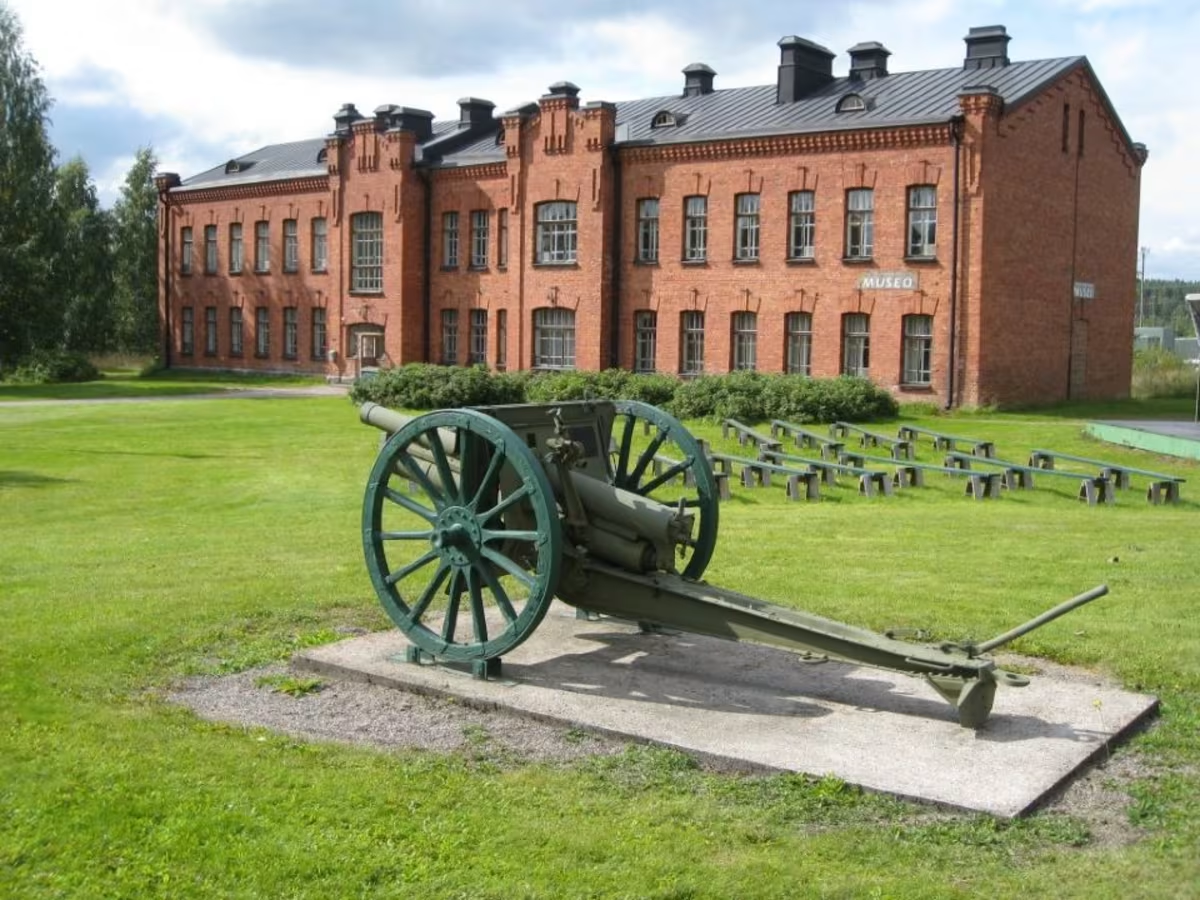
Its exhibitions focus on military healthcare, medical services during wartime and the experiences of those involved in treating wounded soldiers. Visitors can learn about the equipment and practices used by military medical personnel, including doctors, nurses and other healthcare workers. The displays also examine the history of the Winter War and Continuation War, offering insight into the medical challenges faced by Finland during the Second World War.
The museum’s connection to Hennala makes its historical context particularly significant. The former garrison area witnessed important events during the Finnish Civil War of 1918, including the operation of a prison camp. Exhibitions also address the history of the barracks and the experiences of people connected to the area. The museum provides a more personal perspective on military history by looking beyond battles and military strategy to the medical work, human suffering and efforts to save lives during conflict.
Visitors should plan ahead because the museum has traditionally operated with limited seasonal public opening hours, although group visits can be arranged by appointment. Its official 2026 visitor information lists public opening from July 11 to September 6, on Saturdays and Sundays.
Finnish popular music also deserves a place in any exploration of the country’s cultural landscape. In Hennala, Apulandia offers a very different museum experience by documenting the history of Apulanta, one of Finland’s best-known rock bands.

The museum is also the band’s headquarters and includes a cafe, making it more than a conventional exhibition space. Its displays bring together memorabilia from the group’s career, including photographs, posters, instruments, gold records, clothing, stage materials, videos and other personal and professional objects. Visitors can also see the walls of the band’s original rehearsal space in Heinola, which were transferred to Apulandia after the original building faced demolition.
For international visitors unfamiliar with Finnish rock music, Apulandia offers an introduction to a homegrown music scene and the relationship between artists and their audiences. Its collection documents the development of a band that emerged from the Finnish music scene and built a lasting following. It also demonstrates how popular music becomes part of a country’s cultural memory, particularly through the objects, performances and experiences associated with an artist’s career.
Apulandia is located in the historic Hennala garrison area, close to the Museum of Military Medicine. Combining both visits can provide an interesting contrast between Finland’s military past and its more contemporary cultural expression.
At Niemi Marina, overlooking Lake Vesijärvi, the Finnish Motorcycle Museum offers another perspective on Finnish history through transport, engineering and leisure culture. Housed in a former drying plant dating from 1959, the museum documents the development of motorcycling in Finland, with exhibits covering the early twentieth century through to the 1980s.

Its collection includes more than 100 motorcycles, ranging from restored international models and Finnish racing machines to mopeds and everyday motorcycles. The accompanying objects and stories help explain how motorcycles became part of everyday mobility, recreation and sporting culture.
The museum is particularly interesting for visitors who want to explore a side of Finnish industrial and social history that is often overlooked in traditional cultural institutions. Its exhibitions also change annually, providing different perspectives on the history of motorcycling. The building houses Ace Cafe Lahti, adding a social dimension to the visit and connecting the museum’s subject to the wider motorcycling community.
Lahti’s relationship with its lakes and outdoor environment can be explored at the Finnish Canoeing Museum on Kahvisaari Island, near Niemi Marina. Established in 2008 by the local canoeing association Vesisamoilijat, the museum preserves the history of canoeing and kayaking in Finland.
The collection includes canoes, kayaks, photographs, literature and equipment associated with recreational and competitive paddling. It traces changes in the design and construction of boats as well as the development of canoeing as a sport and leisure activity.

One of its most significant exhibits is the kayak used by Finnish paddler Sylvi Saimo when she won Olympic gold at the 1952 Helsinki Games. Saimo’s achievement is an important part of Finnish sporting history, and the kayak offers a tangible connection to a landmark moment in the country’s Olympic story.
The museum also provides an opportunity to understand the importance of waterways and outdoor recreation in Finnish life. With its location on Kahvisaari, the experience is closely connected to the landscape that has helped make paddling a popular activity in Finland. As a relatively small specialist museum, it offers a more intimate experience than the city’s larger institutions. Visitors should check access arrangements before travelling, as public opening is seasonal.
Together, these eight museums reveal a side of Lahti that cannot be understood through its sporting venues, shopping streets or lakeside attractions alone. They show how the city and the surrounding region have developed through artistic expression, industrial innovation, broadcasting, sport, music, wartime experiences and outdoor traditions.
For visitors interested in Finnish culture, the value of exploring these institutions lies in the different perspectives they offer. The Historical Museum provides a foundation for understanding the region, Malva introduces its creative identity, and Mastola explains the development of communication and popular media. The specialist museums add further detail, connecting national stories to the experiences of particular communities and individuals.
Not every museum requires the same amount of time, and some operate only during specific seasons. Checking official opening hours before visiting is therefore advisable, particularly for the smaller specialist collections. Those planning a cultural visit to Lahti will find that setting aside time for its museums offers a richer understanding of the city and the Finnish traditions that continue to shape it.


