
A Doha stopover offers travellers the opportunity to explore one of the Middle East’s most modern capitals, whether they have 24 hours between flights or several days to spare. From traditional markets and waterfront promenades to world-class museums, desert adventures and internationally recognised restaurants, Qatar’s capital has plenty to offer beyond its international airport.

Doha has changed considerably in recent years, particularly in the lead-up to the 2022 FIFA World Cup, when Qatar became the first Arab country to host the tournament. Preparations for the competition brought major infrastructure developments, new hotels and improvements to the city’s transport network, including the Doha Metro. These investments have helped make the capital more accessible to international visitors looking to experience the country during a short break.
The city is also the main hub for Qatar Airways, which connects Doha with more than 170 destinations worldwide, including several European cities. Its position as a major international aviation hub makes the Qatari capital a convenient stop for passengers travelling between Europe, Asia, Africa and other parts of the world.
For travellers with time before their connecting flight, Hamad International Airport itself offers plenty to explore. The airport features an extensive selection of restaurants, shops and public art installations, including Urs Fischer’s famous Lamp Bear sculpture. Visitors can also find ORCHARD, a 6,000-square-metre indoor tropical garden, where free 20-minute guided wellness sessions are available. However, leaving the airport to explore Doha offers an opportunity to experience a different side of Qatar.

One of the easiest places to begin exploring is the Mina District, located around the old port. Its pastel-coloured buildings, cobbled streets and waterfront setting make it an attractive area for a relaxed walk, particularly after a long flight. Nearby, Box Park has transformed colourful shipping containers into retail and food outlets, creating a distinctive setting for shopping, refreshments and photographs. During the winter season, cruise ships can also be seen arriving at the Grand Terminal.
For another perspective of the city, the Doha Corniche is worth visiting. The seven-kilometre waterfront promenade stretches along the bay and provides sweeping views of the capital’s skyline. Traditional wooden dhow boats regularly cross the water, and visitors can arrange a boat trip to see the city’s buildings from the sea. The Corniche is particularly appealing in the late afternoon and evening, when the changing light creates a different view of the waterfront.
Shopping is another option for visitors with time to spare. Place Vendome Mall in Lusail is a large retail destination inspired by classical French architecture. Spread across four floors, it houses approximately 580 luxury and mid-range stores, making it a substantial stop for anyone interested in fashion, dining and international brands.

The Pearl Island offers a different atmosphere. Often described as the Arabian Riviera, the artificial island is known for its Mediterranean-style architecture, yacht-lined marina, restaurants and cafes. Its waterfront surroundings make it a popular place for an evening walk or dinner. Nearby Gewan Island also attracts visitors with its shopping and entertainment facilities, which include around 100 retail and dining outlets.
One of Gewan Island’s distinctive attractions is the Crystal Walk, featuring approximately 180 illuminated panels set into the ground and decorated with crystal artwork. The designs include references to caravans, deserts, forests and wildlife. The island has also gained international recognition for its outdoor air-conditioning facilities, with Guinness World Records titles for the longest outdoor air-conditioned mall and the largest outdoor interactive light canopy.
Doha has also invested in making some of its public spaces more comfortable during the hotter months. Parks including Rawdat Al Hamama Park, Umm Al Seneem Park, Al Gharrafa Park and Oxygen Park feature air-conditioned walkways, allowing visitors to spend time outdoors with some protection from the heat. Even so, travellers visiting during the summer should plan outdoor activities carefully and carry enough water.
No visit to Doha would be complete without spending time at Souq Waqif, one of the city’s most recognisable cultural and commercial landmarks. Situated in the old town, the traditional market is known for its narrow alleyways, shops, restaurants and buildings that reflect Qatar’s architectural heritage.
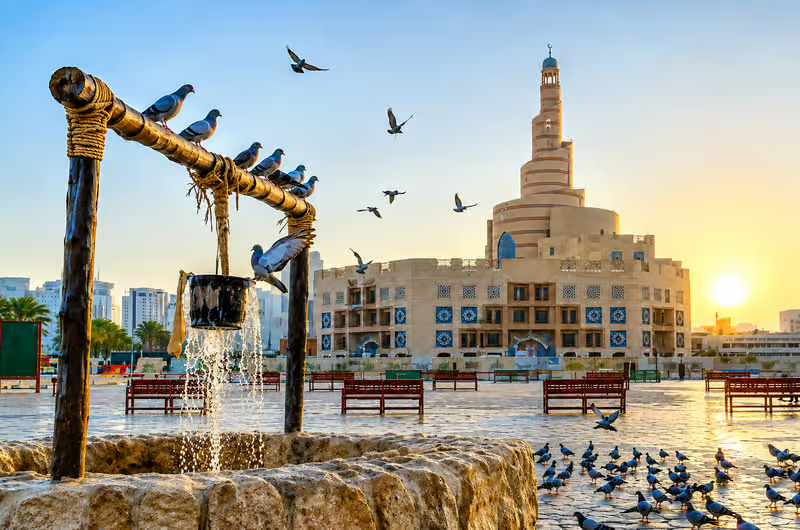
Although the market can be visited throughout the day, its atmosphere becomes particularly lively in the evening. Visitors can browse stalls selling spices, perfumes, traditional clothing, handicrafts and souvenirs while enjoying the sounds of vendors negotiating with customers. The aroma of saffron, zaatar and dried flowers fills parts of the market, while traditional Qatari coffee, known as gahwa, is served in several cafes.
The Falcon Souq is another interesting stop within the market. Falconry has a long-standing place in Qatari and wider Gulf culture, and visitors can see the birds up close. Some shopkeepers also allow tourists to pose for photographs with the falcons, offering an opportunity to learn about an important part of the country’s heritage.
Another major cultural destination is Katara Cultural Village, a waterfront complex dedicated to art, architecture and performance. The site houses galleries, cultural spaces, restaurants and public art installations. Its amphitheatre is among its most recognisable structures, combining elements of classical Greek architecture with Islamic design influences. It can accommodate up to 5,000 spectators and overlooks the waterfront.

Katara also features public artworks, including “Force of Nature II” by Italian contemporary artist Lorenzo Quinn. The cultural village provides visitors with opportunities to engage with exhibitions, performances and other creative activities, making it a worthwhile addition to a short Doha itinerary.
The city’s museums offer another way to understand Qatar’s history and development. The National Museum of Qatar is particularly notable for its architecture, which was inspired by the desert rose, a naturally occurring mineral formation found in desert environments. Inside, immersive exhibitions trace the country’s history, from its earlier communities and cultural traditions to the development of the modern state.
Other museums worth considering include the 3-2-1 Qatar Olympic and Sports Museum, Lawh wa Qalam: M. F. Husain Museum and Msheireb Museums. Doha Fire Station is also an important part of the city’s contemporary arts scene, hosting exhibitions and creative programmes.

The Qatar National Library provides another interesting cultural experience. Its collection includes books and periodicals in several European languages, as well as Arabic manuscripts, historical maps and globes. Some of its printed materials date back to the 15th century, offering visitors an opportunity to explore historical documents and the development of publishing.
Doha’s cultural attractions are also continuing to expand, with projects including the Art Mill Museum, Lusail Museum and Qatar Auto Museum expected to add to the country’s museum and exhibition landscape.
Food is another reason to spend more than a few hours in the capital. Doha has more than 3,000 restaurants, with menus covering traditional Qatari and Gulf dishes alongside African, Asian, European and Latin American cuisines. The range makes it possible to experience local food traditions while also enjoying internationally recognised dining establishments.
For visitors interested in traditional Qatari food, Kamachi is one place to consider after exploring Katara Cultural Village. One dish worth trying is balaleet, a preparation of vermicelli noodles flavoured with saffron and cardamom, lightly sweetened and traditionally served with a fried egg.
Souq Waqif is another good place to explore local flavours. At Shay Al Shamoos, visitors can try karak, a sweet and spiced tea popular across the Gulf, alongside khobz regag, a thin and crispy traditional flatbread. The restaurant was established by Shams Al-Qassabi, recognised as the first businesswoman to operate in Souq Waqif.
For fine dining, Doha’s restaurant scene has also attracted international attention. The Michelin Guide launched its Doha selection in 2024, recognising restaurants across the city. The figures provided in the original report indicate that the guide features 41 restaurants, including three with Michelin stars and eight awarded Bib Gourmand distinctions.
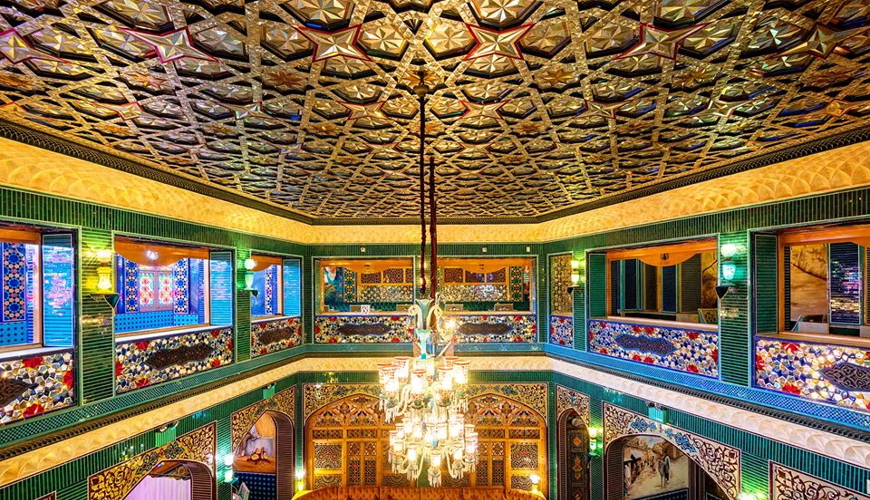
One of the city’s notable fine-dining establishments is IDAM by Alain Ducasse, located inside the Museum of Islamic Art overlooking the Doha Corniche. The Michelin-starred restaurant combines contemporary French cooking with Qatari ingredients. Alba, an Italian restaurant, and Jamavar, which specialises in Indian cuisine, are also among Doha’s Michelin-starred establishments.
Travellers planning an overnight or multi-day stopover will find accommodation ranging from luxury hotels to more affordable options. The Mandarin Oriental, Doha, in the Msheireb district, is one of the city’s prominent five-star properties. Located approximately 20 minutes by car from Hamad International Airport, the hotel offers 117 rooms, 41 suites and 91 apartments and villas.
Its facilities include two rooftop swimming pools, a spa and several dining venues. Mosaic, which serves breakfast and other meals, is among its dining options, alongside IZU and Liang. Its central location also makes it a convenient base for visitors interested in exploring the surrounding district.
The Sheraton Grand Doha Resort & Convention Hotel is another established luxury property. Located along Corniche Street, its distinctive pyramid-shaped building has been part of Doha’s skyline since the early 1980s. The hotel offers 371 rooms and suites, with guests able to choose between city and sea views. Facilities include nine dining options, a 24-hour fitness centre, a spa, a swimming pool and a 400-metre private beach.
For visitors with more time, a trip beyond the city can provide a different understanding of Qatar’s landscape. One of the country’s most striking natural attractions is Khor Al Adaid, commonly known as the Inland Sea. Located approximately 90 minutes by road from Doha, the area is a natural lagoon surrounded by extensive sand dunes, some reaching heights of around 40 metres. Rocky ridges and cliffs add to its distinctive landscape.
Khor Al Adaid is included on Qatar’s tentative list for UNESCO World Heritage recognition. Its combination of desert and sea makes it a popular destination for visitors interested in nature and outdoor activities. The water can be suitable for swimming, although conditions and weather should always be considered before entering.
The cooler period between November and April is generally a more comfortable time to visit the Inland Sea, particularly for travellers planning outdoor activities in the desert.
Another possible excursion is Al Khor, one of Qatar’s older coastal cities, located approximately 45 minutes by car from Doha. Among its historical attractions are Al Khor Towers, cylindrical structures dating back to the early 20th century. They were built to help watchmen defend the harbour following the discovery of a water source that was once believed to have medicinal properties.
Nature lovers may also enjoy visiting Purple Island, near Al Khor. The area is known for its mangroves and coastal vegetation, with kayaking providing an opportunity to explore the waterways and surrounding natural environment. Depending on the season, visitors may spot flamingos, herons, fish and crabs.
On Qatar’s western coast, Brouq Nature Reserve near Zekreet offers another striking desert experience. One of its best-known attractions is “East-West/West-East”, a permanent installation by the late American artist Richard Serra. Stretching for more than a kilometre across the desert, the artwork consists of large steel structures positioned within the landscape.
The wider Ras Brouq area is also known for its white cliffs and unusual geological formations, including hills shaped like mushrooms. Anyone visiting should bring sunscreen, a hat and sufficient drinking water, as the exposed desert environment offers limited protection from the sun.
Travellers with a longer stopover may consider spending a night outside the city at Regency Sealine Camp. Located approximately an hour’s drive from Doha, the property offers tents, rooms and suites close to both the desert and the sea. Activities include quad biking, dune bashing, camel riding and falconry displays. Guests can also enjoy communal dining featuring Arabic, Asian and international dishes.
Before travelling, visitors should check Qatar’s current entry requirements. The original travel information identifies passport holders from European Union member states and several other European countries, including the United Kingdom, Bosnia and Herzegovina, Iceland, Azerbaijan and Switzerland, as eligible for visa-free entry, subject to applicable conditions, including a confirmed hotel booking. Travellers should verify the latest requirements with Qatar’s official authorities before departure, as entry conditions can vary according to nationality and may change.
Getting around Doha is relatively straightforward, with several transport options available. Visitors can rent a car, use taxis or book rides through services such as Uber. Public transport is another option, with the Doha Metro, Karwa buses and three tram networks serving areas including Lusail, Msheireb and Education City.
For passengers with a 24-hour stopover, the Corniche, Souq Waqif, Mina District and one of the city’s major museums can provide a manageable introduction to Doha. Those staying for several days can explore further, combining the capital’s cultural attractions and restaurants with excursions to the Inland Sea, Purple Island and Qatar’s western desert.
A stopover in Doha can offer considerably more than time spent waiting for a connecting flight. With its mix of traditional markets, contemporary architecture, museums, coastal attractions and desert landscapes, Qatar’s capital provides plenty of opportunities to turn a short break between journeys into a meaningful travel experience.


