2026 Michelin Key hotels include eight new Three Key properties in Europe, giving travelers a fresh list of some of the continent’s most exceptional places to stay, from a private island retreat in Venice to a former convent in southern France.
The Michelin Guide’s hotel selection has quickly become one of the most closely watched measures of excellence in the luxury hotel world. Michelin, better known for its restaurant stars, introduced the Key system in 2024 as a way of recognizing hotels that offer something beyond conventional luxury ratings.
The system has three levels. One Key identifies a “very special” stay, Two Keys are reserved for an “exceptional” experience, while Three Keys represent the highest distinction. Michelin describes a Three Key property as one of the world’s most remarkable stays, capable of becoming the destination itself for a once-in-a-lifetime trip.
The 2026 selection contains 155 Three Key hotels worldwide, with eight European properties either entering the list or reaching its highest level for the first time this year.
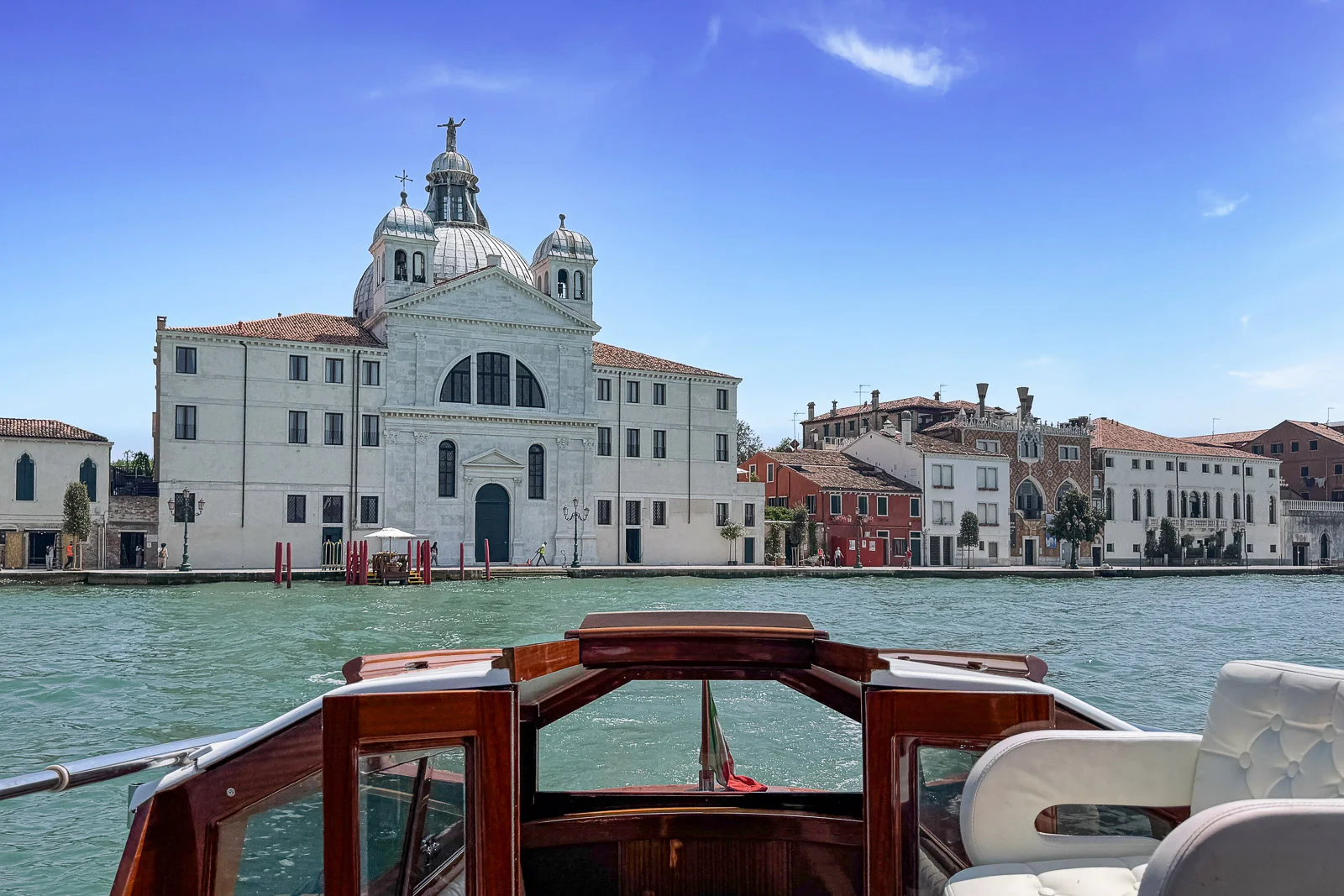
Among them is Airelles Palladio in Venice, which has the distinction of being both a new Three Key hotel and Michelin’s 2026 Opening of the Year. The hotel occupies four historic buildings on Giudecca Island, across the water from St. Mark’s Square, offering guests a very different experience of Venice from the crowded streets and busy squares of the historic center.
The setting is only part of its appeal. Airelles Palladio has the largest spa in Venice, three swimming pools and a range of experiences designed around the city and its traditions. Guests can arrange private access to the Doge’s Palace or take part in traditional Venetian rowing lessons. Its dining options also carry considerable star power, with restaurants and culinary projects associated with Nobu Matsuhisa, Norbert Niederkofler and Cedric Grolet.
Airelles Palladio is one of only two hotels worldwide to enter the Michelin Key selection directly with Three Keys in 2026. The other is Soneva Secret in the Maldives.
The remaining seven European additions reached Three Key status after being upgraded from Two Keys. Italy accounts for three of those promotions, beginning with Collegio alla Querce, Auberge Collection in Florence.
Set inside a former 16th-century villa that later became a college, the Florence property has retained details that connect it to its institutional past. Its bar occupies what was once the headmaster’s office, while elements of its food and design reference the explorers who once studied at the college. An outdoor pool adds a more contemporary element to the historic setting.
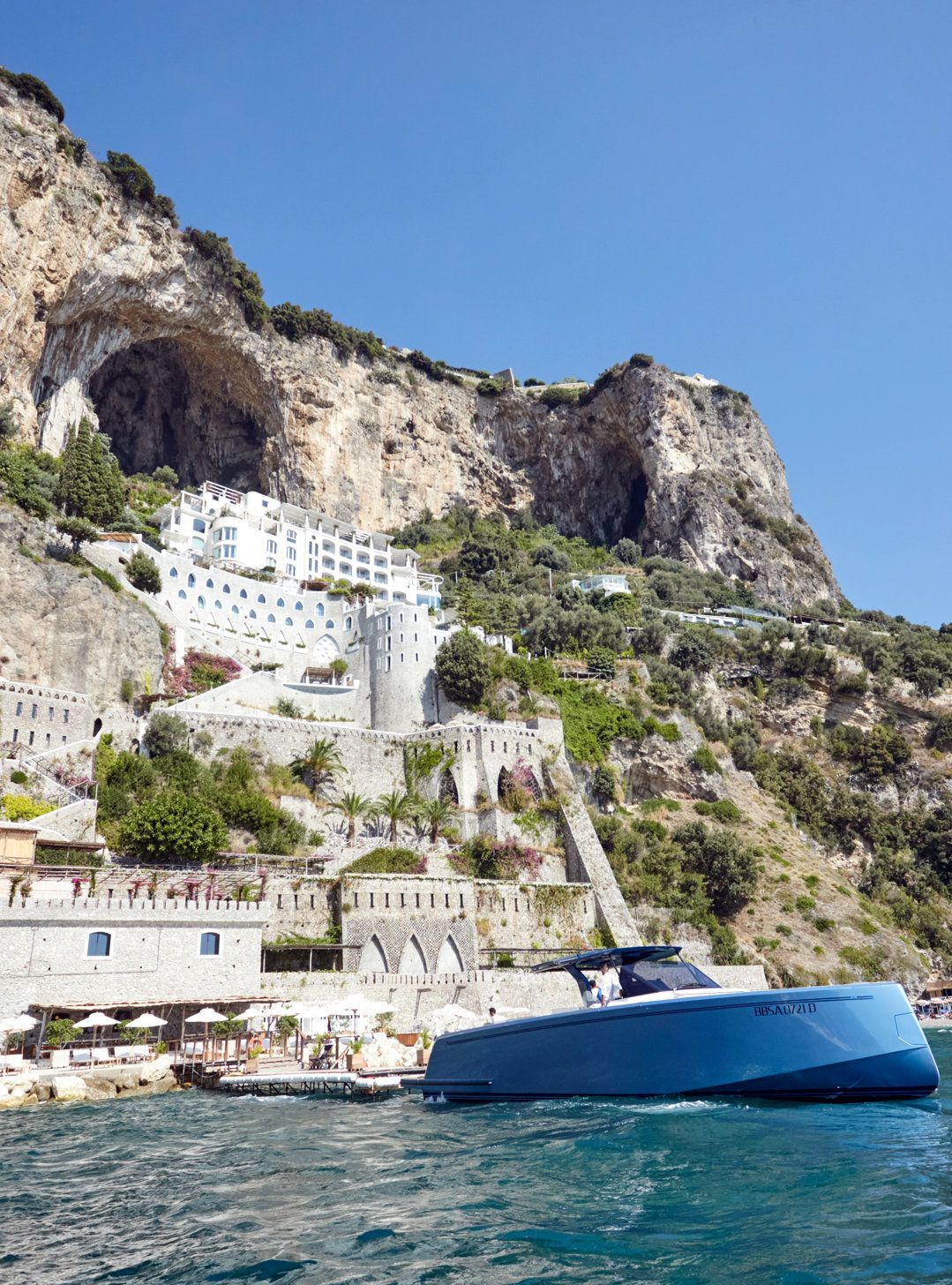
On the Amalfi Coast, Borgo Santandrea brings a very different architectural character. The hotel is built into a 1960s modernist structure and is known for its polished interiors and dramatic position above the Mediterranean. Its terrace restaurant is particularly notable for the views stretching across the coast.
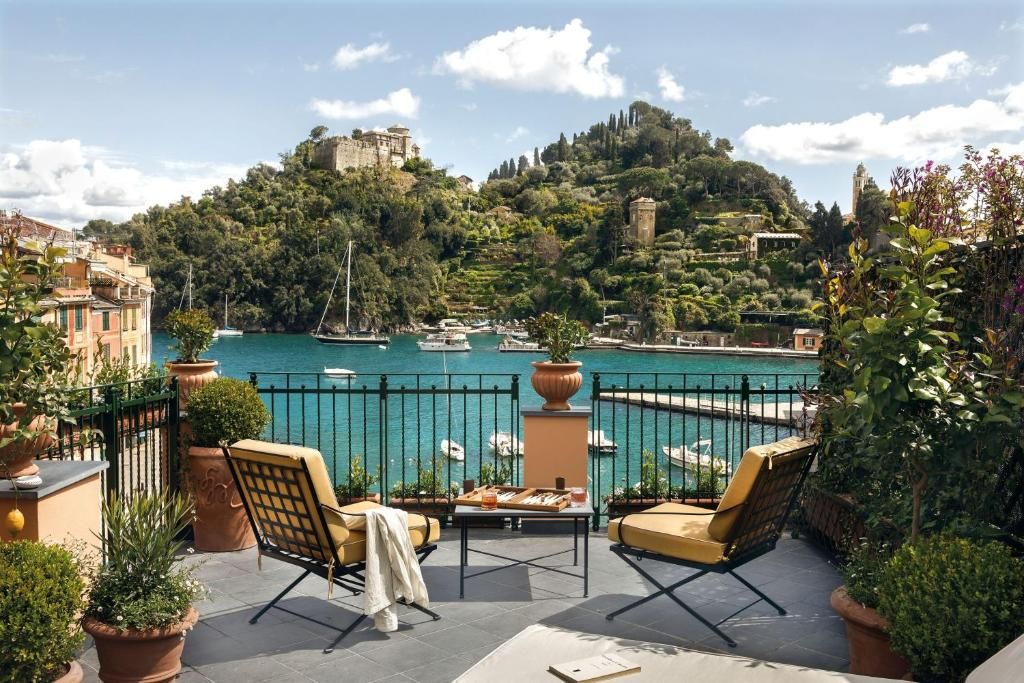
Portofino’s Splendido, A Belmond Hotel, completes Italy’s three upgrades. With just 53 rooms, the property combines the intimacy of a relatively small hotel with the glamour associated with one of the Italian Riviera’s most famous destinations. It also houses the world’s first Dior Spa, alongside an outdoor swimming pool.
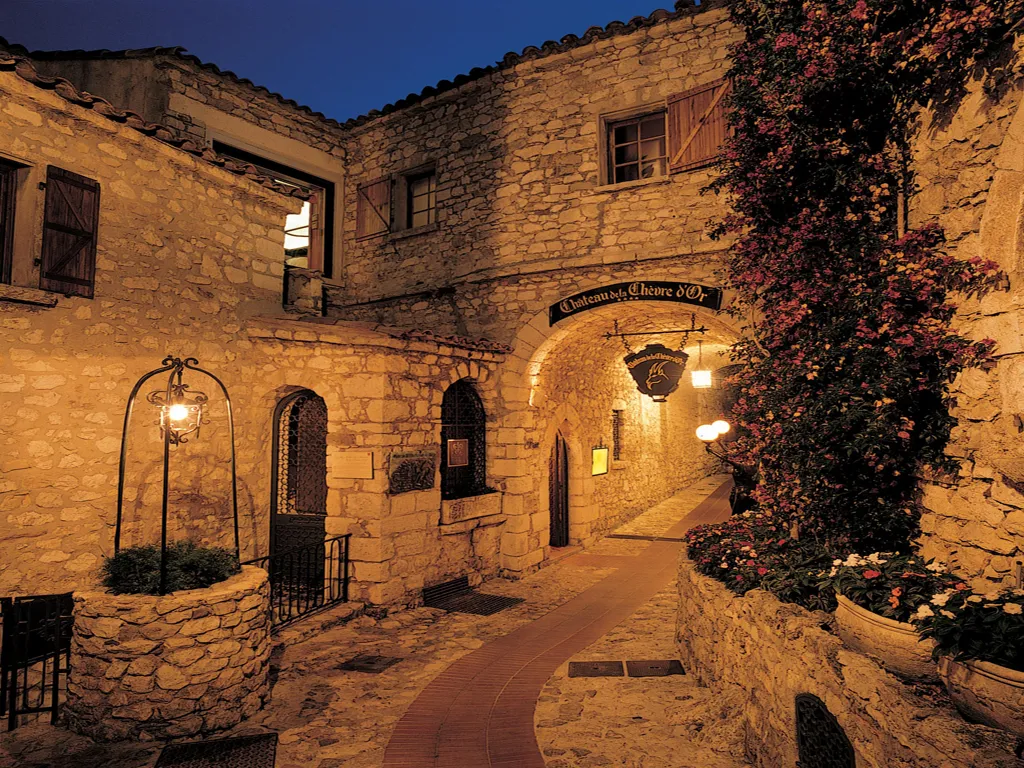
France has two new Three Key properties. Château de la Chèvre d’Or sits in the medieval village of Èze, where its position allows the hotel to make the most of the surrounding landscape. The property has two outdoor pools and is home to La Chèvre d’Or, a Michelin two-starred restaurant.
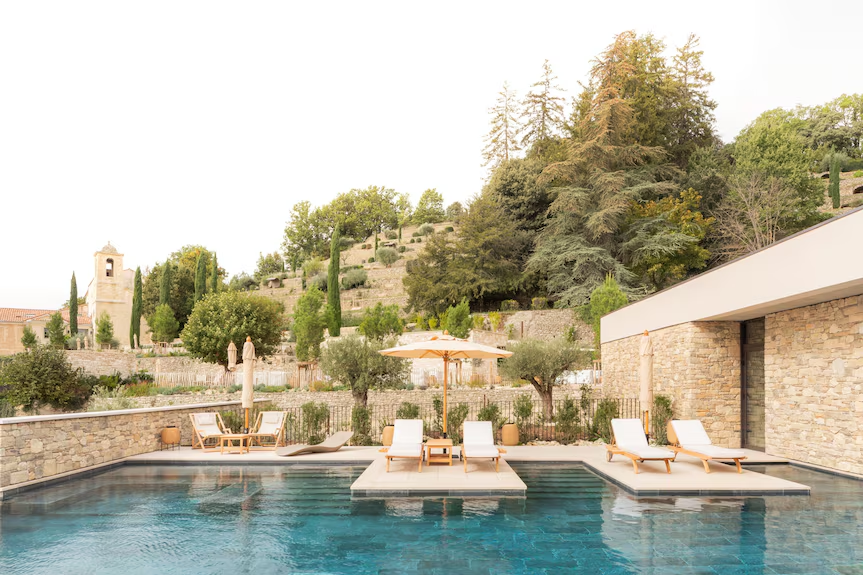
Further inland, Le Couvent des Minimes has transformed a 17th-century convent into a wellness-focused retreat. Its 2,500-square-metre Spa L’Occitane en Provence is central to the experience, while its restaurant, Le Feuillée, holds one Michelin star.
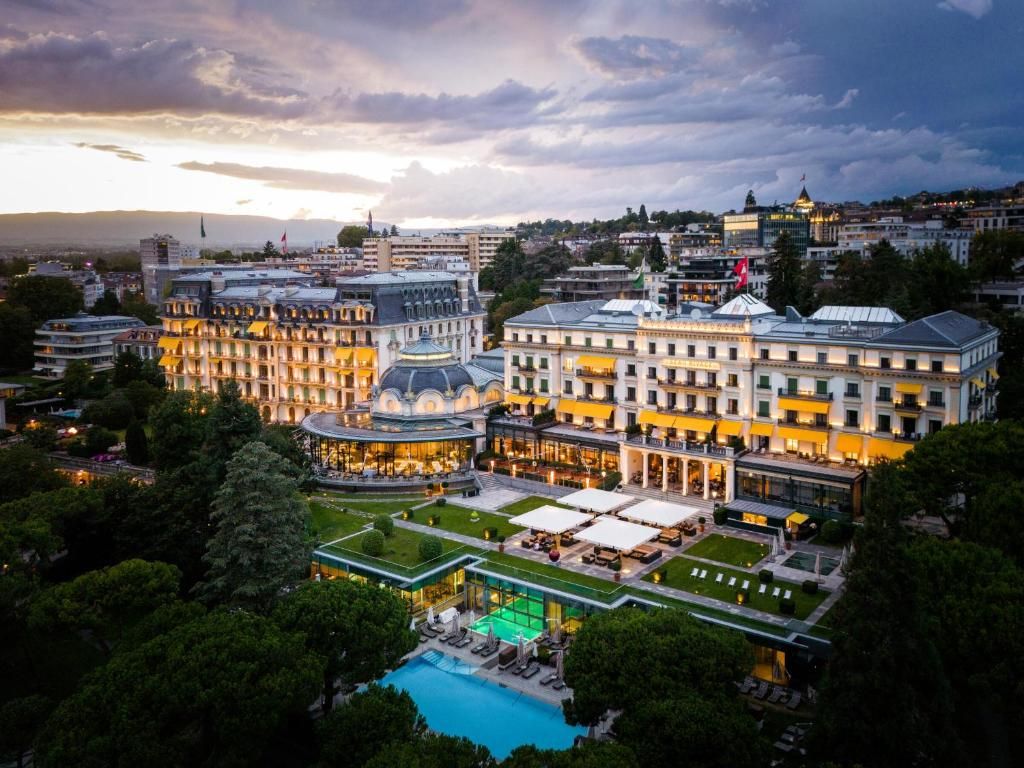
Switzerland also has two additions to the Three Key list. Beau-Rivage Palace in Lausanne is one of the country’s grandest traditional hotel properties, set on the shores of Lake Geneva. Michelin describes it as one of the last of Europe’s traditional grand hotels. Following a recent renovation, the property combines its historic character with extensive leisure facilities, including a spa, tennis and padel courts and a golf driving range.
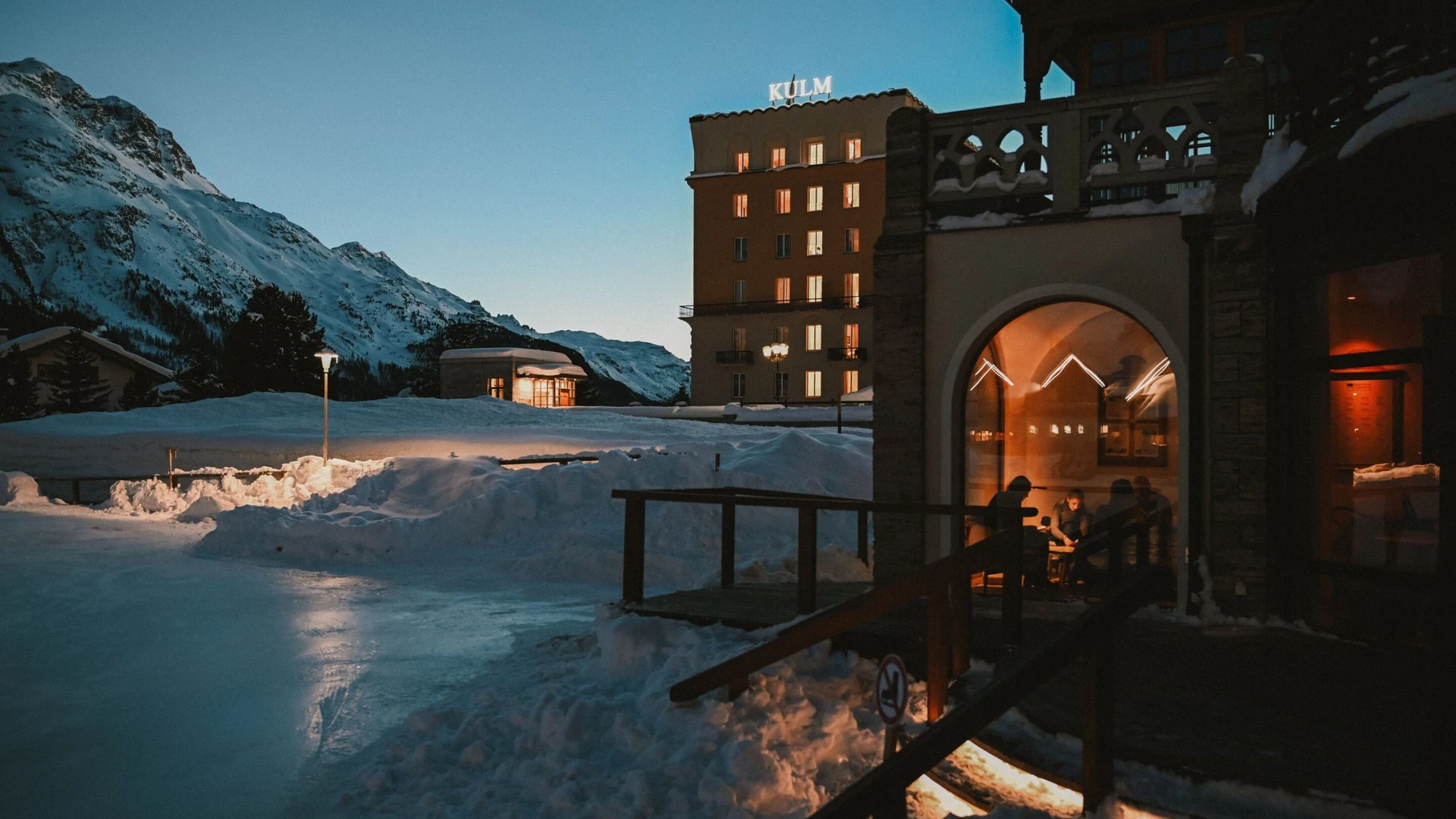
In St. Moritz, Kulm Hotel St. Moritz offers another version of Swiss alpine luxury. Its position overlooking the lake provides views across the surrounding mountains and slopes, while the hotel has a 2,000-square-metre spa, an outdoor pool and several restaurants.
Taken together, the eight additions show how Michelin’s highest hotel distinction is not tied to one particular definition of luxury. The new Three Key properties range from a Venetian island retreat and an Alpine grand hotel to a medieval village hideaway and a converted religious complex.
What connects them is the scale of the overall experience. Michelin’s hotel inspectors are looking beyond room quality and traditional five-star service, assessing places where architecture, setting, design, food, wellness and the character of the stay combine to make the hotel itself a significant part of the journey.
For travelers planning a particularly ambitious European escape, the 2026 Michelin Key selection therefore offers more than another luxury hotel list. It points toward properties where the accommodation is intended to be part of the reason for making the trip in the first place.