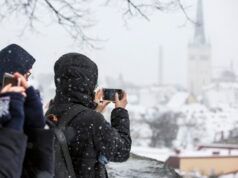
Eating in Finland reveals a culture that values practicality, seasonality and quiet consistency more than spectacle. The food on a Finnish table can look modest, but the habits surrounding it tell a larger story about how people relate to nature, work, time and one another.
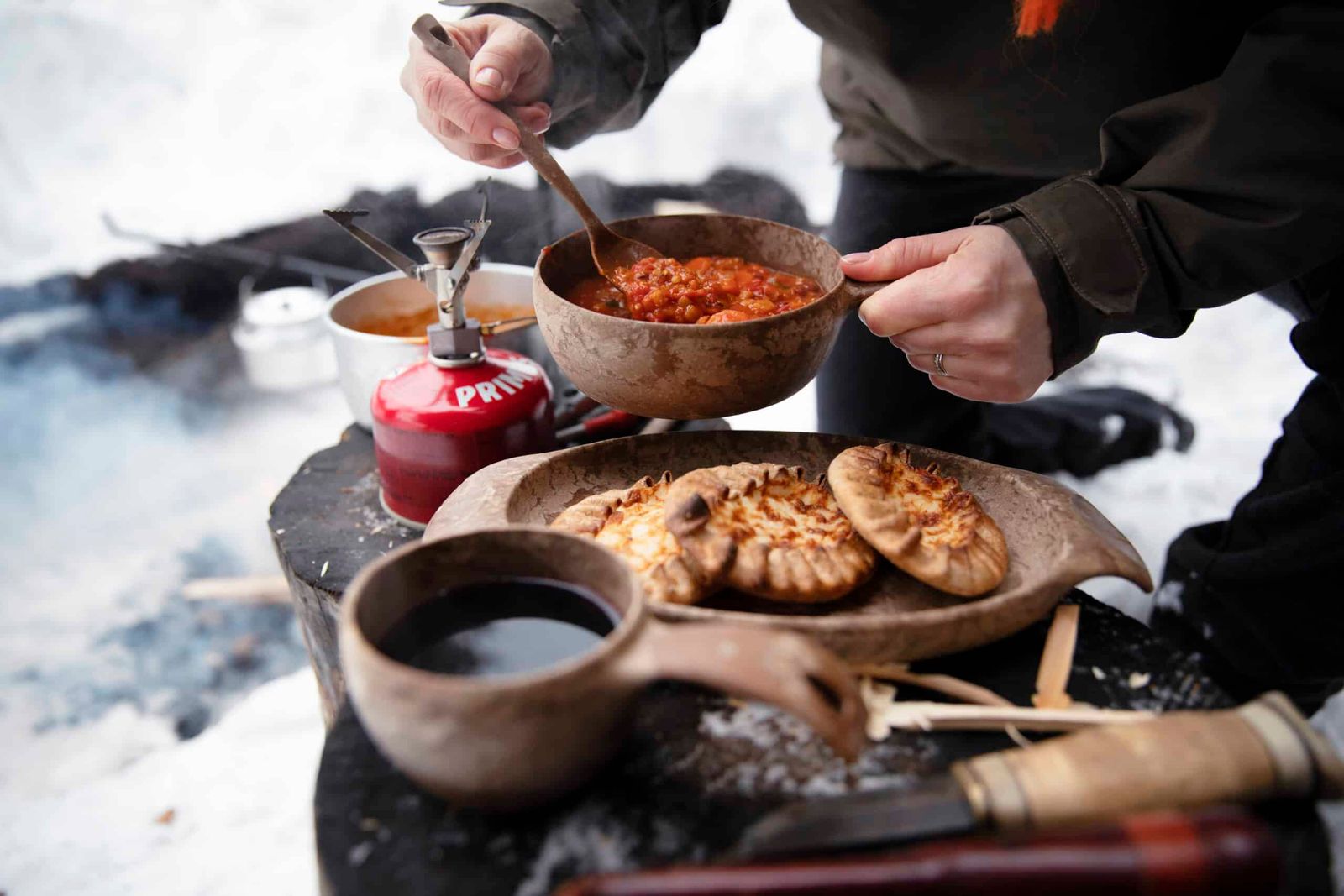
A meal in Finland is rarely designed simply to impress. There is often something restrained about the way food is prepared and served. Portions are generally practical, flavours do not always compete for attention, and ingredients are often allowed to taste like themselves. For a visitor used to cuisines built around elaborate seasoning, long cooking or highly social meals, Finnish food can initially seem almost understated. Spend more time around it, however, and the understatement starts to make sense.
Much of Finnish food culture is shaped by the country’s northern geography. Long winters historically placed limits on what could be grown and when. Preservation was therefore not just a culinary technique but a necessity. Berries, mushrooms, fish and other seasonal ingredients have long been important because they could be gathered during the short productive months and preserved for later. Modern Finland has supermarkets filled with food from around the world, but the old relationship with the seasons remains visible in what people value.
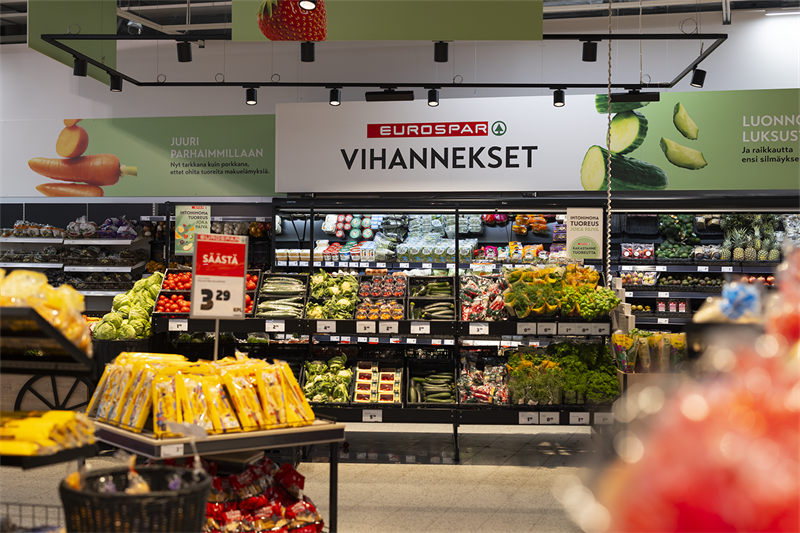
Walk through a Finnish supermarket and the connection becomes particularly easy to see. Berries occupy an important place, from blueberries and lingonberries to cloudberries. Rye bread is an everyday staple rather than an exotic speciality. Fish remains an important part of the diet, while oats have become one of the country’s most recognisable everyday foods. Mushrooms are gathered from forests, and for many Finns, berry picking and mushroom collecting are not simply ways of obtaining ingredients. They are outdoor activities connected to the landscape.
That relationship with the forest says something important about Finland. Nature is not always treated as a distant attraction that people visit for a special occasion. It is part of ordinary life. Food can become one of the ways that relationship is expressed.
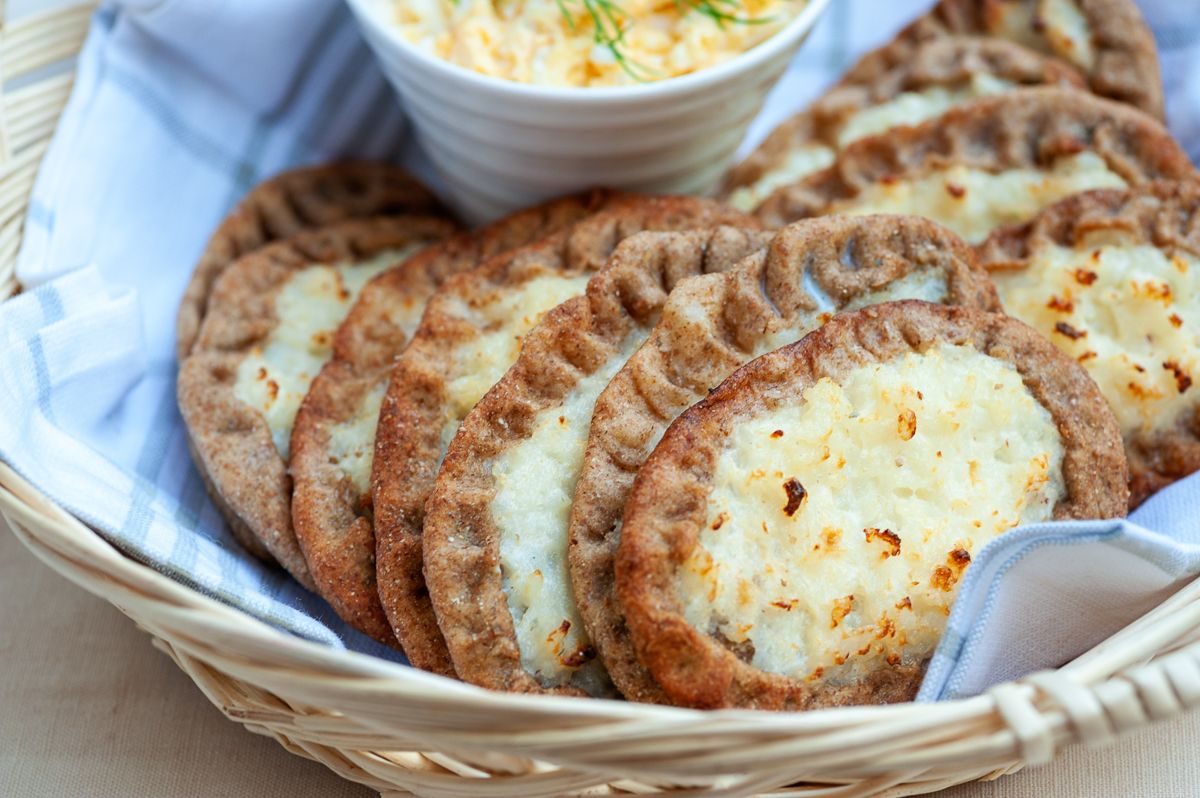
There is also a strong sense of practicality in Finnish cooking. Traditional dishes were shaped by what was available and what could provide nourishment through demanding seasons. Karjalanpiirakka, or Karelian pasty, is a good example. The familiar rye-based pastry filled with rice porridge is simple in appearance and deeply associated with Finnish food culture. Similarly, salmon soup does not rely on an elaborate list of ingredients to make its point. Fish, potatoes, vegetables and a creamy broth can be enough.
The simplicity can be misleading. Simple food is not necessarily careless food. In Finnish cooking, the quality of the ingredient often carries much of the responsibility. Fresh fish, good bread, seasonal berries or locally gathered mushrooms do not need a complicated treatment to become meaningful parts of a meal.
This also helps explain the importance of rye. Rye bread is not merely something placed beside a Finnish breakfast or lunch. It belongs to the country’s everyday food identity. Dark, dense and often slightly sour, it is a very different experience from the soft white breads that dominate some other European tables. Its familiarity is part of its significance. Food culture is not always found in celebratory dishes. Sometimes it is found in what people eat without thinking about it because it has always been there.
Breakfast itself can reveal another part of Finnish life. A typical Finnish breakfast may be relatively straightforward, perhaps porridge, bread, cheese, yoghurt, berries or coffee. It does not necessarily resemble the large cooked breakfasts associated with some other countries. The emphasis is often on getting something practical and familiar before the day begins.
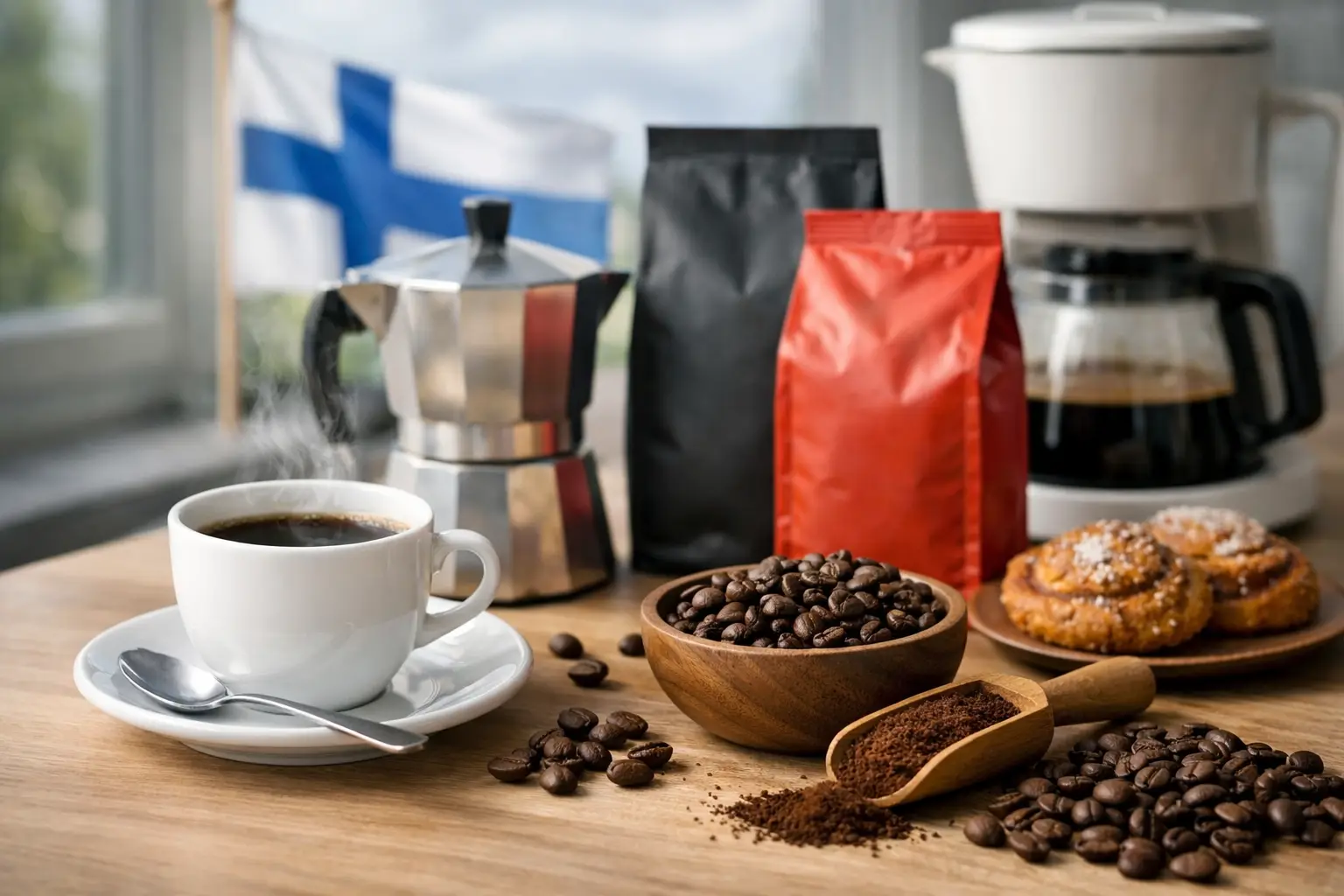
Coffee, meanwhile, occupies an unusually visible place in Finnish social life. It is difficult to understand Finnish food culture without understanding the role of coffee breaks. Coffee is not simply a drink consumed for its caffeine. It can provide a pause in the working day and a reason to sit with other people. The Finnish concept of “kahvitauko”, or coffee break, reflects something broader about the country’s relationship with work and social interaction. Even in a culture often described from the outside as reserved, there is space for gathering around a table.
The Finnish coffee table can also tell a story about hospitality. A visitor may be offered coffee and something sweet to eat, such as a pulla, a Finnish sweet bread often flavoured with cardamom. The gesture is uncomplicated, but it matters. Hospitality does not always have to be loud or elaborate to be genuine.
Another revealing aspect of eating in Finland is the relationship with school and workplace meals. The Finnish school lunch system has made the shared meal part of everyday public life for generations of children. School meals are not treated solely as something children happen to consume between lessons. They are part of the broader idea that eating a proper meal during the day is important.
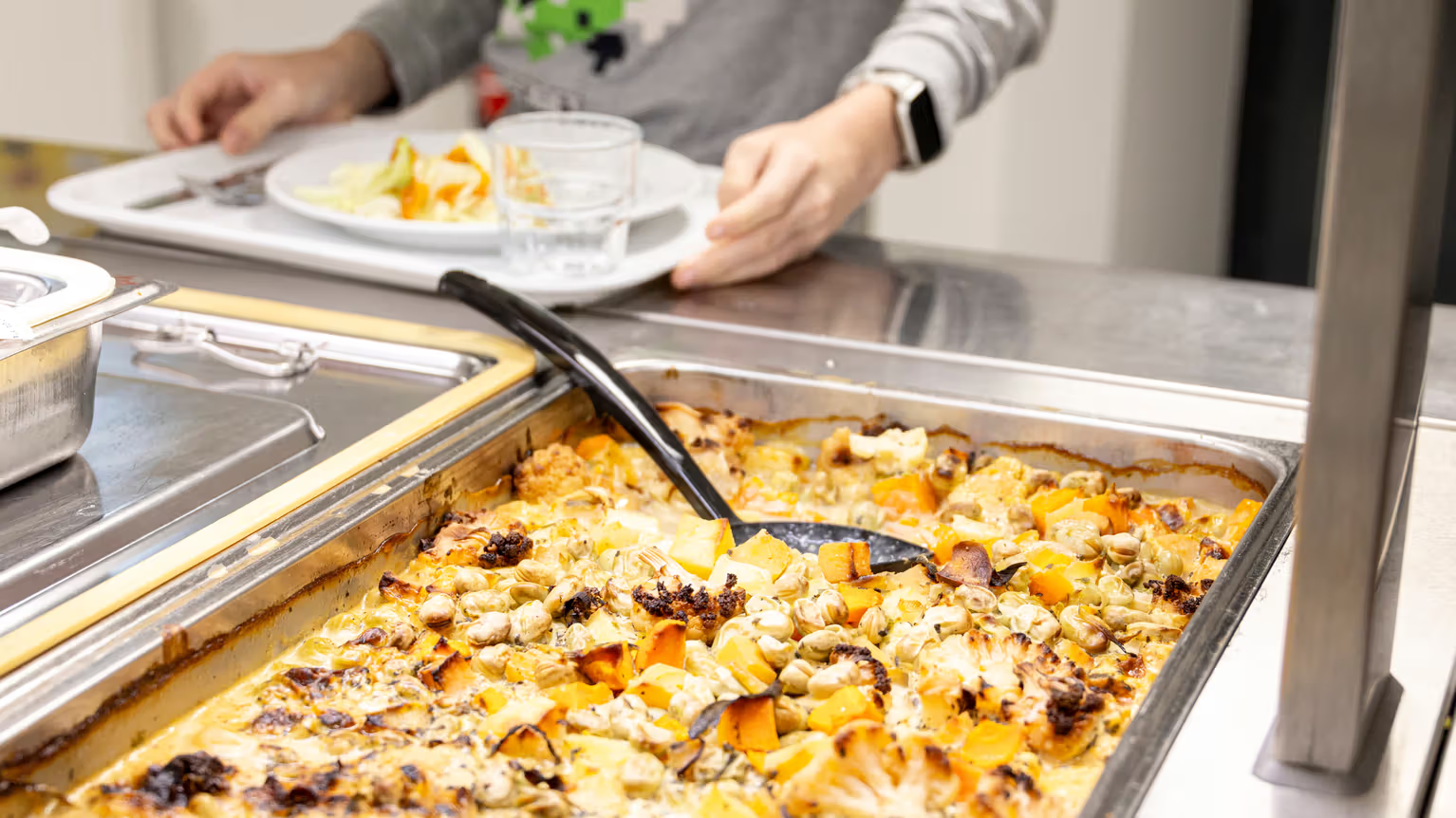
This practical attitude extends into the workplace. Lunch can be functional, but it is also a social pause. The meal does not necessarily become a long event. People eat, talk, take a break and return to their responsibilities. There is a certain efficiency to it, but that efficiency does not mean food is considered unimportant.
Perhaps the most interesting thing a visitor notices is what Finnish food culture does not always prioritise. Eating out can be less theatrical than in cities where restaurants are deeply tied to nightlife and social display. There is certainly a sophisticated restaurant scene in Finland, particularly in Helsinki and other larger cities, but everyday eating remains closely connected to home cooking, supermarkets, cafeterias, workplace lunches and seasonal ingredients.
That distinction matters because a country’s food culture cannot be understood only through its most fashionable restaurants. It is better understood through what people buy after work, what they put on the breakfast table, what children eat at school, what families prepare at weekends and what ingredients appear when the seasons change.
In summer, the Finnish relationship with outdoor life becomes especially visible around food. The short summer season changes the rhythm of the country. Fresh berries become plentiful, outdoor meals become easier, and grilling can become part of social gatherings. The long days create more opportunities to eat outside and spend time at the cottage, by a lake or in another natural setting.
Winter creates a different mood. The cold and darkness make warm, filling meals more appealing, but the deeper cultural connection is again about adaptation. Finnish food traditions developed in a climate where seasonal limitations were real. The result is a cuisine in which preserving, storing and making use of available ingredients became part of everyday knowledge.
Modern Finland has changed dramatically from the Finland that produced many of these traditions. Imported ingredients are readily available, dietary preferences have diversified and international cuisines are now part of urban life. Helsinki’s restaurant scene, in particular, reflects a much more international food culture than traditional Finnish dishes alone would suggest.
Yet older habits have not disappeared simply because the country has become more global. They have been absorbed into contemporary life. A person can eat sushi for lunch, buy pasta for dinner and still spend a weekend picking berries in the forest. A modern Finnish diet can be international while remaining deeply connected to local ingredients and seasonal rhythms.
This mixture is perhaps what makes eating in Finland more revealing than simply asking what Finnish food tastes like. The important story is not only what is on the plate. It is why certain foods remain familiar, why seasonality still matters, why coffee breaks have social weight, why forests continue to supply ingredients and why ordinary meals can carry such a strong sense of place.
For travellers, this offers a different way of experiencing Finland. Instead of treating food as a checklist of dishes to try, it can be approached as a way of observing everyday life. A supermarket visit can reveal more about local habits than a carefully staged tourist meal. Sitting down for coffee can say something about social life. Trying rye bread or a Karelian pasty can open a conversation about history, while tasting berries or mushrooms can lead back to the landscape outside the city.
Finland’s food culture does not always announce itself. It is quieter than that. It appears in the bread people buy repeatedly, the berries collected during summer, the soup served on a cold day, the coffee poured during a break and the ingredients that return to the table year after year.
That quietness is part of the point. Eating in Finland reveals a culture that has historically learned to work with its environment rather than ignore it, to value usefulness without abandoning pleasure and to find social connection in ordinary routines. The country’s food may not always arrive with a dramatic presentation, but it often carries something more revealing: a record of how people have learned to live in this particular landscape.