Mason Hull has pleaded not guilty to 15 counts of possessing child sexual abuse material after prosecutors accused the 18-year-old TikTok creator of having videos depicting children being sexually abused on his phone.
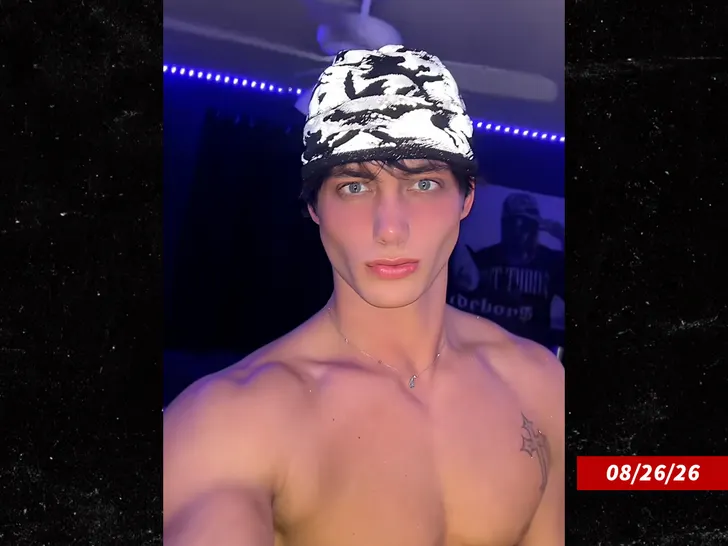
Hull, who has built an online following through “looksmaxxing” content, was arrested on May 5 after detectives allegedly found the material during an investigation that began with information provided by his girlfriend.
According to court documents cited in the case, Hull’s girlfriend told police she searched his phone because she suspected he was unfaithful. She allegedly found videos involving children as well as messages on Telegram that appeared to indicate Hull had paid for videos containing child sexual abuse material.
The arrest warrant states that investigators later questioned Hull about the material. According to the documents, Hull told police he had recently wanted to “try something new” and had searched for what he described as taboo pornography.
Court records allege that Hull told investigators he paid for videos on two occasions and that the material involved children between the ages of eight and 15. Police also alleged that some of the videos recovered from his phone showed children crying while they were being abused.
The allegations form the basis of the criminal case against Hull, but he has denied the charges by entering a plea of not guilty. The claims contained in the arrest documents have not been established as facts through a criminal conviction.
Following his arrest, Hull was released on bond with conditions that included a prohibition on internet use. Prosecutors later alleged that he breached that condition.
His lawyers subsequently argued that the restriction created a serious problem because Hull worked as an influencer and depended on internet access to earn a living. The issue over his access to the internet has therefore become part of the wider proceedings surrounding his case.
Hull remains subject to the criminal charges while the case moves through the court system. His not-guilty plea means prosecutors must establish the allegations against him through the legal process, and the evidence described in the arrest documents remains subject to scrutiny in court.