
South Africa’s best coastal cities offer considerably more than beautiful beaches. From Cape Town’s dramatic mountain-backed shoreline to Durban’s warm Indian Ocean waters and Gqeberha’s relaxed beachfront, the country’s coastal destinations each have a different character. Some are built around surfing, waterfront entertainment and busy city life, while others appeal to visitors looking for quieter beaches, marine wildlife, fishing and access to less-developed stretches of coastline.
With a coastline extending along both the Atlantic and Indian oceans, South Africa gives travellers a choice of very different seaside experiences. The Western Cape has cooler Atlantic waters, rugged scenery and historic harbour towns, while KwaZulu-Natal is known for its warmer subtropical coastline. Further east, the Eastern Cape combines established beach cities with long stretches of relatively undeveloped shoreline.
Choosing where to go depends on what a visitor wants from a coastal holiday. A traveller looking for restaurants, nightlife and major attractions may prefer Cape Town or Durban. Someone interested in surfing, family holidays or exploring the Eastern Cape could find Gqeberha or East London more appealing. These differences make it worth looking beyond the country’s most internationally recognised seaside destination.
Cape Town is arguably the most recognisable coastal city in South Africa, and its setting is a major part of its appeal. Positioned between the Atlantic Ocean and the slopes of Table Mountain, the city has a coastline that changes considerably depending on which direction visitors travel. The Atlantic Seaboard, which includes Sea Point, Clifton and Camps Bay, is particularly popular for its beaches, ocean views, restaurants and accommodation. Further south, the False Bay coastline offers a different atmosphere, with places such as Muizenberg, Kalk Bay and Simon’s Town providing opportunities to explore surfing culture, fishing communities and historic waterfront areas.
The city has more than 300 kilometres of coastline and over 70 beaches, according to the City of Cape Town. This variety means that visitors are not limited to one type of beach experience. Camps Bay attracts people interested in seaside restaurants and mountain scenery, while Clifton is known for its sheltered sandy beaches. Muizenberg has a long-standing association with surfing and is often a popular introduction to the sport for beginners.

Cape Town’s appeal also extends beyond its shoreline. The Victoria and Alfred Waterfront combines a working harbour setting with restaurants, shops, hotels and entertainment, while Table Mountain National Park provides access to hiking routes and spectacular coastal viewpoints. Visitors can also explore the Cape Peninsula, where the road between Hout Bay and Cape Point passes through some of the country’s most striking coastal scenery. The city is an especially strong choice for travellers who want a destination where beaches, urban attractions, food, culture and outdoor activities can be combined in one trip.
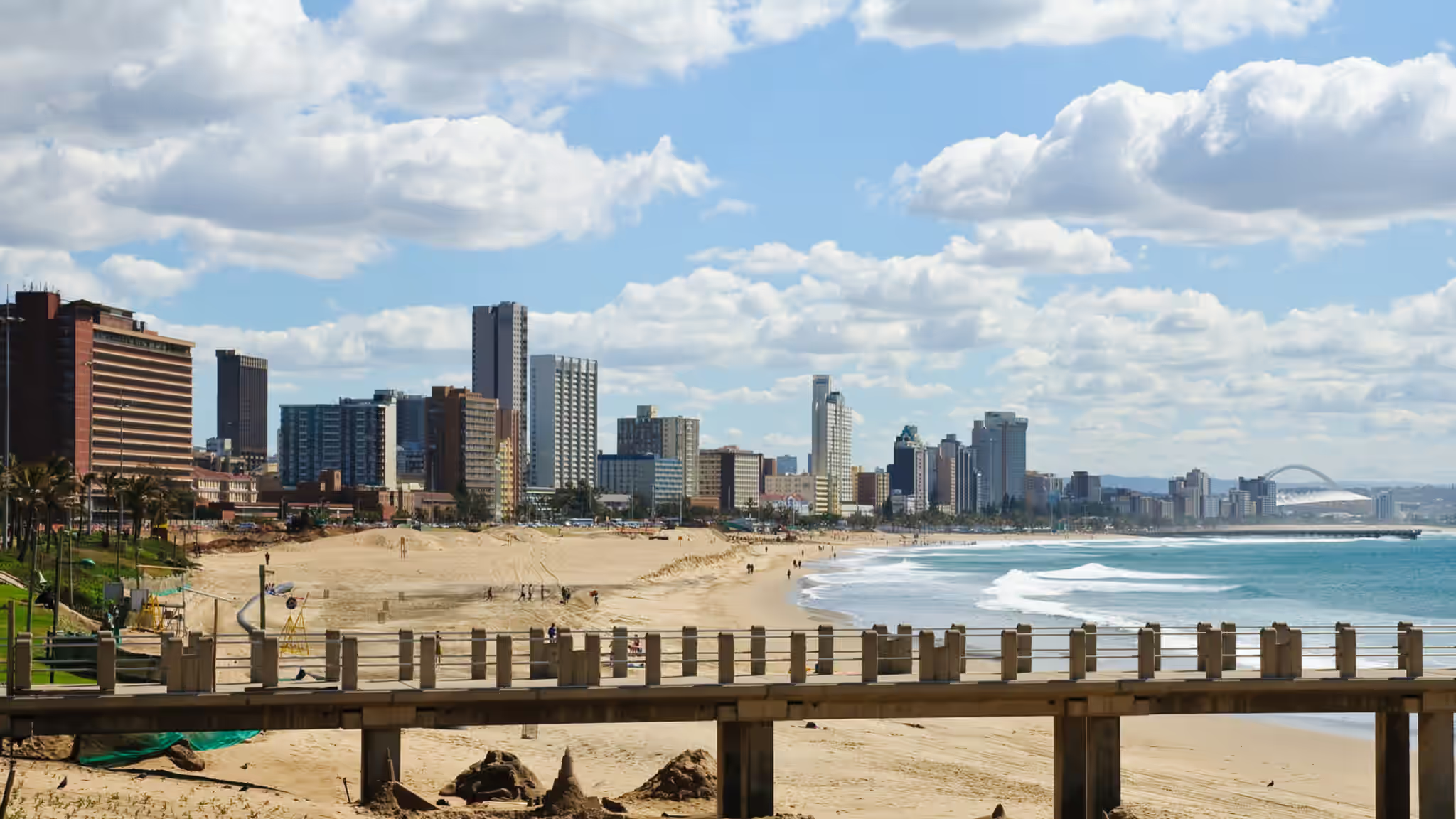
Durban offers a noticeably different coastal experience. Located in KwaZulu-Natal on the Indian Ocean, it is known for its warm climate, subtropical vegetation and long sandy beaches. The city’s beachfront, particularly the stretch commonly known as the Golden Mile, remains one of its defining attractions. Running along the central beachfront, the promenade provides access to beaches, swimming areas, restaurants, hotels and recreational facilities.
ALSO READ: Where to Stay in Cape Town for Beaches, Food and Neighbourhood Exploration
Unlike Cape Town, where the Atlantic coast can be cold even during summer, Durban’s warmer Indian Ocean waters make swimming and other beach activities a major part of the city’s appeal. Surfing, bodyboarding and beach walks are popular, while the beachfront attracts families and visitors throughout the year. uShaka Marine World, the Moses Mabhida Stadium and Victoria Street Market add to the range of activities available beyond the sand.
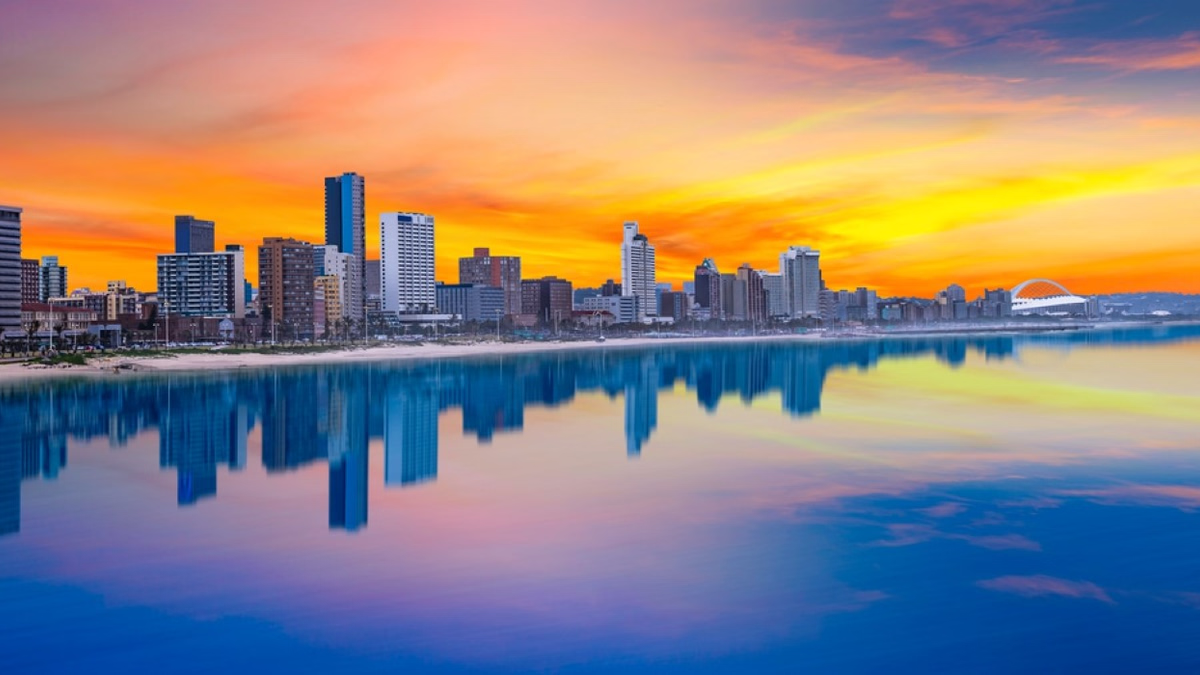
Durban is also one of South Africa’s most culturally distinctive cities. Its Zulu heritage and substantial Indian influence are reflected in its food, markets, architecture and everyday life. Visitors interested in exploring the city’s culinary traditions can experience everything from traditional Zulu dishes to the Durban-style bunny chow, a local speciality consisting of curry served inside a hollowed-out loaf of bread. For travellers who want a beach holiday with a strong urban and cultural dimension, Durban is one of the country’s most compelling choices.
Further along the eastern coastline, Gqeberha, formerly known as Port Elizabeth, offers a more relaxed alternative to South Africa’s two largest coastal tourism centres. Situated in the Eastern Cape within Nelson Mandela Bay, the city has a long beachfront with several popular swimming and recreational areas. Its coastal setting and relatively easy-going atmosphere have made it a familiar holiday destination for South African families.

The beachfront is one of Gqeberha’s strongest attractions. King’s Beach, Hobie Beach and Humewood Beach are among the areas visitors can explore, with opportunities for swimming, watersports and seaside walks. The city’s relationship with the ocean is also reflected in its reputation for watersports and marine activities. Visitors can explore the coastline around Cape Recife, enjoy views across Algoa Bay or use the city as a base for discovering the wider Eastern Cape.
Gqeberha also has an important historical and cultural identity. Nelson Mandela Bay’s history is closely connected to South Africa’s struggle against apartheid, and the city’s Route 67 public art trail brings together 67 artworks representing the 67 years Nelson Mandela devoted to public service. This gives the destination an additional dimension for visitors interested in South African history and contemporary culture.
Another advantage is its location within reach of several other Eastern Cape attractions. The Addo Elephant National Park, known for its elephant population and wider wildlife experiences, is accessible from the city, making it possible to combine a coastal stay with a safari. Travellers who want to explore more of the province can also continue towards the Sunshine Coast, where smaller seaside communities offer beaches, rivers and outdoor activities.
East London is another Eastern Cape destination worth considering, particularly for visitors who prefer a coastal city with a less commercialised tourism atmosphere. Located on the Indian Ocean between the Buffalo and Nahoon rivers, the city has a combination of sandy beaches, surf spots, river landscapes and historical attractions. It is also recognised for having South Africa’s only commercial river port, situated at the mouth of the Buffalo River.
Nahoon Beach is among the city’s best-known coastal attractions, drawing surfers and beachgoers to its distinctive shoreline. Eastern Beach offers another option for swimming and seaside recreation, while the surrounding coastline provides opportunities for fishing, hiking and exploring quieter stretches of sand. The city’s position also makes it a useful starting point for visiting the Sunshine Coast to the south and the Wild Coast to the north.

East London’s appeal is not limited to its beaches. The city has a history shaped by maritime trade, industrial development and the cultural diversity of the Eastern Cape. Visitors can explore local museums, historical landmarks and nearby nature reserves, or use the city as a base for excursions into the surrounding countryside. For travellers who are more interested in discovering a destination than spending an entire holiday in a large resort, East London deserves consideration.
Richards Bay, on the northern KwaZulu-Natal coast, offers a different kind of seaside destination. The city is widely recognised for its deep-water harbour and industrial importance, but its location also provides access to some of the province’s most interesting natural attractions. The surrounding coastline, estuaries and wetlands create opportunities for fishing, boating and birdwatching, while nearby coastal destinations offer a quieter alternative to Durban’s busy beachfront.
One of Richards Bay’s advantages is its proximity to the iSimangaliso Wetland Park, a UNESCO World Heritage Site known for its remarkable range of ecosystems, including lakes, wetlands, beaches, coastal forests and marine environments. The park extends across a substantial part of the northern KwaZulu-Natal coastline and provides opportunities to experience a very different side of South Africa’s coastal landscape. Visitors can also explore the nearby Hluhluwe-iMfolozi Park, particularly if they want to combine a seaside holiday with wildlife viewing.
Richards Bay is not as established as Cape Town or Durban as an international beach holiday destination, and its identity is more closely connected to its port and surrounding natural environment. However, travellers interested in exploring northern KwaZulu-Natal rather than concentrating on a conventional resort holiday may find it a useful base.
Mossel Bay, on the Western Cape’s southern coast, is another destination that deserves a place on a wider South African coastal itinerary, although it is more accurately described as a coastal town than a major city. Its combination of beaches, historic attractions and outdoor activities makes it particularly appealing to visitors travelling along the Garden Route.
Santos Beach is among its best-known swimming beaches, while The Point is popular with surfers and visitors interested in the area’s rocky coastline. The town also has a significant maritime history, with the Bartolomeu Dias Museum Complex documenting the history of early European maritime exploration and the region’s development. Its natural rock pool, coastal walking routes and access to nearby marine experiences add to its appeal.

Mossel Bay is particularly convenient for travellers exploring the southern coastline by road. It sits along a popular travel route between Cape Town and the Garden Route, making it an attractive place to stop for several days rather than simply passing through. The surrounding area also provides access to other coastal communities, nature experiences and scenic drives.
Knysna is another Garden Route destination that should not be overlooked, although it is also a town rather than a major coastal city. Its lagoon, waterfront and dramatic sandstone headlands give it a distinctive identity. The Knysna Heads, where the lagoon meets the Indian Ocean, are among the area’s most recognised natural landmarks. Visitors can enjoy boat trips, waterfront restaurants, walking routes and excursions into the surrounding forests. It is a particularly attractive option for travellers who prefer a combination of coastal scenery and a slower holiday atmosphere.

Plettenberg Bay, further east along the Garden Route, offers another alternative for beach-focused holidays. Its sandy beaches, coastal viewpoints and opportunities for marine wildlife experiences make it popular with both domestic and international visitors. The town is also well positioned for exploring nearby nature reserves and sections of the Garden Route coastline. Although smaller than Cape Town or Durban, it offers many of the experiences people associate with a South African seaside escape.
South Africa’s coastal destinations are not interchangeable, and the choice between them should depend on the type of holiday being planned. Cape Town offers the strongest combination of major city attractions, mountain scenery and varied beaches. Durban is particularly appealing for warm-water swimming, beach entertainment and a rich food culture. Gqeberha provides a more relaxed beachfront experience with access to wildlife and historical attractions, while East London offers a less conventional coastal city break. Richards Bay is better suited to travellers interested in northern KwaZulu-Natal’s natural environment and nearby conservation areas.
The Garden Route towns, including Mossel Bay, Knysna and Plettenberg Bay, provide another dimension to the country’s coastal appeal. They are worth including in a longer itinerary, particularly for visitors travelling between Cape Town and the Eastern Cape.
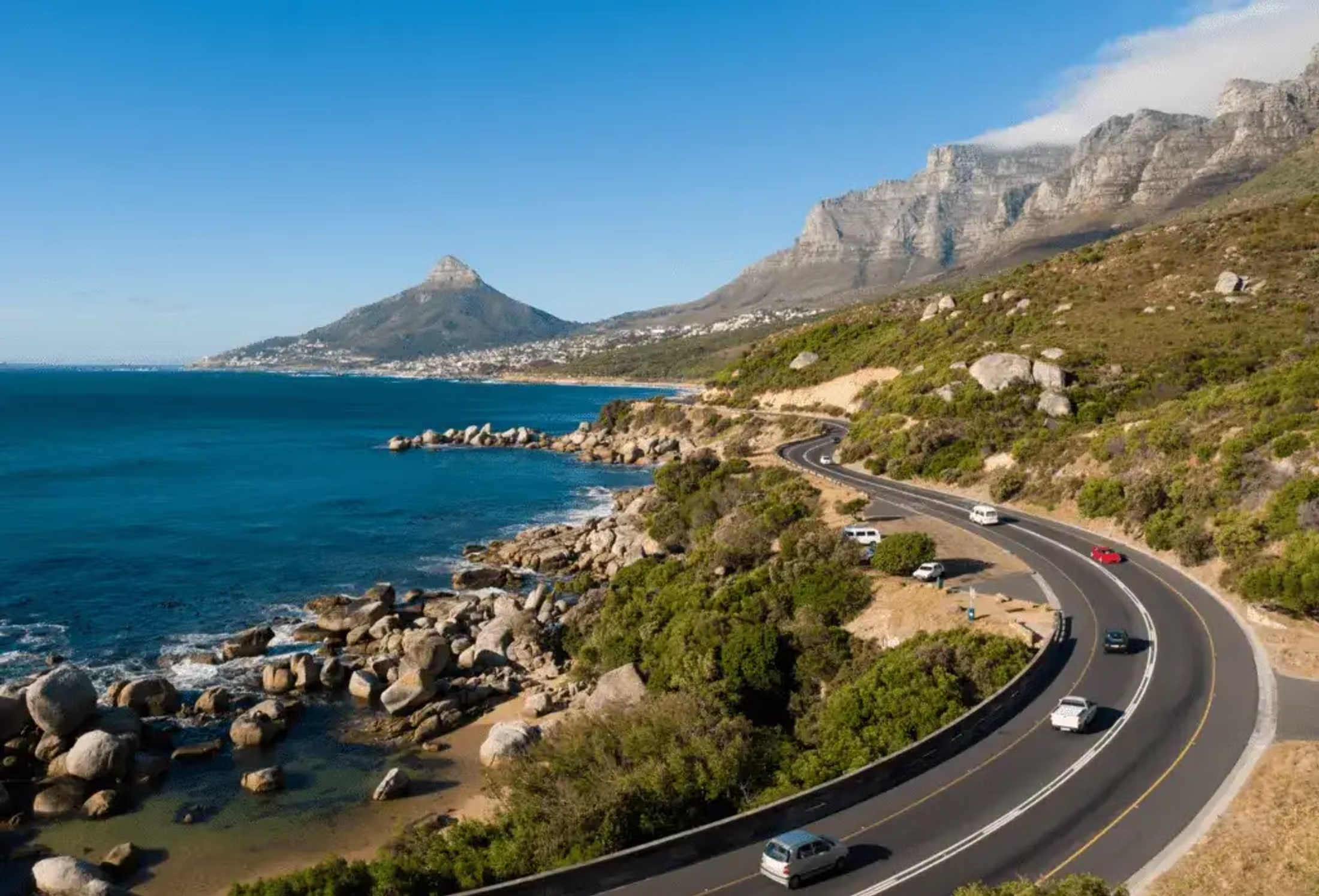
Travellers should also consider the differences in ocean conditions when planning beach activities. The Atlantic coastline around Cape Town is generally much colder than the Indian Ocean waters along KwaZulu-Natal. Weather, seasonal conditions, currents and local beach safety arrangements can affect swimming opportunities, so visitors should pay attention to lifeguard guidance and local warnings rather than assuming every beach is suitable for swimming.
Ultimately, the best coastal experience in South Africa depends on what a traveller hopes to find beside the ocean. The country has destinations for people seeking lively beachfronts and cosmopolitan attractions, as well as places where long beaches, marine landscapes and smaller coastal communities define the experience. Exploring beyond the best-known names can reveal just how varied South Africa’s coastline really is.


