South Africans can obtain European residency through investment programmes in Greece, Cyprus and Portugal, but the financial requirements, qualifying investments and travel rights differ considerably between the three countries.
The comparison comes from private-client advisory firm Kestrel Private, which examined five residence-by-investment scenarios across the three destinations. Its analysis focused on programmes where applicants invest capital in a qualifying foreign asset, rather than citizenship-by-contribution schemes or residency routes that do not require an investment.
For South Africans considering moving part of their wealth offshore, the attraction is not limited to obtaining a residence permit. Depending on the programme, an investment can also provide exposure to a euro-denominated asset, potential foreign income and greater freedom to travel within Europe.
“South Africa’s offshore allowances function as annual strategic windows for building an offshore position,” said Andrew Taylor, founder and managing partner of Kestrel Private. “While the limits define how much can be funded in a single year, they remain sufficient for most families considering these programmes.”
Kestrel Private’s calculations use South Africa’s 2026 foreign investment allowance of up to R10 million per eligible taxpayer per calendar year, subject to the relevant South African Revenue Service approval process. The allowance is therefore an important consideration for applicants funding a European residency investment from South Africa.
Applicants who already hold assets offshore may not necessarily need additional allowance capacity. Depending on their circumstances, they could potentially redirect part of an existing offshore portfolio towards a qualifying investment.
For comparison purposes, Kestrel Private uses an exchange rate of EUR1 to R19 and includes estimated taxes, VAT, government charges, professional fees and transaction costs in its calculations. The firm cautions that these figures are planning estimates rather than fixed costs. The final amount can change depending on factors such as family size, the investment selected, exchange rates, banking arrangements and professional fees.
The analysis also stresses the importance of obtaining specialist advice. Legal, tax and immigration matters should be handled by appropriately qualified professionals in the relevant country.
Among the three destinations, Greece and Cyprus are the more direct options for South Africans looking for a property investment connected to residency. Portugal follows a different model because its residence-by-investment programme no longer accepts ordinary real estate purchases as a qualifying investment.
Greece offers several investment thresholds under the scenarios examined by Kestrel Private. One route involving a qualifying conversion or restoration property starts at EUR250,000. With associated costs included, the modelled total rises to approximately EUR280,000, equivalent to about R5.32 million at the exchange rate used in the analysis.
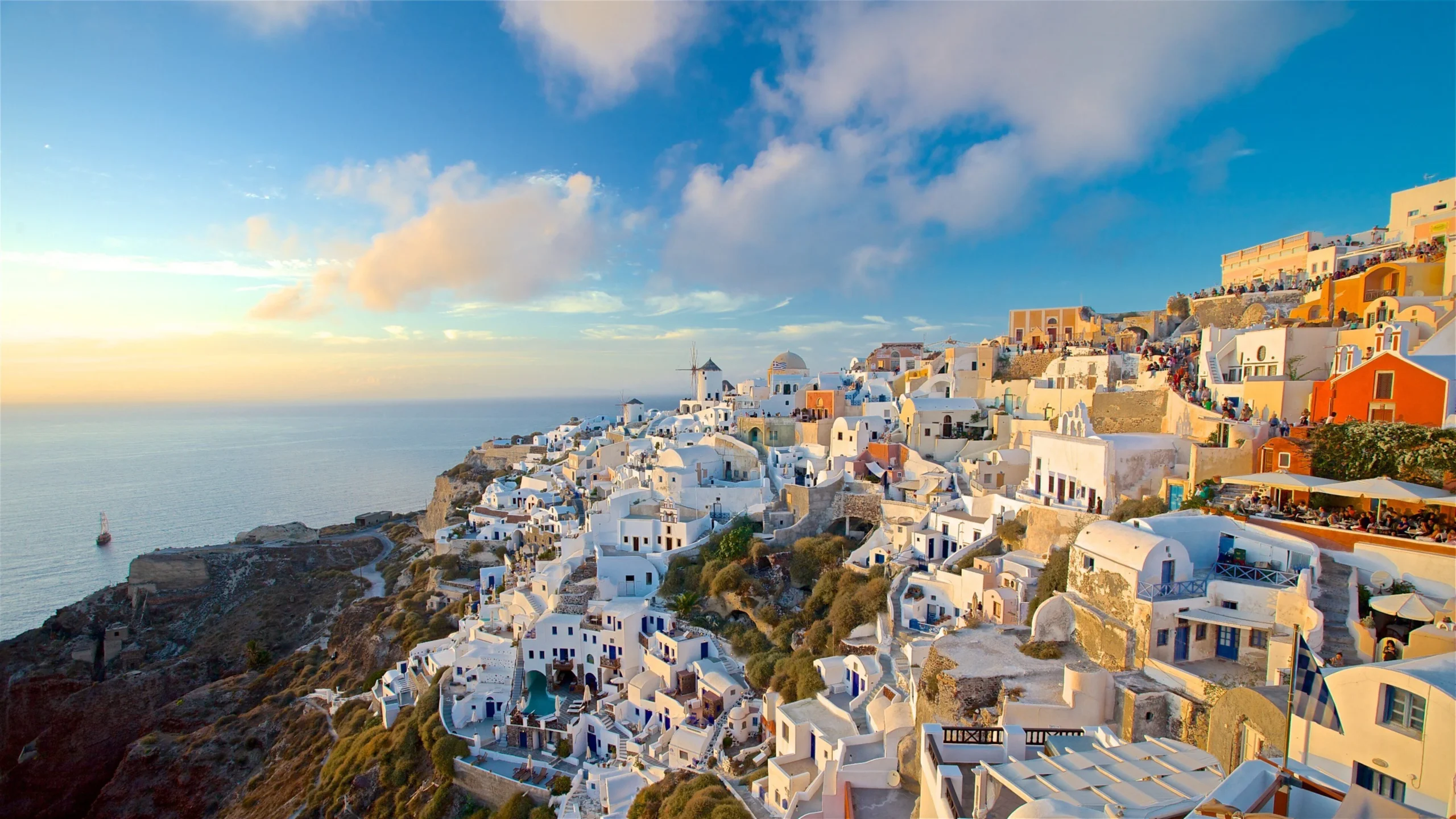
A standard qualifying property in the relevant regions requires an investment of EUR400,000, with the estimated overall cost reaching approximately EUR440,000, or R8.36 million.
The threshold rises to EUR800,000 in certain prime locations, including Attica, Thessaloniki and larger Greek islands. With additional costs included, Kestrel Private estimates the total at around EUR865,000, equivalent to approximately R16.44 million.
The Greek Golden Visa provides a renewable five-year residence permit and Schengen travel rights. Applicants do not have to live in Greece to maintain the residency, according to the guide, and eligible family members can also be included.
Cyprus offers another property-based route, although its position differs from Greece because Cyprus is not currently part of the Schengen Area.
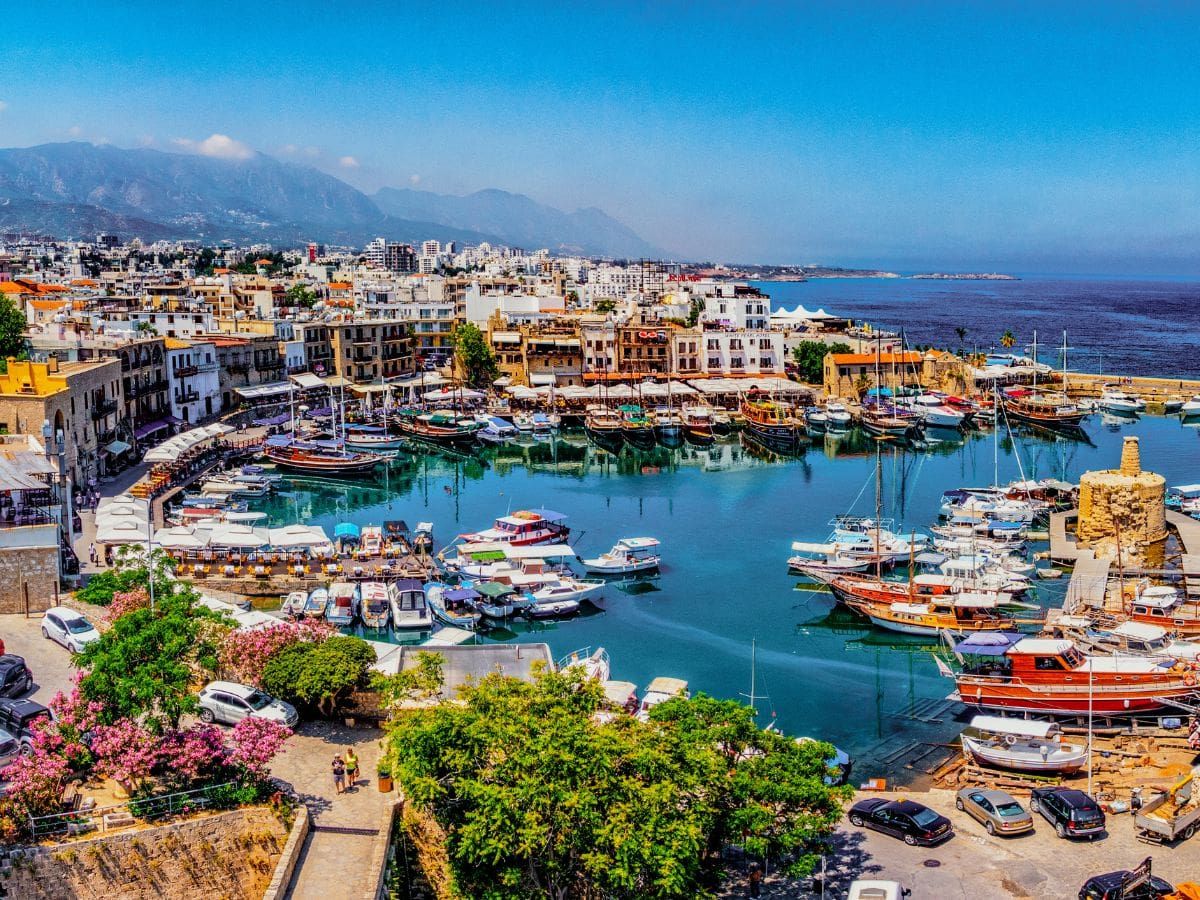
The qualifying investment highlighted by Kestrel Private involves a new-build property purchase of EUR300,000 plus VAT. Once associated costs are included, the firm’s model reaches approximately EUR375,000, or around R7.13 million.
The Cyprus programme provides permanent residence. According to the guide, the permit can be maintained provided the holder visits Cyprus at least once every two years. A spouse and children can also be included in the same application.
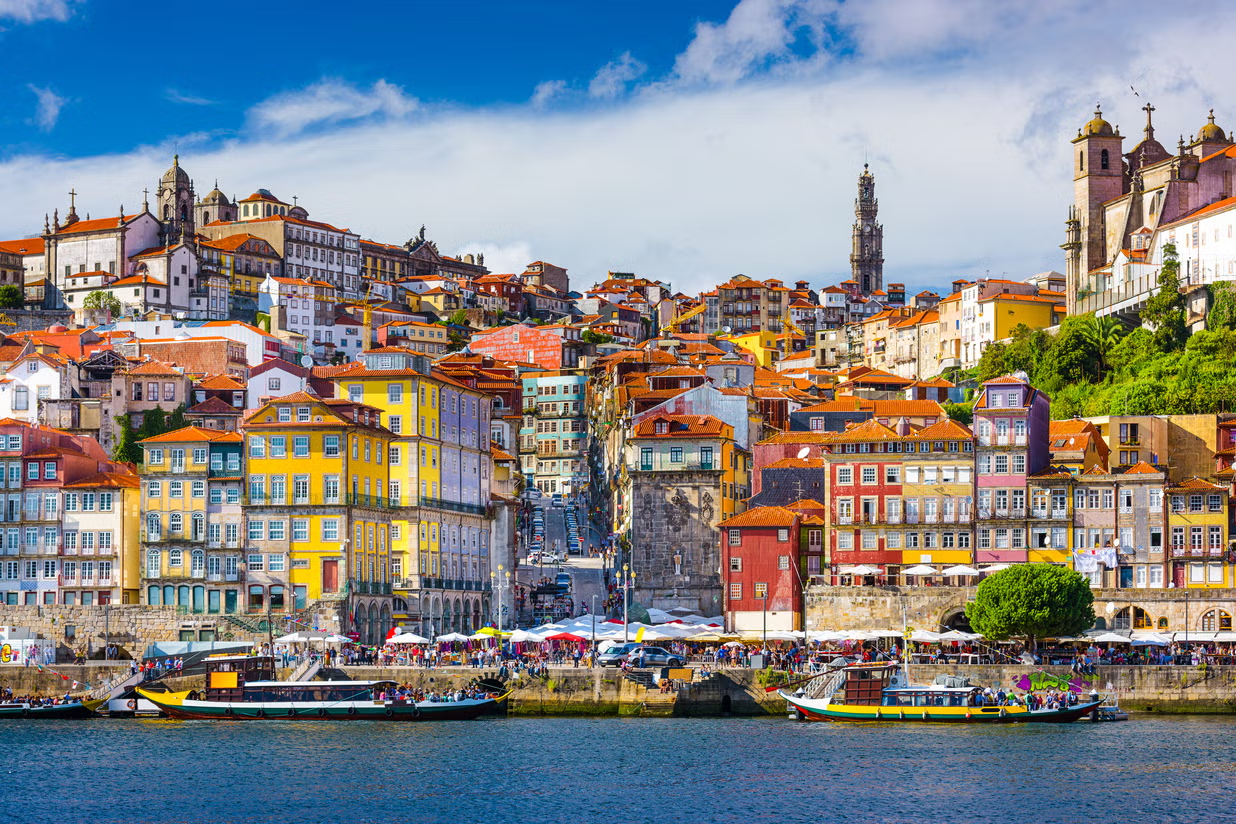
Portugal requires a different approach. Following reforms introduced in October 2023, purchasing property is no longer a qualifying route under the country’s residence-by-investment programme.
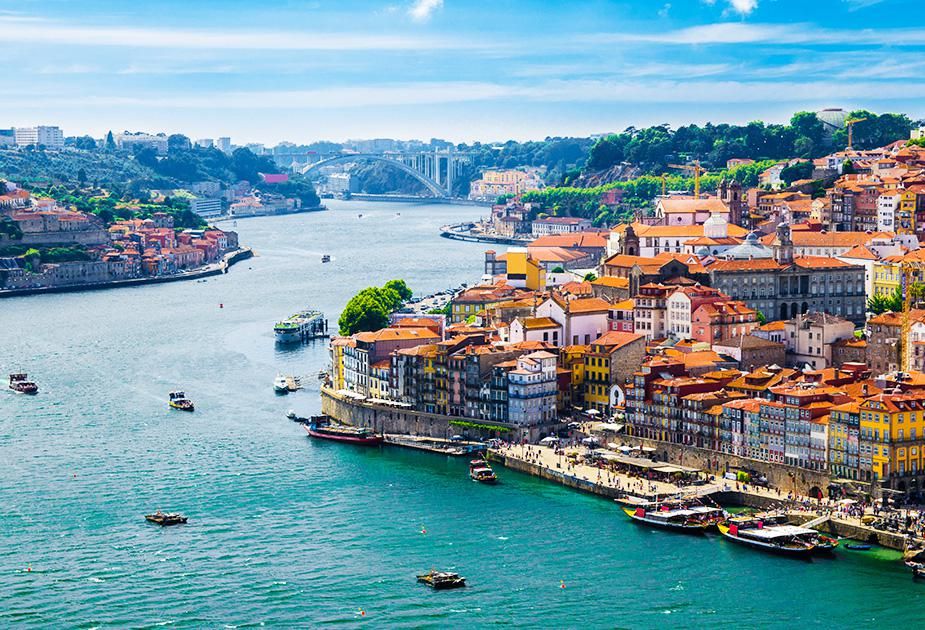
The investment route examined by Kestrel Private involves an eligible investment fund, with a minimum investment of EUR500,000. Including estimated associated costs, the guide puts the total at approximately EUR540,000, or R10.26 million.
That figure is slightly above the R10 million annual offshore investment allowance used in the firm’s calculations. The difference is approximately R260,000, meaning an applicant could potentially need to use capital that is already held offshore, depending on their circumstances and the applicable rules.
The comparison illustrates why the headline investment amount alone does not tell the full story. Each programme combines different requirements around the type of investment, residency, travel access, family eligibility and ongoing obligations. The location of the investment also matters, particularly for applicants who are specifically seeking property ownership rather than exposure to an investment fund.
For South Africans considering European residency through investment, the decision therefore involves more than comparing three price tags. The appropriate route depends on how much capital is available, where that capital is held, whether property ownership is important and what the applicant expects to use the residency for.
Kestrel Private’s figures provide a framework for that comparison, but the firm’s own warning remains important: the actual cost and eligibility requirements depend on the applicant’s individual circumstances and should be confirmed with qualified legal, tax and immigration advisers before any investment is made.