Micah Reddy has been released after South African investigative journalist was detained by authorities in Djibouti over the weekend, ending several days of uncertainty over his whereabouts and safety.
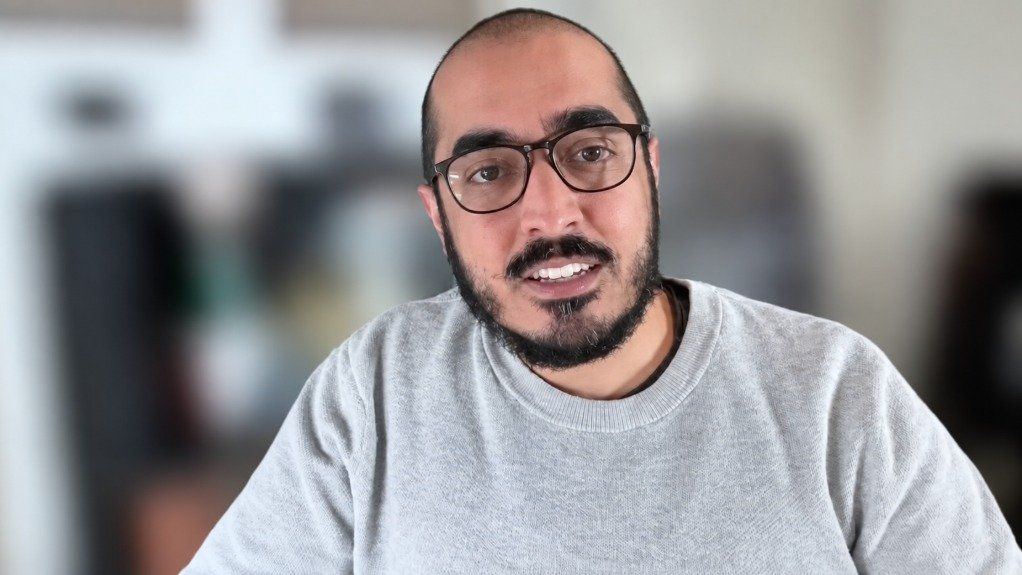
The International Consortium of Investigative Journalists (ICIJ) confirmed Reddy’s release on Tuesday, September 22, saying he was safe and expected to return to his family in South Africa. “Micah Reddy has been released from custody in Djibouti. He is safe and will soon reunite with his family in South Africa,” the organisation said in a statement.
Reddy, who serves as the ICIJ’s Africa coordinator, was detained on Saturday, September 19, together with Djiboutian journalist Mohamed Ismael. The ICIJ said authorities had accused the two journalists of failing to obtain the required media accreditation. Ismael was also subsequently released.
The circumstances of Reddy’s detention had initially been unclear. According to the ICIJ, he was visiting Djibouti as part of work linked to a longer-term investigation and was not in the country to report on Djibouti itself.
Reddy has built a career around investigative journalism, with his work covering issues including governance, corruption and regional affairs. His trip to Djibouti was connected to an investigation that his colleagues said could not be publicly discussed without potentially putting him at further risk.
Concern grew after colleagues lost contact with him on Saturday. ICIJ Managing Editor Fergus Shiel said Reddy had been staying at the Escale International Hotel and had planned to spend three days in Djibouti.
Shiel said Reddy had arranged to meet a local fixer, Kooki Mahmoud, in the hotel lobby at about 1 p.m. on Saturday. Reddy later sent a message indicating that everything was fine and that Mahmoud was on his way. Contact was then lost.
“It’s very, very unusual for somebody to disappear from the lobby of an international hotel,” Shiel said, according to the ICIJ.
The organisation subsequently raised concerns about Reddy’s safety and described itself as “gravely concerned” about his disappearance before authorities confirmed that he had been detained.
The detention also drew attention from press freedom organisations, given Reddy’s work as an investigative journalist and his position with the ICIJ. The Committee to Protect Journalists welcomed his release but criticised the circumstances under which he had been held.
“We are greatly relieved. Four days in secretive intelligence custody is unacceptable treatment of an investigative journalist,” the CPJ said.
South African media later reported that Reddy’s family had confirmed that he was unharmed and travelling back home. His release brings an end to the immediate uncertainty surrounding the journalist, although the circumstances of his detention and the accreditation issue cited by authorities remain central to the episode.
For Reddy, the incident came during a trip that was intended to advance a longer-term investigation rather than produce immediate reporting from Djibouti. His release means he can now return to South Africa, where his family and colleagues had been waiting for news of his safety.