
The Philippines offers far more than the beaches and city attractions that usually introduce the country to international visitors. Beyond Manila, travellers can explore small islands, volcanic landscapes, established food traditions and festivals that reflect the country’s religious and cultural life.
Made up of more than 7,000 islands in Southeast Asia, the Philippines has a wide range of destinations for visitors interested in nature, adventure, food and local traditions. Speaking at World Travel Market in London, Marga Nograles, Chief Operating Officer of the Tourism Promotions Board Philippines, said the country has activities suited to different times of the year.
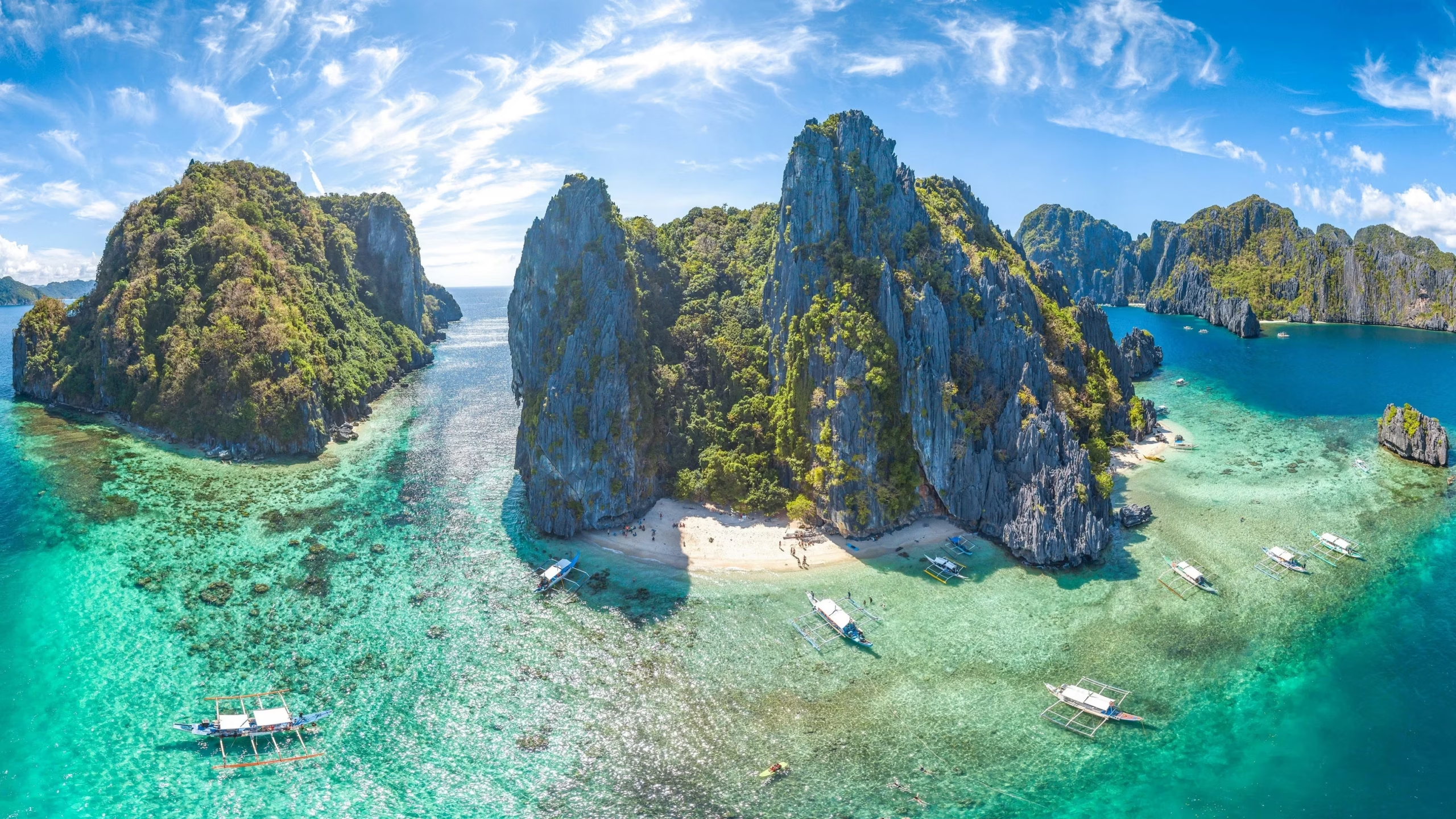
Between December and May, visitors can take part in whale-watching activities at four destinations across the country. This period is also suitable for island hopping, with opportunities to visit beach resorts and explore the surrounding waters.
For watersports enthusiasts, Nograles recommended Siargao Island between September and January. During these months, waves can reach around nine feet, attracting surfers from different parts of the world. The island also offers opportunities for canyoneering and the sardine run, making it an option for travellers interested in activities beyond the beach.
Away from the capital, several destinations offer a different perspective on the country. One of Nograles’ recommendations is Siquijor, a small island province known for its beaches, waterfalls and strong local traditions.
Siquijor is the third-smallest province in the Philippines and has become known for its white sand beaches, clear waters and marine biodiversity. Visitors can explore the island through activities such as kayaking, trekking and snorkelling. Caticugan Marine Protected Area is among the places where travellers can experience its marine environment.
Another destination worth considering is Clark, in Pampanga province. Nograles described the area as an accessible getaway with a combination of historical attractions, local food and leisure facilities. Its location also makes it an option for visitors looking to explore somewhere beyond Manila without travelling to a distant island.
Camiguin, meanwhile, offers a different kind of landscape. The island is home to 14 volcanoes and was included in The New York Times’ 52 Places to Go in 2026, making it the only Philippine province featured in that year’s selection. Its volcanic terrain, waterfalls and natural springs provide opportunities for hiking, sightseeing and outdoor activities.
Food is another reason to travel beyond the country’s better-known destinations. Iloilo City, often described as the heart of the Philippines, has built a strong reputation around its culinary traditions. In 2023, UNESCO recognised it as a Creative City of Gastronomy, acknowledging the importance of food to its cultural identity.
With more than 300 restaurants, Iloilo offers visitors opportunities to experience regional Filipino cooking and dishes shaped by the city’s history and traditions. Nograles said its cuisine reflects the local culture, making food an important part of understanding the destination.
ALSO READ: Hotels With Exceptional Views in Asia: 6 Remarkable Stays Worth Considering
The city’s culinary identity is also connected to its celebrations and community gatherings. UNESCO has recognised Iloilo’s tradition of fiesta celebrations and festive banquets. Since 2021, the province has organised Timplada, an event that brings attention to local cuisine through food showcases and educational activities centred on Iloilo’s culinary heritage.
Further south, Bacolod has developed a reputation for its approach to food and sustainability. Located on the northwest coast of Negros Island, the city became the first international Slow Food Hub in Asia and the Pacific, according to the Slow Food Foundation. The initiative reflects an emphasis on local food traditions, sustainable production and the relationship between agriculture and regional cuisine.
Nograles described Bacolod as a centre for sustainable gastronomy and highlighted Negros Occidental’s position as the organic capital of the Philippines.
One recommended stop in the province is Carbin Reef, a sandbar in the waters of Negros Occidental. Visitors can enjoy the coastal setting while experiencing kinilaw, a traditional Filipino seafood dish. Usually prepared with raw fish marinated in vinegar, kinilaw is mixed with ingredients such as tomatoes, red onions and ginger, with citrus zest adding further flavour. The dish offers an introduction to Filipino cooking, where fresh seafood and locally available ingredients play an important role.
Beyond its landscapes and food, the Philippines has a festival calendar that gives visitors another reason to plan their journeys around particular destinations and seasons. According to Nograles, the country hosts more than 40,000 festivals each year, with celebrations covering religious devotion, harvest traditions and the natural environment.
Among the major events she recommended is the Sinulog Festival in Cebu, in the Visayas region. The celebration honours Señor Santo Niño, or the Holy Child Jesus, and brings large crowds into the streets. Participants take part in street dancing, wear colourful costumes and paint their faces as the city celebrates its religious heritage. The festival also includes boat-related celebrations, creating an atmosphere that extends beyond formal religious ceremonies.
In Davao, the Kadayawan Festival celebrates the harvest and the region’s agricultural abundance. The event features concerts, street dancing and displays of local produce. Fresh fruits from the southern Philippines are an important part of the celebration, attracting visitors interested in experiencing the region’s food and seasonal harvest.
Further north, the Panagbenga Festival in the mountain city of Baguio celebrates flowers and the area’s natural environment. Running for a month, the event takes place during the flowering season, when different varieties of flowers bloom across the surrounding mountain landscape. It offers a contrast to the coastal and tropical settings that often dominate international perceptions of the Philippines.
Together, these destinations show the range of experiences available across the archipelago. Travellers can combine island activities with regional food experiences, explore volcanic landscapes or plan visits around celebrations that remain closely connected to local communities. For visitors willing to look beyond Manila, the Philippines offers several different ways to understand the country through its places, cuisine and traditions.


