
Nordic hotels with saunas offer travellers more than an additional wellness facility. In Finland, Sweden and other parts of the Nordic region, sauna bathing is closely connected to everyday life, relaxation and the relationship between people and nature. Hotels are increasingly making this tradition an important part of the accommodation experience, from private saunas overlooking lakes to wood-fired bathing facilities beside fjords and modern urban spa spaces.

For visitors unfamiliar with Nordic sauna culture, staying in a hotel with a sauna can provide an introduction to a tradition that is much more established in some Nordic countries than others. Finland is particularly closely associated with sauna bathing, where it is practised in homes, public facilities, summer cottages and hotels. The Finnish sauna tradition was added to UNESCO’s Representative List of the Intangible Cultural Heritage of Humanity in 2020, recognising its importance to Finnish cultural identity and social life.
ALSO READ: Giraffe Manor: How Nairobi’s Iconic Hotel Connects Luxury Hospitality With Wildlife Conservation
The hotel experience reflects this connection in different ways. Some properties offer guests access to a shared sauna at the end of the day, while others have incorporated private facilities into individual rooms, lakeside buildings or larger wellness complexes. In several locations, the experience extends beyond the sauna itself, with access to swimming pools, outdoor hot tubs, cold-water swimming and surrounding natural landscapes.

In Helsinki, Lapland Hotels Bulevardi offers an opportunity to experience Finnish sauna culture without leaving the city. Situated in the Punavuori district, the hotel has more than 100 rooms featuring private saunas. Its interiors draw inspiration from northern Finland, bringing elements of Lapland into an urban setting. For travellers who want privacy rather than a shared spa environment, having a sauna inside the room provides considerable flexibility. Guests can enjoy the experience at their own pace while remaining within walking distance of central Helsinki’s restaurants, shops and cultural attractions.
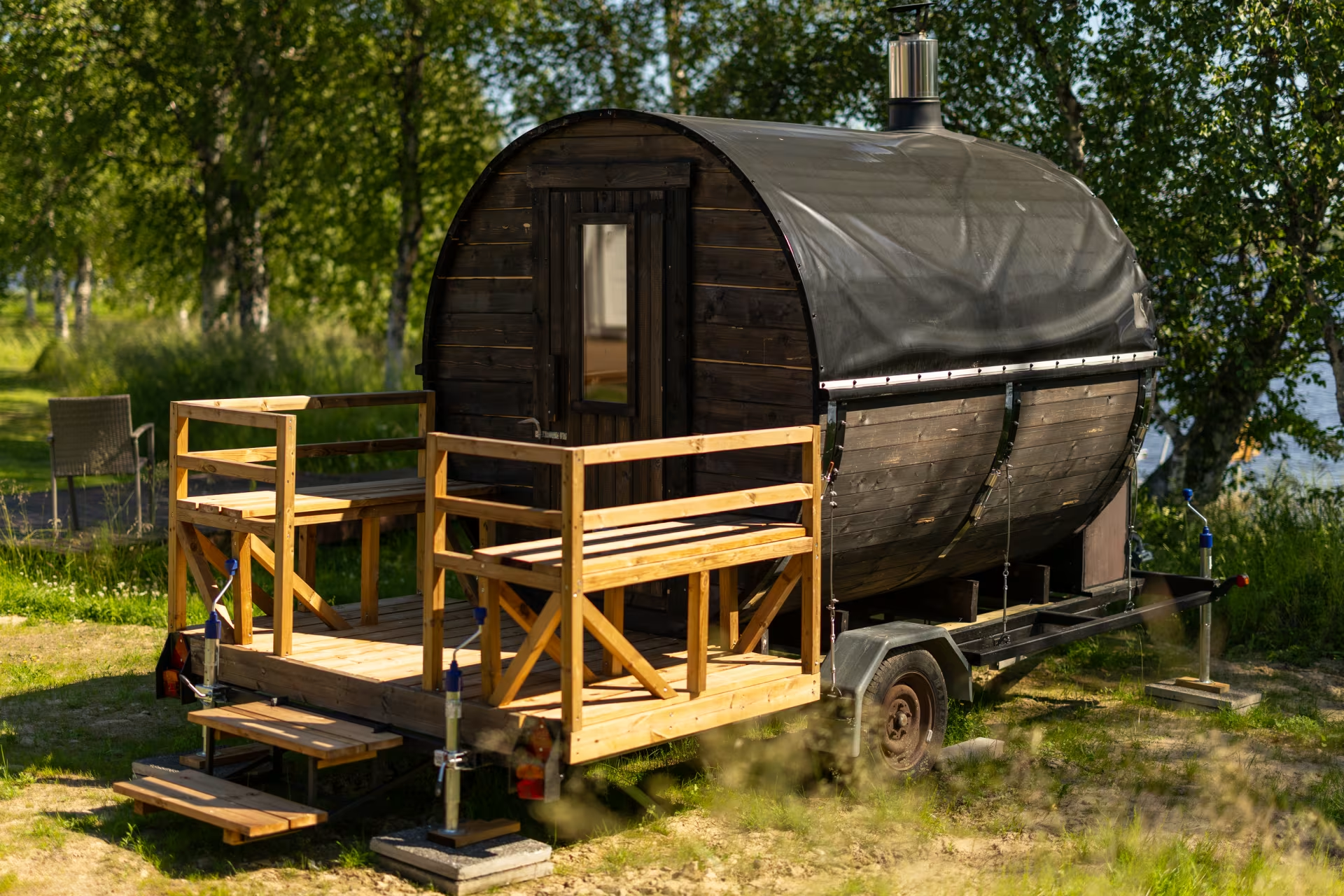
Further north, Loimu Resort takes a different approach. Located beside Lake Ylläsjärvi in Finnish Lapland, the small hotel has seven rooms, a restaurant and traditional Finnish sauna facilities. Its sauna offering includes a smoke sauna and a lakeside sauna lodge, alongside a jacuzzi and access to the lake. During winter, guests can also experience ice swimming. The setting makes the connection between sauna bathing and the surrounding landscape particularly clear. Rather than treating the sauna as a facility separate from the accommodation, Loimu incorporates it into the wider experience of staying beside a northern lake.

Another Finnish property offering a varied sauna experience is Olkkolan Hovi, situated beside Lake Kuolimo in South Karelia. The historic property offers several different sauna environments, including a wood-heated lakeside sauna dating from the 1950s, a group sauna with lake views, a modern electric sauna and a smoke sauna completed in 2025. Guests can also book a peat and herbal sauna experience inspired by traditional Finnish treatments. The four lakeside saunas are available throughout the year, allowing visitors to combine sauna bathing with summer swimming or winter ice swimming. The range of facilities makes the property particularly interesting for travellers who want to explore different forms of Finnish sauna bathing during one stay.
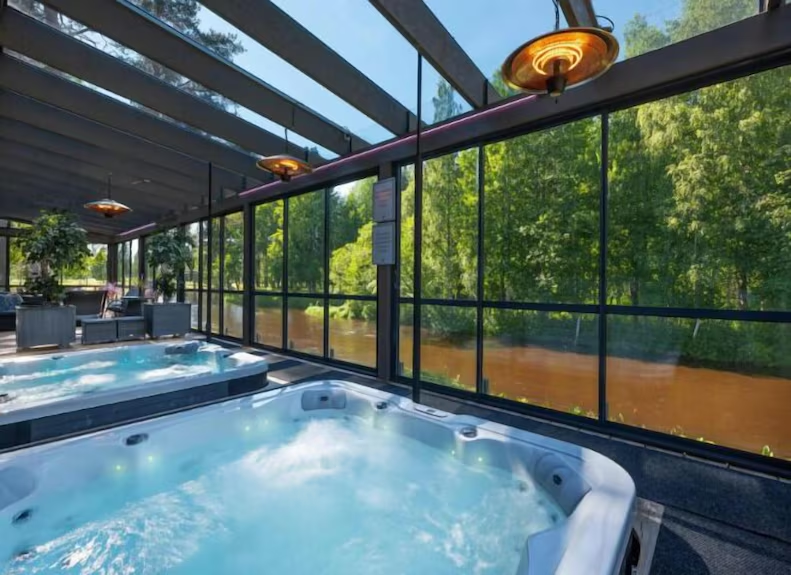
Finland’s sauna culture is also reflected in larger hotels where the experience is part of the regular guest offering rather than an exclusive package. Hotel Kalevala, in the eastern Finnish town of Kuhmo, combines accommodation with access to nature and local cultural history. The hotel is located beside a lake and surrounded by forest. An evening sauna and the use of indoor and outdoor jacuzzis are included in the overnight stay. Its location near the landscapes associated with the Finnish national epic, the Kalevala, gives the property an additional cultural dimension for visitors interested in the country’s traditions.

Across the Baltic Sea, Sweden offers its own interpretation of the sauna and spa experience. At Sandhamn Seglarhotell, guests can combine a stay in the Stockholm archipelago with access to a spa, swimming pool and several sauna options. These include wood-fired floating saunas by the water, private saunas in selected suites and a sauna within the spa facilities. The hotel’s location makes the surrounding sea an important part of the experience, particularly for visitors interested in combining warm sauna sessions with a refreshing swim. Hotel guests also receive complimentary access to the spa and gym during their stay.

Sweden’s sauna offering is not limited to traditional wooden buildings beside lakes. Selma Spa is an established spa hotel in Värmland, overlooking a lake and surrounded by forest. Its facilities include several saunas, indoor and outdoor swimming pools, spa treatments and exercise classes. The property underwent an indoor spa renovation in 2026, reflecting the continued investment in contemporary wellness facilities at Swedish spa destinations. For travellers seeking a hotel stay built around relaxation rather than simply an overnight stop, it provides a more comprehensive spa experience.

Norway’s mountainous and coastal landscapes provide another setting for sauna experiences within hotels. At Valldal Fjordhotell, the ROA sauna is positioned at the edge of the property, overlooking the surrounding mountains and fjord. Guests can use the facility and, for those comfortable with cold-water swimming, take a dip directly in the fjord afterwards. The sauna accommodates between two and eight people, while hotel guests can also reserve it for individual use. The relatively simple arrangement puts the emphasis on the natural surroundings rather than an elaborate spa programme.

For visitors staying closer to Oslo, The Well Spa & Hotel offers a much larger wellness environment. Located approximately 20 minutes outside the Norwegian capital, the hotel has 104 rooms and suites and a spa covering 10,500 square metres. Its facilities include 15 saunas and steam rooms, 11 pools, a Turkish hammam and a Moroccan rhassoul. Hotel guests receive spa access from midday on their arrival day throughout their stay, without needing to book a separate spa session. The scale of the property places it firmly in the destination-spa category, where wellness facilities are a central reason to visit.
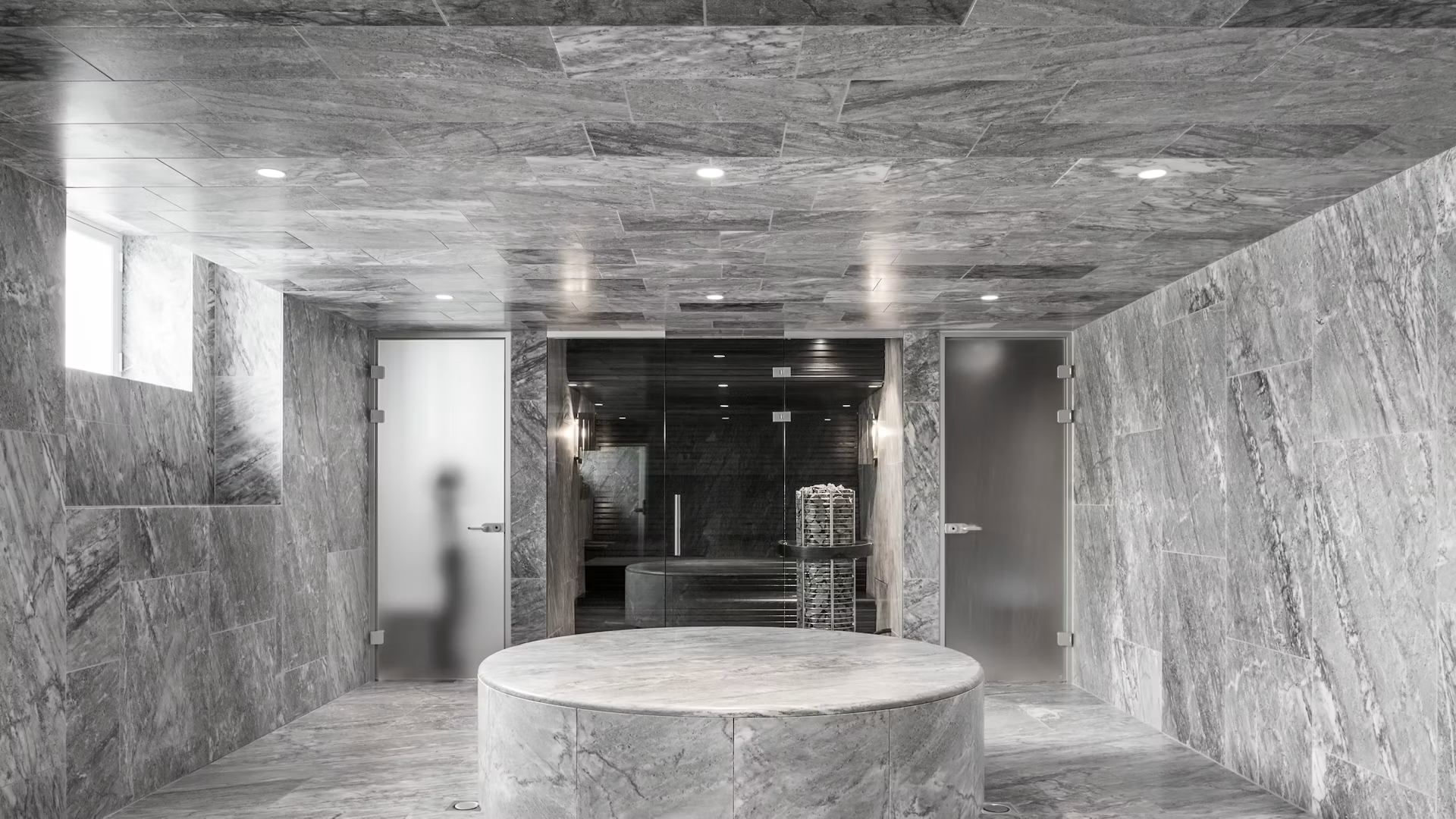
In Denmark, sauna facilities are more commonly encountered as part of a broader urban hotel spa offering. Nobis Hotel Copenhagen provides hotel guests with access to a relaxation area featuring a modern sauna, a cold bath and a heated marble relaxation surface inspired by hammam bathing. The facilities are reserved for hotel guests, giving visitors a private place to unwind after exploring the Danish capital. Although the experience differs from the traditional lakeside sauna setting associated with Finland, the combination of heat, cold water and relaxation reflects the wider Nordic interest in bathing and wellbeing.

Another Copenhagen option is Scandic Spectrum, which houses Spectrum Wellness. Its facilities include a Finnish sauna, heated swimming pool and treatment areas. During the winter months, the wellness centre also hosts weekly saunagus sessions, a Danish sauna ritual in which heat and aromatic steam are used as part of a guided bathing experience. The facility is open throughout the year and welcomes both adults and children, making it an option for travellers who want access to sauna facilities during a city break.
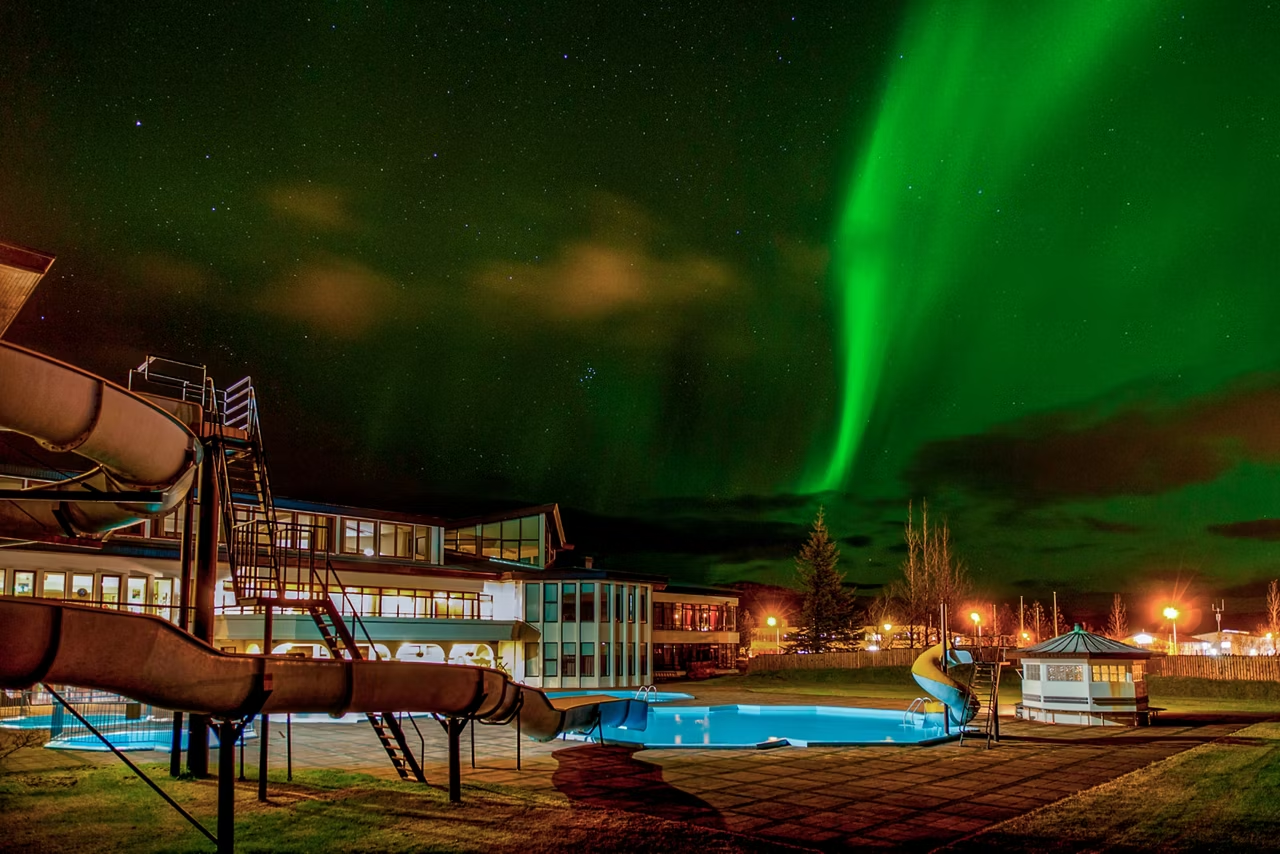
Iceland presents a slightly different picture. The country’s bathing traditions are strongly associated with geothermal water, outdoor pools and naturally heated bathing facilities. Saunas are available at some hotels, but they are not interchangeable with Iceland’s wider geothermal bathing culture. At Hotel Örk, guests have access to a geothermal sauna alongside a large outdoor swimming pool and two hot tubs. Located in Hveragerdi, a town known for its geothermal activity, the hotel offers a combination of heated-water facilities and conventional sauna bathing.

At Hotel Jokulsarlon, the outdoor wellness area includes a sauna and hot tubs, available exclusively to hotel guests. Both facilities operate daily, although access is provided on a first-come, first-served basis. For visitors exploring Iceland’s south-eastern landscapes, the facilities offer an opportunity to relax at the hotel after a day of sightseeing.
The differences between these properties show why sauna experiences should not be treated as identical across the Nordic region. In Finland, sauna bathing has deep cultural roots and can be part of an ordinary evening routine. In Sweden and Norway, hotels often connect sauna facilities with coastal, forest or mountain settings. Denmark’s city hotels tend to incorporate saunas into contemporary spa environments, while Iceland’s accommodation experiences frequently sit alongside a much broader geothermal bathing tradition.
For travellers choosing where to stay, the distinction between having a sauna in the building and having access to a meaningful sauna experience is important. Some hotels include sauna access in the room rate, while others require guests to reserve a session or pay an additional fee. Private facilities, shared guest saunas, outdoor bathing areas and guided sauna rituals can also involve different booking arrangements.
It is therefore worth checking the hotel’s current facilities and access conditions before making a reservation. A private in-room sauna offers a different experience from a wood-fired sauna beside a lake, just as a large spa complex provides something different from a small sauna overlooking a fjord.
For visitors interested in understanding Nordic life beyond its familiar landscapes and architecture, these hotels offer an opportunity to experience one of the region’s most recognisable bathing traditions. The appeal is not necessarily the size of the spa or the number of facilities available. In many cases, it is the simple combination of warmth, water, time to slow down and a setting that makes the experience memorable.


