Prix Versailles has named three European train stations among its seven most beautiful new stations for 2026, recognising projects in Lyon, Rome and Naples that combine transport infrastructure with ambitious architectural and cultural design.
The annual Prix Versailles awards examine new buildings and spaces around the world, with previous selections covering museums, hotels, shopping destinations and restaurants. This year’s train station selection turns attention to places that are often designed primarily for movement, but which can also shape how people experience a city.
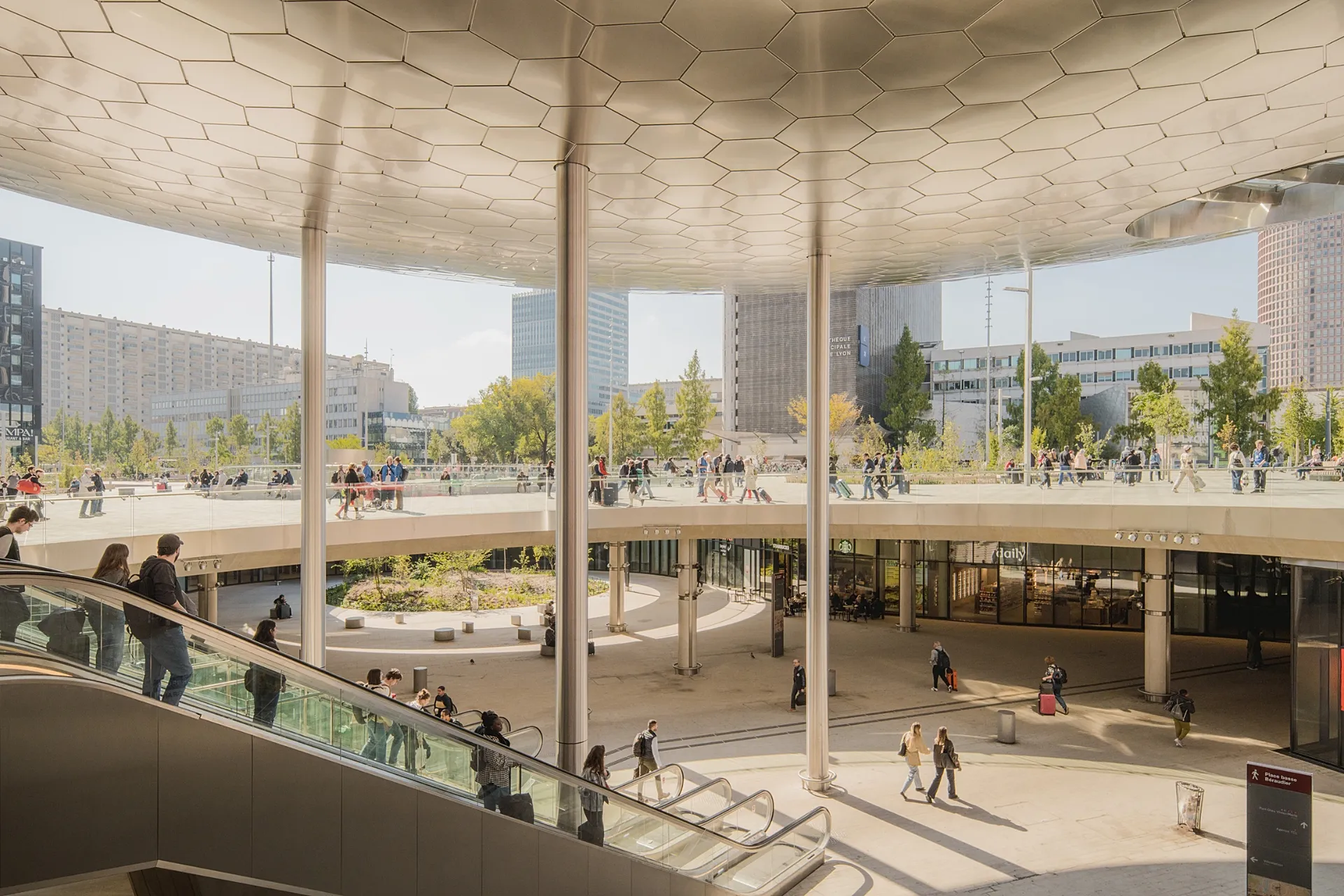
The three European stations on the 2026 list are Lyon Part-Dieu Station in France, Colosseo – Fori Imperiali Station in Rome and Monte Sant’Angelo Station in Naples.
Prix Versailles Secretary General Jerome Gouadain said modern transport stations face a difficult architectural challenge: they must accommodate growing passenger movement while also responding to their surroundings, contributing to local communities and, where possible, respecting existing architecture.
According to Gouadain, the selected projects demonstrate how passenger stations can become more than functional infrastructure. They can connect neighbourhoods, create spaces for public life and establish a stronger relationship between transportation and the identity of a city.
In Lyon, the transformation of Part-Dieu Station has taken around a decade. The project, led by architectural firms AREP and L’AUC, has expanded the station into a large multimodal hub serving both rail passengers and people moving between different parts of the city.
Prix Versailles describes the redesigned Lyon Part-Dieu Station as a community space rather than simply a place to catch a train. Its scale reflects the importance of the Part-Dieu district as one of Lyon’s major transport and urban centres, while the redevelopment has sought to make the station more integrated into everyday city life.
Rome’s Colosseo – Fori Imperiali Station takes a very different approach. The Metro C station became notable even before its inclusion on the Prix Versailles list because of the archaeological discoveries made during its construction.
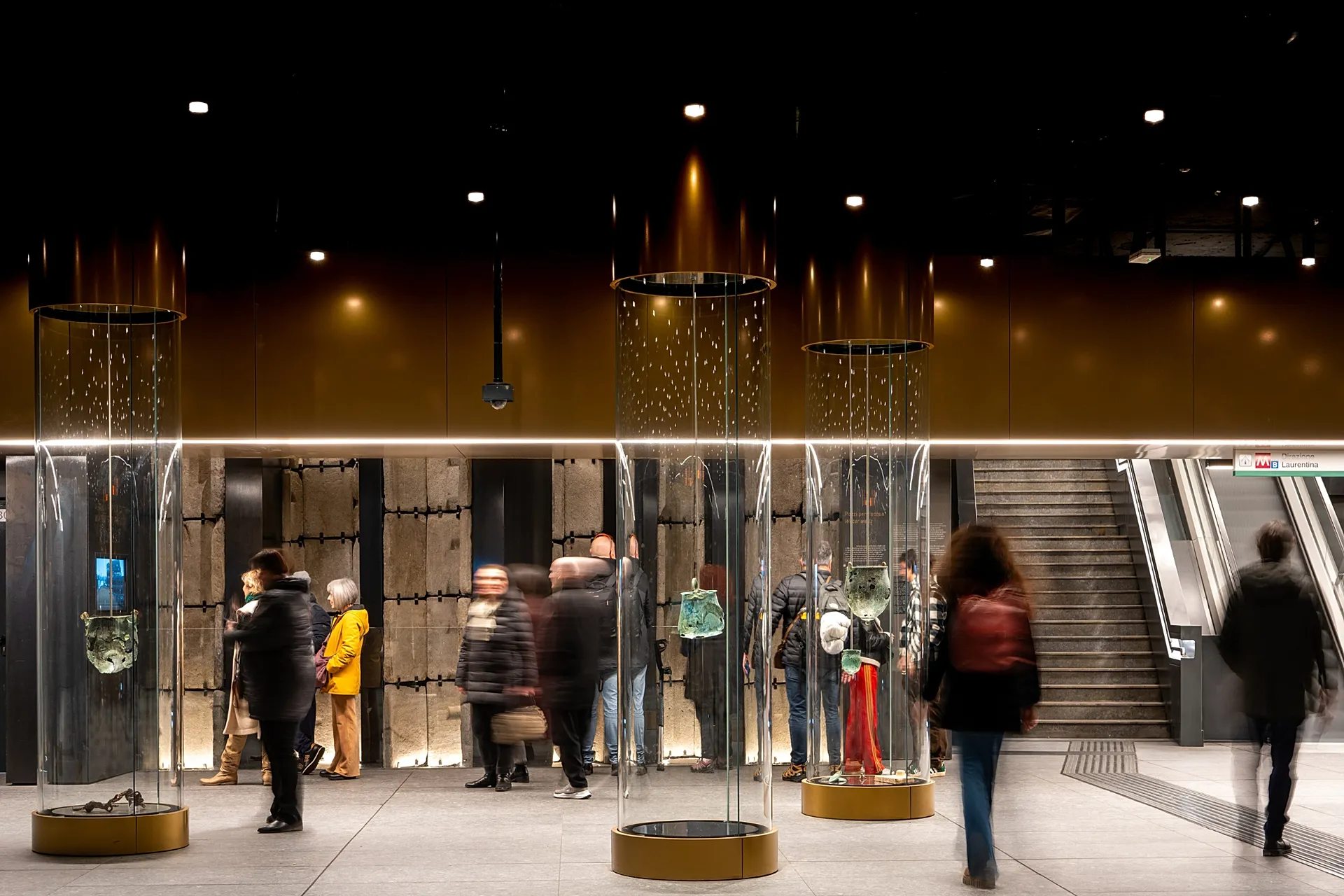
The station opened to the public late last year, bringing passengers into a part of Rome where modern transport infrastructure sits directly alongside the remains of the ancient city. Archaeological discoveries have been incorporated into the station experience rather than simply removed from the construction site.
Prix Versailles describes the project as an intersection between a transport station and an archaeological experience. Passengers descending towards the platforms encounter the history beneath Rome, while an oculus provides a view towards the Colosseum.
That relationship between contemporary infrastructure and ancient architecture is central to the station’s appeal. Instead of treating archaeology as something separate from the transport system, the project makes it part of the journey itself.
In Naples, Monte Sant’Angelo Station takes architecture in an even more sculptural direction. The underground station was developed with artist Anish Kapoor and architectural firms Future Systems and AL_A.
The design draws on imagery associated with Mount Vesuvius, caves and the legend of the Cumaean Sibyl. Rather than being conceived simply as an underground platform, the station has been designed as a large sculptural environment that passengers enter and move through.
The three projects differ sharply in appearance and purpose. Lyon focuses on transforming a major transport hub into a broader urban space. Rome uses archaeology to connect a modern metro journey with the city’s ancient past. Naples turns an underground station into an architectural and artistic experience.
Together, they reflect the wider idea behind this year’s Prix Versailles selection: that stations do not have to disappear into the background of a city. When carefully designed, they can become part of the urban landscape themselves, giving passengers a stronger sense of place while serving the practical demands of modern transportation.
For travellers arriving by train or metro, that can change the experience of entering a city. The journey does not necessarily end when the train reaches the station. In Lyon, Rome and Naples, the station itself has become part of the destination.