
National tests in Finland could become part of the country’s primary school system, but a group of education researchers has warned that testing every pupil may do little to improve learning outcomes.
The researchers argue that introducing compulsory tests for entire age groups would bring more disadvantages than benefits. Their concerns come as Finland continues to face questions about declining educational performance, particularly following weaker results in international assessments such as the Programme for International Student Assessment (PISA).
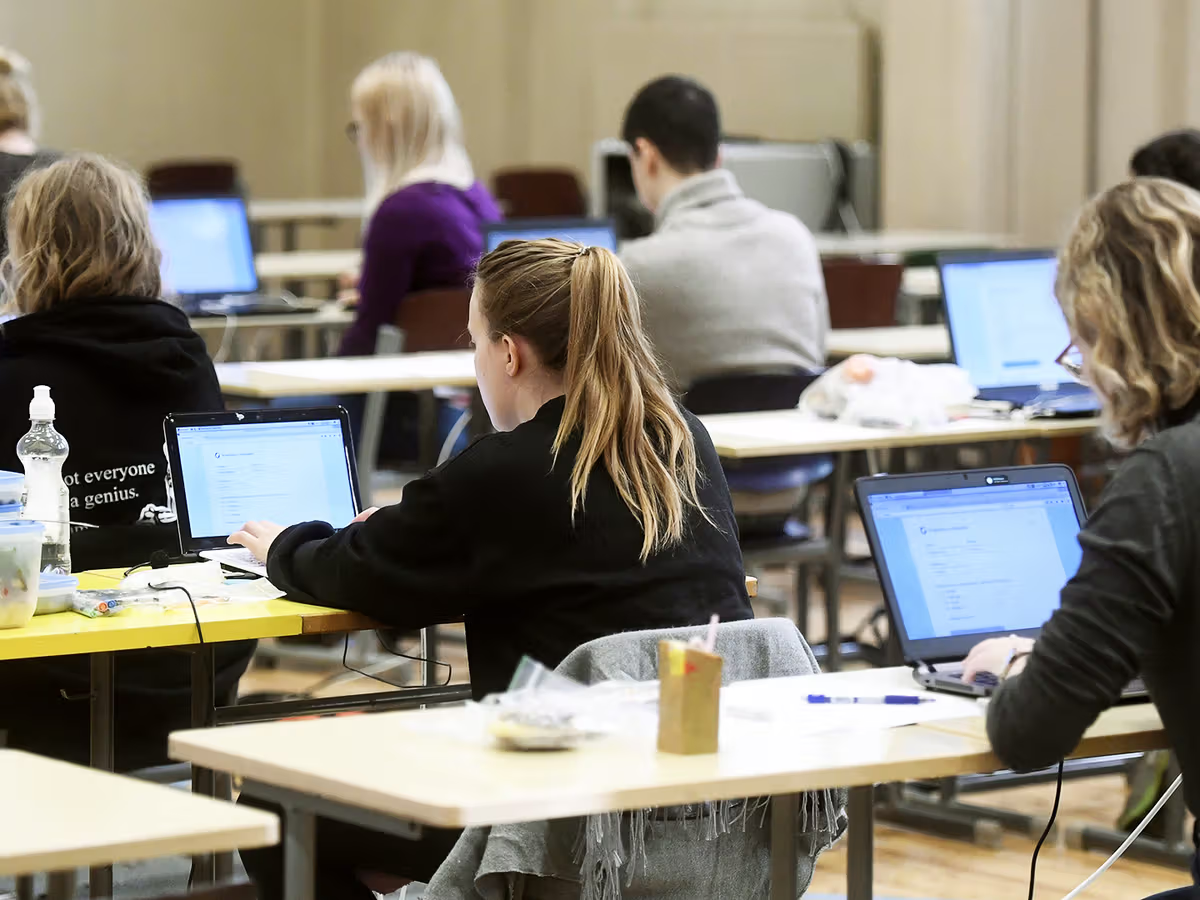
The proposal to introduce national tests was put forward by Parliament’s Audit Committee, which believes that standardised examinations could provide more reliable information about pupils’ academic performance across the country. Such tests would make it easier to compare learning outcomes between schools and regions and help policymakers assess whether education reforms are working.
However, Jaakko Kauko, an education policy professor at Tampere University, said international research offered little evidence that national examinations consistently improve students’ performance.
“The link between national tests and improved learning outcomes has been either weak or contradictory elsewhere,” Kauko said. He added that schools with weaker academic results had particularly failed to benefit from such testing systems.
Researchers also warn that introducing nationwide examinations could increase pressure on pupils and encourage teachers to concentrate more heavily on subjects and skills that appear in the tests. This could narrow the scope of classroom teaching rather than address the wider challenges affecting children’s learning.
The debate comes at a time when Finland is examining why its education system has experienced a prolonged decline in learning outcomes. The country was once widely recognised for its strong performance in international education assessments, but its pupils have recorded weaker results in successive PISA assessments, which measure how well students apply their knowledge in areas such as reading, mathematics and science.
Those supporting national tests believe Finland needs more consistent information about what pupils are learning and where educational difficulties are developing. Economists who have examined the issue argue that standardised results from schools across different regions would help identify gaps and provide a stronger basis for education policy decisions.
Researchers opposing the proposal, however, say Finland already has established methods of collecting information about schools, teaching and learning. They argue that representative studies involving selected groups of pupils can provide reliable national information without requiring every child to sit the same examinations. Such studies could also be less expensive.
The experience of Denmark has become an important part of the discussion. The country’s national testing system was included in the Audit Committee’s report as a possible example for Finland to consider. Denmark introduced its first national tests in 2010 and has since used different testing models to assess pupils’ academic performance.
Christian Ydesen, a professor at the University of Zurich who has studied Denmark’s testing system, said the introduction of national examinations had not reversed the country’s declining PISA performance.
“Denmark’s Pisa results have weakened again. National tests do not solve the learning crisis,” Ydesen told Yle.
Denmark has introduced three versions of its national testing system. The latest version, launched in autumn 2026, focuses on literacy and mathematics. Earlier versions also included subjects such as English, physics and chemistry. Under the system, a Danish pupil now takes a total of ten national tests during their school years. Research findings on the latest version are not yet available.
The Danish experience has also raised questions about whether national test results can remain separate from public comparisons between schools. Although the Danish system was designed to prevent examination results from being used to rank schools, Ydesen said this had not worked as intended. A Danish think tank, CEPOS, collected publicly available results from municipal quality reports and used them to produce school rankings.
Finland’s Audit Committee has indicated that any trial of national examinations should include safeguards to prevent schools from being publicly ranked. The committee’s report also recognises the need to examine what legal changes would be required to keep test results confidential.
Kauko and other researchers agree that Finland needs to improve pupils’ learning outcomes. However, they suggest that establishing an independent education research panel could be a better way to support decision-making. Such a panel could bring together specialists in education, learning assessment and research to provide policymakers with evidence-based recommendations.
They have also pointed to the need to improve the consistency of school grading across Finland. Differences in how teachers assess pupils can make it difficult to compare academic performance between schools and regions. Better opportunities for teachers to undertake further training could help address the problem.
The financial cost of national testing is another concern. According to Ydesen, establishing Denmark’s testing system cost just under 15 million euros between 2005 and 2010. Kauko argues that Finland could use the money required for a similar system more effectively by investing in other forms of educational development.
The Finnish Parliament is scheduled to discuss the Audit Committee’s report on national examinations on Thursday, 5 November 2026. The debate will bring renewed attention to how Finland should monitor learning outcomes and respond to the continued decline in pupils’ academic performance.


