
Kaja Kallas, the European Union’s foreign policy chief, has accused the United States of pressuring Ukraine to accept a peace settlement on Russian President Vladimir Putin’s terms, warning that Europe must have a seat at the negotiating table to protect Ukraine’s interests.
Speaking to the European Parliament in Strasbourg on Tuesday, Kallas said American negotiators had been trying to push Ukraine towards surrender for around a year and a half. She argued that continued European support had helped Kyiv resist pressure to accept Moscow’s demands.
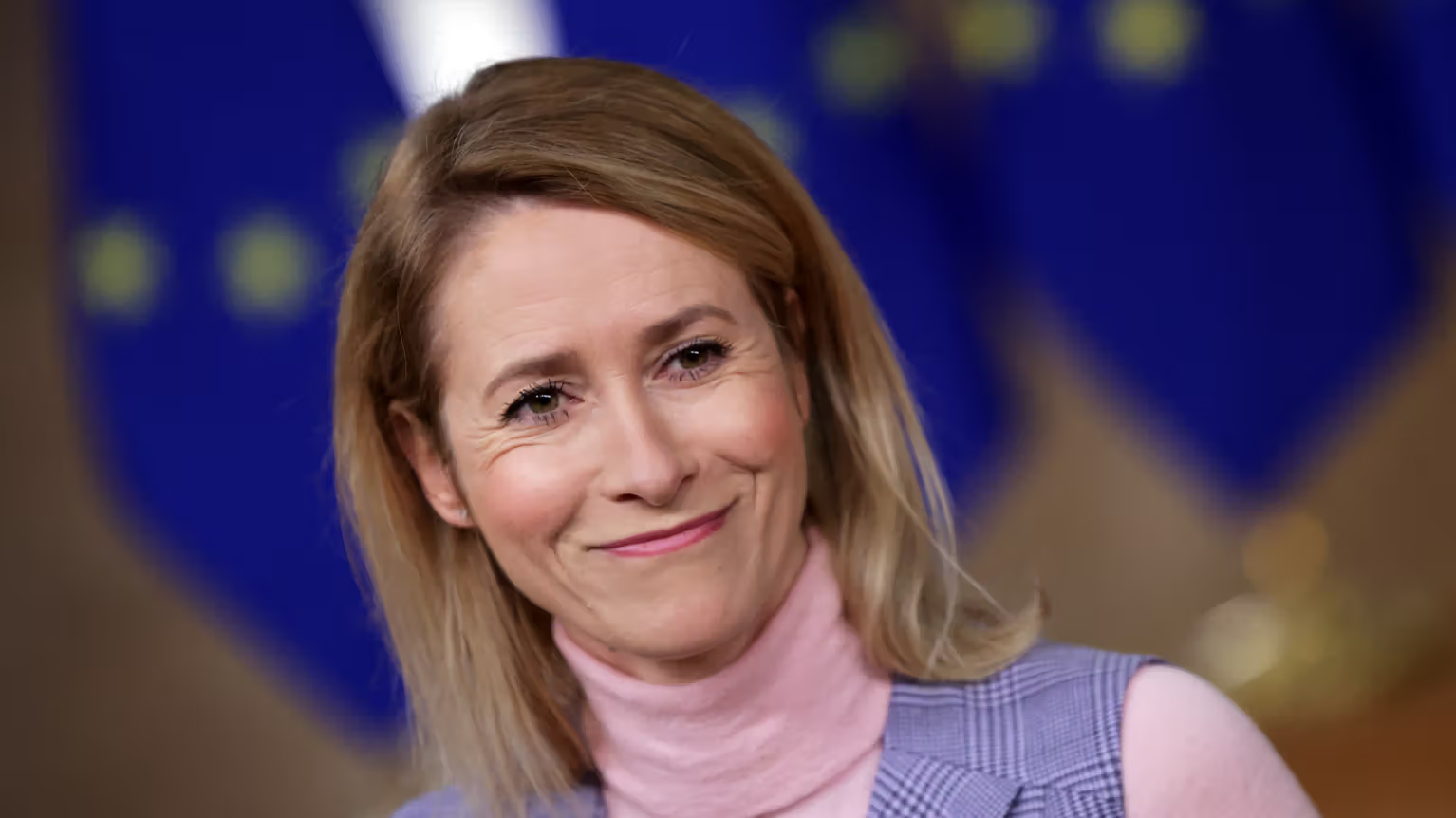
“Why Ukraine hasn’t surrendered on Putin’s terms is because Europe has been supporting Ukraine,” Kallas told lawmakers.
Her remarks came as a new round of peace talks began in Oslo, Norway, amid growing disagreements between Washington and European capitals over how to end Russia’s war against Ukraine. European officials have expressed concern that the US administration’s approach could leave Kyiv facing a settlement that favours Moscow while limiting Europe’s influence over decisions affecting its own security.
Kallas said European participation was essential to balance the positions being advanced by the White House. She also argued that Europe should not surrender its negotiating leverage, particularly over sanctions against Russia, which fall within the EU’s decision-making powers.
Addressing criticism from members of the European Parliament who questioned whether the bloc had a clear strategy for peace, Kallas said she had already presented a document to EU capitals setting out demands that Moscow should meet as part of any future settlement.
“If Russia is presenting their maximalist demands and requests, we should put our maximum demands on the table to balance these negotiations,” she said.
Kallas added that Russia’s interest in securing sanctions relief gave Europe a reason to remain directly involved in the negotiations.
“We are not giving these things up for free because it is not only peace that could be there, but it’s also that this peace is long-lasting and just,” she said.
Tensions between the United States and Europe have intensified following a diesel supply agreement between US President Donald Trump and Putin, alongside a decision to ease sanctions until April 2027 without securing Russian concessions, according to the report.
Trump has also called for new elections in Ukraine, although elections are barred under the country’s current wartime legal framework. He has complained that Ukrainian President Volodymyr Zelenskyy is more difficult to negotiate with than Putin, adding to concerns in Kyiv about Washington’s position.
Zelenskyy has similarly raised doubts about the US approach. In a recent interview with Bloomberg, he said he believed efforts had been made to persuade Ukraine to capitulate. His comments followed a period of mounting friction between the Ukrainian leader and the US president over the direction of peace negotiations.
Kallas has been one of the most outspoken European officials in criticising Trump’s approach to Moscow. Last week, she told Euronews that the diesel agreement amounted to a gift to Putin, reflecting European concerns that Washington could offer economic concessions without obtaining corresponding commitments from Russia.
Beyond the negotiations, Kallas accused Moscow of threatening security in the Black Sea through its armed blockade and using food supplies as a weapon. She warned that Russian actions could contribute to wider food insecurity, while Romania and Bulgaria have recently reported Russian drone strikes near their territorial waters.
She also criticised Russia for refusing an energy ceasefire and intensifying attacks on Ukraine ahead of winter, when damage to energy infrastructure could increase pressure on civilians.
Kallas said Ukraine had endured years of bombardment and remained committed to finding peace. She rejected suggestions that Europe was obstructing a settlement, arguing instead that Russia was the party unwilling to end the war.
“Ukraine wants peace more than anybody because they have been under bombardment for already four years now, and the fifth year is going on,” she told lawmakers.
“And Europe wants peace. It is not right to say that we don’t want peace. The only one who doesn’t want peace is Russia. Let’s be very clear-eyed about this.”
Despite the widening differences over negotiations, Brussels maintains that engagement with Washington should continue. EU officials see cooperation with the United States as important to influencing the peace process and ensuring that any agreement takes Ukraine’s interests and European security into account.
Senior representatives from the European Commission, NATO, Germany, France, the United Kingdom and Poland travelled to Oslo on Tuesday for the latest round of talks. Their participation underscored Europe’s determination to remain involved in discussions that could shape the future of Ukraine and the wider European security framework.


