Multiple Entry Schengen Visa applications can be difficult for travellers who cannot provide the bank statements commonly requested as proof of financial means, but the absence of a bank statement does not automatically mean there is no way to present evidence of financial support.
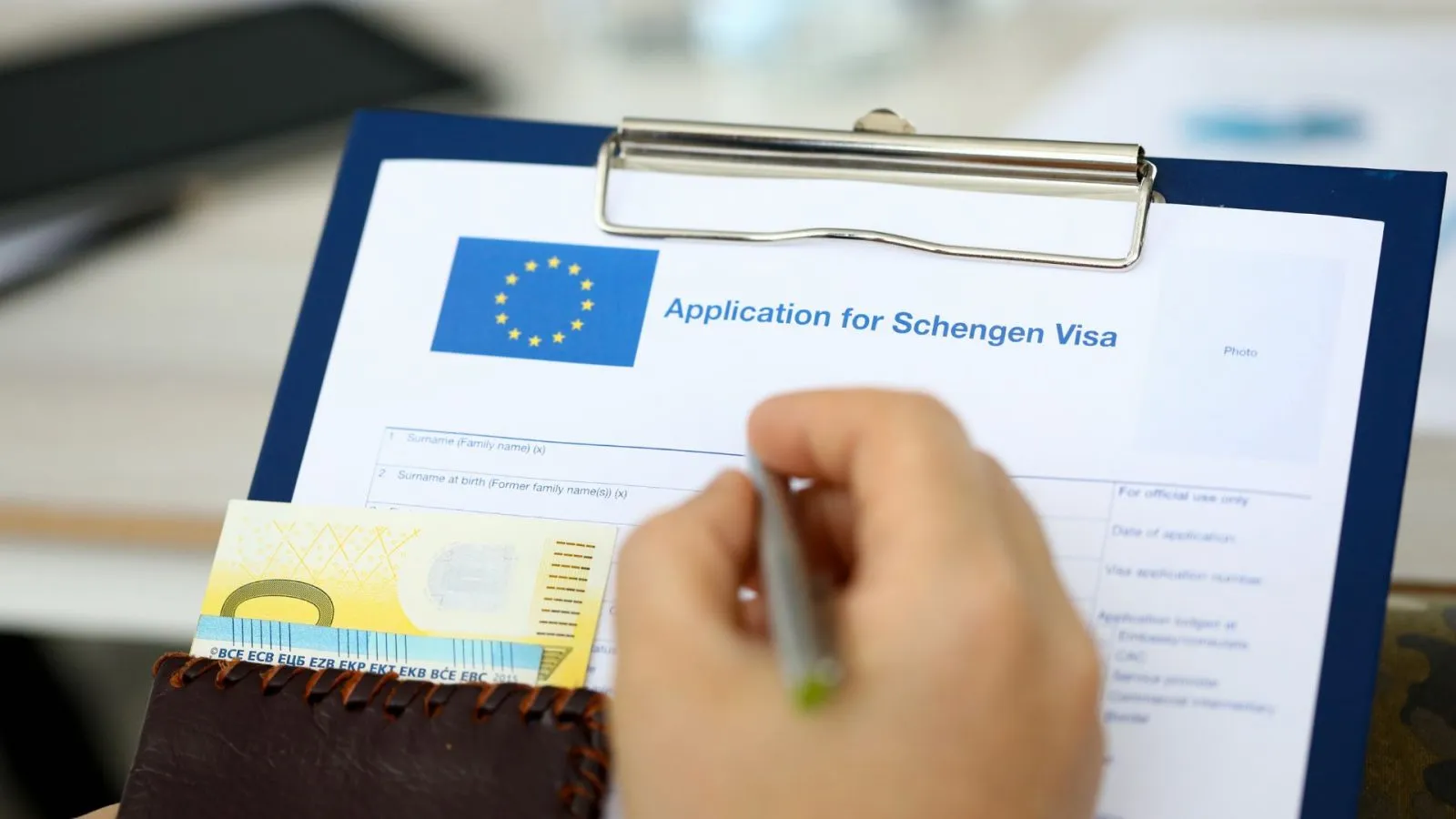
The important distinction is that a Schengen visa applicant still has to demonstrate that the trip can be financed and that the applicant meets the conditions for entry and departure. A bank statement is one way of doing that, not the purpose of the requirement itself.
This matters because there is a widespread idea that applying for a multiple-entry Schengen visa without a bank statement means finding a way around the financial requirements. It does not. Consulates assess whether an applicant has sufficient means for the intended stay and whether there is a genuine intention to leave the Schengen area before the visa expires. The supporting documents used to establish those facts can vary according to the applicant’s circumstances and the country handling the application.
The European Commission’s general guidance says applicants must provide supporting evidence covering the purpose of the trip, financial means, accommodation and their intention to return after the visit. Individual consulates can also request additional documents. This is why there is no universal document that can simply replace a bank statement for every applicant. The exact checklist published by the embassy or consulate responsible for the application remains important.
For someone without a traditional bank statement, the first question should therefore be: what other credible evidence can demonstrate how the trip will be paid for? Depending on the applicant’s circumstances and the requirements of the relevant consulate, this could involve evidence of regular income, employment, a pension, business activity, assets or financial support from another person. Official Schengen supporting-document lists used in different jurisdictions illustrate that financial evidence can take different forms. Some lists, for example, refer to salary slips, employment documents, proof of income-generating property and sponsorship alongside or instead of particular forms of bank evidence.
Sponsorship can be particularly relevant where another person is genuinely paying for the trip. But sponsorship is not simply a letter saying that a friend or relative will pay. Where a consulate accepts sponsorship, it may require specific forms or evidence from the sponsor, as well as information showing the relationship and the sponsor’s ability to cover the relevant costs. The precise requirements depend on the Member State and the applicant’s circumstances. An applicant should therefore use the official checklist for the country processing the application rather than relying on a generic sponsorship letter found online.
Employment can also provide an important part of the financial picture. A letter from an employer confirming the applicant’s position, salary and approved leave can help establish both income and a reason to return. Payslips may also be requested. For a self-employed applicant, company registration, tax records or other evidence of an active business can serve a similar purpose where accepted by the relevant consulate. None of these documents guarantees a visa, but together they can create a clearer picture of the applicant’s circumstances.
The situation becomes more complicated when the applicant wants a multiple-entry visa rather than simply a visa for one specific trip. A multiple-entry visa allows several visits during its period of validity, but it does not allow unlimited stays. Short-stay Schengen rules generally limit a traveller to 90 days within any 180-day period.
There is also an important difference between requesting a multiple-entry visa and being entitled to receive one. Under the EU Visa Code, longer-validity multiple-entry visas follow a system that takes previous lawful visa use into account. An applicant who has obtained and lawfully used three visas within the previous two years may qualify for a one-year multiple-entry visa under the relevant conditions. A previously obtained and lawfully used one-year multiple-entry visa can form part of the route to a two-year visa, while a lawfully used two-year multiple-entry visa can lead to consideration for a five-year visa.
The rules also allow multiple-entry visas of up to five years to be issued to applicants who demonstrate a need or genuine intention to travel frequently or regularly, provided they can establish their reliability, economic situation and intention to leave the Schengen area when required. This is particularly important for applicants who have not built a long history of Schengen travel. Simply writing “I want a five-year visa” is not the same as demonstrating a genuine need for repeated travel.
That means the strongest application is not necessarily the one containing the largest pile of documents. It is the one in which the documents tell a consistent story. If an applicant is employed, the employment documents should correspond with the stated travel plans. If someone else is financing the trip, the sponsorship evidence should be clear and credible. If the applicant travels regularly for business, family or another legitimate reason, the evidence should show why repeated travel is actually expected.
Previous Schengen travel can also matter. The Visa Code specifically refers to the lawful use of previous visas when considering longer-validity multiple-entry visas. A traveller who has consistently respected the conditions of earlier visas has a different documentary history from someone applying for the first time. That does not mean a first-time applicant cannot receive a multiple-entry visa, but it does mean that previous compliant travel can become relevant evidence when the rules are applied.
Another mistake is applying to whichever Schengen country appears to have the easiest requirements. Schengen applications are not supposed to be filed based on which consulate an applicant thinks will be most generous. The European Commission states that an applicant should normally apply to the country that is the main destination. If several countries are being visited, the application should generally go to the country where the applicant will spend the longest period. If the stays are equal, the first country visited is normally relevant.
The same principle applies to financial evidence. A traveller should not manufacture a bank statement, borrow money temporarily simply to create an artificial balance, submit unexplained deposits or provide documents that do not reflect their actual circumstances. The issue is not merely whether a particular piece of paper is present in the application. Consulates assess the overall circumstances and can request additional evidence. Misleading documentation can therefore create a far more serious problem than simply having limited funds.
Applicants should also be careful with online claims that promise a “guaranteed” multiple-entry Schengen visa without bank statements. There is no legitimate shortcut that removes the underlying requirement to demonstrate sufficient means and satisfy the visa conditions. Official guidance makes clear that supporting evidence is part of the assessment, while the exact documents can differ according to the Member State and the applicant’s circumstances.
For someone who genuinely cannot provide a conventional bank statement, the practical approach is to identify the accepted alternatives before submitting the application. Check the official website of the relevant embassy or consulate, establish whether sponsorship is accepted, determine which employment or income documents are required, and make sure the evidence corresponds with the stated purpose and duration of the trip. If the application is for repeated travel, explain the reason for that pattern rather than treating “multiple entry” as an end in itself.
A multiple-entry Schengen visa is ultimately about more than financial documentation. The authorities are assessing whether the applicant meets the conditions for a short stay, has a credible purpose for travelling, has sufficient means, and can be expected to comply with the visa rules. A bank statement can be an important part of that assessment, but it is not the only possible form of evidence in every case.
For travellers without conventional banking records, the realistic goal is therefore not to find a way around financial scrutiny. It is to build a truthful application around the evidence that genuinely exists. Where employment, sponsorship, regular income, assets, previous lawful travel or another accepted source of financial support can establish the applicant’s circumstances, those documents may provide a route to demonstrating financial capacity without relying solely on a personal bank statement. The final decision, however, belongs to the consulate handling the application, and no document combination can guarantee that a multiple-entry visa will be issued.