Destinations travellers choose when tired of the obvious are rarely the places with the loudest advertising campaigns or the longest queues outside famous landmarks. They are often cities and countries that have remained just outside the main tourist conversation, places where the experience of travelling can feel less predetermined and where curiosity still plays a bigger role than a checklist.
For some travellers, the appeal is no longer simply seeing the world’s most recognisable sights. Paris, Rome, Barcelona, Amsterdam and other European favourites remain extraordinary places, but familiarity has changed the way people approach them. A traveller who has already spent years moving between the major capitals may begin looking for somewhere that offers a different pace, a different landscape or simply a different story to tell when they return home.
That search does not necessarily mean going somewhere completely unknown. Often, it means looking at a familiar region differently.
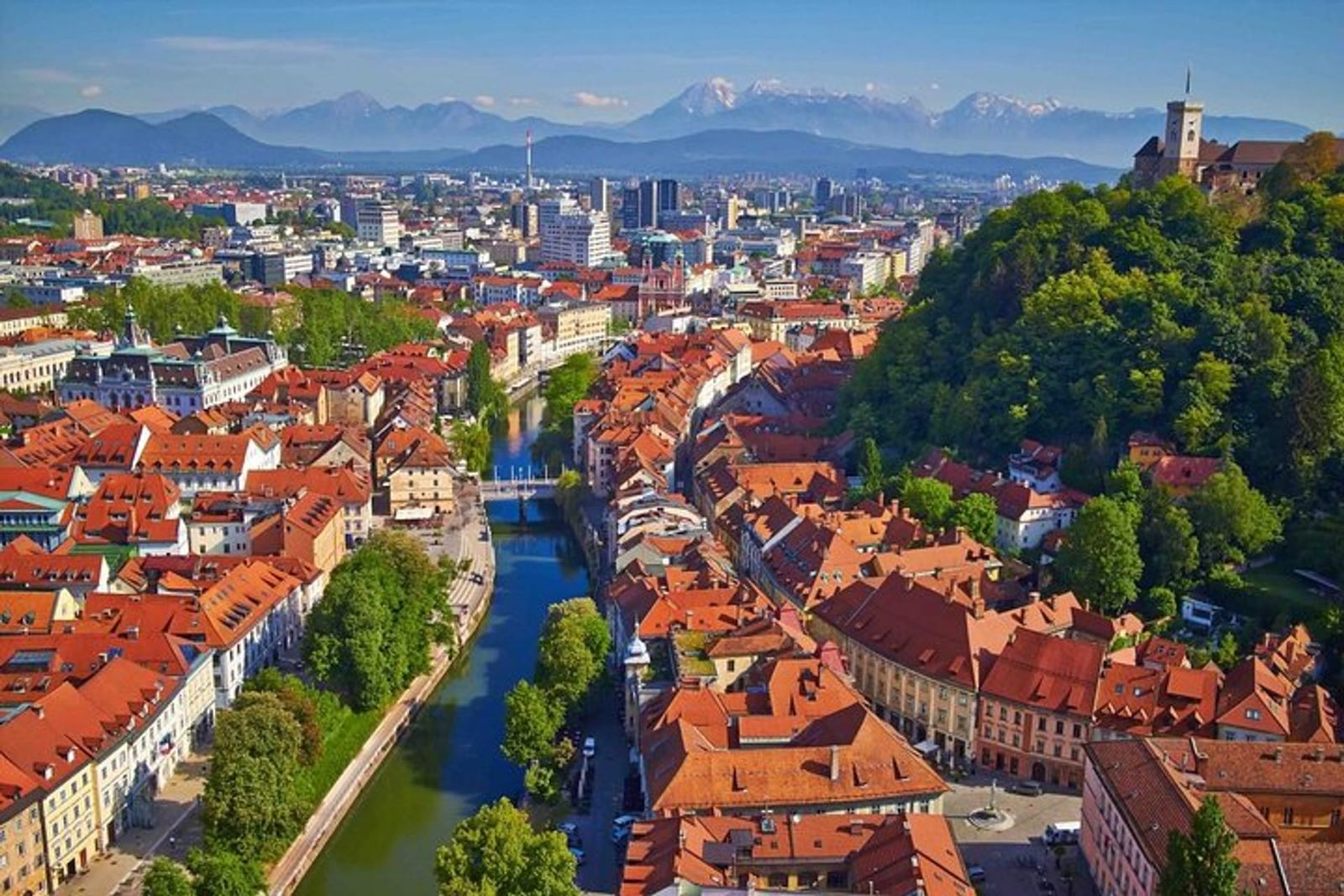
In Europe, cities such as Ljubljana, Porto, Tallinn, Bologna, Bilbao and Oulu can offer a very different travel experience from the continent’s most heavily visited destinations. They are not devoid of tourists, and none should be presented as secret discoveries. Their attraction is more subtle. They can provide enough culture, food, architecture, nature and local life to make a trip feel substantial without requiring the traveller to follow the same route as everyone else.
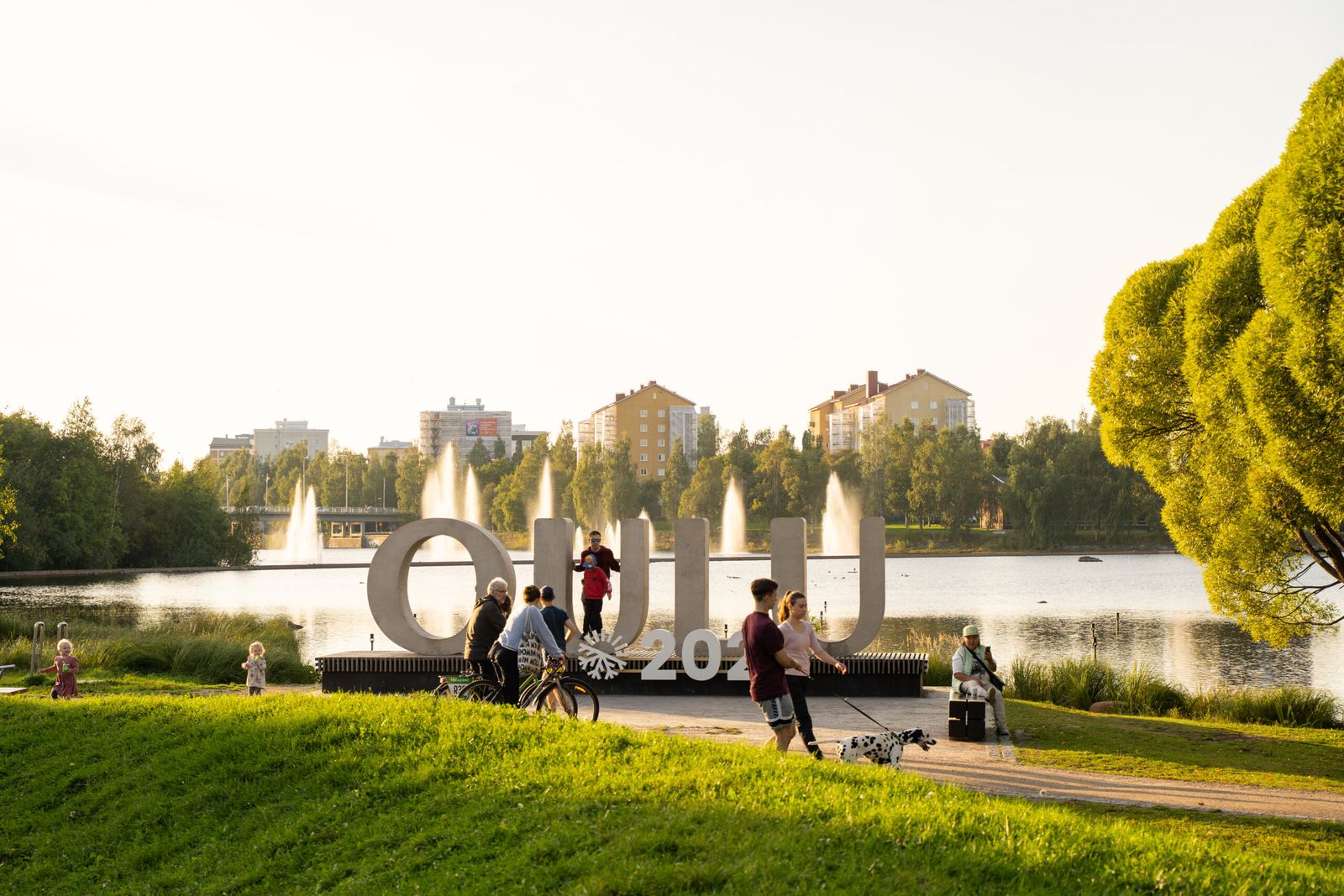
Oulu is an interesting example. Finland’s northern cities are sometimes overshadowed by the country’s better-known Lapland destinations, particularly among international visitors arriving in search of winter experiences. Yet Oulu has its own character, shaped by its position on the Gulf of Bothnia, its cycling culture, technology sector and relationship with the surrounding landscape. It does not need to imitate Helsinki or the resort towns of Lapland to be interesting.
The same principle applies further south. Slovenia has become increasingly visible on the European travel map, but much of the attention still concentrates on Lake Bled. Travellers who continue beyond the postcard image encounter Ljubljana, the Julian Alps, smaller towns and a country whose appeal comes partly from how easily different landscapes and experiences can be combined.
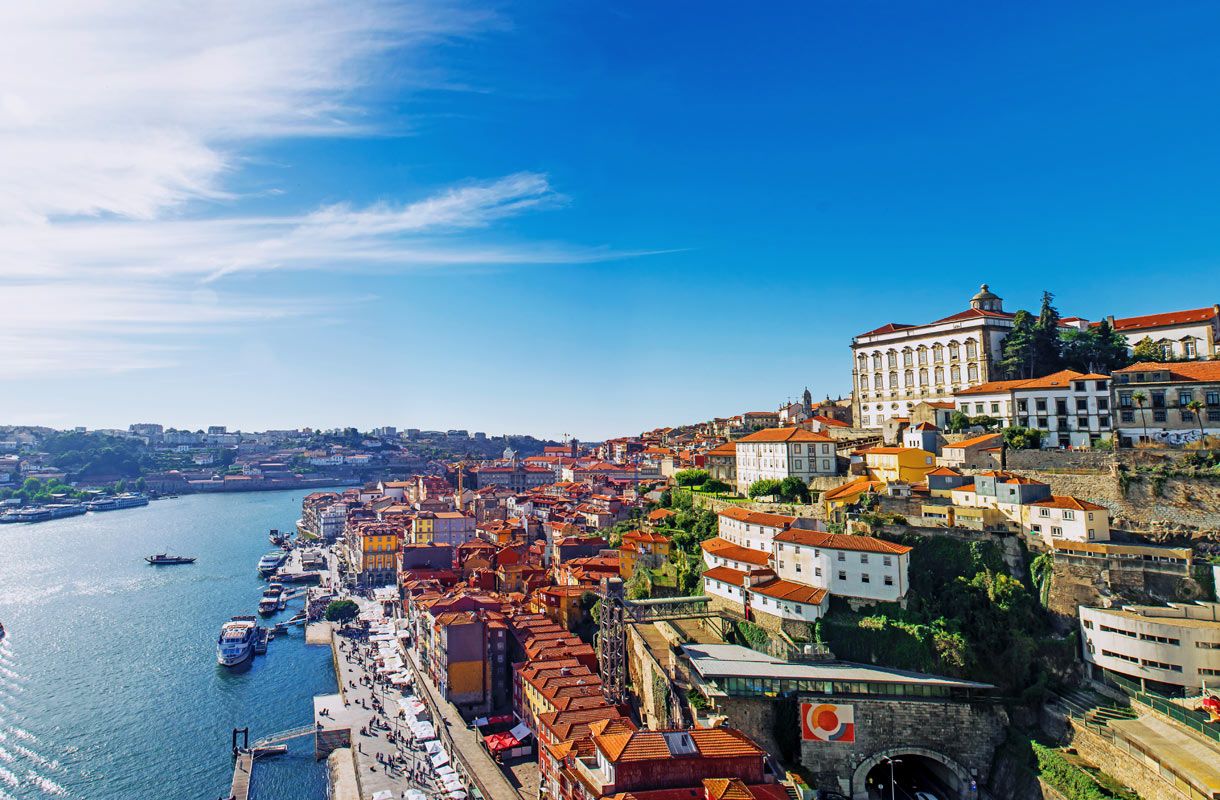
In Portugal,has long lived in Lisbon’s shadow in the international imagination. That distinction is less convincing once a visitor spends time there. The city has its own architectural identity, food culture and relationship with the Douro River, while the surrounding wine region offers a completely different landscape within reach of the city. For travellers who have already done the classic Lisbon itinerary, Porto can feel less like a second-choice destination and more like another way of understanding Portugal.
Outside Europe, the search for alternatives becomes even more interesting.
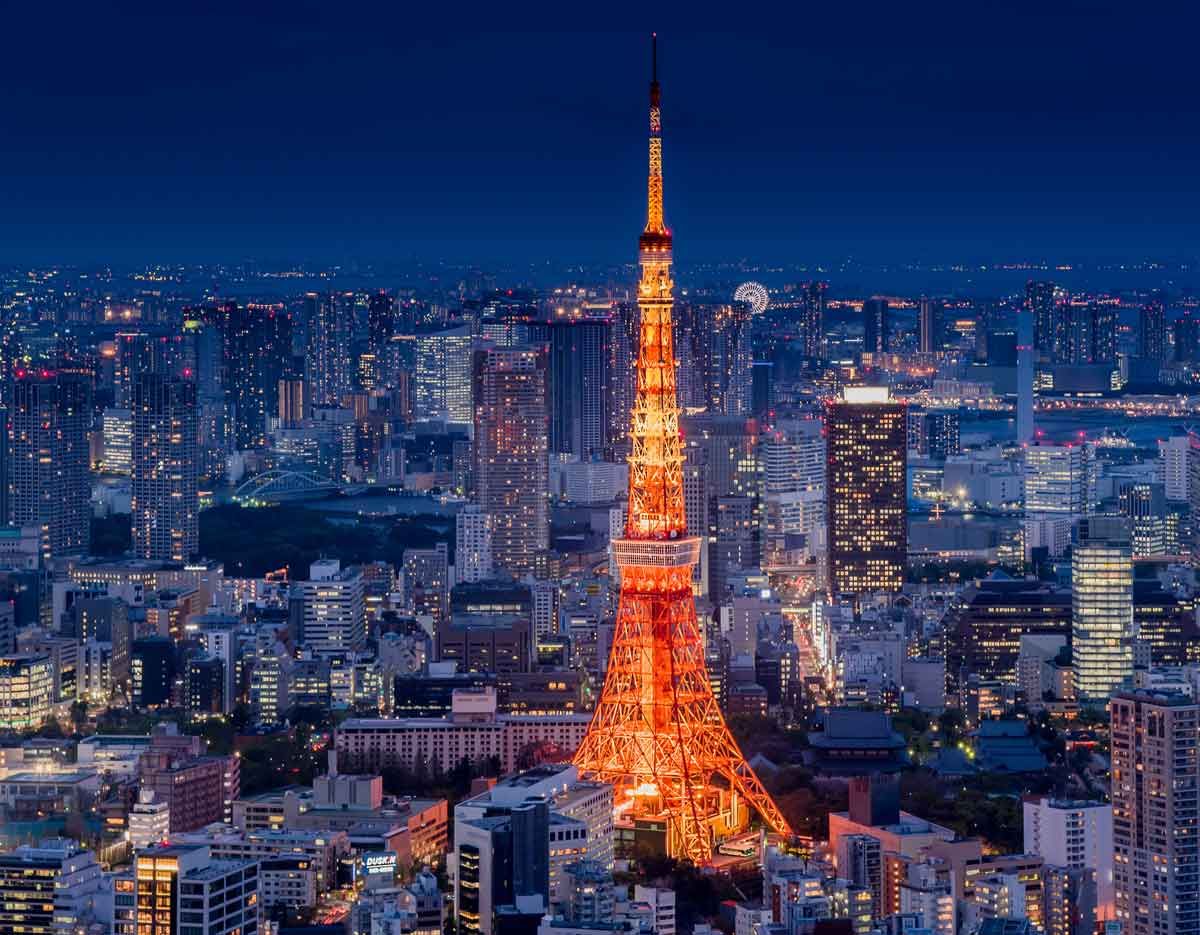
Japan offers one of the clearest examples of how travellers can move beyond the obvious without abandoning a country altogether. Tokyo and Kyoto dominate first-time itineraries, but Japan’s geography allows for far more varied journeys. Cities such as Kanazawa, Fukuoka and Sapporo, along with smaller regional destinations, offer different versions of Japanese life. The attraction is not that these places are untouched by tourism. It is that they can reveal a country that is much larger and more varied than its most famous cities suggest.
In Africa, the same shift can lead travellers away from the handful of destinations that dominate international tourism coverage. Ghana, Senegal, Rwanda, Uganda, Sao Tome and Principe and Namibia all offer experiences that are difficult to reduce to a single postcard image. The differences between them are considerable, which is precisely the point. Africa is not one destination, and travellers looking for something beyond the most established safari or beach itineraries can find very different histories, cultures and landscapes across the continent.
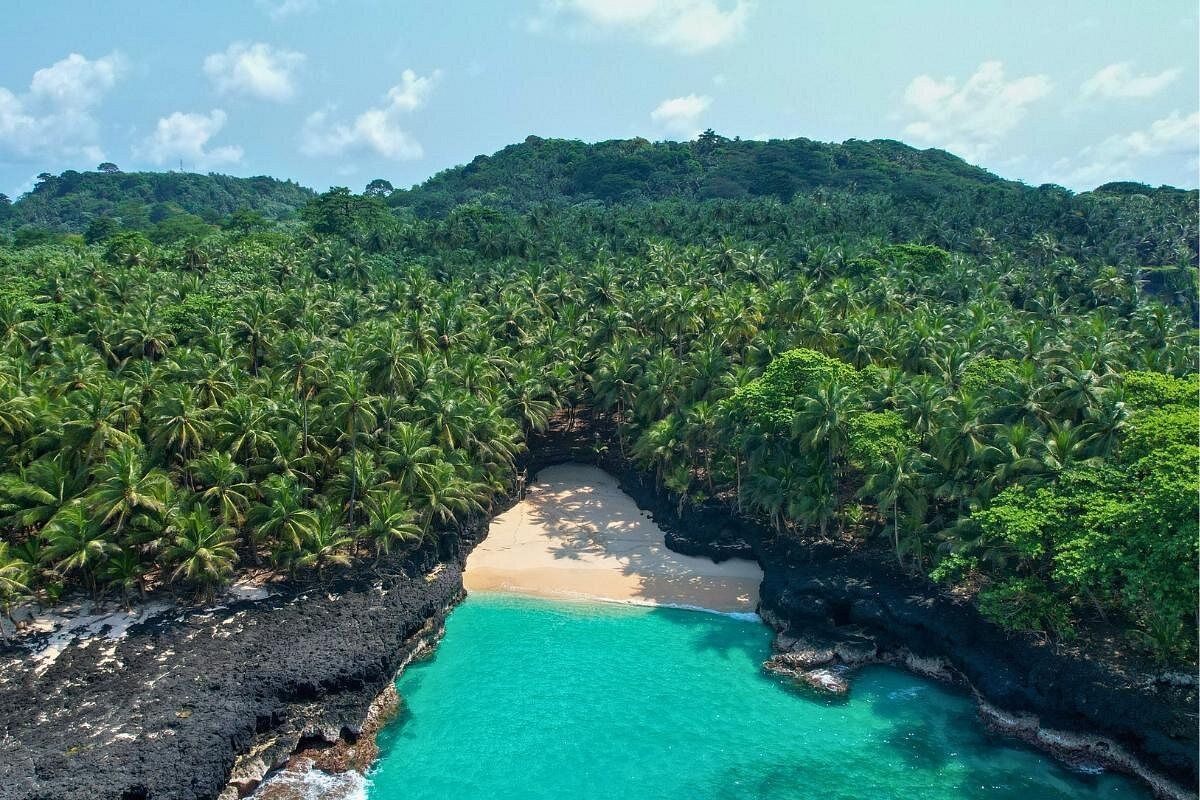
Sao Tome and Principe, for example, remains far less familiar to many international travellers than better-known island destinations. Its Portuguese colonial history, volcanic landscapes, tropical forests and position in the Gulf of Guinea give it an identity that does not fit neatly into the standard beach holiday formula. Its relative lack of international visibility is part of its appeal, although that should not be confused with being completely undiscovered.
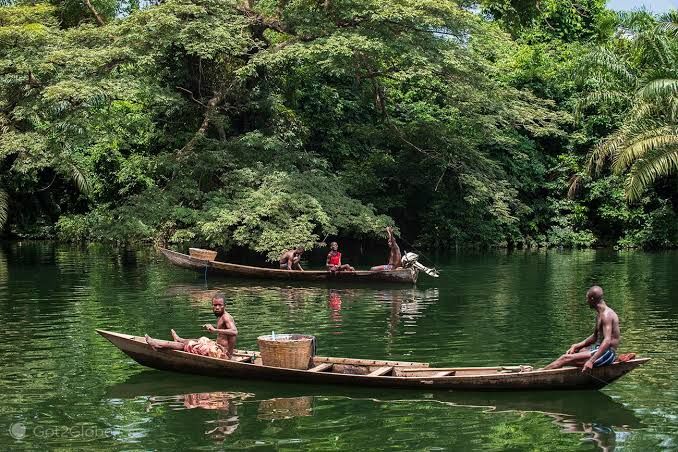
In West Africa, Ghana offers another kind of alternative. Accra is energetic and increasingly cosmopolitan, while destinations beyond the capital bring a different perspective on the country’s history and culture. Travellers who move beyond the standard itinerary can encounter historic coastal towns, traditional festivals, forests and communities whose stories rarely appear in the international version of Ghana presented to first-time visitors.
The desire for less obvious destinations is also changing what travellers mean by an “authentic” experience. The word is often used too casually in tourism, as though a place becomes authentic simply because fewer foreigners visit it. That is not necessarily true. A small town can be heavily shaped by tourism, while a major city can still offer deeply local experiences. What matters more is whether travellers are willing to look beyond the most packaged version of a destination.
That often requires more time.
A traveller who stays three nights in a capital and moves on may experience the landmarks but miss the rhythms of the place. Staying longer, taking a regional train, eating somewhere without an international menu or simply returning to the same neighbourhood on different days can reveal details that organised sightseeing tends to flatten.
This is one reason smaller cities are becoming more interesting to experienced travellers. They do not always provide a dramatic list of attractions. Instead, they give visitors room to observe. A market in the morning, a local cafe in the afternoon and an ordinary residential street in the evening can sometimes tell a traveller more about a place than another famous viewpoint.
There is also a practical reason for looking beyond the obvious. Popular destinations can become victims of their own success. High visitor numbers can put pressure on housing, public transport, historic centres and natural environments. Some travellers are therefore beginning to consider not only where they want to go, but what kind of relationship they want to have with the destination.
That does not mean avoiding popular places altogether. Tourism supports businesses, jobs and communities across the world, and there is nothing inherently wrong with wanting to see places that millions of other people also want to see. The more useful question is whether travel has to stop there.
For travellers who have become tired of the obvious, the answer is increasingly no.
The next destination may be a city that rarely appears on a first-time itinerary, a country that has been overshadowed by its neighbours, or a familiar place approached from an unfamiliar direction. It may not have the instantly recognisable skyline that performs well on social media. It may not come with a long list of attractions that can be completed in 48 hours.
What it can offer is something harder to market: the feeling of having encountered a place rather than simply visited it.
That is ultimately why destinations travellers choose when tired of the obvious are worth paying attention to. The point is not to collect obscure places for the sake of being different. It is to travel with enough curiosity to recognise that the world does not end where the guidebook’s most famous pages do. Sometimes the more memorable journey begins after the obvious choice has already been made by everyone else.