Food prices in Finland are expected to rise further over the next year, with the cost of a typical grocery basket forecast to increase by 1.5 percent this year and another 2.5 percent in 2027, according to a new forecast from Pellervo Economic Research, or PTT.
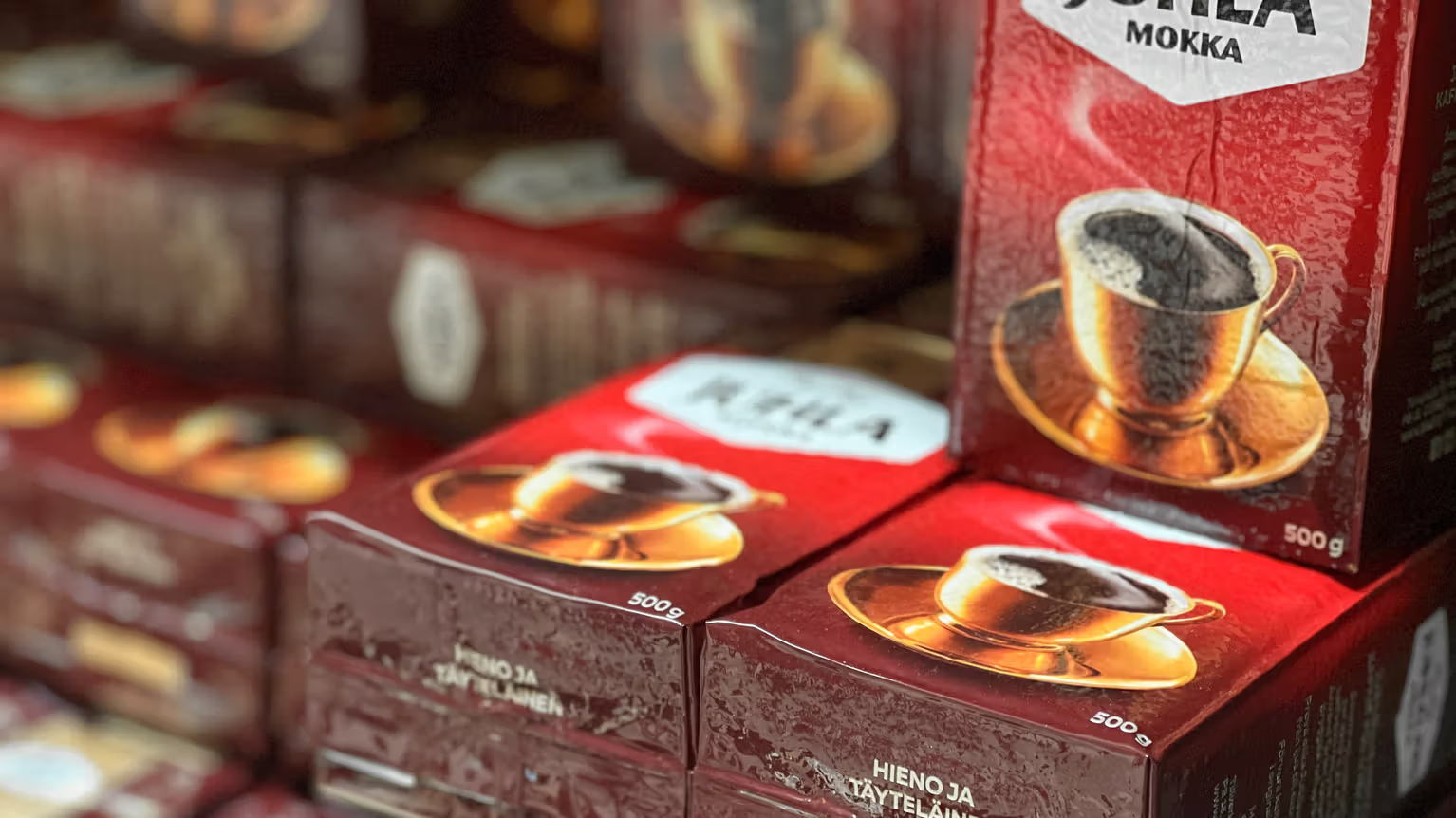
The increase is expected to be felt across household shopping bills, although the outlook varies considerably between individual products. Coffee is among the items facing particular uncertainty, with weather conditions in major producing regions potentially pushing prices higher next year.
PTT senior agricultural economist Paivi Kujala said coffee prices are not expected to face significant upward pressure during the remainder of this year. The greater concern is the possibility of weaker harvests next year if drought linked to the El Nino weather phenomenon affects coffee-growing areas in Africa and South America.
“This year there will be no pressure to increase coffee prices, but the risk concerns next year. If drought reduces harvests, then the price will rise,” Kujala said.
Coffee has already become considerably more expensive for consumers in Finland. Prices rose sharply in 2025, when the cost of coffee increased by almost a third compared with the previous year. Prices have since stabilised, and PTT does not expect another increase on the same scale.
There is still room for prices to move higher, however. “However, the price can rise somewhat above the current level,” Kujala said.
For shoppers trying to keep food bills under control, meat is another area where changing prices are influencing purchasing habits. Beef is expected to remain expensive, but PTT does not forecast another significant increase in either producer or consumer prices.
The high cost of beef has already encouraged consumers in Finland to turn towards cheaper alternatives, particularly chicken and pork. PTT expects that shift to continue as households respond to the price difference between different types of meat.
Producers have faced higher costs of their own, creating pressure for beef prices to rise. Kujala said the current forecast is that both producer and consumer prices will remain around their present levels rather than continuing to climb.
The wider food price outlook is also being shaped by developments beyond Finland. PTT said the war in the Middle East is affecting food production costs through higher energy and fertiliser prices. Those increases can eventually work their way through the food supply chain, adding pressure to the prices paid by consumers.
For Finnish households, the forecast points to a gradual increase rather than another sudden surge in grocery costs. But the experience will not be identical for every shopper. The price of coffee, meat and other individual products can move differently depending on weather conditions, production costs and developments in international markets.
That means consumers may continue to see changes in what their money buys at the supermarket, even if the overall increase in food prices remains relatively moderate. For products such as coffee, conditions in producing countries thousands of kilometres from Finland could play a significant role in determining what shoppers eventually pay at home.