
Finland’s food prices are becoming more competitive compared with those in other European countries, with a grocery basket at Lidl in Helsinki costing roughly the same as one in Stockholm or Tallinn, according to a comparison by Finnish public broadcaster Yle.
The comparison challenges Finland’s long-standing reputation as an expensive country for everyday shopping. While food in Finland remains more expensive than the European Union average, prices in several other European countries have risen faster in recent years, narrowing the gap with Finnish grocery costs.
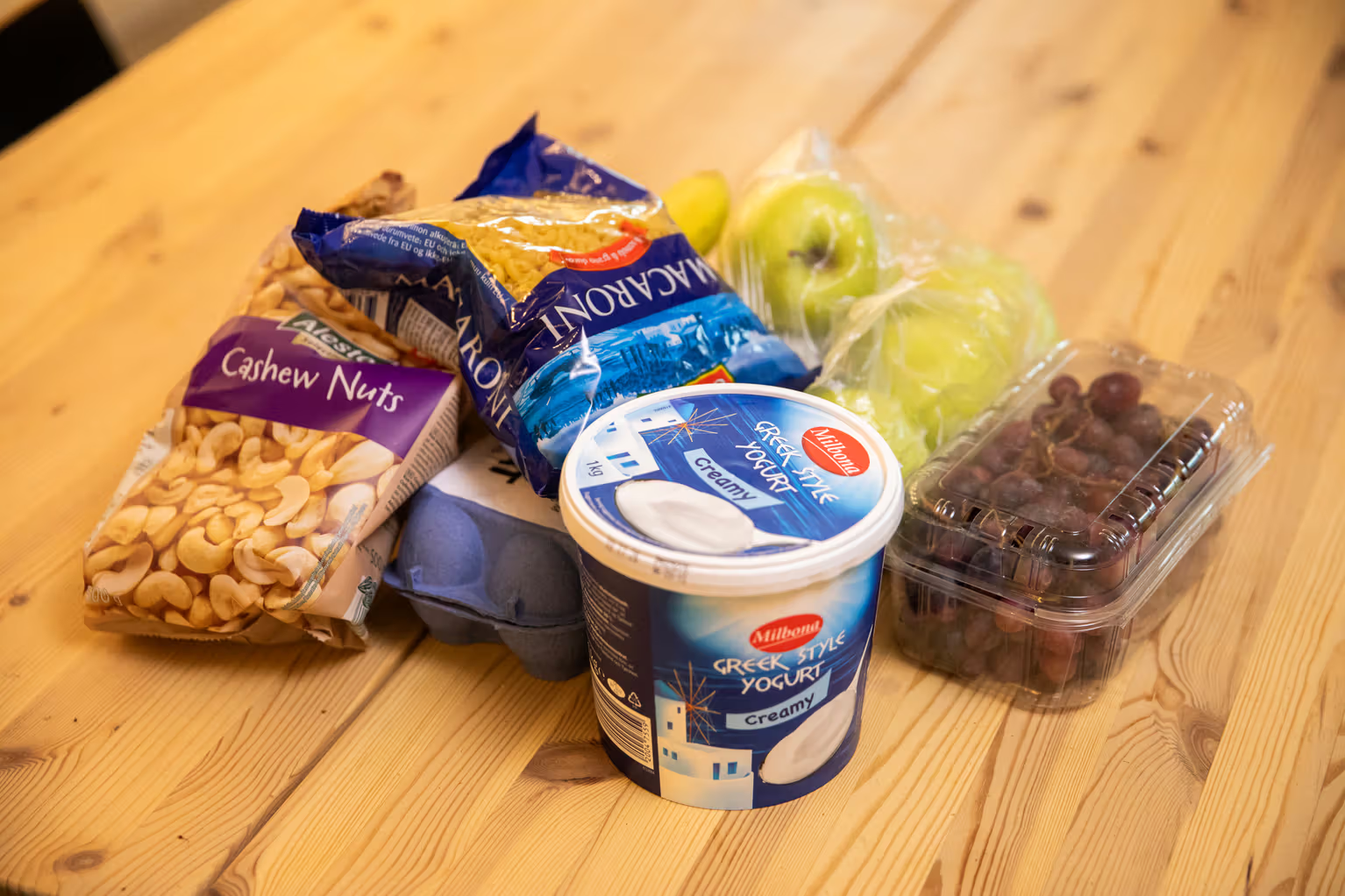
Yle compared the prices of 30 everyday grocery products at Lidl stores in Finland, Sweden, Estonia, Poland, Germany, Spain and Greece. Lidl was selected because it operates in Finland and several other European markets, allowing researchers to compare the same retail chain across different countries.
The findings show how much grocery prices can vary even when shoppers buy the same products from the same retailer. A product available in Helsinki may cost considerably more or less in Tallinn, Stockholm or a southern European city, depending on local economic conditions and retail pricing strategies.
Inflation has played a major role in changing these price differences. Although food prices have increased in Finland, several other countries have experienced sharper rises. Estonia was particularly affected in 2022, when food inflation exceeded 19 percent, making it the fastest-rising food price increase in the eurozone that year.
According to Eurostat figures cited by Yle, food prices in Finland were lower in the previous year than in Estonia and the other Nordic countries. The results help explain why Tallinn, once a popular destination for Finns seeking cheaper shopping, no longer offers the same clear price advantage over Helsinki.
Taxation and labour costs also help explain the differences. Finnish retail workers generally earn more than their Estonian counterparts, increasing operating costs for businesses in Finland. However, Estonia’s higher value-added tax on food pushes prices in the opposite direction.
The article reports that Estonia’s standard VAT rate is 24 percent, compared with a 13.5 percent rate for food in Finland. This tax difference contributes to the narrowing price gap between the two countries, although it does not explain every difference in the cost of individual products.
Other factors include transport expenses, competition between retailers and local consumer preferences. Grocery chains do not necessarily apply the same pricing strategy in every market, even when selling identical products. Their decisions can reflect the prices charged by competitors, the cost of sourcing goods and the products customers are most likely to buy.
Consumer preferences are particularly visible in the meat market. Finnish shoppers have a strong preference for domestic meat, and Lidl stocks Finnish products to meet that demand. In Estonia, consumers are more accustomed to imported products, allowing retailers to source meat from countries such as Poland, where production costs can be lower.
Bate Ismail, an economist at the Finnish Food and Drink Industries’ Federation, said Estonian consumers favour imported products more than Finnish consumers do. That difference in purchasing habits helps explain why meat prices and sourcing strategies can vary between the two markets.
Vegetables remain an area where Finland is relatively expensive. Prices can be up to 20 percent above the EU average, partly because transporting produce to the Finnish market costs money. Domestic vegetable production also faces high expenses, particularly for heating and lighting greenhouses during colder months.
Coffee presents a different picture. It is comparatively cheap in Finland, where supermarkets use it as a way to attract customers. Cheese and sweets can serve a similar purpose, with retailers keeping prices competitive on popular products to encourage shoppers to visit their stores.
Olive oil follows another regional pattern. It tends to be cheaper in southern European countries such as Greece and Spain, where it is more readily available. Retailers in those markets can use olive oil as a loss leader, selling it at a particularly low price to attract customers who may then purchase other goods.
In Finland, Lidl’s pricing decisions are also influenced by competition within the domestic grocery market. The retailer closely monitors prices at S Group, one of Finland’s major retail groups. When comparable products cost more at competing Finnish stores, Lidl may have less incentive to reduce its prices to match those offered in other European countries.
The comparison illustrates why the cost of living cannot be judged by a country’s reputation alone. Food prices depend on a combination of inflation, taxation, wages, transport costs, consumer demand and competition. For shoppers in Finland, the findings suggest that grocery prices are not uniformly higher than in neighbouring countries, even though some products, particularly vegetables, remain expensive by European standards.


