
Finland’s homeschooling rules could become stricter under proposed reforms that would introduce official approval for home education, strengthen academic assessments and potentially limit the circumstances in which parents can educate their children outside the school system.
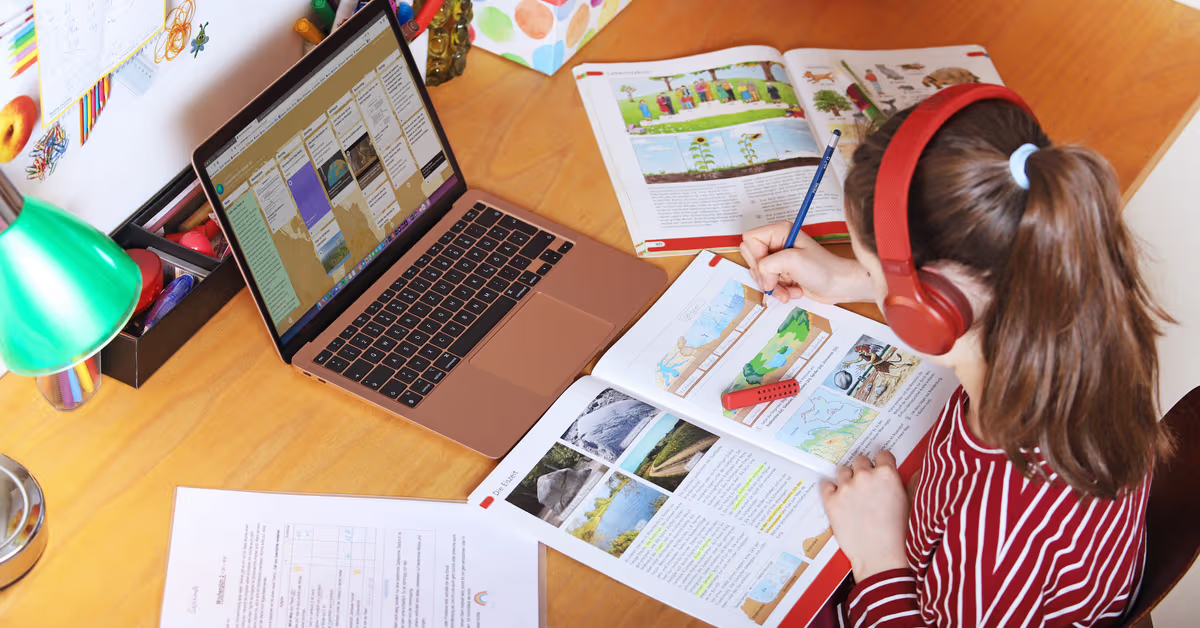
Education Minister Anders Adlercreutz announced on Monday that preparations would begin to tighten the rules, following a Ministry of Education and Culture report that identified gaps in supervision, unequal access to educational support and concerns about whether homeschooled children achieve the required learning outcomes. However, the legislation will not be completed during the current parliamentary term.
The ministry’s report presents three possible approaches. The government could introduce a permit system requiring parents to obtain approval before homeschooling, make school attendance compulsory with limited exceptions, or retain the existing arrangements while establishing stronger national standards for supervision.
Adlercreutz supports the permit system. Under his proposal, parents would have to explain why they want to educate their children at home and provide details of how they intend to deliver the required education. Authorities could also intervene and end a homeschooling arrangement if a child failed to make sufficient academic progress.
The proposals would mark a change from Finland’s current system, which allows parents to withdraw children from school by notifying their municipality. Parents do not need formal permission to homeschool or have to submit a teaching plan for approval.
Although municipalities are responsible for monitoring homeschooled children’s progress, the ministry’s report found that supervision varies across the country. Children typically meet a supervising teacher twice during the academic year, a system that offers fewer opportunities for regular assessment than the continuous monitoring available in mainstream schools.
The report also found that the quality of home education depends heavily on parents’ knowledge, resources and ability to teach. Children educated at home generally do not have the same access to school meals, free learning materials, educational support and pupil welfare services as those attending school.
The number of children receiving home education has also increased in recent years. According to the ministry’s report, 1,026 children were homeschooled in mainland Finland in 2026, up from 309 in 2018. They account for approximately 0.2 per cent of children of compulsory school age. More than 40 per cent of these children live in Uusimaa, the region that includes Helsinki.
The report raises further concerns about whether homeschooled pupils complete the requirements needed to move on to further education. It found that only 55 per cent of children who received home education during the previous five years had completed a special examination or obtained a certificate confirming that they had met the basic education syllabus. Without the necessary qualifications, young people may face difficulties when applying for further studies.
Adlercreutz wants to introduce annual assessments to check whether homeschooled children are meeting the national learning objectives. He also wants every child to have the opportunity to obtain a basic education leaving certificate. Officials will examine whether formal examinations or other assessment methods would provide a reliable way to measure pupils’ progress.
The debate has also extended beyond academic performance to concerns about children’s welfare, ideological influence and the prevention of violent extremism. The ministry’s report refers to assessments by the Finnish Security Intelligence Service, known as Supo, concerning the role schools play in efforts to prevent radicalisation. Children educated outside recognised schools do not take part in the same school-based preventive programmes.
However, the report also recognises that families choose homeschooling for different reasons. These include illness, bullying, religious convictions and other personal circumstances that can make mainstream schooling difficult. Adlercreutz has said that such situations must be considered when authorities assess possible restrictions, pointing to health problems and periods spent abroad as examples of circumstances that may justify home education.
A complete ban remains one of the options raised in the wider debate, but it is not the same as an agreed government policy. Adlercreutz has previously said that strengthening supervision should be considered before moving towards compulsory school attendance, while allowing authorities to intervene when home education is not meeting children’s needs.
The proposed changes have not yet been discussed within Finland’s governing coalition. For now, the ministry’s report sets out possible ways to reform the system rather than a final legislative decision. Any future changes will determine how Finland balances parents’ ability to choose home education with the state’s responsibility to ensure that every child receives an adequate education.


