European cities that deserve more international visitors are not necessarily the places missing from travel brochures. Some are already well known within their own countries and regions, but remain surprisingly absent from the itineraries of international travellers who tend to move between the continent’s most established tourist capitals.
That imbalance has created a familiar European travel pattern: Paris, Rome, Barcelona, Amsterdam and London receive enormous attention, while other cities with strong cultural identities, historic centres, distinctive food scenes and everyday urban life receive far less international interest.
The appeal of Europe’s less celebrated cities is not simply that they are quieter. Their real advantage is that many offer a more complete sense of place. They can feel less dominated by tourism and more connected to the people who actually live there. For travellers willing to look beyond the obvious destinations, that can make the experience considerably more interesting.
Ljubljana is one of the clearest examples. Slovenia’s capital is compact enough to explore comfortably on foot, yet it has a strong architectural identity, a lively riverside atmosphere and easy access to the country’s wider landscapes.
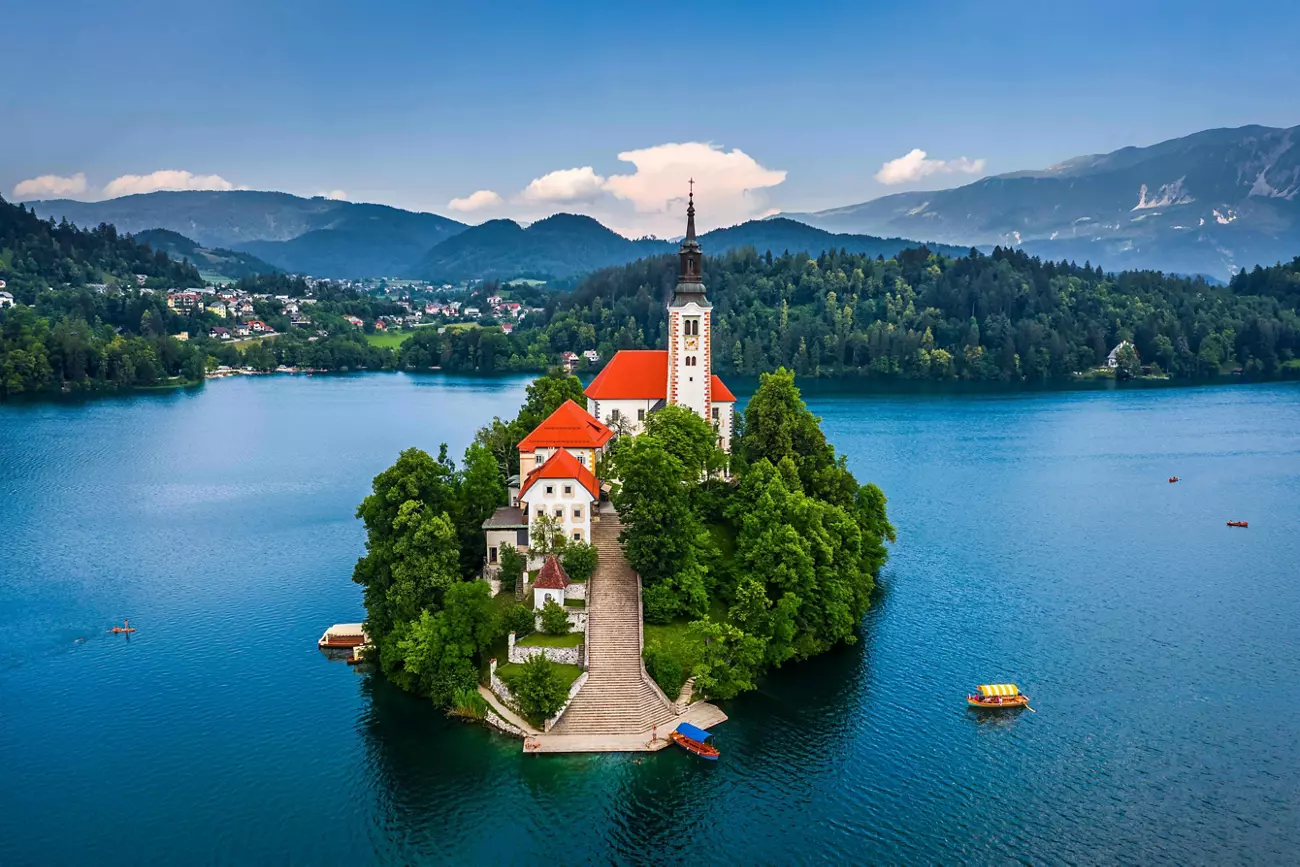
The city does not need the scale of Prague or Vienna to be compelling. Its appeal comes partly from how much can be experienced without spending hours moving between attractions. The old centre, riverbanks, cafes and public spaces create a city experience that feels intimate rather than overwhelming.
Turin offers a different proposition. Once closely associated with Italian industry and the automotive sector, the Piedmontese capital is often overshadowed internationally by Rome, Florence, Venice and Milan.
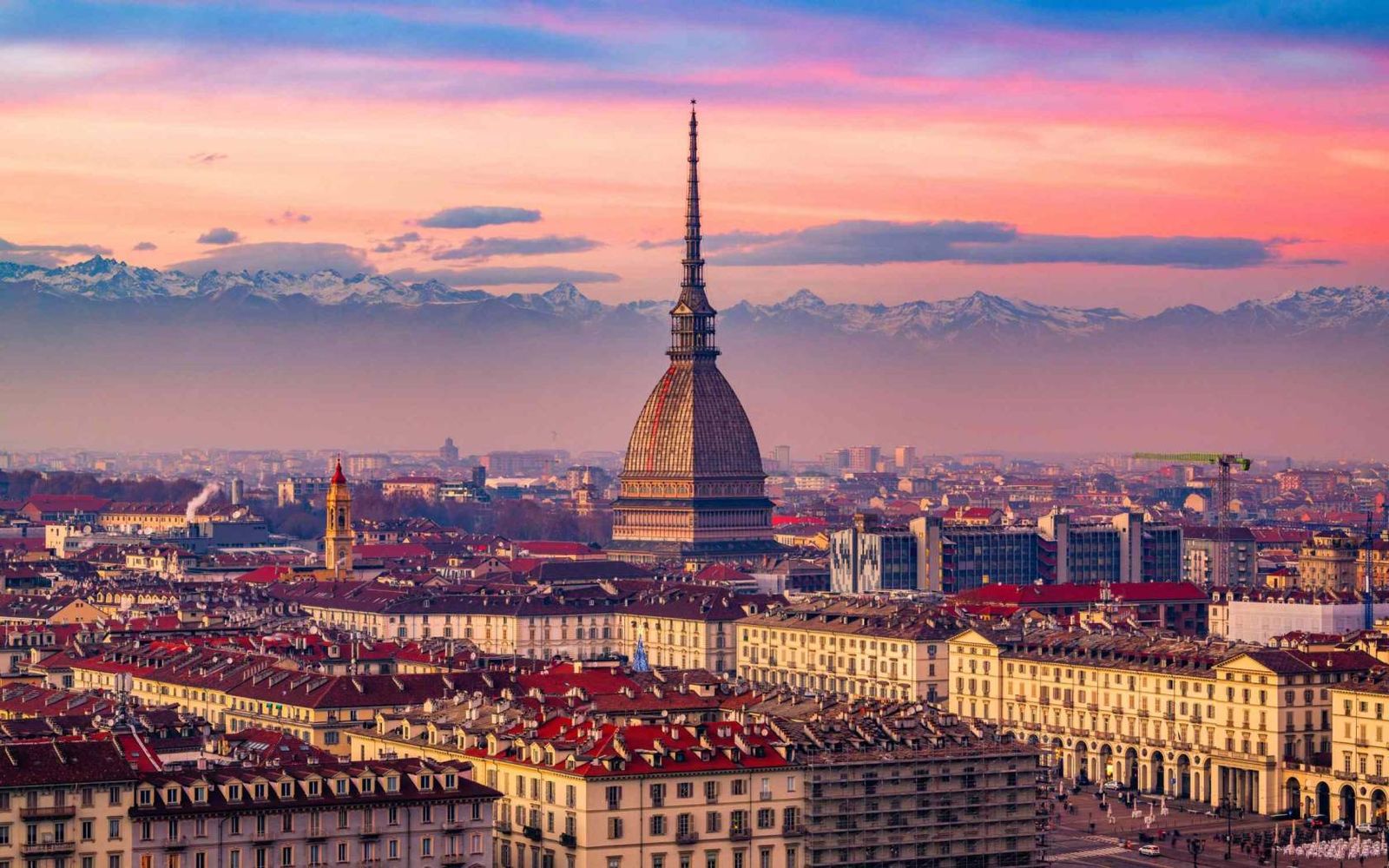
Yet Turin has an extraordinary architectural legacy, long arcaded streets, major museums and a food culture shaped by its position in northern Italy. It is also one of the places where visitors can experience Italy without feeling that every street has been arranged around tourism.
Valencia deserves similar attention. Spain’s third-largest city has the Mediterranean setting many travellers seek, but it is often left behind when visitors choose Barcelona, Madrid or Seville.
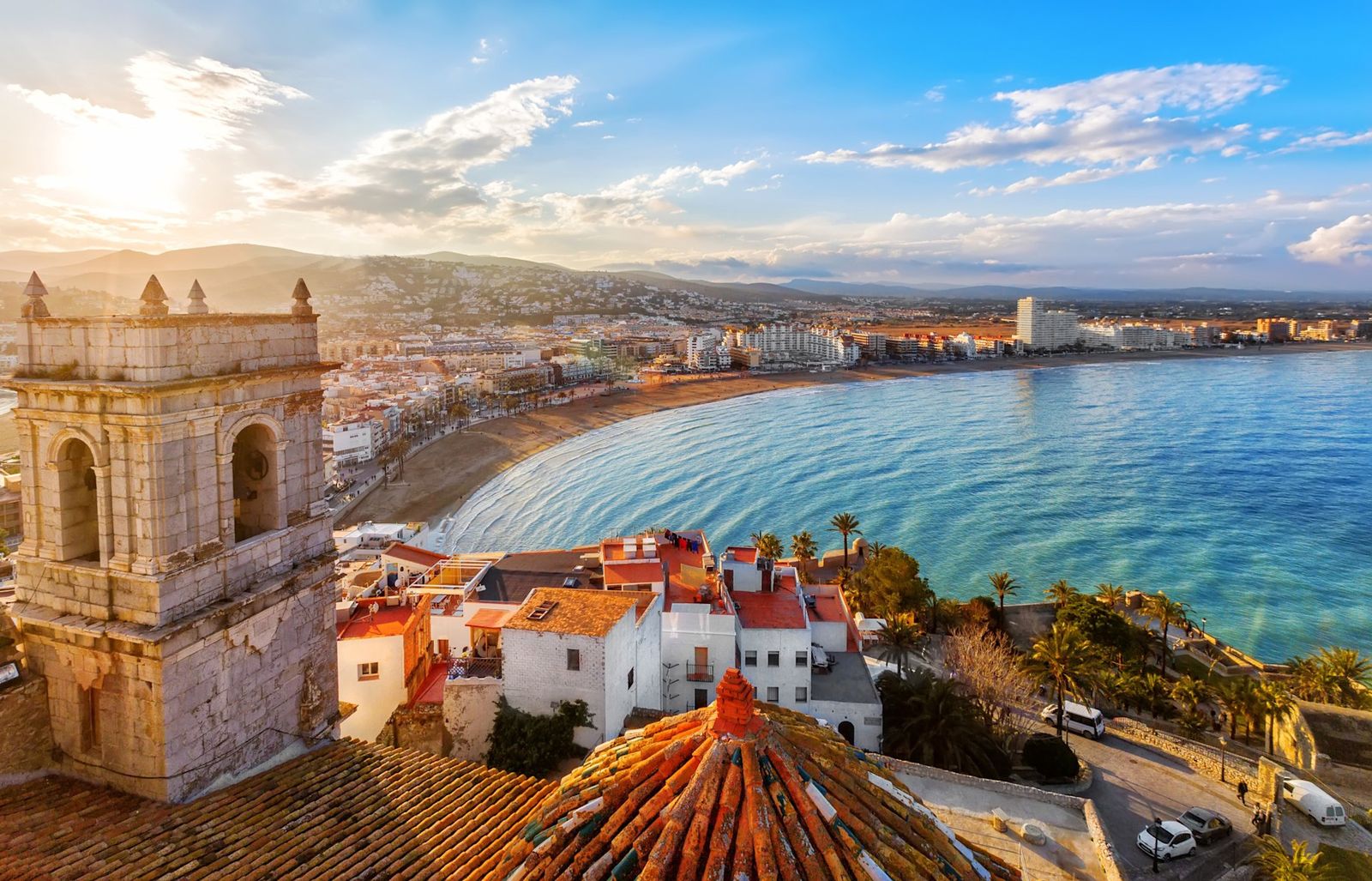
Valencia combines an old historic core with modern architecture, beaches, parks and a strong local food tradition. The city’s character is difficult to reduce to a single attraction, which may actually be one of its strengths. It works as a destination because different parts of the city offer very different experiences.
In Belgium, Ghent has the kind of historic setting that attracts visitors to Bruges, but with a different rhythm. Its medieval architecture sits alongside a substantial student population, restaurants, cultural venues and a working urban environment.
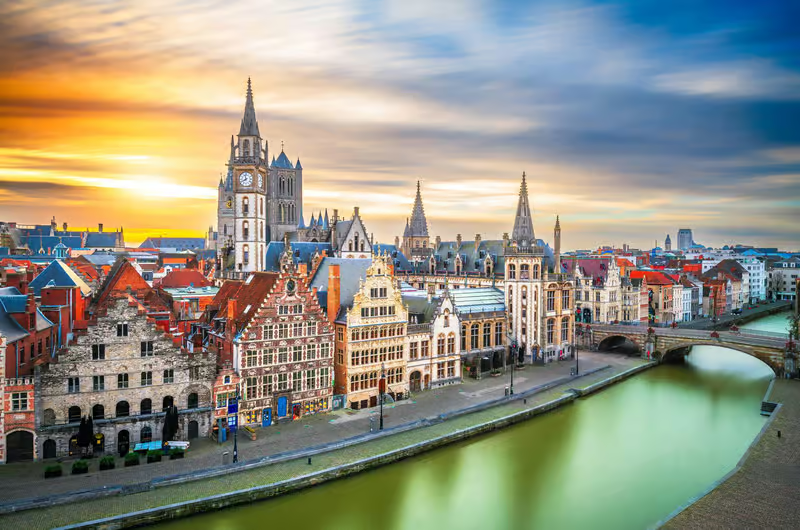
The result is a city that feels historic without being frozen in the past. For international visitors, that distinction matters. Europe’s heritage is more interesting when it is still part of ordinary city life.
Bologna is another city that deserves a larger place on international travel itineraries. Its porticoes, medieval streets and university heritage give it a strong visual identity, while its reputation for food is firmly connected to the wider culinary culture of Emilia-Romagna.
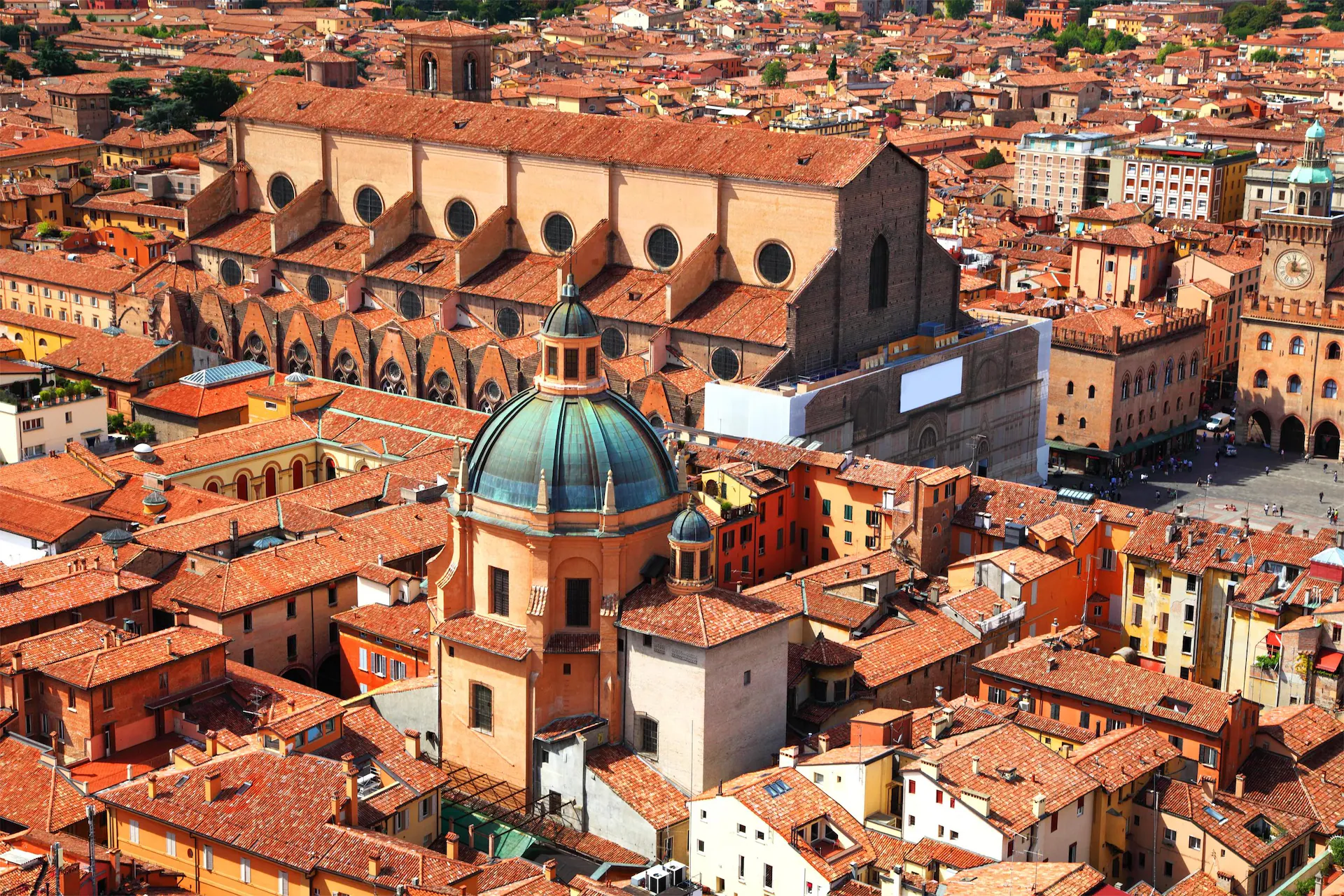
Yet Bologna is often treated as a gateway to other Italian destinations rather than a destination in its own right. That is a missed opportunity. A city with this much history and such a strong relationship with food does not need to compete with Florence on Florence’s terms.
Northern Europe has its own overlooked cities. Lahti, in Finland, rarely receives the same international attention as Helsinki, Turku or the country’s better-known Lapland destinations, yet it offers a different way of experiencing Finland.
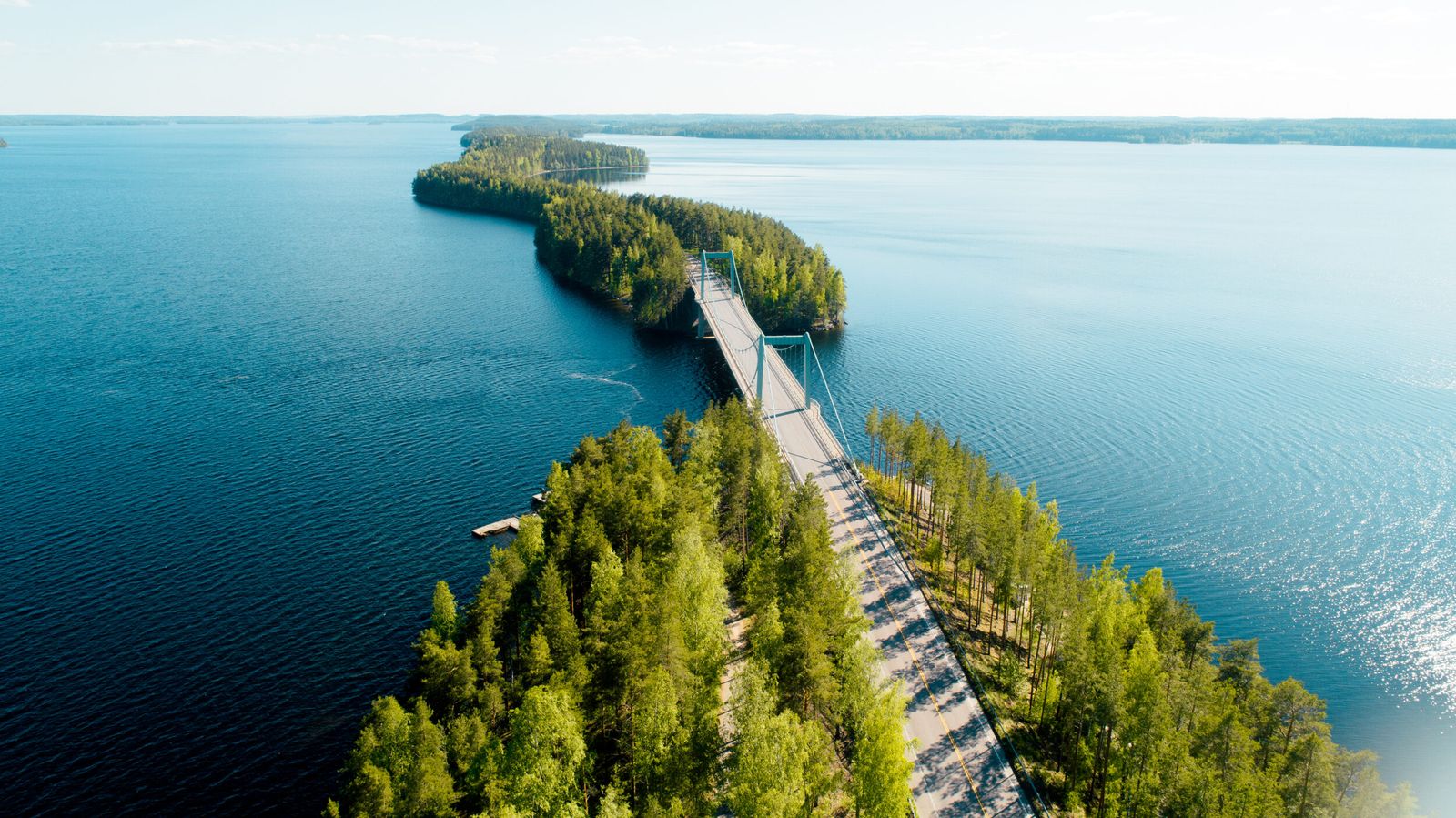
The city has a strong connection with sport, outdoor life and the surrounding lake landscapes, making it particularly interesting for travellers who want to see the country beyond the usual image of northern lights, snowy wilderness and Lapland experiences. Lahti’s appeal is not based on trying to imitate those destinations. Its strength is in showing another side of Finnish life, where nature and outdoor culture sit close to an ordinary Finnish city.
Tallinn offers another compelling example. Estonia’s capital is increasingly recognised by international travellers, but it can still be underestimated as a short stop rather than a destination worth exploring properly.
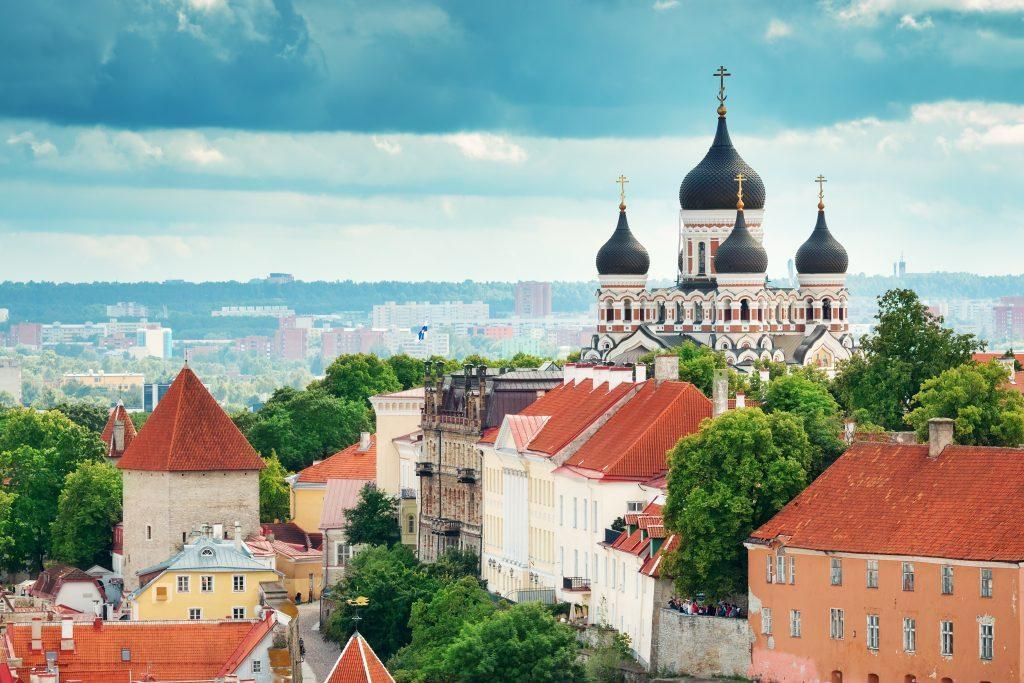
Its historic centre provides an impressive introduction to Estonia’s past, while contemporary neighbourhoods, restaurants, design and cultural life show how much the city has changed beyond its medieval core. Tallinn is particularly appealing for travellers who want European history without following the most familiar Western European route.
Riga, the Latvian capital, offers a particularly distinctive mixture of architectural styles, historic streets and Baltic culture. Its Art Nouveau architecture is one of the city’s most recognisable features, but the wider appeal comes from the combination of history and contemporary urban life.
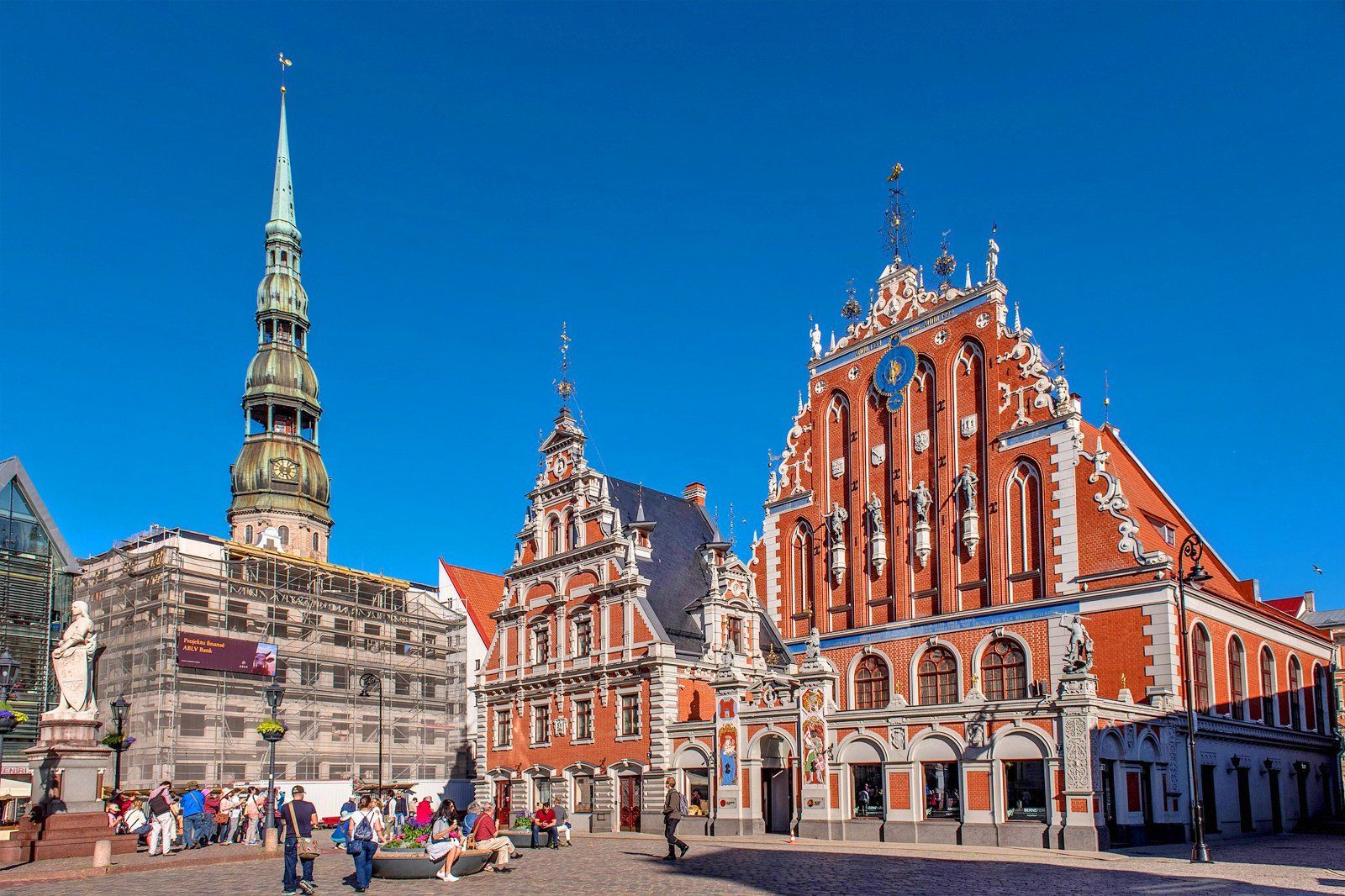
For travellers interested in seeing a different side of Europe, Riga offers an experience that is difficult to reproduce in the continent’s better-known tourist centres.
Bratislava faces an unusual problem. It is a national capital positioned close to several of Europe’s most visited cities, yet international travellers can easily pass through the region without giving it much attention.
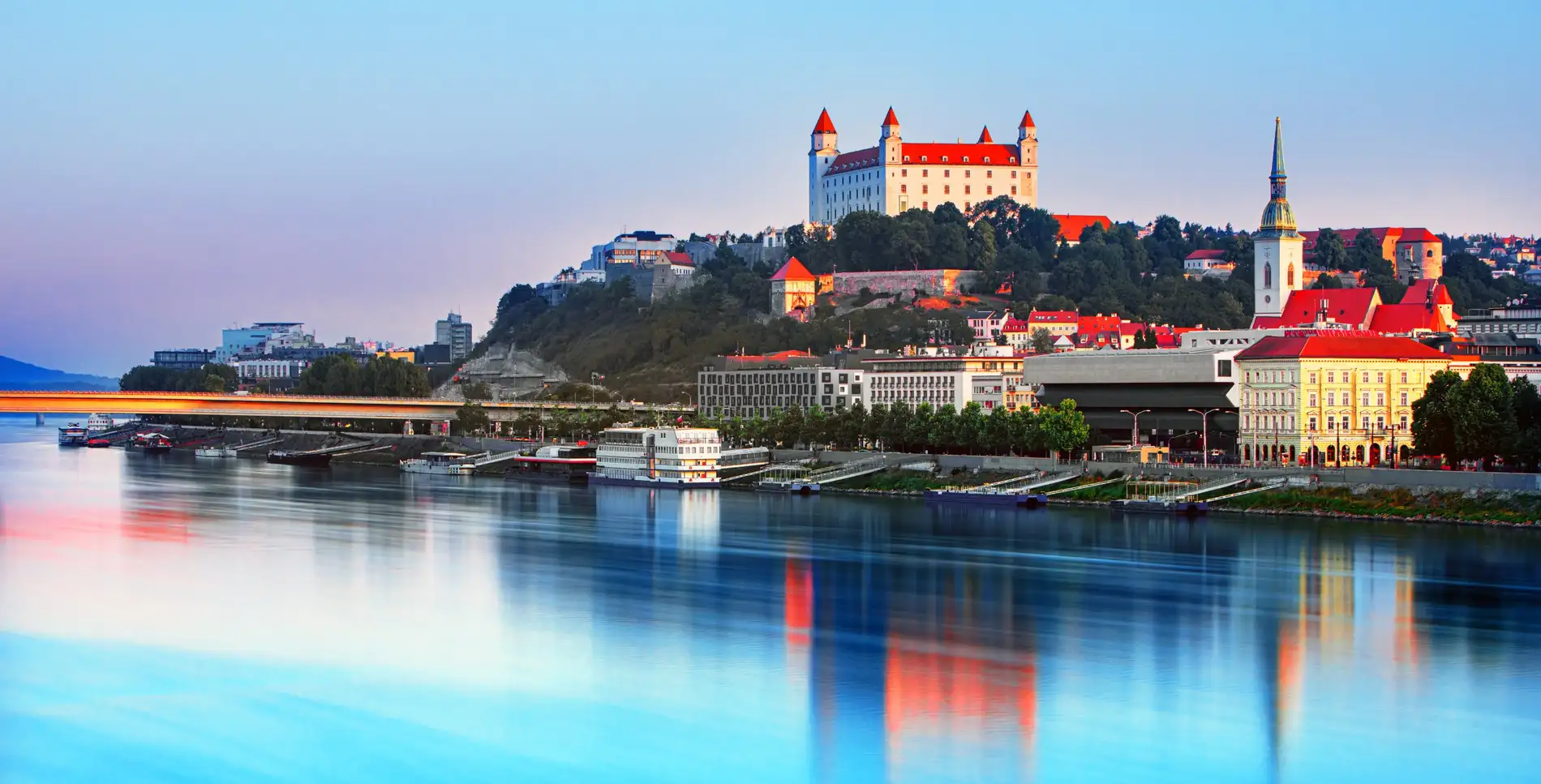
Its historic centre is compact, while the Danube and surrounding landscape add another dimension to the city. Its proximity to Vienna can make it seem like a secondary stop, but that is precisely the assumption that keeps some travellers from discovering what makes it different.
In Germany, Leipzig has developed a reputation for creativity and cultural energy, but it remains outside the standard first-time Germany itinerary for many international visitors. Berlin, Munich, Hamburg and Frankfurt tend to dominate overseas attention.
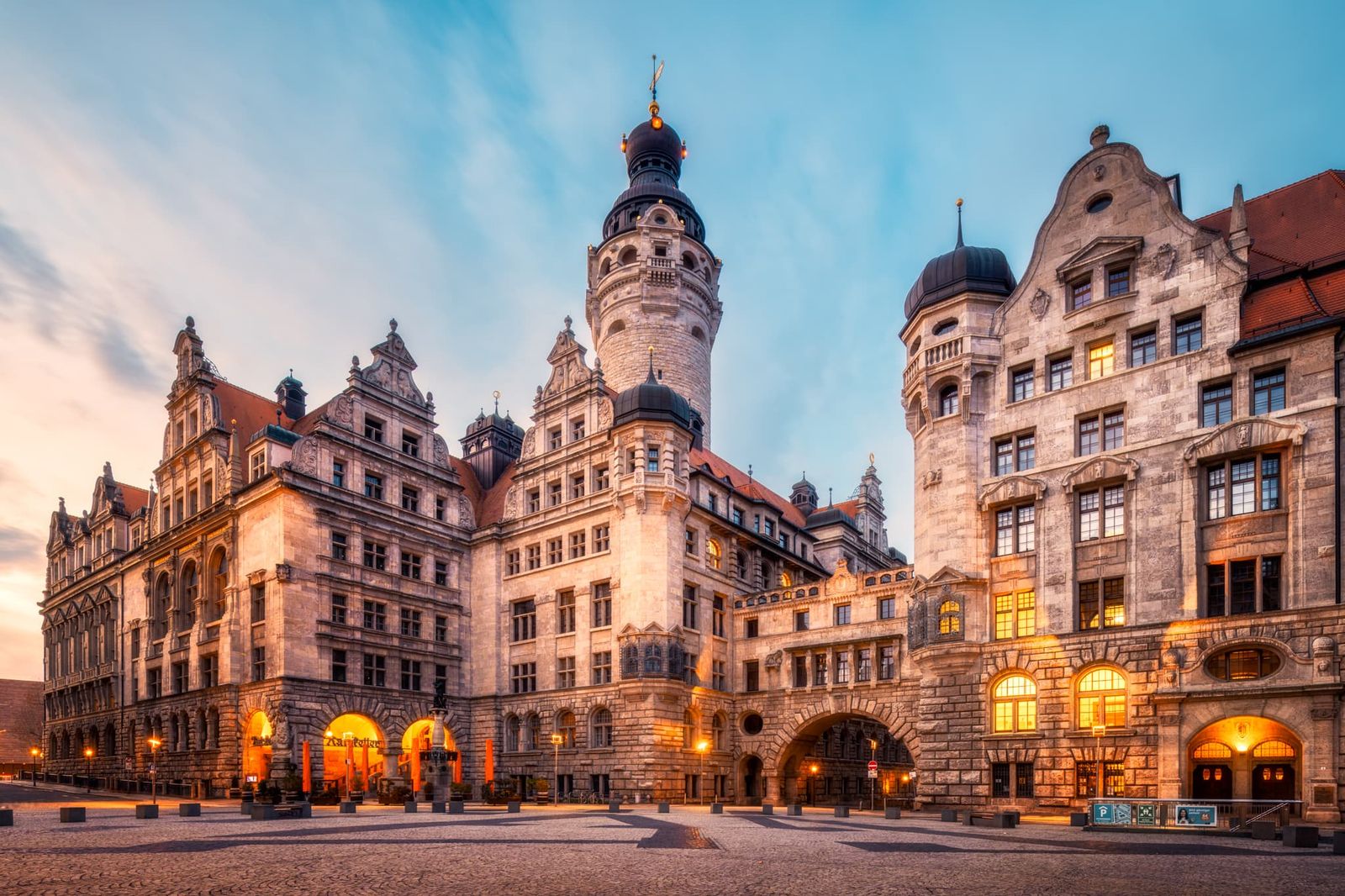
Leipzig offers something different: a city shaped by music, art, industrial history and a changing contemporary culture. It is also a useful reminder that Germany’s identity cannot be understood through its most famous cities alone.
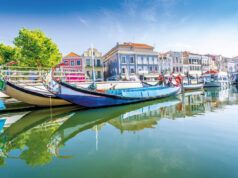
Porto is perhaps a more complicated case because international tourism has already transformed the city. It is no longer an obscure European destination. Yet compared with the attention directed towards Lisbon, Porto still demonstrates why looking beyond a country’s headline destination can be rewarding.
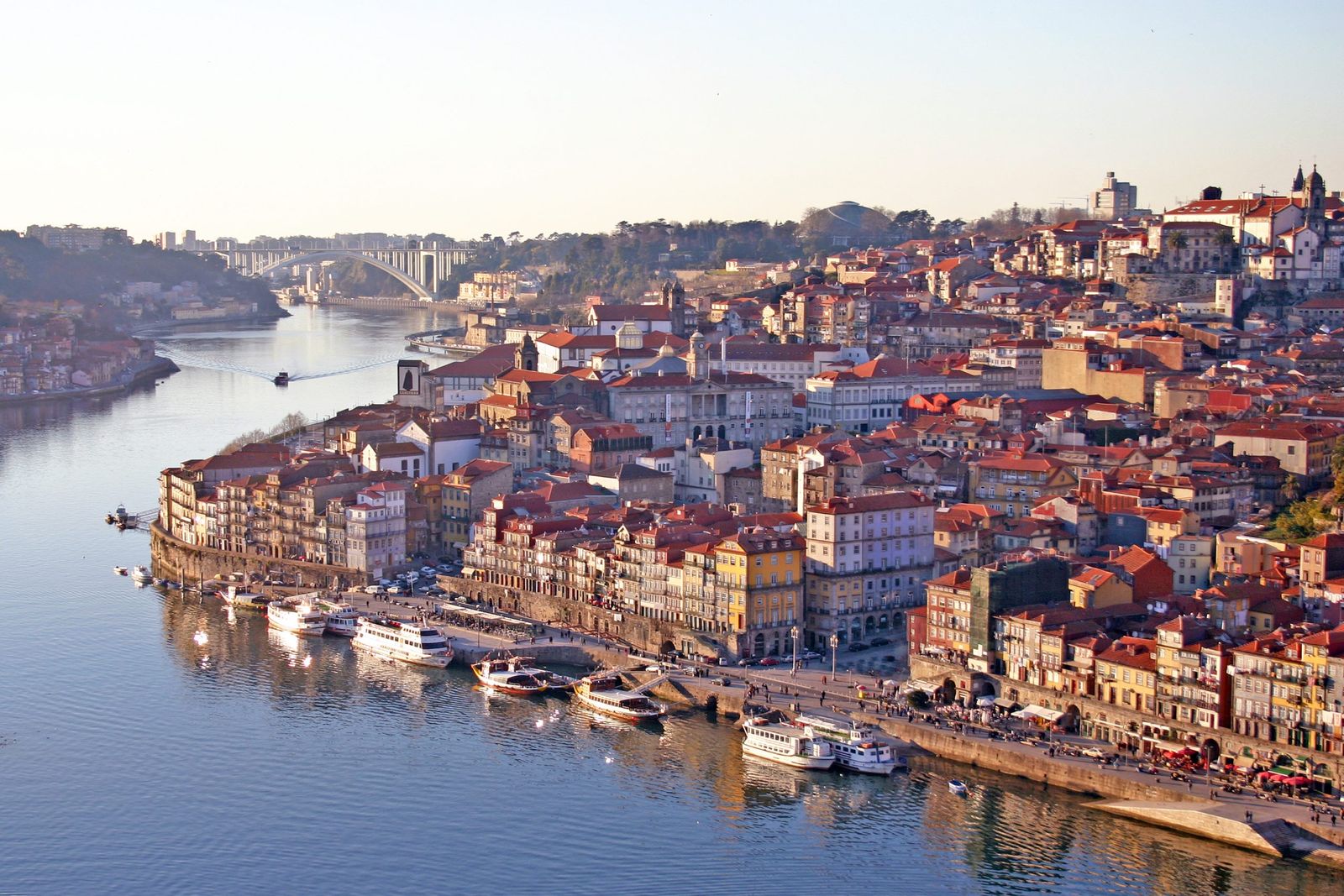
Its steep streets, riverside setting, architecture and connection to the Douro create a very different urban experience. Its growing popularity also raises an important question for European tourism: once an overlooked city becomes popular, how can it retain the qualities that attracted visitors in the first place?
That question is increasingly relevant across Europe. The search for less crowded destinations is not simply about finding somewhere with fewer tourists for a weekend. It is becoming part of a wider conversation about how tourism is distributed. When millions of visitors concentrate on a relatively small number of famous cities, pressure builds on housing, public transport, heritage sites and local communities. Meanwhile, other cities with the capacity to welcome visitors can remain largely outside the international tourism economy.
For tourism authorities, this presents both an opportunity and a responsibility. Promoting a lesser-known city cannot simply mean putting attractive photographs online and calling it an emerging destination. International travellers need reasons to go, practical information about reaching the city and a clear understanding of what makes it different. The strongest destination campaigns are usually rooted in genuine local character rather than an attempt to imitate another successful tourist city.
Travellers also have a role to play. Europe’s most famous destinations are famous for good reasons, and there is no need to avoid them simply because they are popular. But repeatedly visiting the same handful of cities can produce a narrow picture of a continent that is remarkably diverse. A trip to Europe can look very different when a traveller includes Turin instead of only Milan, Valencia alongside Barcelona, Bologna alongside Florence, Lahti alongside Helsinki, or Tallinn and Riga alongside the better-known capitals of Western Europe.
There is also something more personal about travelling this way. In cities that have not yet become completely dependent on international tourism, it can be easier to encounter ordinary routines: people commuting to work, neighbourhood restaurants filled with residents, local markets, independent shops and public spaces used for everyday life. Those experiences rarely appear on a conventional list of must-see attractions, but they are often what visitors remember.
The case for European cities that deserve more international visitors, then, is not that they should become the next Paris or Barcelona. That would defeat the point. Their value lies in offering something those cities cannot provide in exactly the same way: a chance to experience European culture, history and contemporary life without following the most heavily travelled route through the continent.
Europe does not have a shortage of great cities. It has a visibility problem. International attention remains heavily concentrated, while dozens of places with compelling stories continue to sit just outside the global travel conversation. For travellers prepared to take a different train, stay an extra night or choose a city that does not dominate Instagram feeds, some of Europe’s most rewarding discoveries may already be waiting in plain sight.