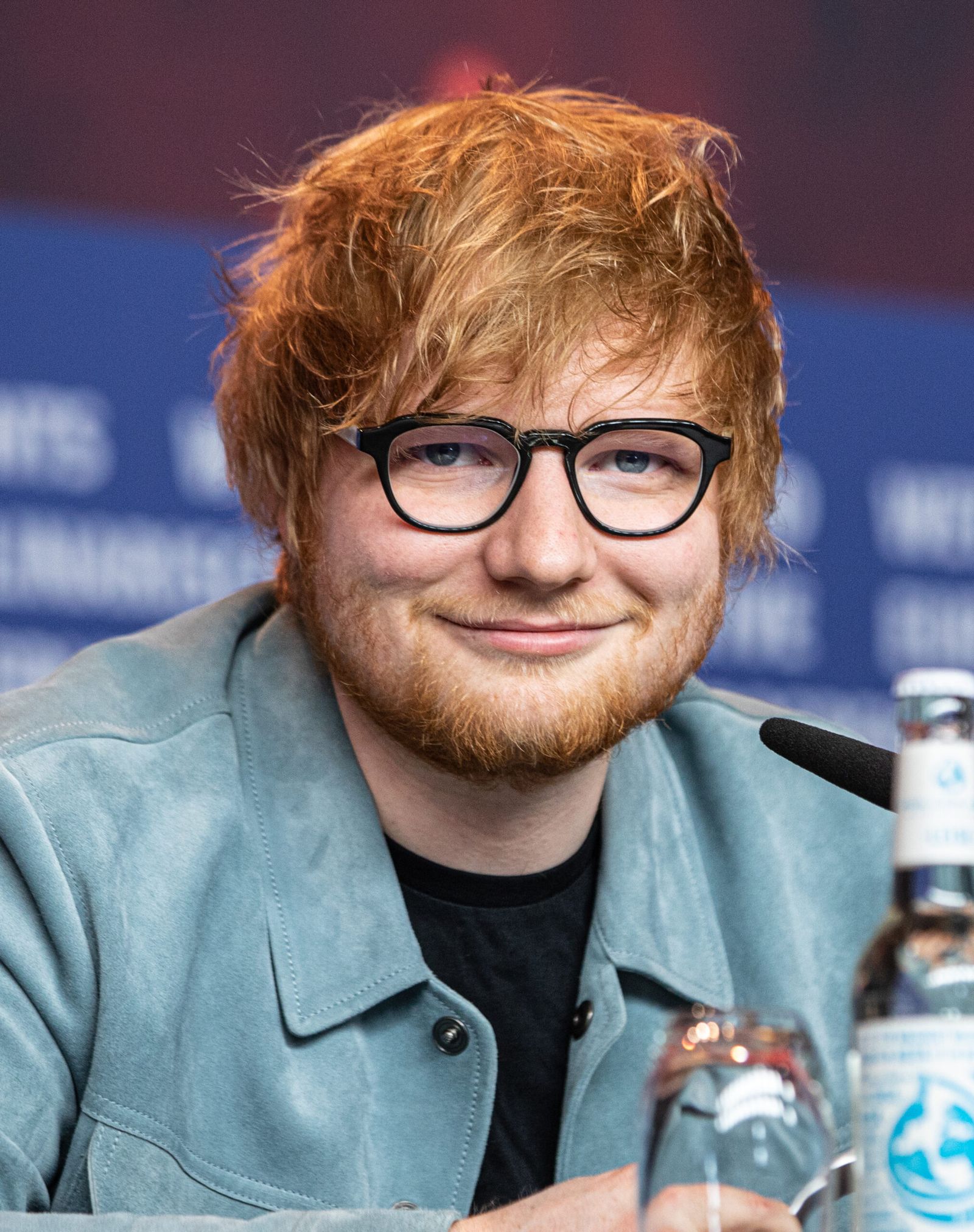
Ed Sheeran will resume his Loop Tour in Philadelphia on Saturday, returning to the stage for the first time since rapper Macklemore was removed from the US leg after making pro-Palestinian remarks during a concert. The decision has since triggered a wider dispute over artistic expression, the influence of venue owners and the limits of political speech at major live events.
The Philadelphia show at Lincoln Financial Field is scheduled to go ahead, but Sheeran’s touring setup will look very different from what was originally planned. Macklemore had been booked as an opening act, while Danish group Lukas Graham and Irish singer Aaron Rowe were later brought into the lineup. Both subsequently withdrew, as did Finneas, Billie Eilish’s brother and frequent musical collaborator, who was due to join Sheeran on the South American leg. Irish folk group Beoga, which had also been performing with Sheeran, has withdrawn as well.
That leaves Sheeran facing the possibility of performing without the supporting artists who had been part of the tour’s presentation. He has frequently performed large portions of the Loop Tour alone, but Beoga had joined him for several songs at shows. As of Friday, the tour website had not announced replacement acts for Philadelphia, while tickets were still available for the concert.
The dispute began after Macklemore voiced support for Palestinians during performances at MetLife Stadium in New Jersey earlier this month. During one of the shows, he performed his protest song “Hind’s Hall” and repeatedly said “Free Palestine”, with footage relating to the war in Gaza displayed behind him. His comments drew criticism from pro-Israel advocacy groups, including the Israeli American Council, which called for him to be removed from Sheeran’s tour.
Macklemore has said that the decision to remove him followed pressure from Robert Kraft, the owner of the New England Patriots and Gillette Stadium, where Sheeran is scheduled to perform later this month. Kraft subsequently confirmed that Macklemore would not be allowed to perform at Gillette Stadium, citing his recent stage comments and what Kraft described as a broader history of rhetoric and imagery that he said had offended the Jewish community.
The tour’s promoter, Messina Touring Group, confirmed that several venues regarded Macklemore’s participation as unacceptable and that he was therefore removed from the remaining US dates. Sheeran has repeatedly said the decision was made by the promoter and was not his own. He said Macklemore’s contract was with the promoter and that he had spent the week speaking with venues, promoters and others in an effort to find a compromise.
Sheeran has also tried to separate himself from the political dispute. In a statement, he said that he has personal views about the conflict in Gaza but does not make them a public part of his concerts. He argued that audiences come to his shows for music rather than a political forum and said he wants his performances to bring people from different backgrounds together.
That position has not prevented the controversy from following him onto the stage. The withdrawal of his supporting artists turned what might otherwise have remained a disagreement over one opening act into a much broader dispute involving musicians, venue owners, promoters and audiences. Several of the artists who withdrew explicitly linked their decisions to concerns about the treatment of Macklemore and the influence of powerful venue owners over artists’ ability to express political views.
Macklemore has also turned the controversy into a financial commitment. He announced that he would donate $1 million from his net earnings from the Loop Tour to organisations supporting Palestinians and challenged Kraft to match the contribution. Kraft responded that Sheeran had already asked him to match a $2 million donation that Sheeran planned to make toward humanitarian aid in the region. Kraft subsequently pledged $2 million, although the precise destination of the funds had not been fully specified.
The episode has placed Sheeran in an awkward position. The singer has spent much of his career maintaining a relatively non-political public profile, and his enormous commercial success has depended in part on a touring model designed to reach audiences across different countries and backgrounds. The Loop Tour was the world’s highest-grossing tour in the period reported by Pollstar in May, averaging more than $7 million in box-office revenue per city.
The controversy now raises questions that extend beyond one concert. Major tours depend on a network of promoters, stadium operators, artists, sponsors and local authorities, each with different interests and contractual powers. Sheeran’s insistence that the decision was not his does not erase the fact that his name is attached to the tour and that the dispute has unfolded around his performances.
For Macklemore, the episode has reinforced his stated belief that musicians can face professional consequences for taking public positions on divisive political issues. For Sheeran, it has tested a different idea: whether a globally successful artist can remain publicly neutral when political conflict enters the business and logistics of a major tour.
The Philadelphia concert will be the first opportunity to see how Sheeran handles the stage after a week in which almost every scheduled supporting act has disappeared. Pro-Palestinian organisations have announced plans to protest outside the venue, adding another dimension to a concert that was originally promoted as another stop on one of the world’s biggest tours.
For now, the Loop Tour is continuing. Sheeran is scheduled to perform in Philadelphia on September 19 before the North American leg continues through November 7. What began with a few words from an opening act has become a public dispute over who controls a concert stage, how much influence venues should have over artists, and whether staying out of politics is itself becoming increasingly difficult for performers operating on the world’s biggest stages.